
Plastisol Screen Printing for Durable, Vibrant Apparel Designs
ZORWILD delivers professional plastisol screen printing with bold color payoff, exceptional wash durability, and proven performance across streetwear, promotional apparel, and branded collections. As a custom apparel manufacturer with 27 years of experience, we support low MOQ production starting from just 50 pieces.
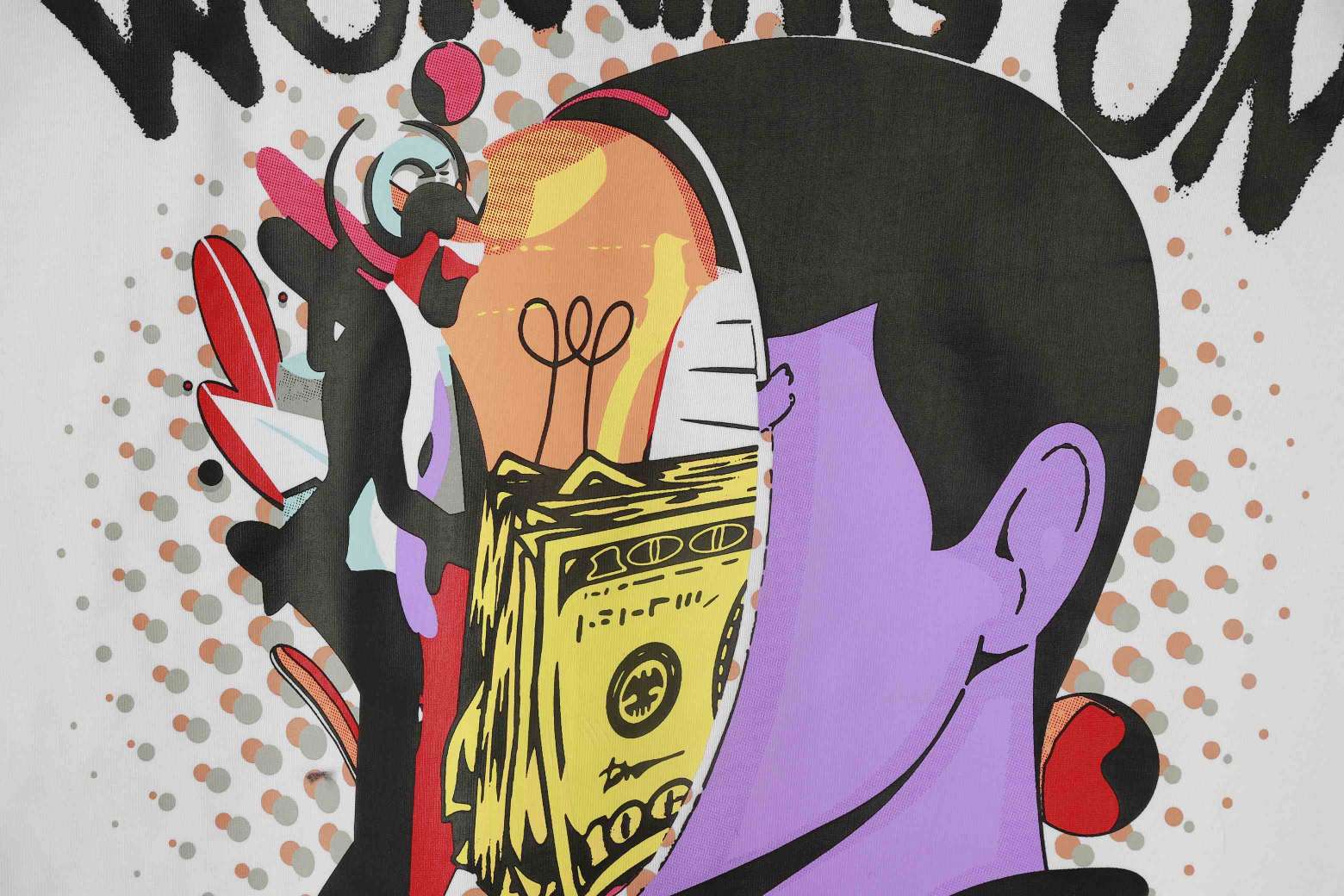
Plastisol Screen Printing Samples
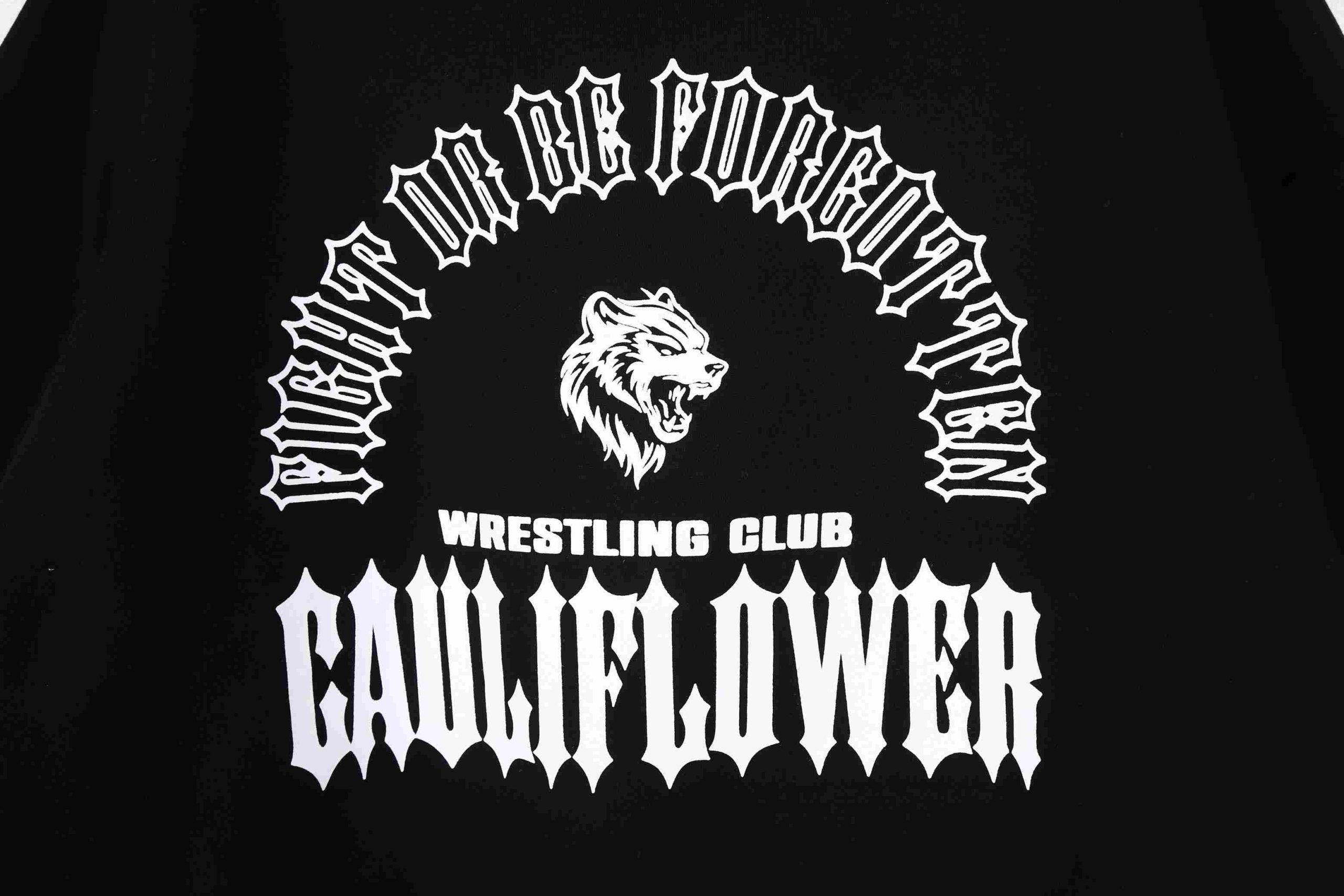
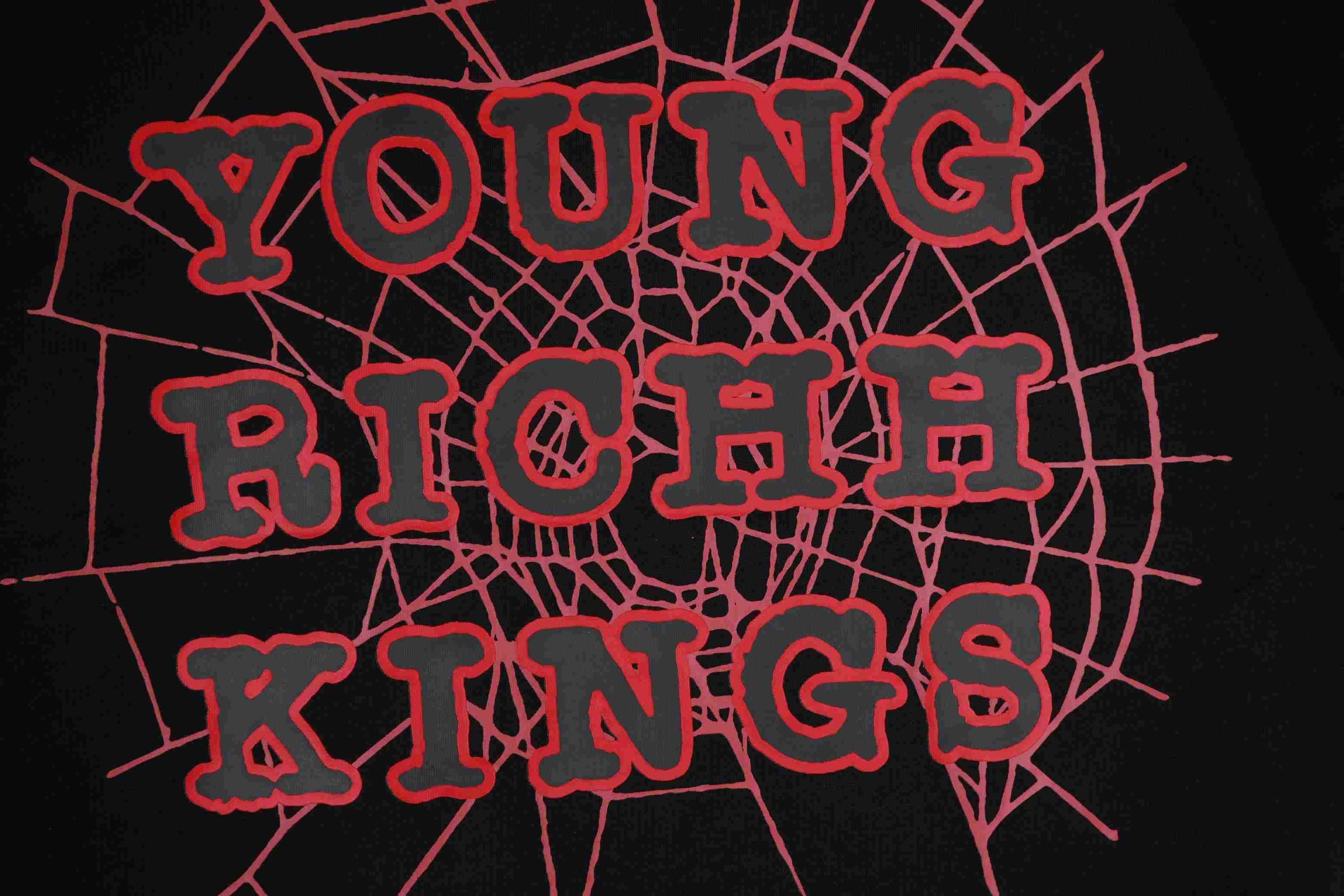
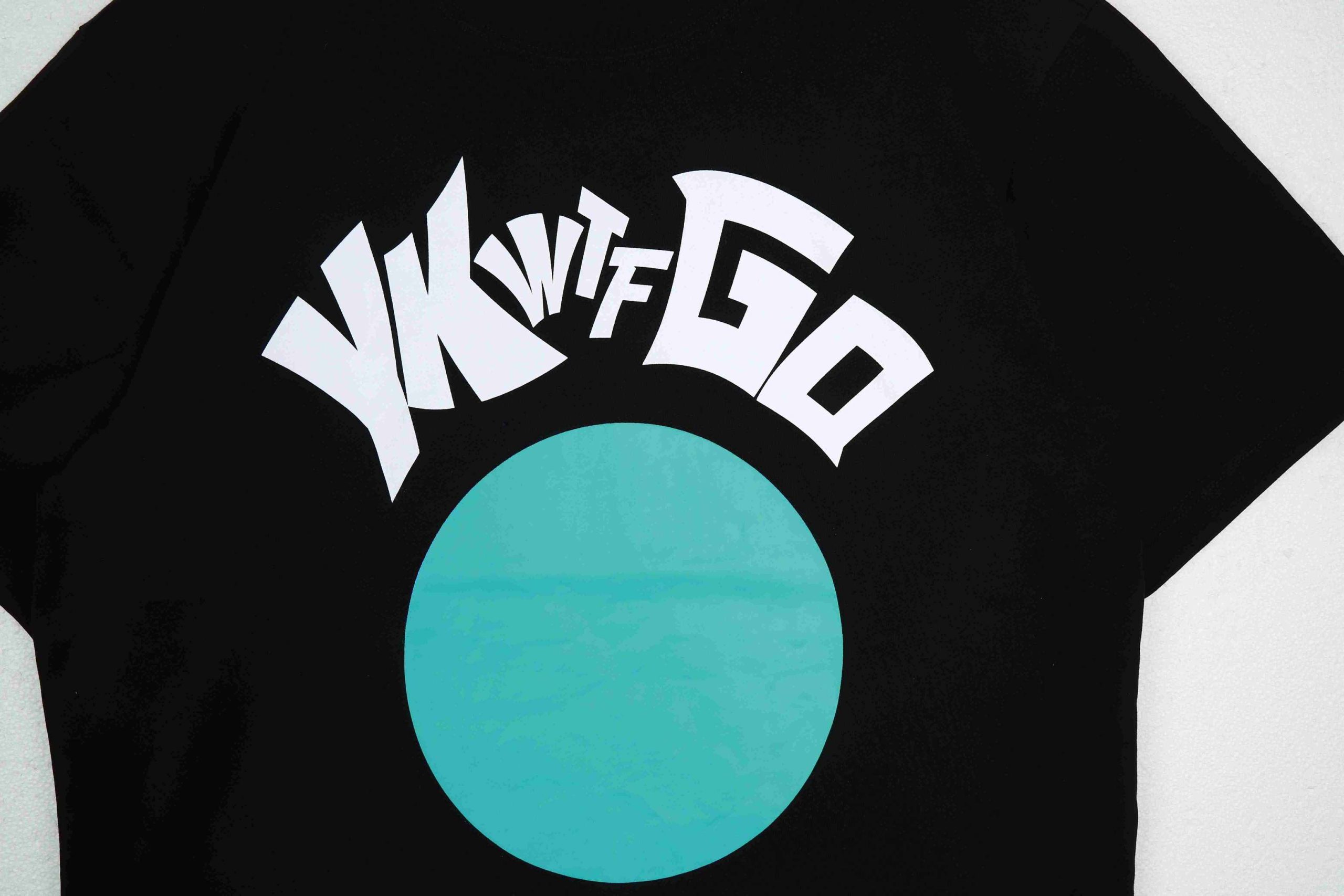
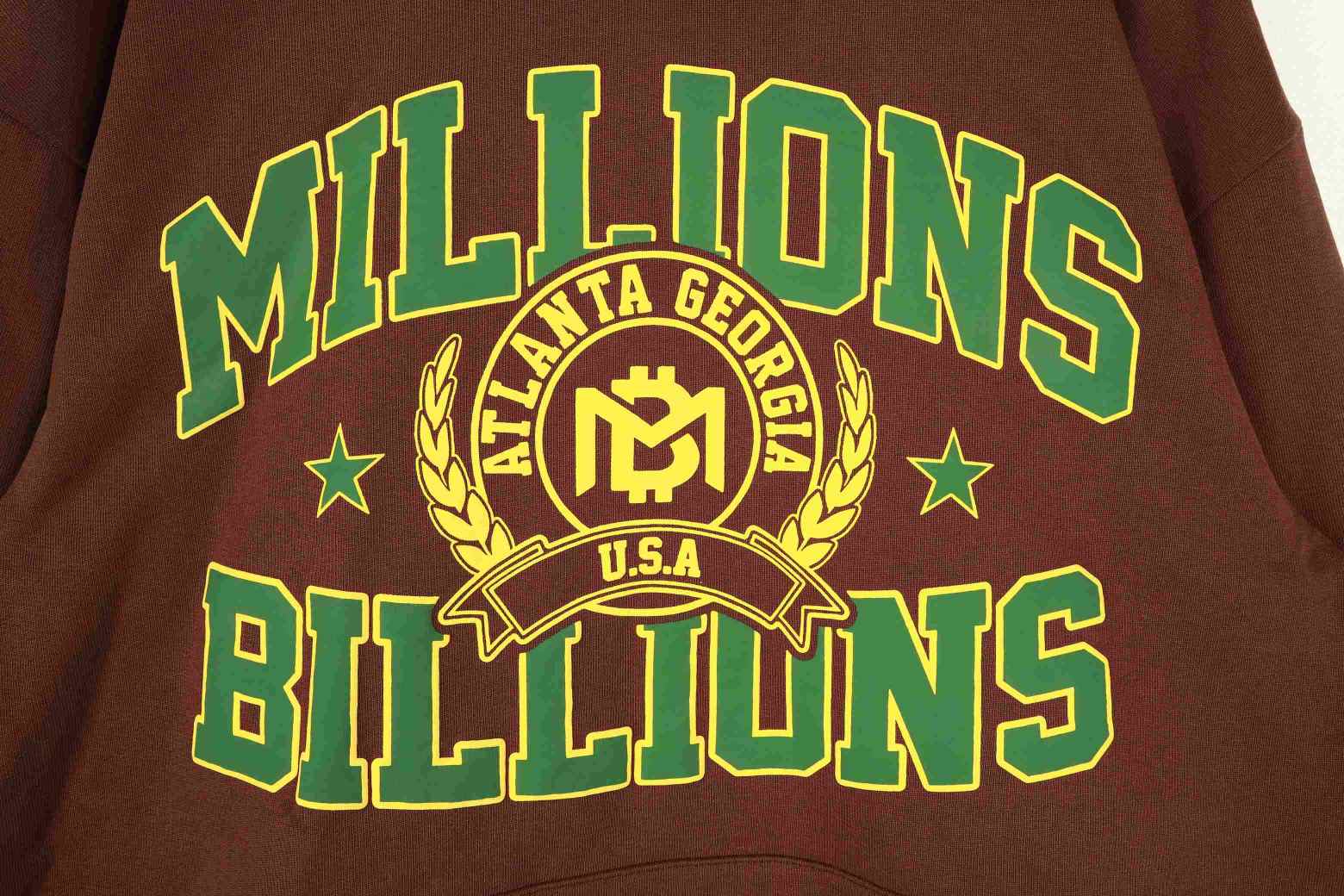
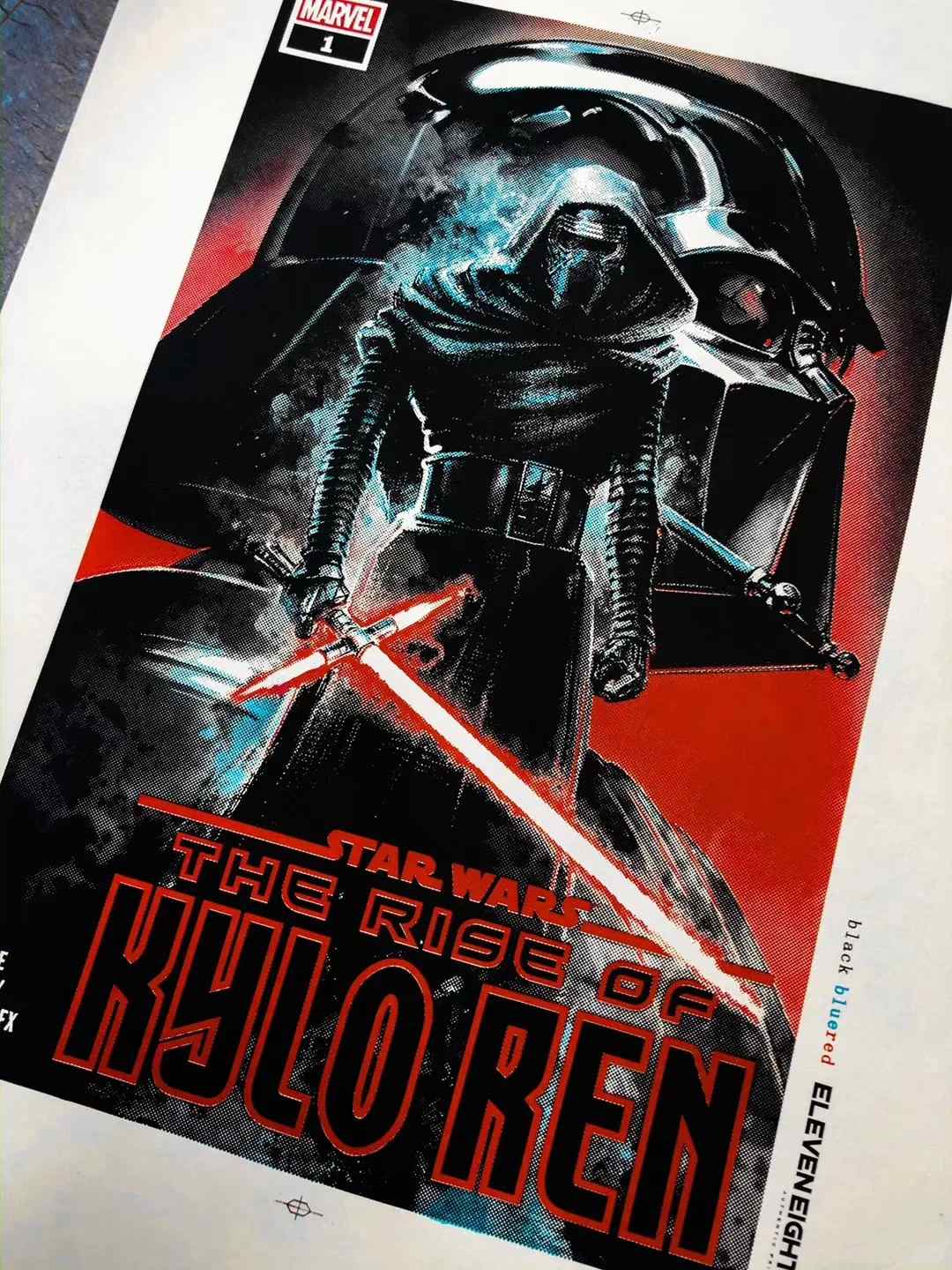
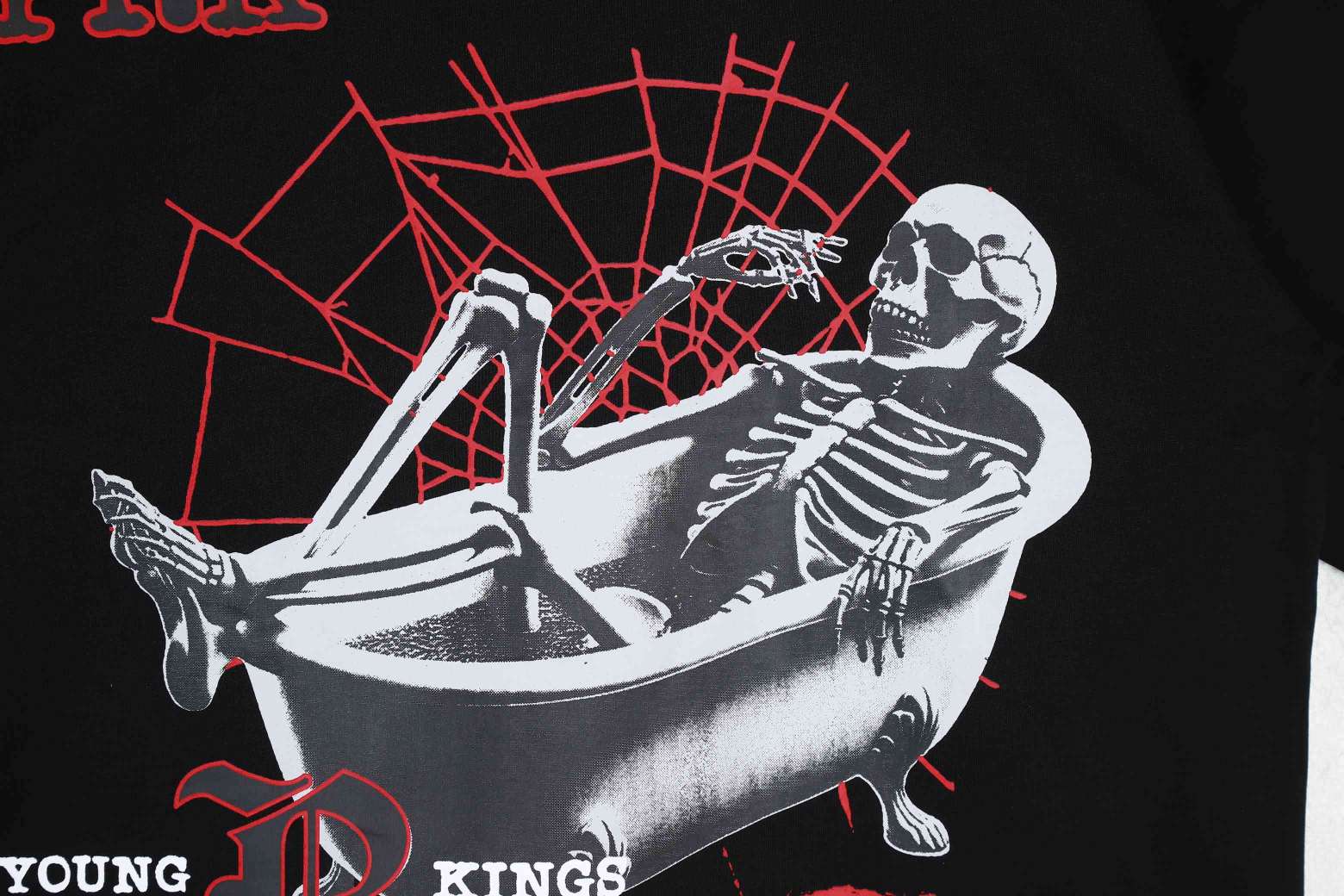
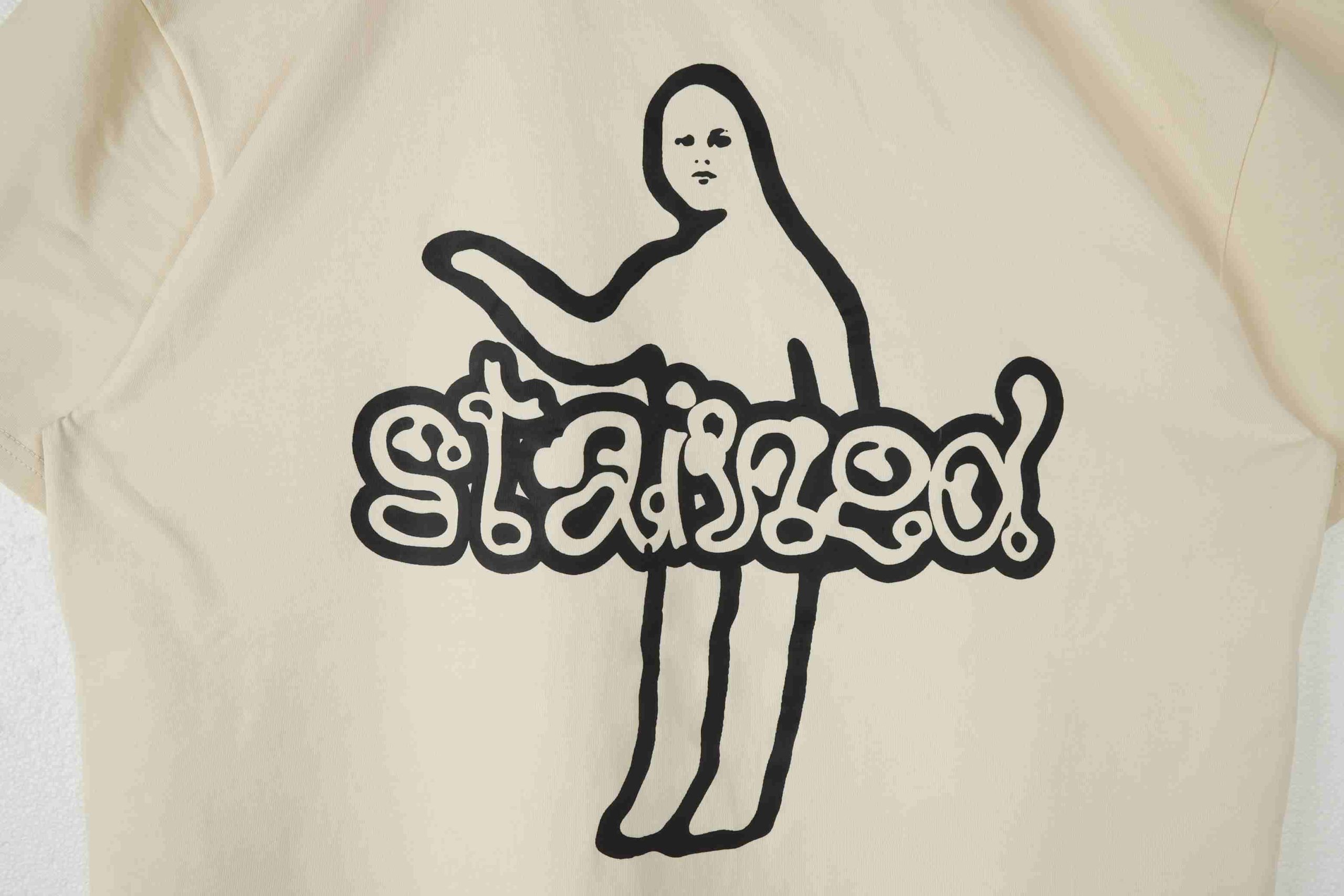
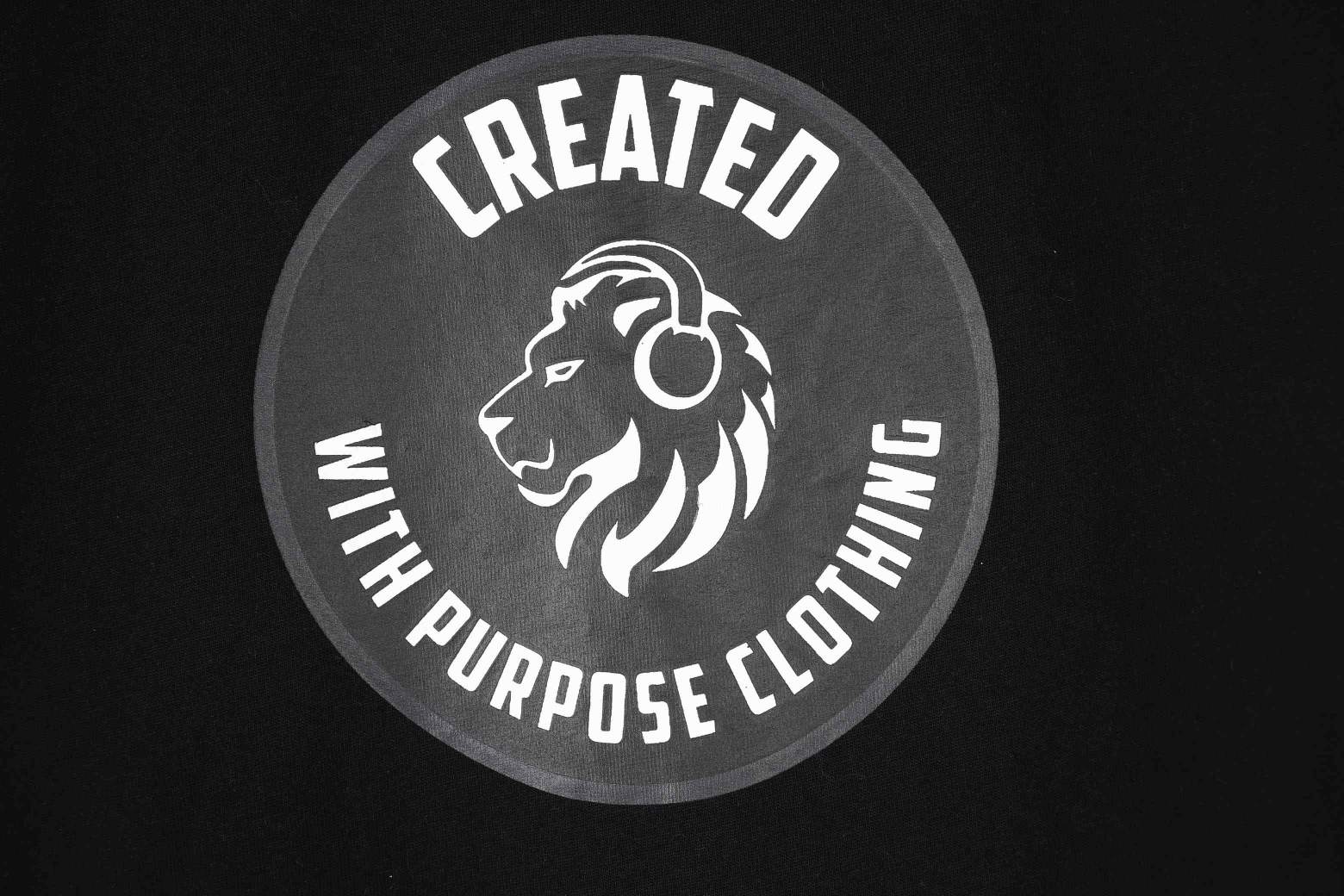
What Makes Plastisol Screen Printing Distinctive
ZORWILD’s plastisol screen printing delivers unmatched durability, vibrant colors, and professional finish quality that sets your brand apart from competitors using alternative decoration methods.
Superior Opacity on Dark Fabrics
Plastisol ink sits on top of fabric fibers, delivering brilliant white and bright colors on black, navy, and dark garments without bleeding or fading.
Exceptional Wash Durability
Properly cured plastisol prints withstand 50+ industrial washes without cracking or color loss, ideal for retail apparel and high-use merchandise.
Vibrant Color Saturation
Achieve bold, eye-catching graphics with rich pigment density and consistent color matching across every piece in your production run.
Raised Tactile Finish
Plastisol creates a dimensional, textured hand feel that adds premium quality perception and streetwear authenticity to your designs.
Universal Garment Compatibility
Works flawlessly on cotton, polyester blends, fleece, hoodies, T-shirts, sweatshirts, jackets, and virtually any woven or knit fabric.
Fast Production Turnaround
Screen printing scales efficiently from 50-piece startups to 10,000+ unit runs with ZORWILD’s 100,000+ monthly production capacity and streamlined workflows.
Screen Printing Techniques u0026 Related Capabilities
Custom Screen Printing
Custom screen printing delivers high-durability graphics with excellent color vibrancy and opacity across cotton, polyester, and blended fabrics. ZORWILD’s 27-year expertise ensures precise registration, consistent ink coverage, and production scalability from 50-piece startup runs to 100,000+ monthly capacity for streetwear brands, wholesalers, and established labels.
Request a Quote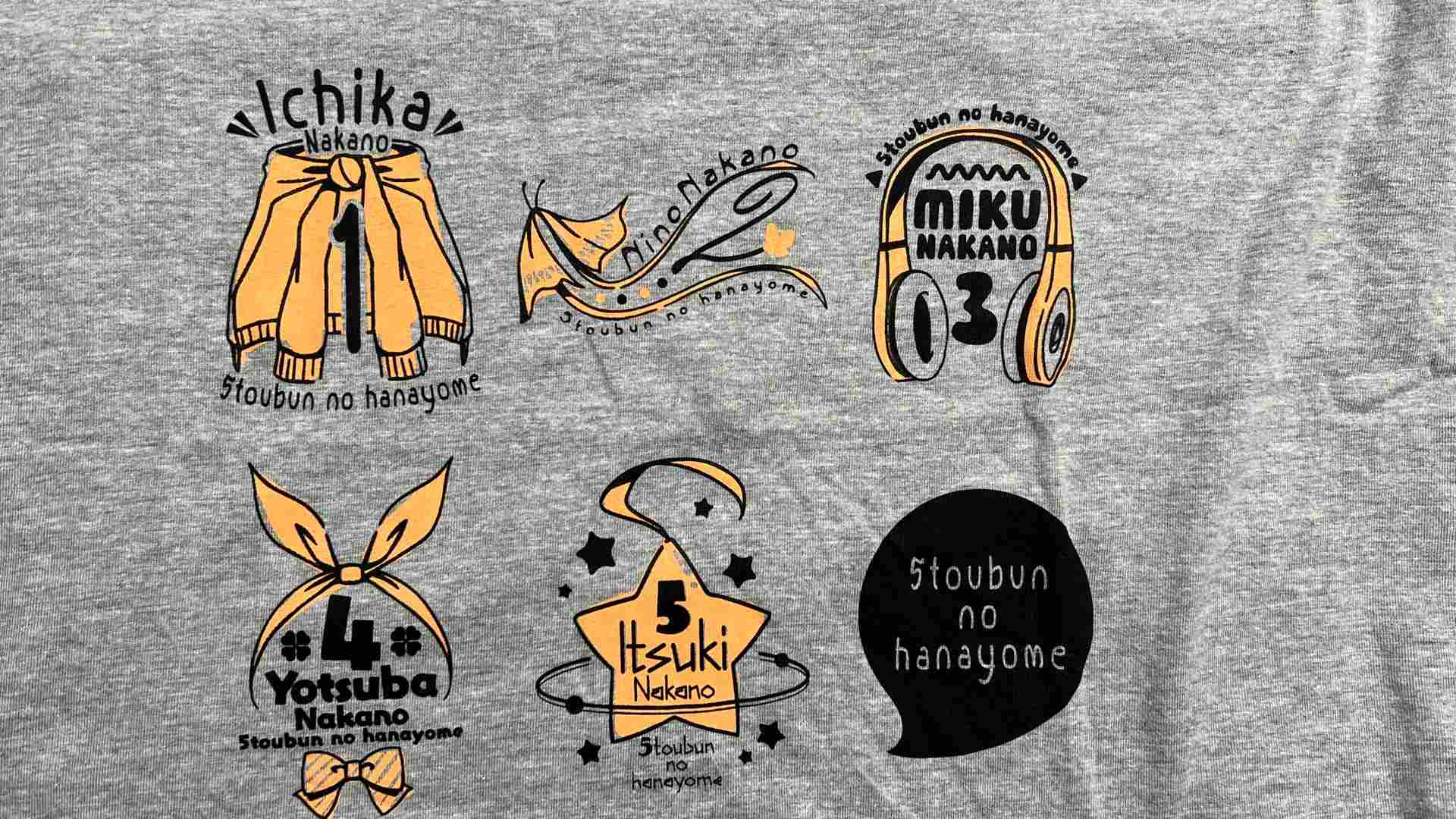
Puff Printing
Custom puff printing creates raised, dimensional graphics that add tactile texture and premium streetwear aesthetics to hoodies, T-shirts, and sweatshirts. Our in-house puff print capabilities support bold logos, text effects, and layered designs with controlled expansion, smooth edges, and durability through repeated washing for fashion-forward collections.
Request a Quote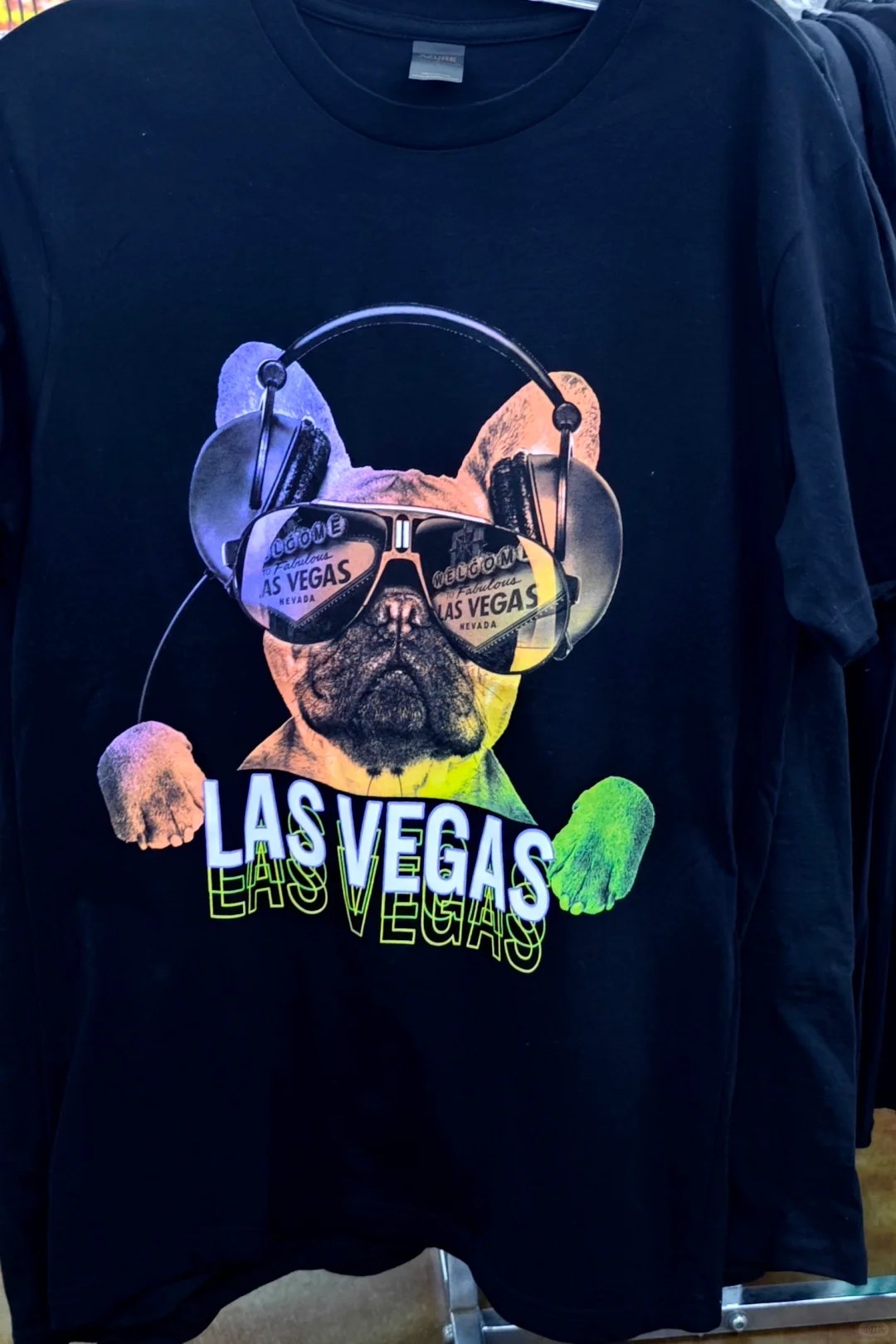
Water-Based Printing
Water-based screen printing penetrates fabric fibers for an ultra-soft hand feel and breathable finish ideal for premium T-shirts, organic cotton garments, and eco-conscious brands. This technique delivers vibrant colors on light fabrics, vintage aesthetics, and comfortable wear without the heavy plastisol feel, supporting sustainable fashion positioning.
Request a Quote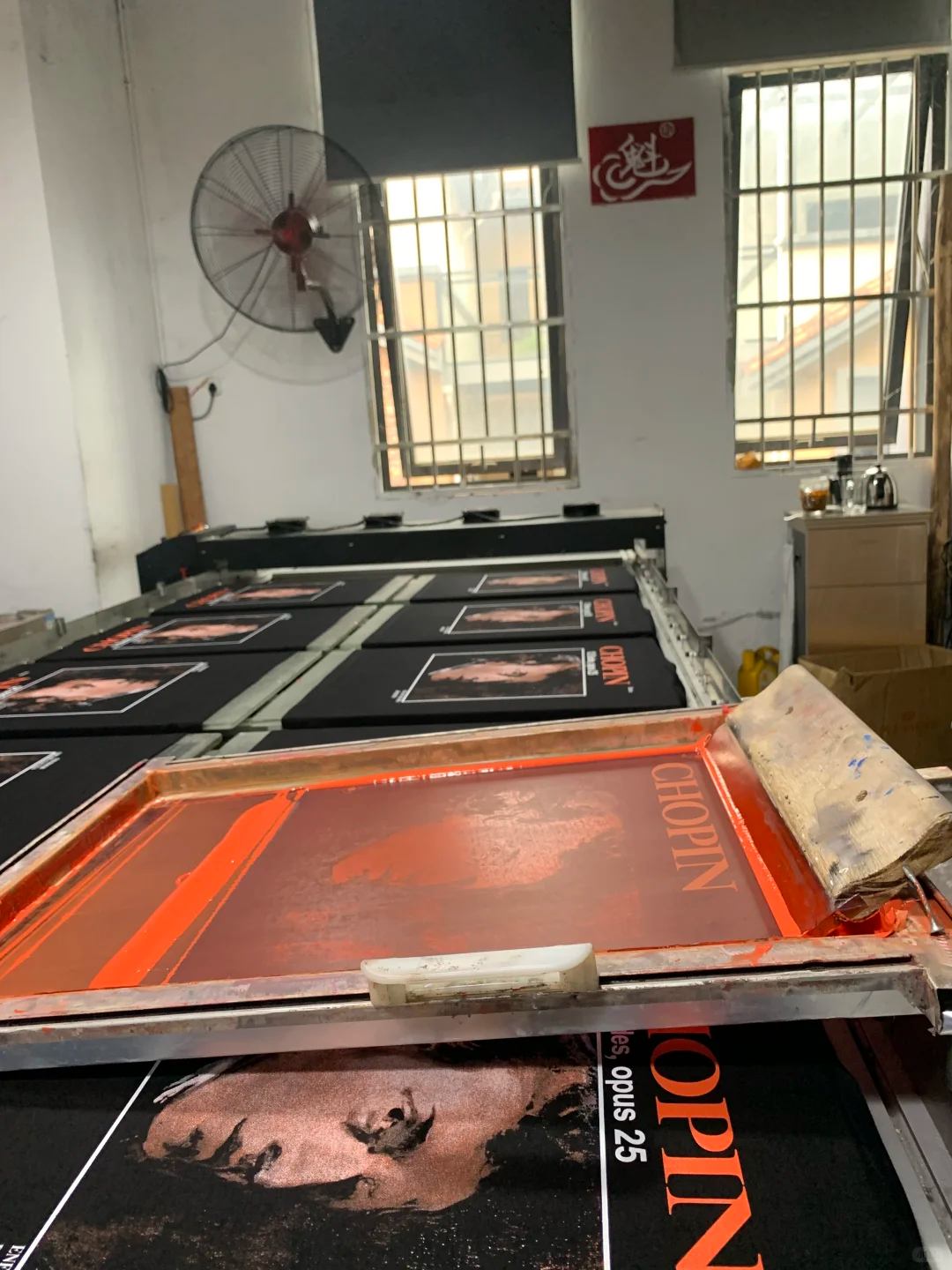
Flocking Printing
Flock printing applies short textile fibers to create a soft, velvety surface texture with rich depth and luxurious tactile quality. Perfect for fashion hoodies, varsity jackets, and premium casualwear, flocking adds dimensional interest to logos, lettering, and decorative elements while maintaining excellent wash durability and color retention.
Request a Quote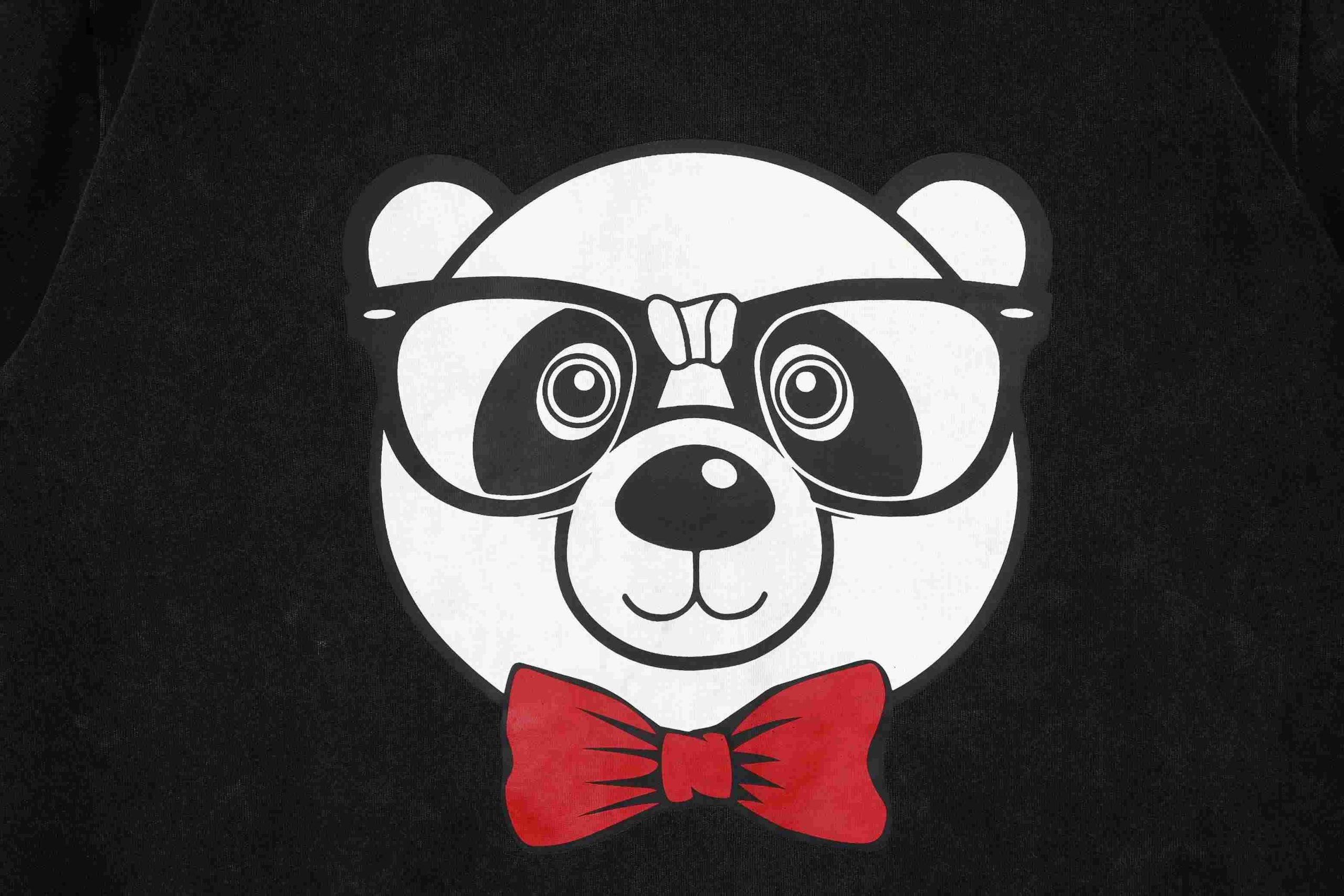
Silicone Printing
Silicone screen printing produces flexible, raised graphics with a smooth rubber-like finish and high-gloss appearance. Ideal for athletic wear, technical garments, and contemporary streetwear, silicone prints offer stretch compatibility, waterproof properties, and three-dimensional branding that withstands rigorous use and maintains visual impact through laundering cycles.
Request a Quote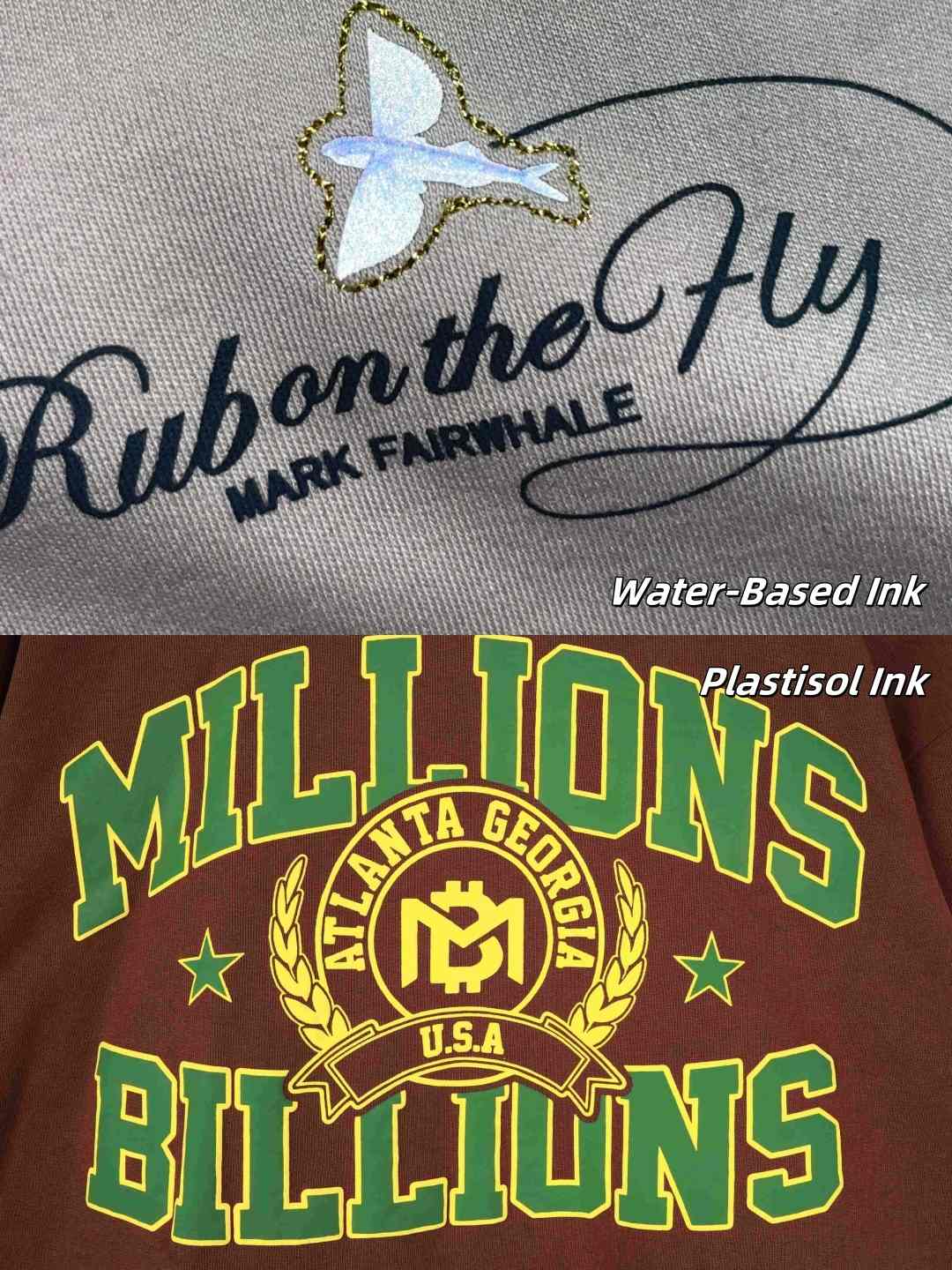
High-Density Printing
High-density screen printing builds thick, raised ink layers that create bold, tactile graphics with striking visual dimension. This technique suits varsity jackets, heavyweight hoodies, and statement streetwear pieces where pronounced logos and text demand attention. ZORWILD controls ink viscosity, cure temperatures, and layer thickness for consistent premium results.
Get a Quote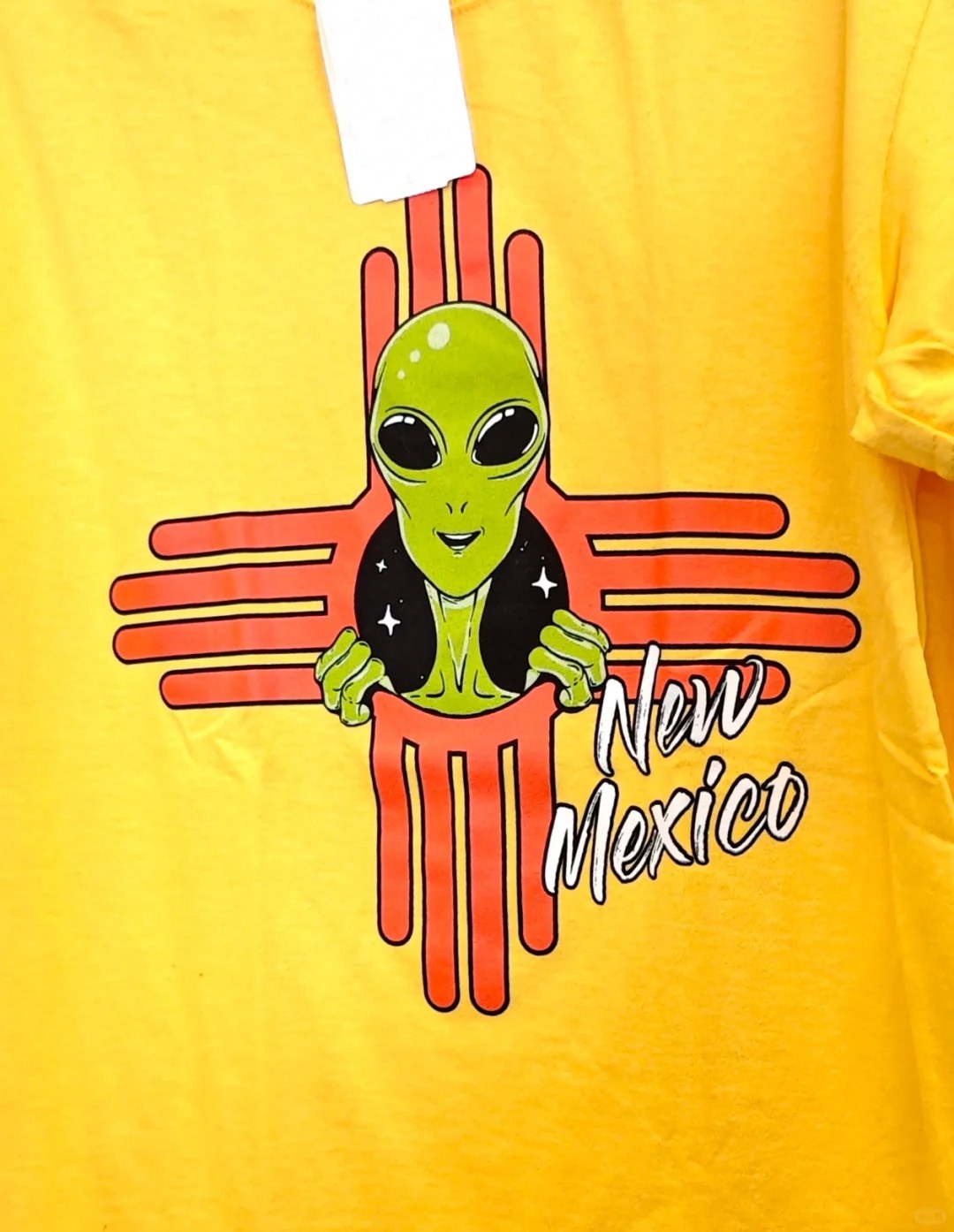
Foil Printing
Foil printing applies metallic or holographic finishes that deliver eye-catching shine and luxury appeal to fashion garments. Heat-activated foil adheres to printed adhesive bases, creating reflective gold, silver, rose gold, or iridescent effects on T-shirts, hoodies, and dresses. Our process ensures clean edges, full coverage, and durable bonding.
Get a Quote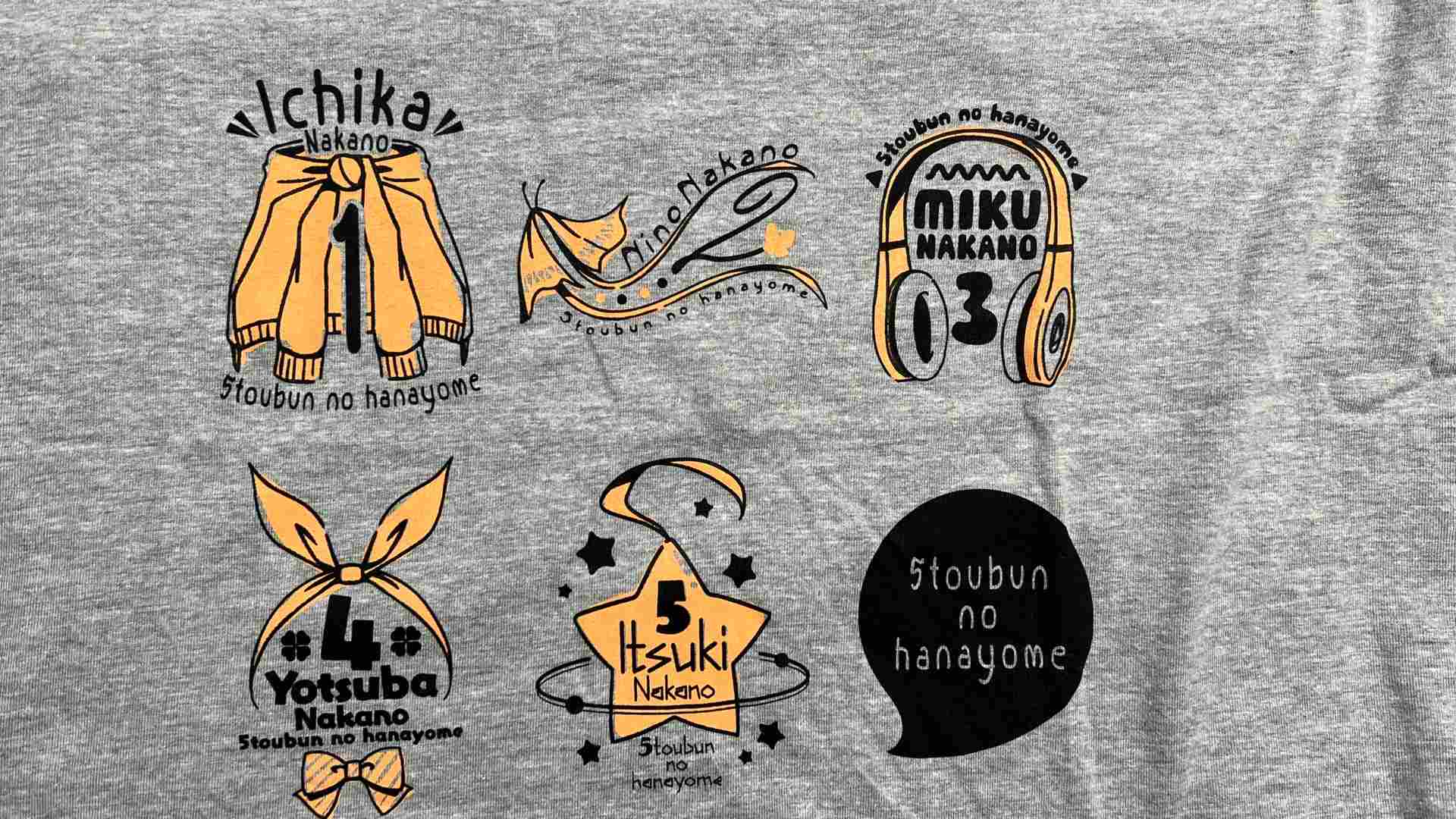
Discharge Printing
Discharge printing removes existing fabric dye and replaces it with new color, creating soft, breathable graphics that feel like the base fabric itself. Best suited for dark cotton garments, discharge printing achieves vintage aesthetics, subtle tone-on-tone effects, and superior comfort compared to traditional plastisol, ideal for premium T-shirt collections.
Get a Quote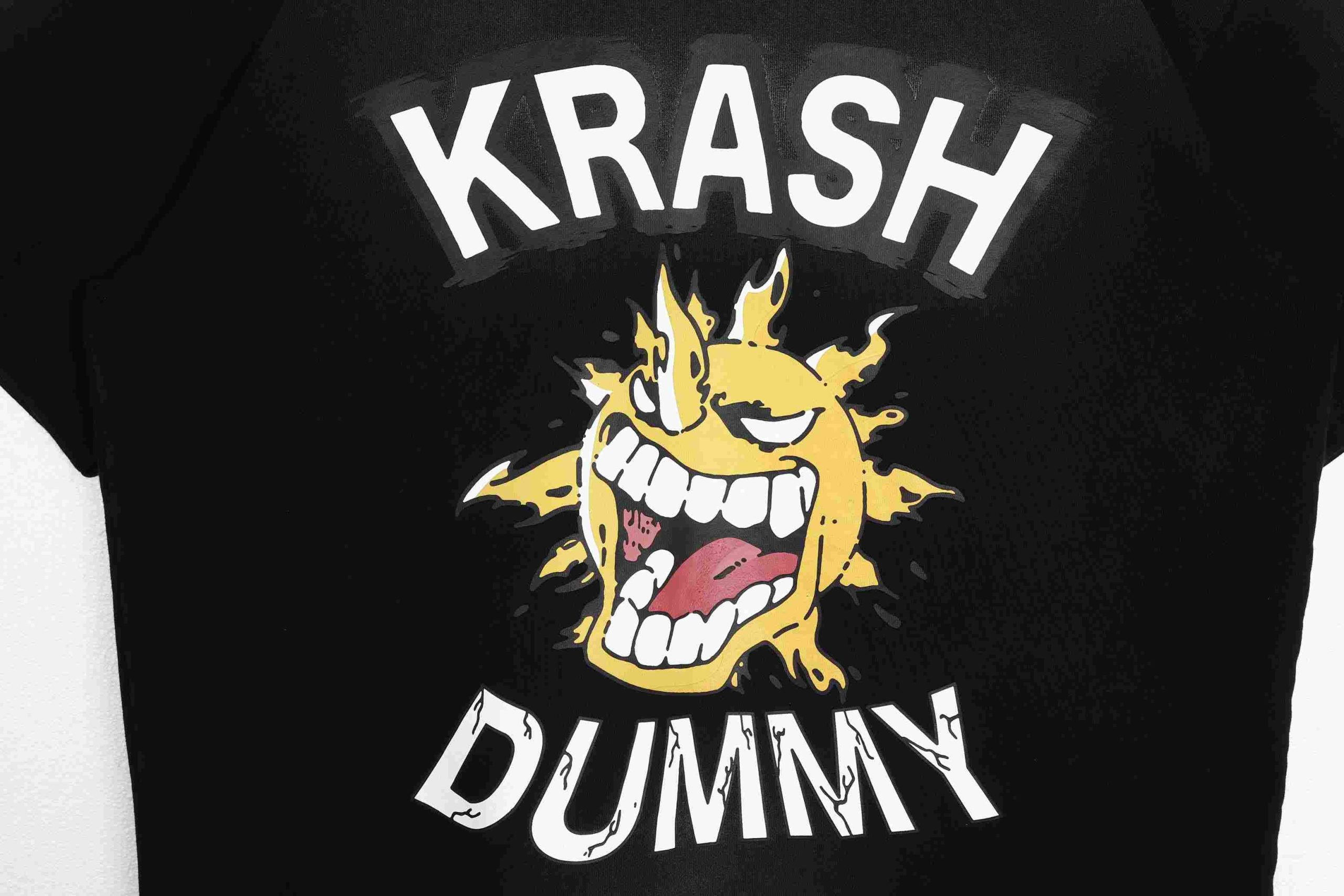
Custom Shirts
Custom shirts span casual shirts, Hawaiian shirts, resort shirts, bowling shirts, and fashion cut-and-sew styles manufactured with cotton poplin, rayon, linen blends, and performance fabrics. ZORWILD produces custom sizing, full print patterns, embroidery logos, contrast panels, and branded packaging from 50-piece MOQ with complete design and tech pack support.
Get a Quote27 Years of Plastisol Screen Printing Expertise
Founded in 1998 in Humen, Dongguan—one of the world’s premier garment manufacturing hubs—ZORWILD has built deep expertise in plastisol screen printing for streetwear, athletic apparel, and branded collections. Our founder learned every stage of garment decoration from the ground up, ensuring that every print meets the durability, vibrancy, and hand-feel standards that professional brands demand.
Today, ZORWILD operates a modern plastisol screen printing facility equipped with precision screens, commercial-grade curing ovens, and high-opacity plastisol inks sourced from certified suppliers. We support low MOQ production starting at just 50 pieces, making plastisol screen printing accessible to startup brands, influencers, and established labels alike. Our six-stage quality control system inspects ink adhesion, color consistency, and cure completion on every garment.
With a monthly production capacity exceeding 100,000 units and more than 95% of decoration techniques available in-house, ZORWILD delivers plastisol screen printing that stands up to repeated washing, maintains bold color, and scales seamlessly from samples to bulk orders. We’ve served over 2,000 clothing brands worldwide, combining traditional craftsmanship with modern efficiency.
Plastisol Screen Printing Chemistry u0026 Curing Precision
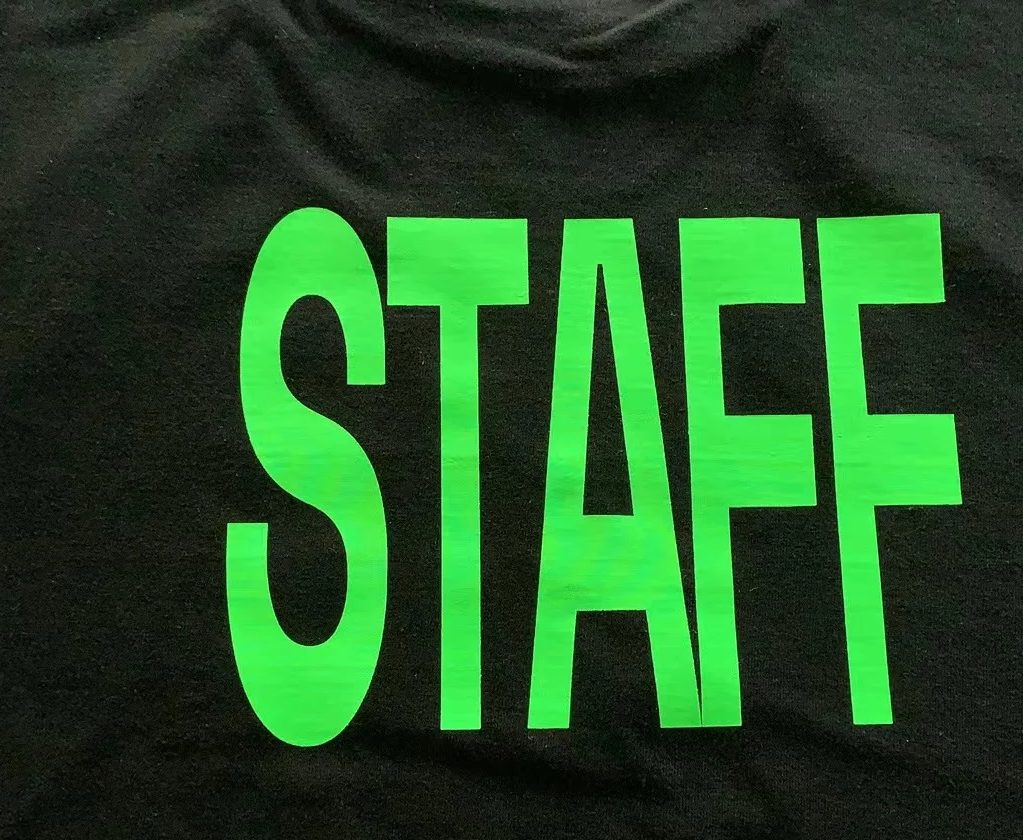
Premium Plastisol Ink Formulation
ZORWILD uses professional-grade plastisol inks engineered for opacity, vibrancy, and wash durability. Our ink formulations are tested across cotton, polyester blends, and performance fabrics to ensure consistent color performance and hand feel across every production run.
- High-pigment plastisol inks for rich, opaque coverage on dark and light garments
- Phthalate-free formulations compliant with international safety and textile standards
- Custom Pantone color matching for exact brand color reproduction
- Specialty inks including puff, metallic, glow-in-the-dark, and high-density options
Mesh Count u0026 Registration Control
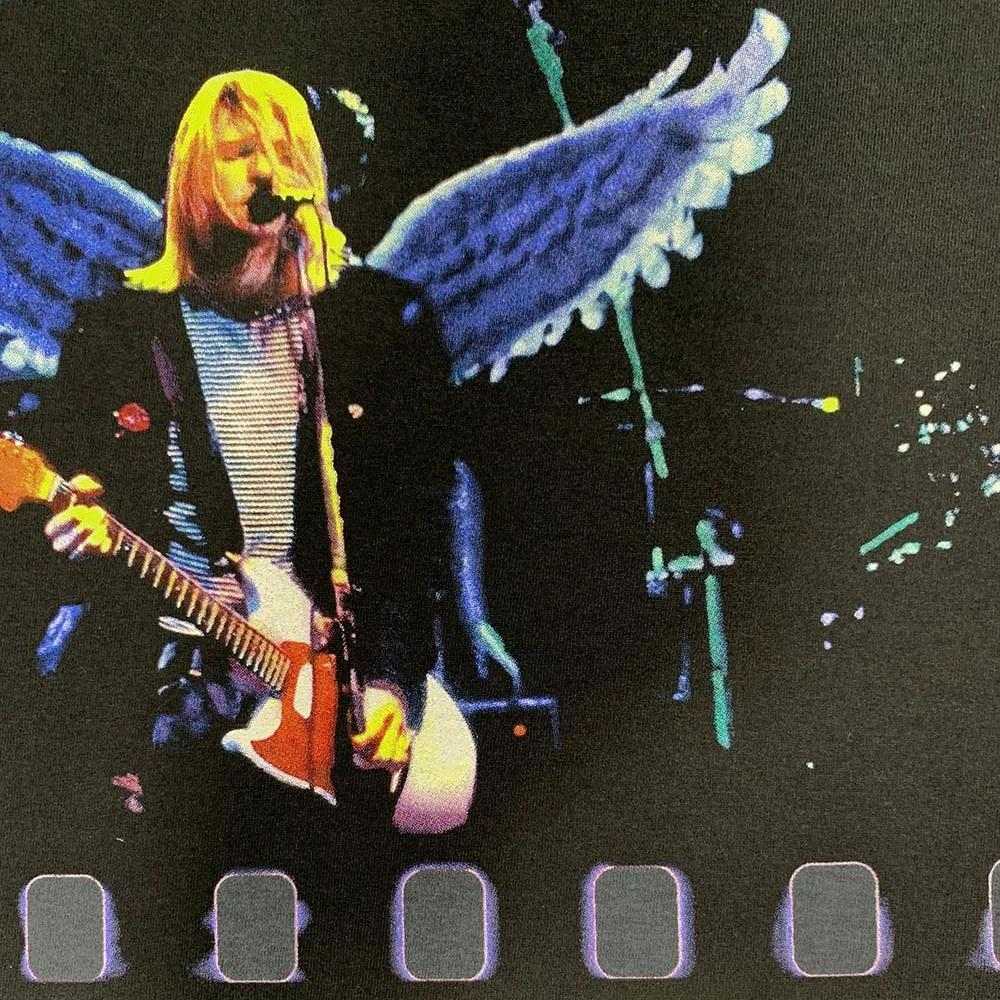
Precision mesh selection and registration alignment are critical to plastisol screen printing quality. Our technicians calibrate mesh count from 110 to 305 threads per inch based on ink type and design detail, ensuring sharp edges and consistent ink deposit thickness.
- 110–160 mesh for high-density and puff prints with maximum ink deposit
- 200–230 mesh for standard plastisol prints balancing detail and durability
- 305 mesh for fine halftones, gradients, and intricate multi-color designs
- Registration tolerance held within ±0.5mm across all color layers
Curing Temperature u0026 Time Precision
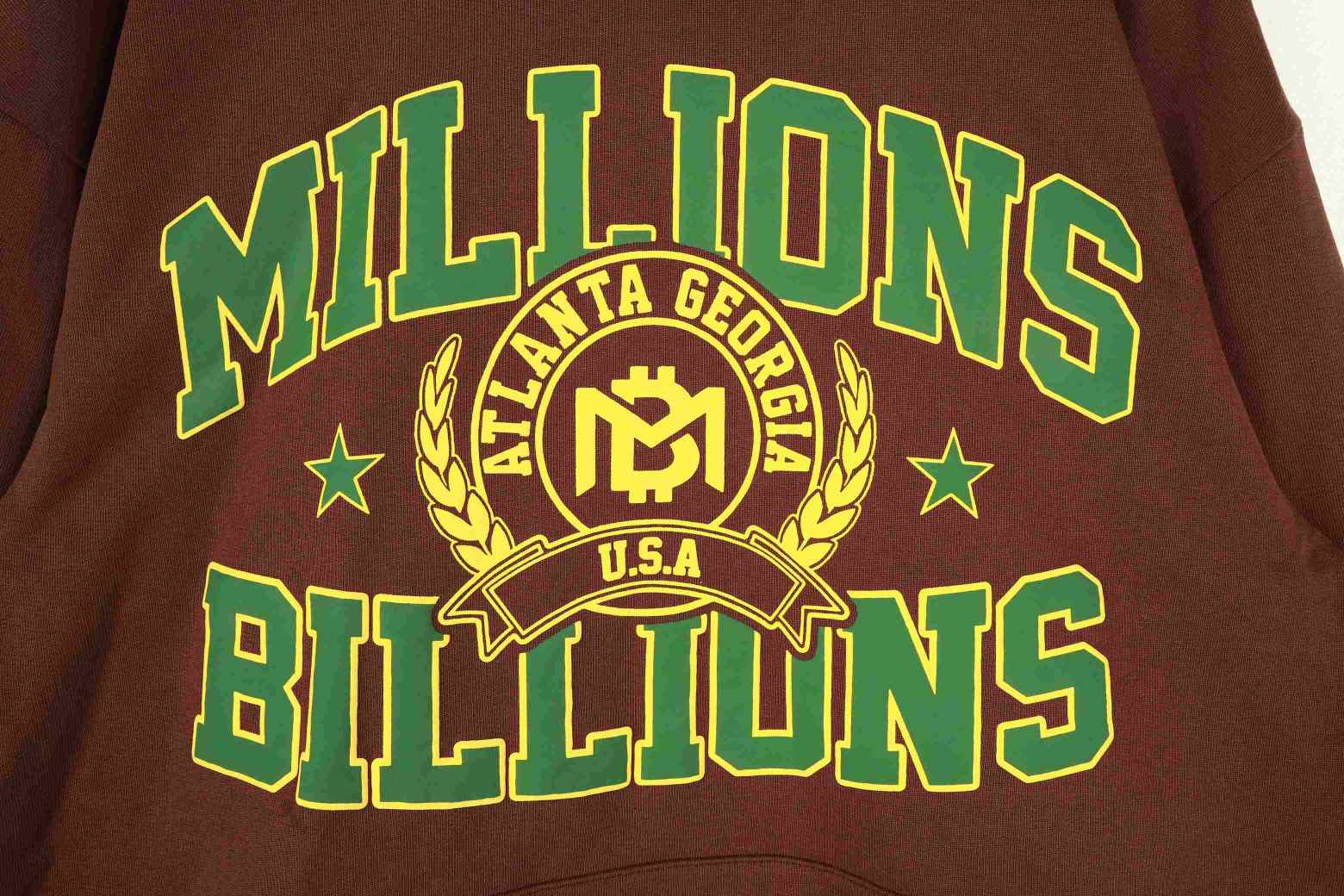
Proper curing is essential for plastisol durability and wash resistance. ZORWILD operates industrial conveyor dryers with digital temperature monitoring, ensuring every garment reaches the optimal 320°F plastisol cure temperature for complete polymer cross-linking and long-term performance.
- Conveyor dryers calibrated to 320–330°F for full plastisol ink cure
- Temperature sensors and timers ensure consistent dwell time across production batches
- Under-cure prevention protocols protect against cracking and premature fading
- Post-cure quality checks verify ink adhesion and stretch performance
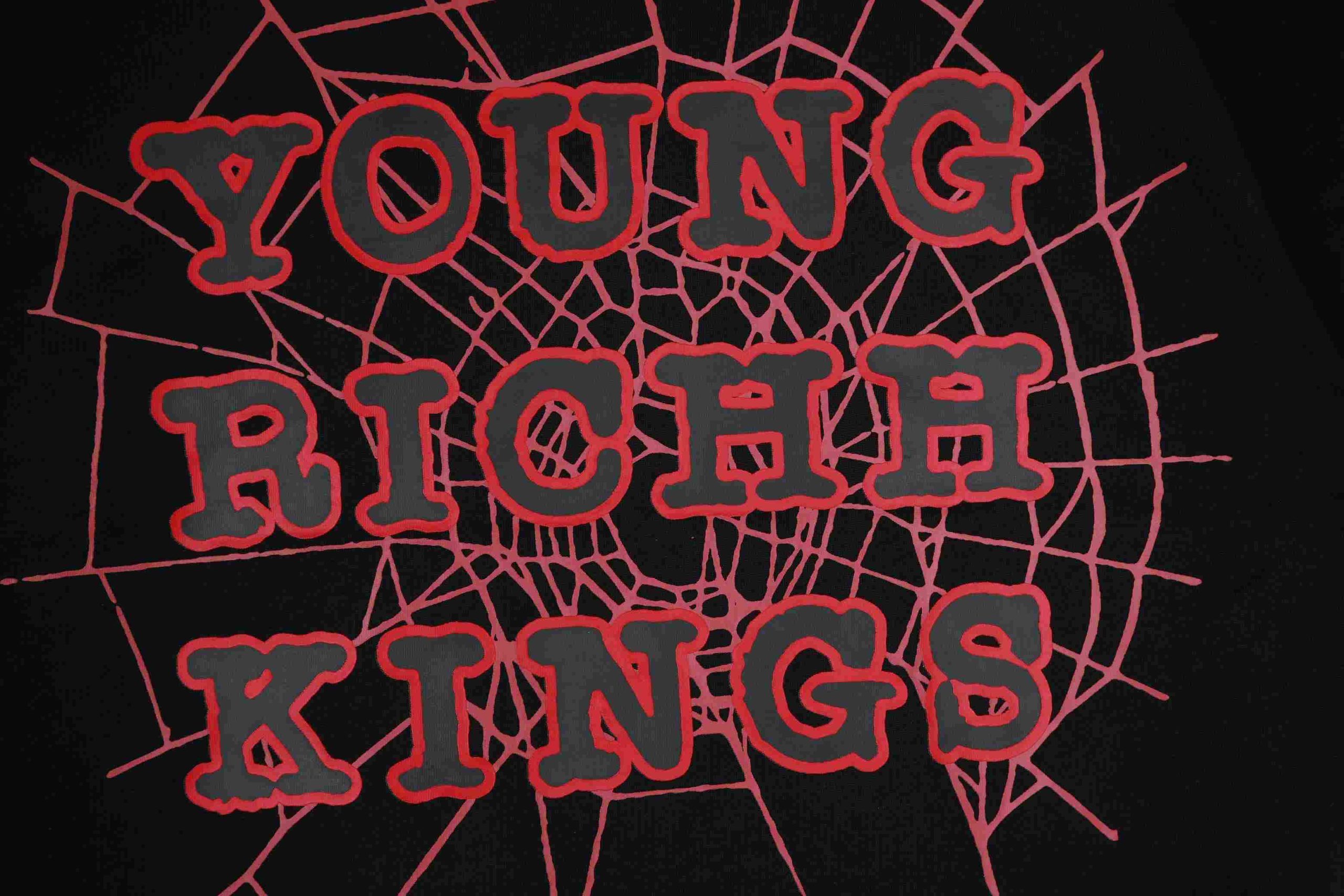
Durability u0026 Wash Testing Standards
Every plastisol screen printing project undergoes rigorous durability testing before bulk production approval. We simulate commercial laundering cycles, abrasion resistance, and color fastness to guarantee prints withstand 50+ industrial washes without cracking, fading, or peeling.
- 50+ wash cycle testing using AATCC standards for colorfastness and durability
- Stretch and flex testing on knit fabrics to prevent ink cracking
- Rub and abrasion resistance testing for high-wear garment areas
- Pre-production sample approval ensures print quality matches brand expectations
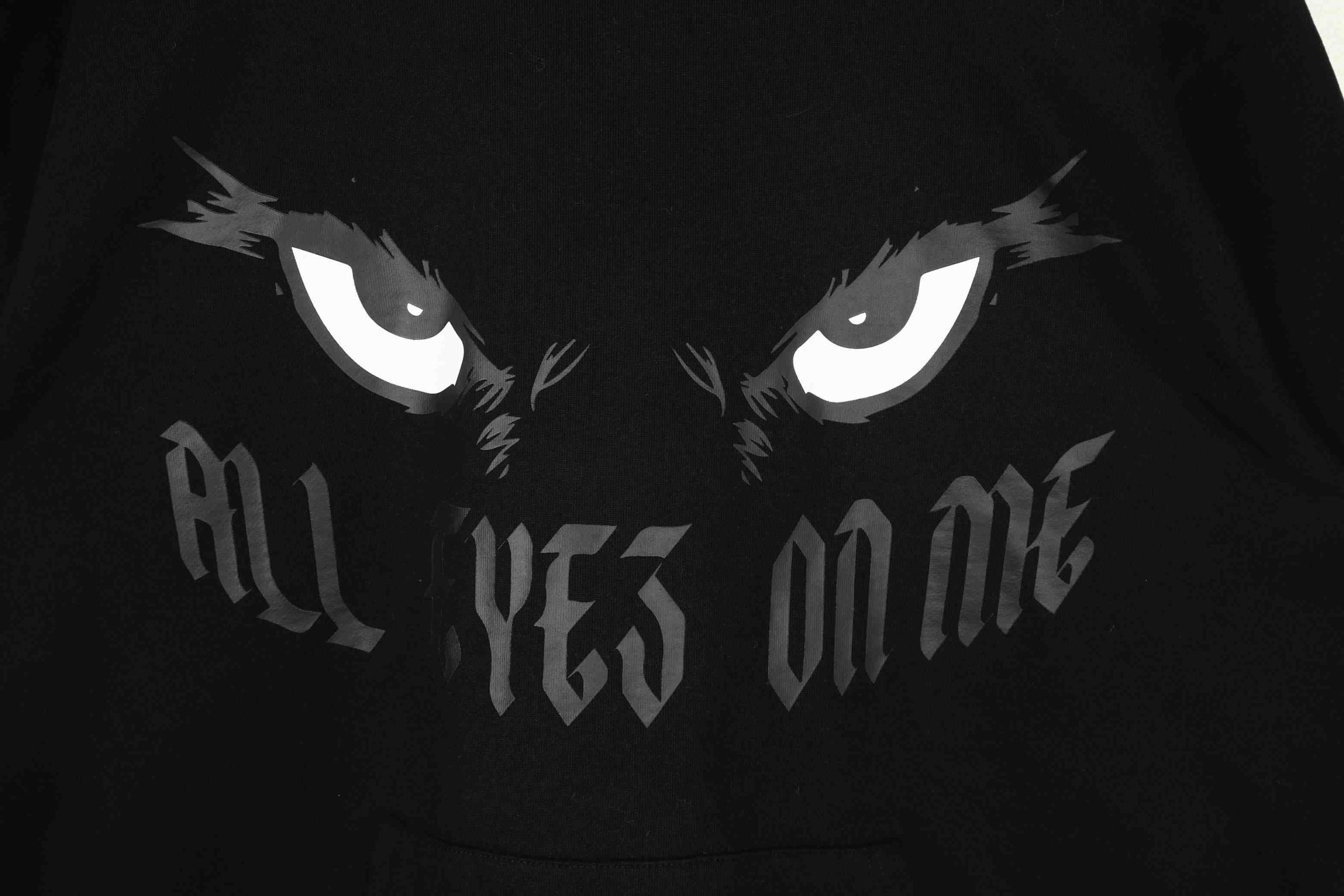
Plastisol Screen Printing vs. Water-Based Screen Printing
Understanding the key differences helps you choose the right printing technique for your apparel collection. ZORWILD supports both processes with 27 years of screen printing expertise and 95%+ decoration techniques in-house.
← 左右滑动查看 →
Plastisol Screen Printing Production Flow
Our 27-year refined process ensures precise registration, optimal ink viscosity, and complete curing at every stage—from artwork preparation through final quality inspection.
Art Prep u0026 Screen Creation
Design files are color-separated and burned onto mesh screens with precise tension calibration. Each screen is inspected for emulsion integrity and registration accuracy before production begins.
Ink Mixing u0026 Viscosity Control
Plastisol inks are custom-mixed to match your Pantone specifications. Viscosity is tested and adjusted to ensure smooth flow, sharp edges, and consistent deposit thickness across all prints.
Registration u0026 Print Application
Garments are loaded onto platens with registration guides. Each color layer is applied in sequence with careful alignment checks, ensuring crisp multi-color registration and uniform ink coverage.
Curing u0026 Temperature Validation
Printed garments pass through industrial conveyor dryers at controlled temperatures between 320–330°F. Infrared sensors verify complete plastisol ink cure to guarantee wash durability and colorfastness.
Quality Inspection u0026 Finishing
Every piece undergoes visual inspection for print clarity, color accuracy, registration alignment, and cure quality. Approved garments are folded, labeled, and prepared for packaging per your brand specifications.
Packaging u0026 Shipment Prep
Finished products are packed with custom labels, hang tags, and polybags. Final carton counts are verified, export documentation prepared, and shipments coordinated to meet your delivery timeline.
How to Order Plastisol Screen Printing from ZORWILD
From design submission to bulk production, our streamlined plastisol screen printing process ensures your apparel graphics meet professional quality standards with fast turnaround times and low 50-piece MOQs.
Submit Your Design Files
Send vector artwork, color separations, or reference images. Our team reviews art files for plastisol screen printing compatibility and recommends ink colors and mesh counts.
Approve Pre-Production Sample
We produce a physical sample with your exact plastisol ink formula, screen setup, and garment base. Review print quality, color accuracy, and hand feel before production.
Confirm Production Specifications
Finalize quantities, garment styles, print placement, curing temperature, and delivery timeline. Our production team prepares screens and schedules your plastisol screen printing run.
Quality Control and Shipment
Every printed garment passes our six-stage quality inspection for ink adhesion, color consistency, and cure quality. Approved orders are packed and shipped globally with tracking.
Brands Trust ZORWILD for Plastisol Screen Printing
Our streetwear collection required vibrant reds and blacks that could survive heavy washing. After 50+ wash cycles, ZORWILD’s plastisol prints still look flawless—zero cracking or fading. The color accuracy matched our Pantone specs perfectly.
We launched with just 100 hoodies using plastisol screen printing. ZORWILD delivered samples in 7 days and final production in 3 weeks—on schedule and within budget. The ink opacity on our dark garments exceeded our expectations completely.
Switching to ZORWILD’s plastisol process saved us 22% per unit compared to our previous supplier while improving print durability. The detail in our multi-color designs was crisp, and their team guided us through ink selection for athletic wear.
Plastisol Screen Printing: Frequently Asked Questions
What fabrics work best with plastisol screen printing?
What is the minimum order quantity for plastisol screen printing?
How many colors can plastisol screen printing handle per design?
Can I combine plastisol screen printing with embroidery or other decoration techniques?
What is the maximum design size for plastisol screen printing on apparel?
How durable is plastisol screen printing after repeated washing?
What are the lead times for plastisol screen printing orders?
What file formats and specifications do you need for plastisol screen printing?
Is there a sampling cost for plastisol screen printing projects?
The Complete Buyer’s Guide to Plastisol Screen Printing for Your Brand
1. What Is Plastisol Screen Printing?
Plastisol screen printing is a textile decoration method that uses PVC-based ink suspended in a plasticizer, creating a layer that sits on top of fabric rather than soaking into fibers. The ink is pushed through a fine mesh screen using a squeegee, depositing the design onto garments, then heat-cured at temperatures between 160°C and 180°C (320°F to 356°F) to permanently bond the print. This thermoplastic ink remains workable at room temperature and only solidifies when exposed to heat, making it forgiving for high-volume production runs.nnPlastisol screen printing accounts for approximately 60% to 70% of all commercial apparel decoration worldwide because it delivers exceptional opacity, vibrant color saturation, and durability across cotton, polyester blends, and synthetic fabrics. The ink remains stable on the screen for hours without drying, allowing manufacturers like ZORWILD to run large orders of 500 to 10,000 units efficiently with minimal downtime or waste. Setup costs are lower per unit as order quantities increase, making plastisol ideal for wholesale and brand production.nnWater-based inks soak into fabric fibers for a softer hand feel but require faster printing speeds and offer less opacity on dark garments. Discharge inks remove existing dye and replace it with color, creating ultra-soft prints but only working on 100% cotton fabrics that have been reactive-dyed. Plastisol offers the widest fabric compatibility, longest screen life, brightest color range, and most predictable results for bulk apparel orders, which is why it remains the industry standard for brands requiring consistent quality across thousands of units.
2. Evolution and History of Plastisol Screen Printing
Plastisol screen printing emerged in the early 1960s when polymer chemists developed PVC-based inks that required no water or solvent evaporation, only heat curing at 320–330°F. Unlike traditional water-based inks that soaked into fabric and faded quickly, plastisol sat atop the garment surface, delivering bold opacity and wash durability that revolutionized the promotional apparel industry. By the mid-1970s, major sportswear brands adopted plastisol for team uniforms and league merchandise because it could print vibrant multi-color designs on dark polyester and cotton blends without color bleeding.nnThe 1980s and 1990s saw rapid improvements in curing technology, with conveyor dryer systems replacing manual heat presses and enabling production speeds exceeding 200 dozen pieces per hour in commercial print shops. This scalability made plastisol the dominant choice for corporate promotional apparel, event merchandise, and branded workwear across North America and Europe. Screen printers valued plastisol’s long open time on screens, consistent viscosity, and minimal setup waste compared to water-based alternatives.nnSince 2010, regulatory pressure and brand sustainability commitments have driven the adoption of phthalate-free plastisol formulations that meet CPSIA standards for children’s apparel and eliminate reproductive toxins. Legacy brands continue to specify plastisol screen printing for high-volume orders because modern low-cure formulations reduce energy costs, maintain excellent wash fastness beyond 50 industrial laundry cycles, and support complex multi-color graphics that define streetwear and licensed merchandise today.
3. Types of Plastisol Screen Printing Techniques
Plastisol screen printing encompasses six primary technique variants, each delivering distinct visual and tactile effects. Understanding these options helps buyers align decoration style with brand positioning, product category, and budget constraints.
Standard Plastisol

Standard plastisol delivers smooth, opaque prints with excellent color vibrancy and wash durability up to 50+ cycles. This workhorse technique suits graphic tees, promotional wear, and fashion casualwear where bold logos and artwork require sharp edges and consistent coverage.nnMOQ typically starts at 50 pieces per design at ZORWILD, with setup costs around $15–$25 per screen depending on color count. Lead time averages 12–18 days for sampling and bulk production combined.
High-Density and Puff Printing
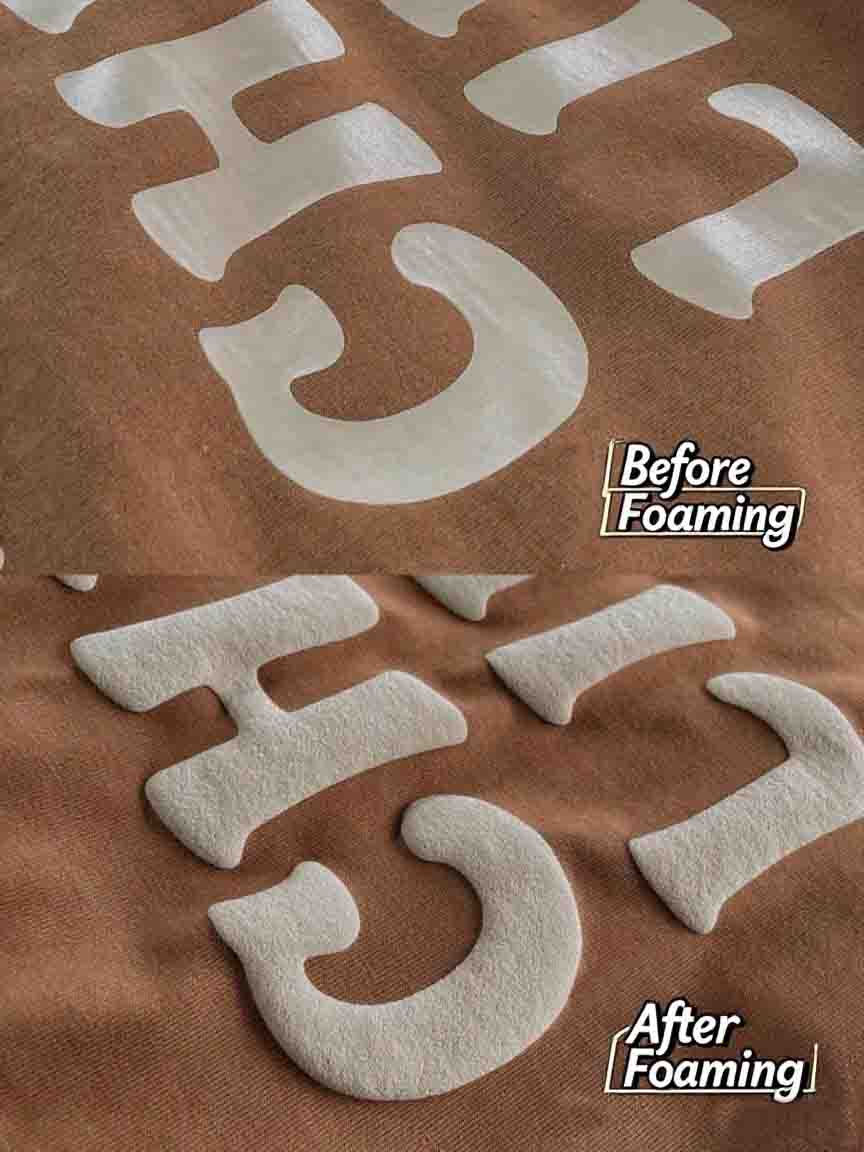
High-density plastisol builds ink layers 2–4 mm above the fabric surface for raised 3D logos and text, popular in streetwear hoodies and premium fashion tees. Puff printing uses heat-activated foam additives that expand during curing, creating a soft, dimensional texture ideal for vintage athletic graphics.nnBoth techniques add $0.30–$0.80 per print location due to multiple ink passes and specialized materials. Minimum order quantities remain at 50–100 pieces for most designs.
Specialty Plastisol Variants
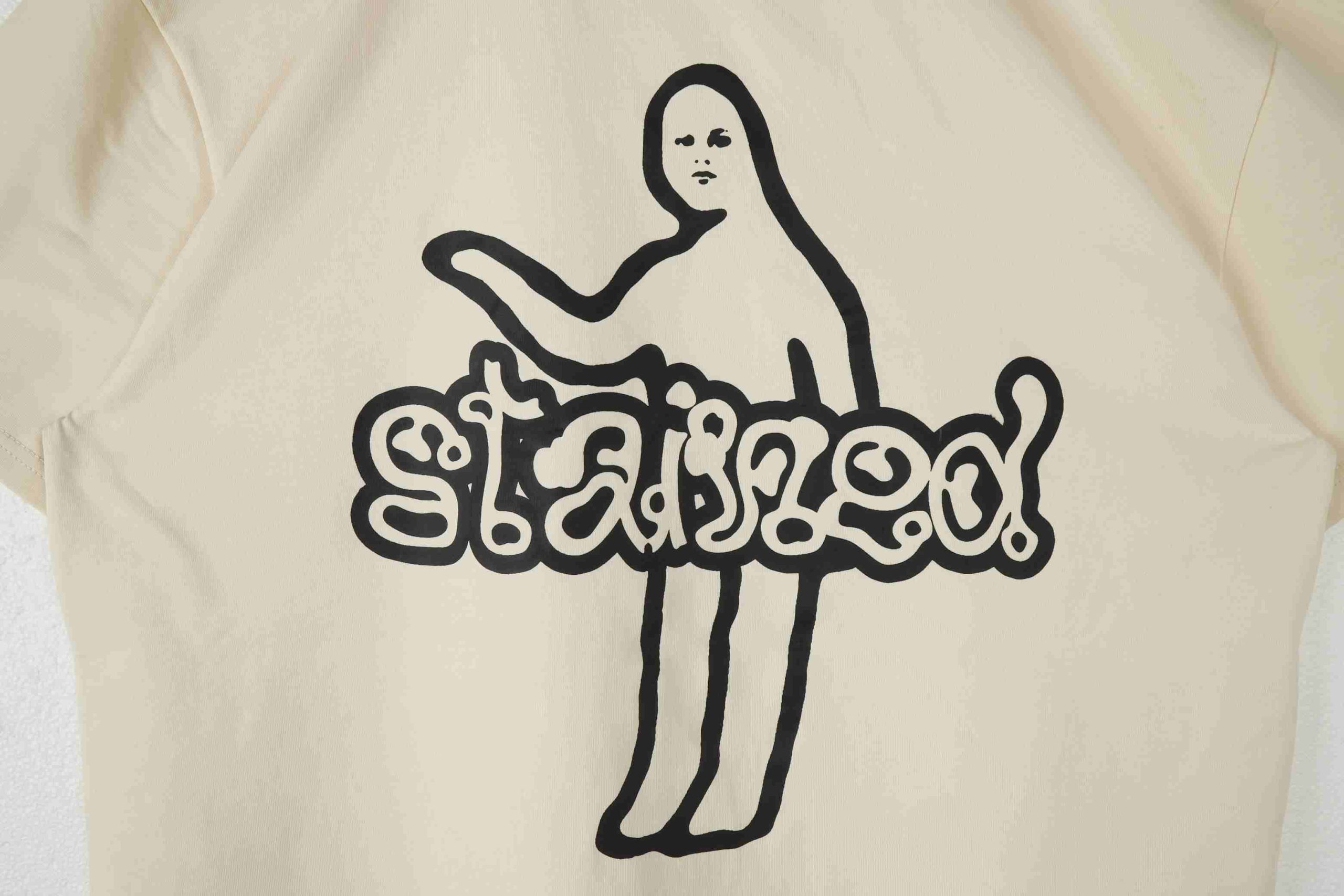
Athletic mesh plastisol incorporates micro-perforations for breathability on sports jerseys and performance tees, maintaining print durability while allowing moisture vapor transfer. Shimmer and metallic plastisol inks contain reflective particles for luxury fashion and nightlife apparel, while glow-in-the-dark formulations serve novelty collections and children’s wear.nnSpecialty inks add $0.20–$0.50 per location and may require 100-piece minimums due to ink preparation and curing adjustments. ZORWILD supports all six plastisol variants with consistent quality control and flexible MOQ structures.
4. Materials and Fabrics Compatible With Plastisol Screen Printing
Fabric selection directly impacts plastisol screen printing adhesion, color vibrancy, and cure performance. Understanding material compatibility ensures optimal print durability and prevents common issues like dye migration or poor ink adhesion.
| Fabric Type | GSM Range | Plastisol Adhesion | Typical Use Cases |
|---|---|---|---|
| 100% Cotton | 180–220 | Excellent | Retail tees, hoodies, fashion collections |
| Polyester | 140–180 | Good (low-bleed ink needed) | Sportswear, activewear, performance apparel |
| Poly-Cotton Blend | 160–200 | Very Good | Workwear, uniforms, promotional tees |
100% Cotton for Maximum Vibrancy
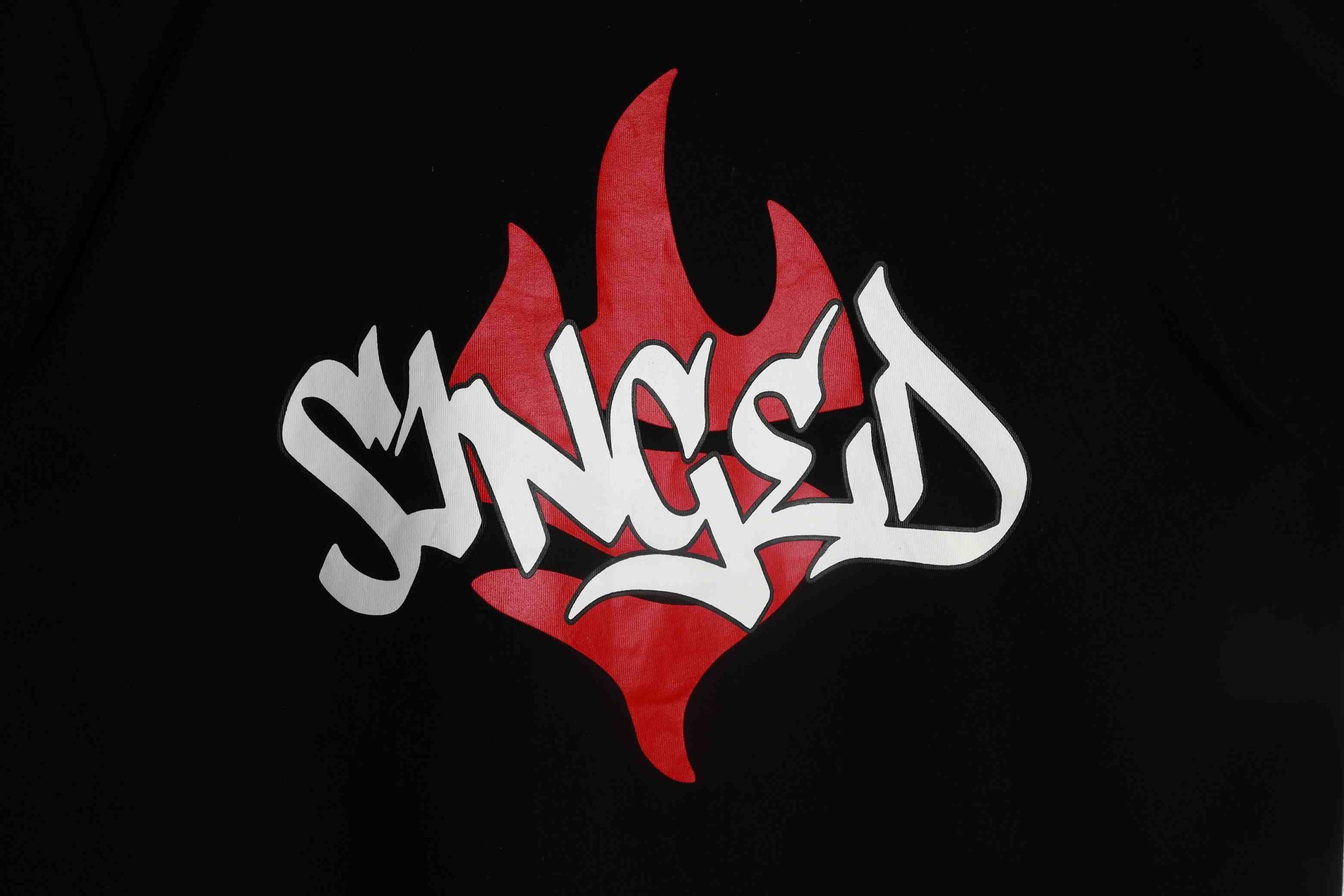
Cotton delivers the brightest plastisol prints because its natural fibers absorb ink and allow excellent mechanical bonding. Ring-spun cotton at 180–220 GSM is ideal for retail tees, hoodies, and fashion collections where color accuracy and soft hand feel matter most.nnNo pre-treatment is required for standard plastisol inks on cotton. The fiber’s heat tolerance supports full cure cycles at 320–330°F without scorching or shrinkage, ensuring consistent production quality across large runs.
Polyester and Dye Migration Challenges
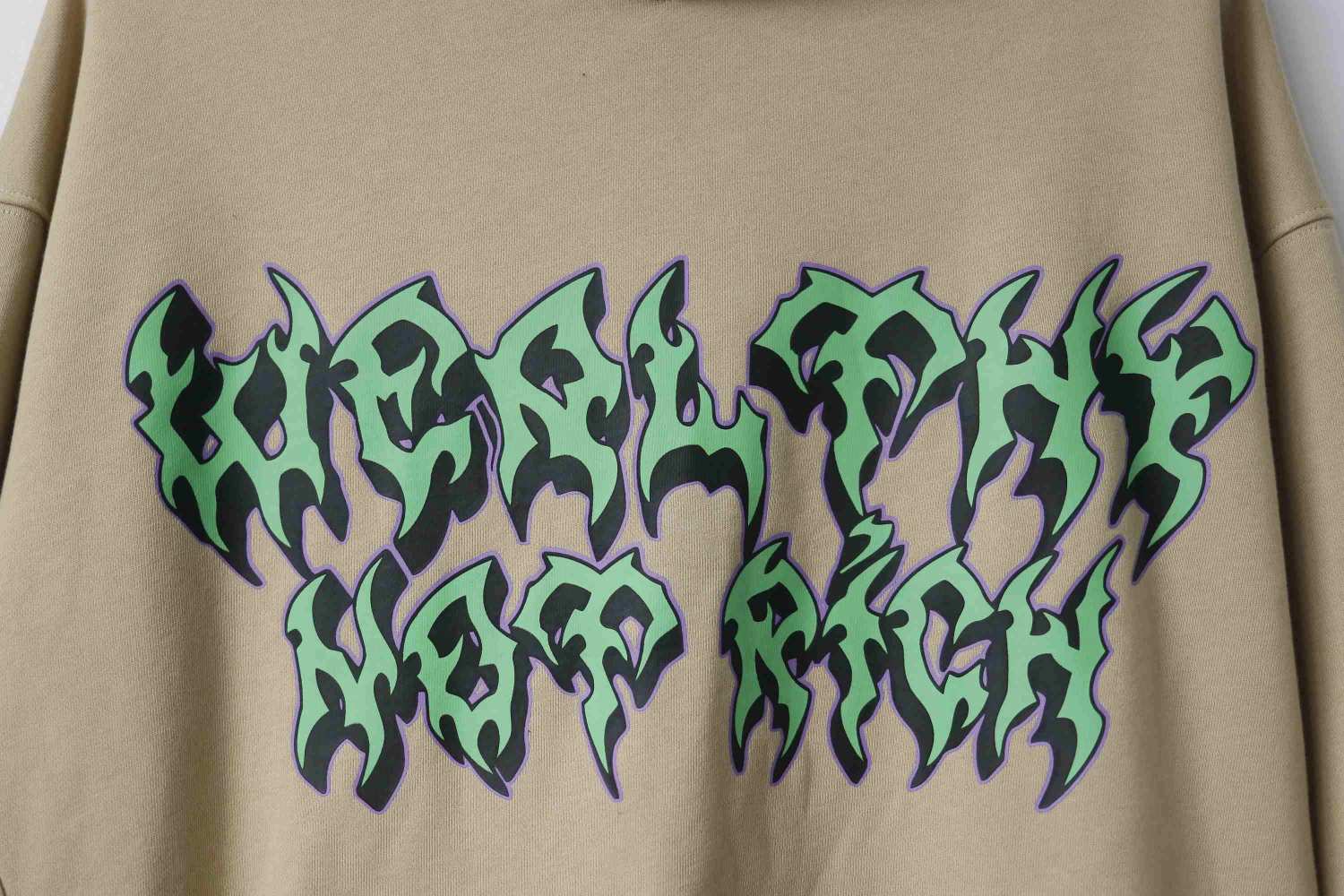
Polyester requires lower cure temperatures—typically 280–300°F—to prevent dye migration, where fabric dyes bleed into plastisol ink and discolor prints. Performance fabrics and moisture-wicking polyester at 140–180 GSM are common in sportswear and activewear but demand careful temperature control.nnLow-bleed or blocker-base inks are essential for dark polyester garments. ZORWILD’s production teams monitor cure profiles closely to balance adhesion and migration prevention on technical fabrics.
Poly-Cotton Blends as a Middle Ground
Blends—typically 50/50 or 65/35 cotton-polyester—combine cotton’s print vibrancy with polyester’s durability and wrinkle resistance. GSM ranges of 160–200 suit workwear, uniforms, and promotional apparel where wash durability and cost efficiency are priorities.nnCure temperatures of 300–320°F balance the needs of both fibers. Blends require minimal pre-treatment and offer reliable adhesion for multi-color plastisol screen printing across medium to high-volume orders.
5. Customization and Decoration Options for Plastisol Screen Printing
Plastisol screen printing supports a wide spectrum of design possibilities, from simple one-color logos to complex photorealistic graphics. Understanding artwork requirements, color strategies, and placement options ensures optimal results and cost efficiency for your brand.
| Decoration Method | Setup Cost | Durability (Washes) | Visual Impact |
|---|---|---|---|
| Plastisol Screen Print | Medium (screen fees) | 50+ washes | High opacity, bold color |
| Embroidery | Medium (digitizing) | 100+ washes | Premium texture, dimensional |
| Heat Transfer | Low (no screens) | 20–30 washes | Full color, photo detail |
| Puff Plastisol | Medium (specialty ink) | 40–50 washes | Raised 3D texture |
Spot-Color and Simulated Process Printing
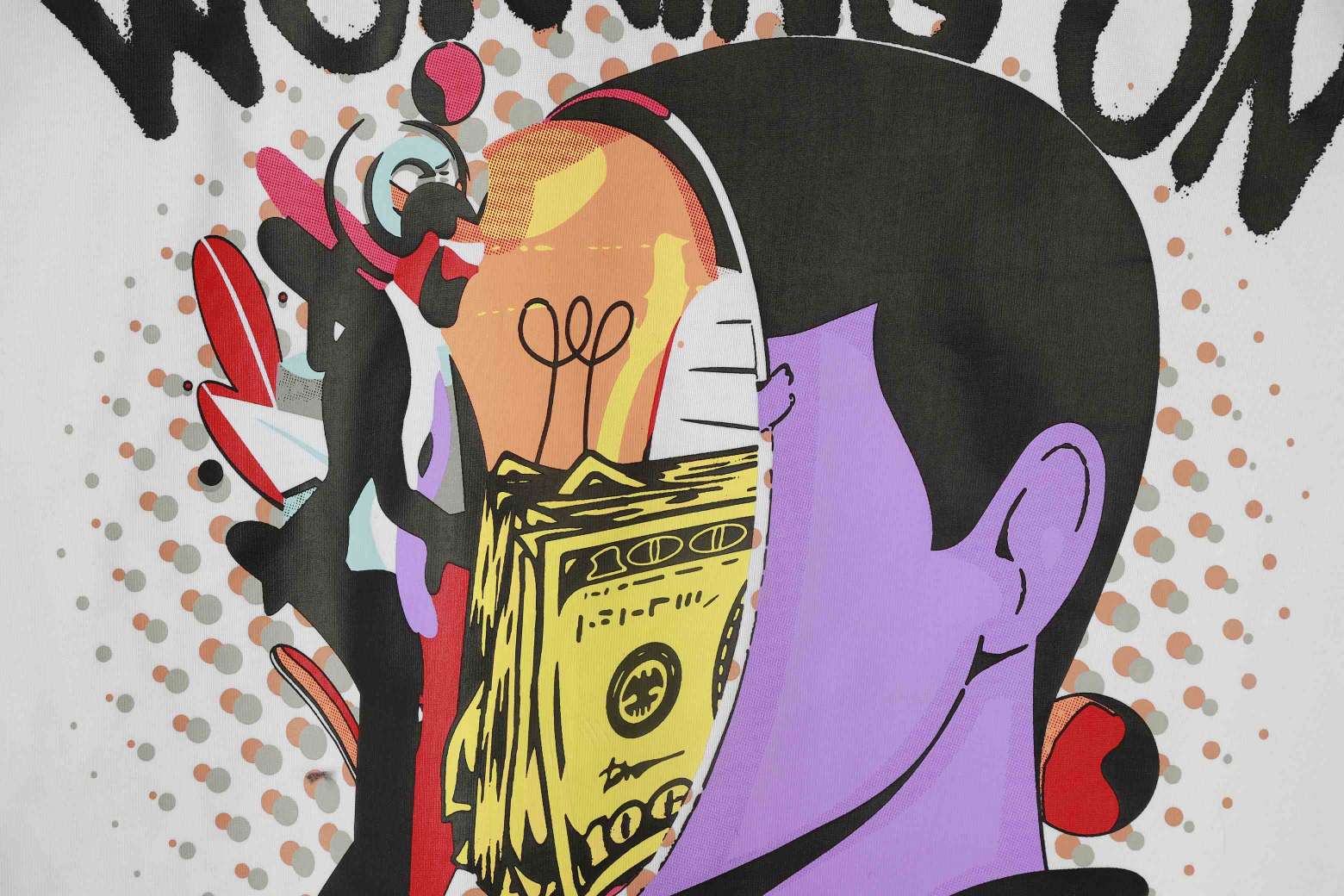
Spot-color plastisol prints use 1–6 individual ink colors, each requiring a separate screen. This method delivers vibrant, opaque results ideal for logos, text, and bold graphics with clean edges.nnSimulated process printing recreates photorealistic images and gradients by layering halftone screens of multiple colors. ZORWILD applies this technique for complex artwork such as portraits, product photos, and detailed illustrations, typically using 4–8 colors to achieve full-color visual depth on dark or light garments.
Artwork Requirements and Color Separations
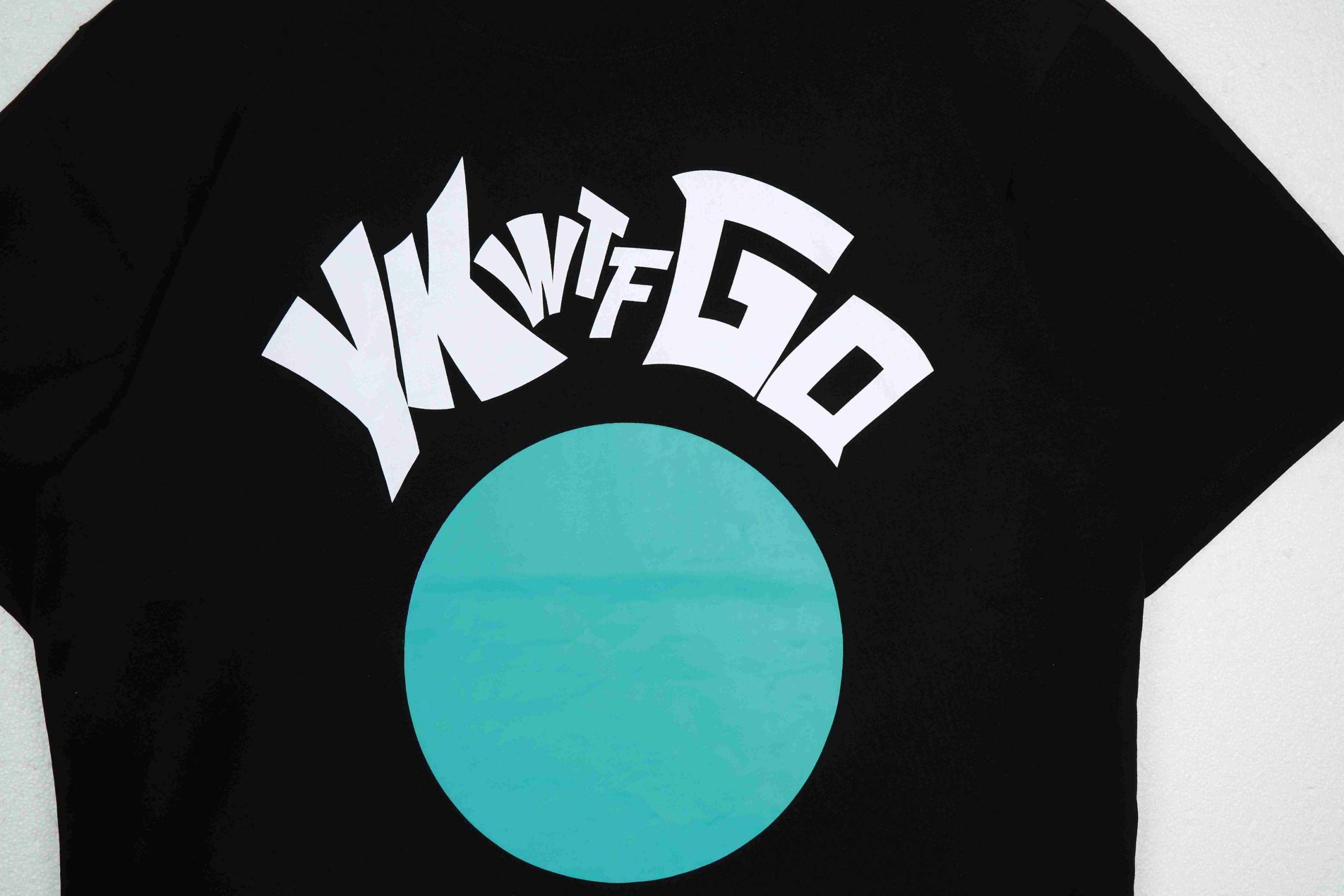
Vector artwork (AI, EPS, PDF) is preferred for spot-color designs because it scales without quality loss and simplifies color separation. Raster files (PNG, JPEG) at 300 DPI minimum work for simulated process but require skilled separation to convert into printable halftone layers.nnColor separations divide your design into individual ink layers, one per screen. ZORWILD’s prepress team handles separations, ensuring accurate registration, proper underbase layers for dark fabrics, and optimal ink sequence for vivid results.
Placement Options and Combined Decoration
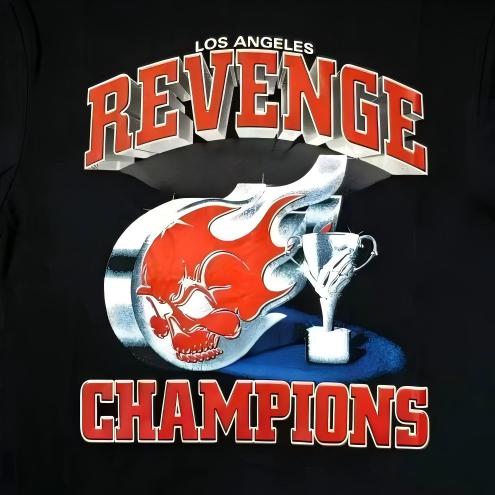
Standard placements include front chest (3–4 inch), full back (11–13 inch), left chest (3 inch), sleeves, and neck labels. All-over printing requires specialized equipment and is better suited to sublimation or cut-and-sew construction.nnCombining plastisol with embroidery, puff printing, or heat transfer adds texture and premium appeal. ZORWILD frequently pairs screen-printed graphics with chenille embroidery logos or reflective heat transfer details for streetwear collections, balancing durability, visual impact, and production cost across mixed decoration methods.
6. Key Quality Elements in Plastisol Screen Printing
Professional plastisol screen printing quality depends on five measurable checkpoints that determine durability, appearance, and brand perception. ZORWILD’s quality control system inspects every stage from ink mixing through final garment finishing to ensure consistent results across production runs.
Ink Opacity and Coverage
Opacity measures how completely plastisol ink blocks the underlying fabric color, critical for white or bright colors on dark garments. Professional prints require 100% opacity in one or two passes, with no fabric weave visible through cured ink.nnSpecify minimum opacity standards in your tech pack using Pantone color references and require strike-off samples on your exact fabric and color combination before bulk production begins.
Registration Accuracy
Multi-color designs require precise alignment of each screen layer, measured in millimeters of registration tolerance. Industry standard allows ±0.5 mm deviation; complex designs with fine detail or tight borders need ±0.25 mm precision.nnInspect pre-production samples under magnification at color boundaries and request re-screening if gaps or overlaps exceed your specified tolerance.
Cure Completeness and Wash Fastness
Plastisol ink cures at 320–330°F (160–165°C) for 60–90 seconds; under-cured prints crack or peel after washing. The stretch test applies 200% fabric extension — properly cured ink flexes without cracking.nnRequire wash fastness testing through 20–50 industrial wash cycles at 40°C with measurement of color fade, cracking, and adhesion loss before approving bulk production.
Hand-Feel and Deposit Weight
Soft-hand plastisol uses thinner ink deposits (80–120 microns) and additives for breathability; standard prints deposit 150–200 microns with a heavier hand. Specify target deposit thickness and request hand-feel approval samples.nnZORWILD’s sampling process allows clients to compare soft-hand versus standard plastisol on identical garments to balance durability, visual impact, and comfort.
Batch-to-Batch Color Consistency
Color variation between production batches must stay within Delta E ≤ 2.0 for professional brands, measured with spectrophotometer readings against approved lab dips. Pantone matching requires custom ink mixing and color approval before each run.nnDocument approved color standards with physical swatch cards and require pre-production color dips for every reorder to maintain brand consistency across seasons and product categories.
7. How to Choose a Plastisol Screen Printing Manufacturer
Selecting the right plastisol screen printing manufacturer requires systematic evaluation of production capabilities, quality systems, and service flexibility. A structured checklist approach helps buyers compare suppliers objectively and reduce risk before committing to bulk orders.
Minimum Order Quantities and Production Capacity
MOQ thresholds typically range from 50 pieces for startup-friendly manufacturers to 500–1,000 pieces for high-volume facilities. ZORWILD supports 50-piece minimums across most plastisol screen printing projects, enabling influencers and small brands to test designs without excess inventory risk.nnMonthly production capacity above 100,000 units indicates stable scheduling and scalable fulfillment. Verify whether the factory operates automatic or manual presses; automatic carousel systems deliver faster turnaround and more consistent registration for multi-color plastisol designs.
Sampling Lead Time, Cost, and Quality Review
Standard sampling windows run 5–10 days; expedited services may shorten this to 3–5 days at additional cost. Request physical samples to inspect print thickness, edge definition, and color accuracy under natural light.nnAlways ask for wash-test reports documenting 20–50 industrial wash cycles. Cracking, fading, or peeling after fewer than 20 washes signals inadequate curing or low-grade plastisol ink formulations.
Certifications, In-House Capabilities, and Communication
Oeko-Tex Standard 100 certification confirms inks meet textile safety limits; CPSIA compliance is mandatory for children’s wear sold in the United States. Confirm whether plastisol screen printing is performed in-house or outsourced; in-house operations offer tighter quality control and faster revisions.nnResponsiveness within 24 hours via email, WhatsApp, or phone indicates professional project management. ZORWILD provides direct contact at +86 137 1325 2727 and [email protected], ensuring clear communication from sampling through final shipment.
8. Common Mistakes Buyers Make With Plastisol Screen Printing
Even experienced buyers encounter costly errors when ordering plastisol screen printing. Understanding these pitfalls and their fixes helps brands avoid production delays, quality failures, and budget overruns that can derail launch timelines.
Submitting Low-Resolution Artwork
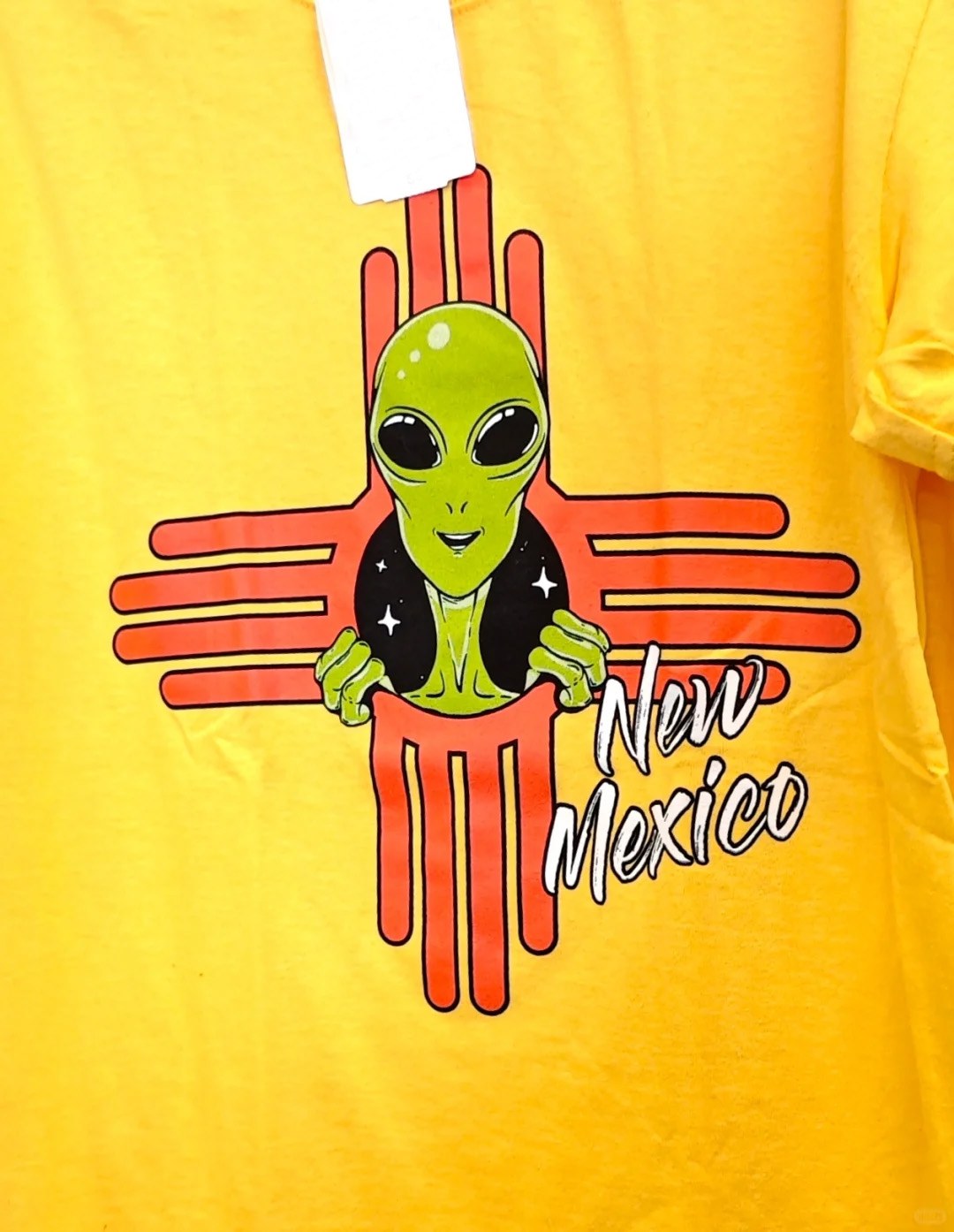
Artwork files below 300 DPI at print size produce blurry edges, jagged lines, and pixelated graphics that cannot be corrected during screen preparation. Vector files (AI, EPS, PDF) eliminate resolution issues entirely, while raster files (PNG, JPEG) must meet minimum DPI standards.nnAlways provide vector artwork or raster files at 300 DPI minimum, scaled to final print dimensions. Request a digital proof before screen burning to catch clarity problems early.
Underestimating Multi-Color Setup Costs
Each color in plastisol screen printing requires a separate screen, with setup fees ranging $15–$45 per screen depending on complexity. A six-color design incurs $90–$270 in setup costs before the first garment is printed, significantly affecting small-batch economics.nnConsolidate colors where possible and use simulated process or halftone techniques to reduce screen counts. For orders under 100 pieces, limit designs to three colors or fewer to maintain cost efficiency.
Ignoring Cure Temperature Specifications
Plastisol ink requires curing at 320°F (160°C) for 60–90 seconds to fully polymerize. Under-cured prints wash off or crack within five washes, while over-curing causes scorching, fabric shrinkage, and color shifts on heat-sensitive blends.nnSpecify fabric content and request cure temperature confirmation from your manufacturer. Order strike-off samples and wash-test them three to five cycles before approving bulk production to verify durability.
Choosing Wrong Ink for Fabric Type
Standard plastisol sits on fabric surfaces and performs poorly on moisture-wicking polyester, technical nylon, or stretch fabrics where flexibility and breathability are critical. Performance fabrics require low-bleed or stretch plastisol formulations to prevent dye migration and cracking.nnMatch ink chemistry to fabric type: use low-bleed plastisol for polyester blends above 50%, stretch additives for spandex blends, and water-based inks for ultra-soft hand feel on premium cotton.
Skipping Strike-Off Samples Before Bulk
Approving production without physical strike-off samples risks color mismatches, incorrect print placement, poor hand feel, and wash durability failures discovered only after thousands of units are completed. Sample costs of $30–$80 per design prevent five-figure bulk production losses.nnOrder one strike-off sample per colorway and wash-test it before releasing bulk orders. ZORWILD provides pre-production samples starting from 50 pieces to validate print quality, placement accuracy, and fabric compatibility before scaling.
9. Steps to Launch Your Brand Using Plastisol Screen Printing
Launching a clothing brand with plastisol screen printing requires a structured process from concept to delivery. ZORWILD’s 27 years of manufacturing experience supports first-time buyers with clear timelines, low 50-piece MOQs, and full-service production.
Finalize Design and Color Palette
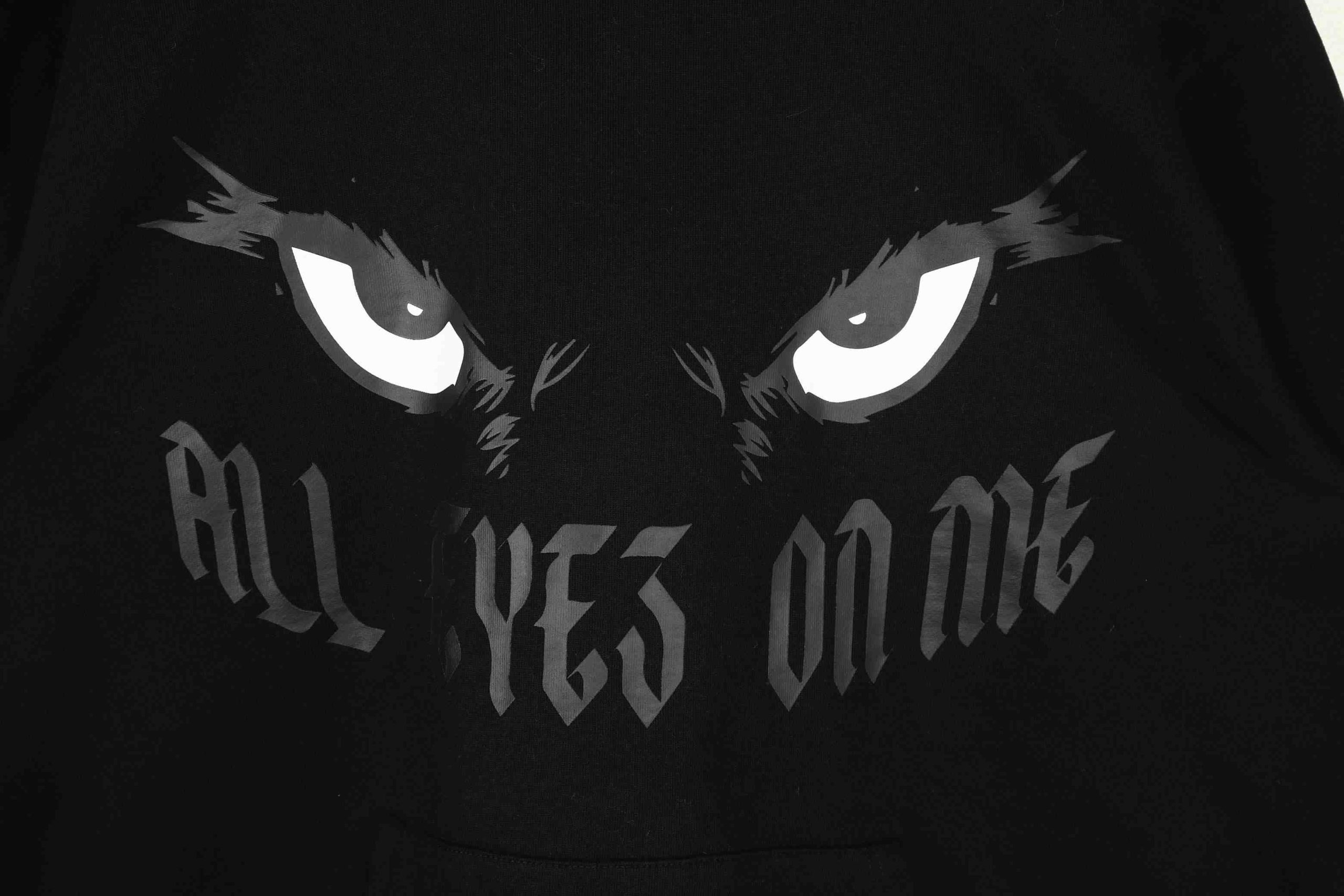
Lock your graphic artwork and choose 1–6 spot colors for plastisol screen printing. Each color requires a separate screen, so limiting your palette reduces setup costs and speeds production. ZORWILD recommends Pantone color matching for brand consistency across reorders.nnPrepare print-ready vector files with color separations clearly marked. Provide placement instructions (front chest, full back, sleeve) and size specifications in your tech pack. Clear artwork prevents delays and ensures accurate sampling.
Select Base Garments and Fabric Weights
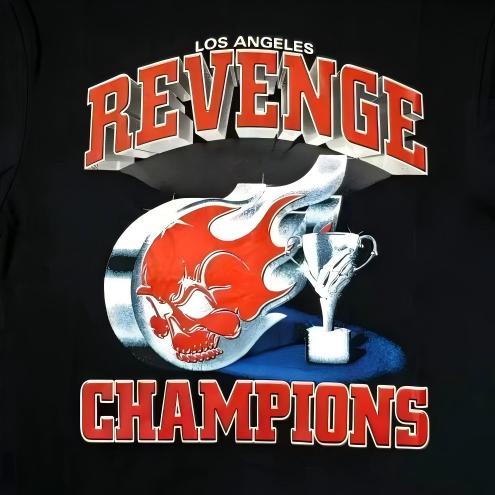
Choose garment styles (oversized tees, heavyweight hoodies, cropped sweatshirts) and fabric weights (180 GSM lightweight, 240 GSM midweight, 320+ GSM heavyweight). ZORWILD sources 100% cotton, organic cotton, polyester blends, and French terry compatible with plastisol ink.nnRequest fabric swatches and size samples to evaluate hand feel, weight, and fit before committing to bulk production. Base garment quality directly impacts final product perception and customer satisfaction.
Request and Approve Samples
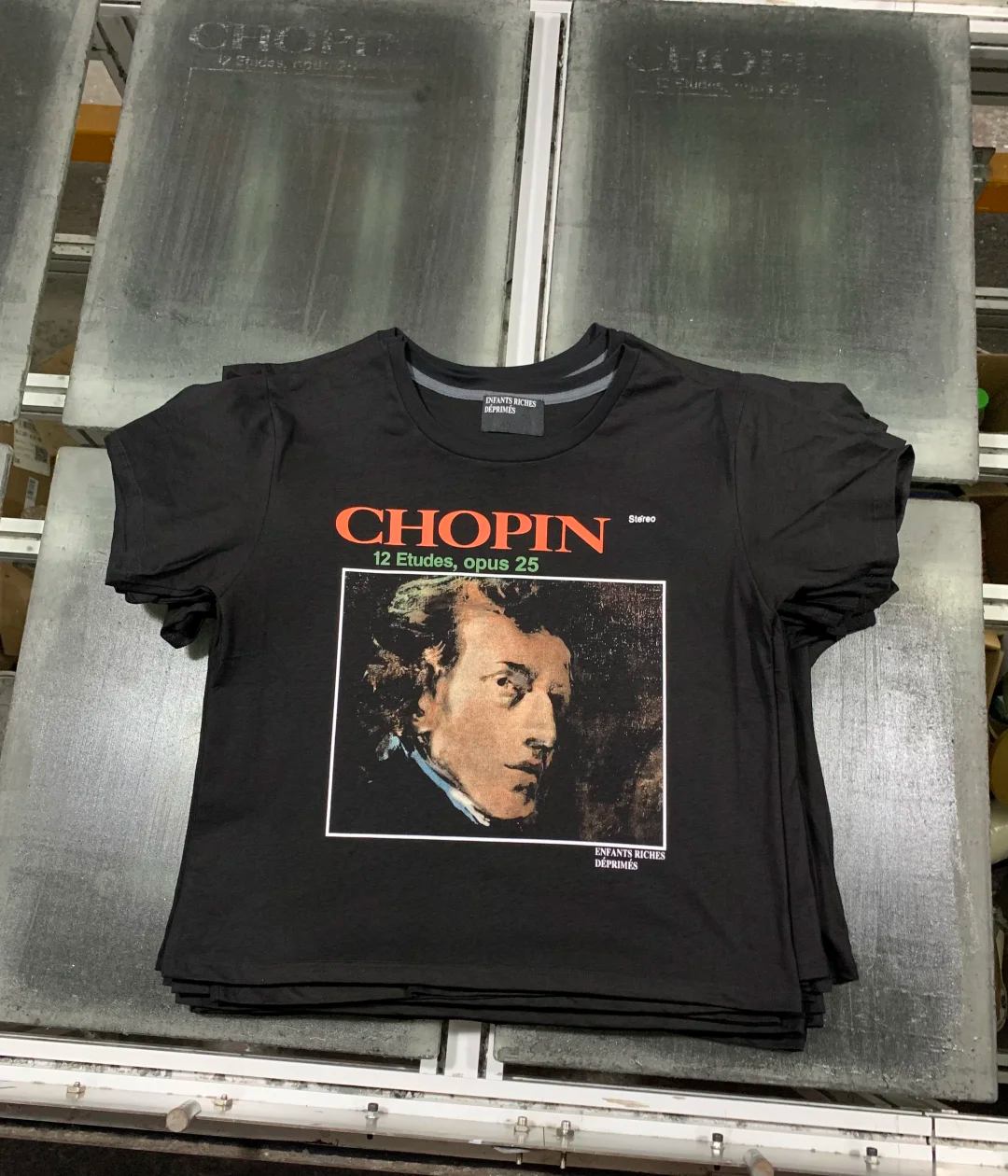
Sampling takes 7–10 days and validates print quality, color accuracy, garment fit, and wash durability. ZORWILD produces pre-production samples with actual plastisol inks and production fabrics, not digital mockups.nnInspect ink opacity, edge sharpness, registration alignment, and hand feel. Test wash samples if durability is critical for your brand positioning. Approve samples in writing before bulk production begins.
Place Bulk Order and Plan Fulfillment
Bulk production requires 15–30 days depending on order size, decoration complexity, and wash treatments. ZORWILD’s monthly capacity exceeds 100,000 units, supporting both startup 50-piece launches and large-scale reorders.nnProvide final quantities by size, color, and style with clear packaging and labeling requirements. Plan inventory storage, shipping logistics, and fulfillment workflows before goods arrive to avoid cash flow delays and missed launch windows.
10. Pricing and Cost Breakdown for Plastisol Screen Printing
Plastisol screen printing costs vary by quantity tier, color count, and garment type, with per-unit prices dropping significantly at higher volumes. Screen setup fees typically range from $15 to $35 per color and are one-time charges; once screens are made, they can be stored and reused for reorders at no additional setup cost, making repeat production more economical. ZORWILD’s 50-piece minimum order quantity allows startup brands and influencers to test designs affordably while maintaining access to professional plastisol screen printing quality.nnSingle-color prints on standard cotton tees offer the lowest entry cost, while multi-color designs, simulated process work, and specialty inks like puff, metallic, or reflective add complexity and increase both setup and per-unit costs. Lead times range from 10 to 25 days depending on order size, design complexity, fabric availability, and finishing requirements such as garment dye or vintage wash. Buyers should budget for screen fees upfront but recognize that reorders eliminate this expense, reducing total cost per piece on subsequent runs and improving long-term profitability for collections with consistent branding.
| Quantity Tier | Single-Color Price/Unit | Multi-Color Price/Unit | Screen Setup Fee | Typical Lead Time |
|---|---|---|---|---|
| 50 pieces | $8.50–$12.00 | $10.00–$15.00 | $15–$35 per color | 15–20 days |
| 100 pieces | $7.00–$10.00 | $8.50–$12.50 | $15–$35 per color | 12–18 days |
| 500 pieces | $5.50–$7.50 | $6.50–$9.00 | $15–$35 per color | 15–22 days |
| 1,000+ pieces | $4.50–$6.50 | $5.50–$7.50 | $15–$35 per color | 18–25 days |
Ready to Print Your Design? Get a Plastisol Screen Printing Quote
50-piece MOQ, fast sampling, and full design support. Submit your artwork today and experience ZORWILD’s 27 years of printing excellence.
- Custom Hoodies
- Custom T Shirts
- Custom Dresses
- Custom Sweatshirts
- Custom Jackets
- Custom Varsity Jackets
- Custom Polo Shirts
- Custom Shorts
- Custom Dress Shirts
- Contact