
Silicone Screen Printing: Premium Soft-Touch Graphics for Modern Apparel
ZORWILD delivers silicone screen printing with luxurious hand-feel, exceptional durability, and elevated design detail for hoodies, tees, and streetwear collections that demand premium finishing.
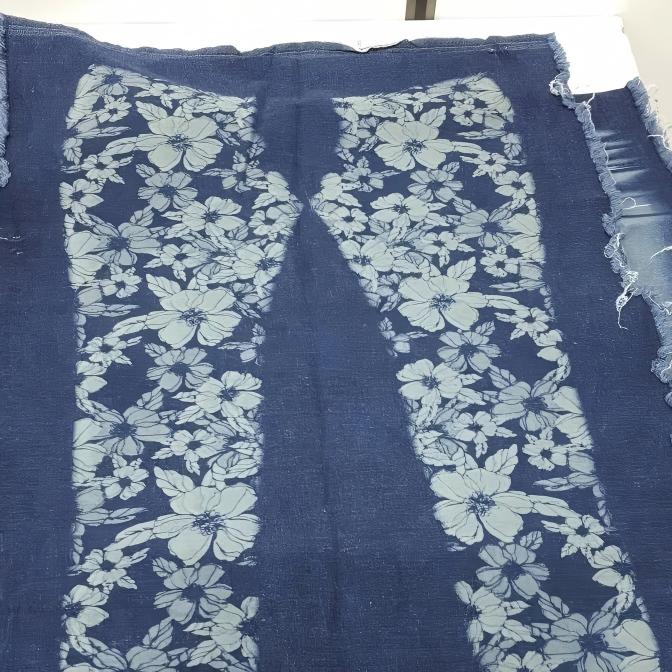
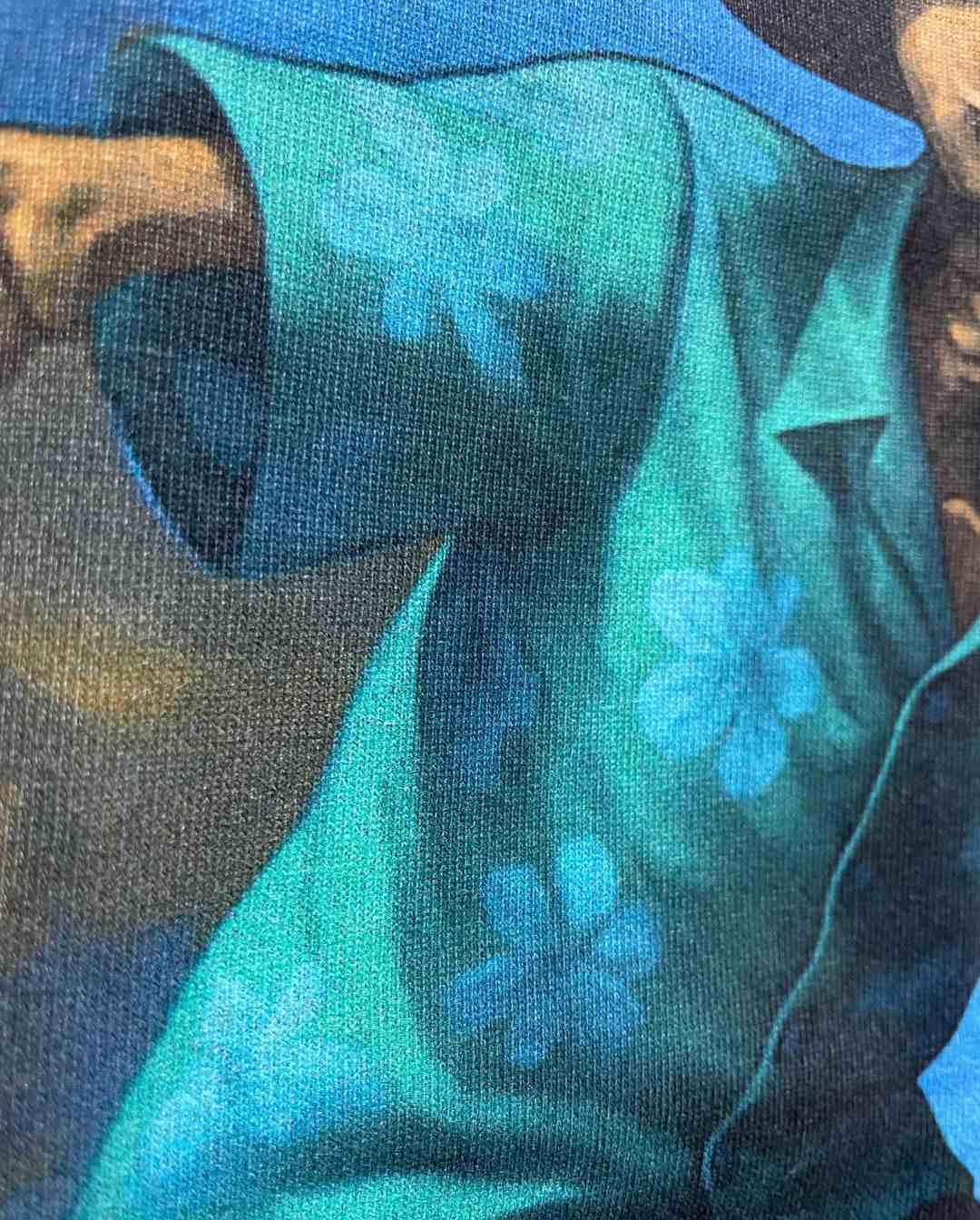
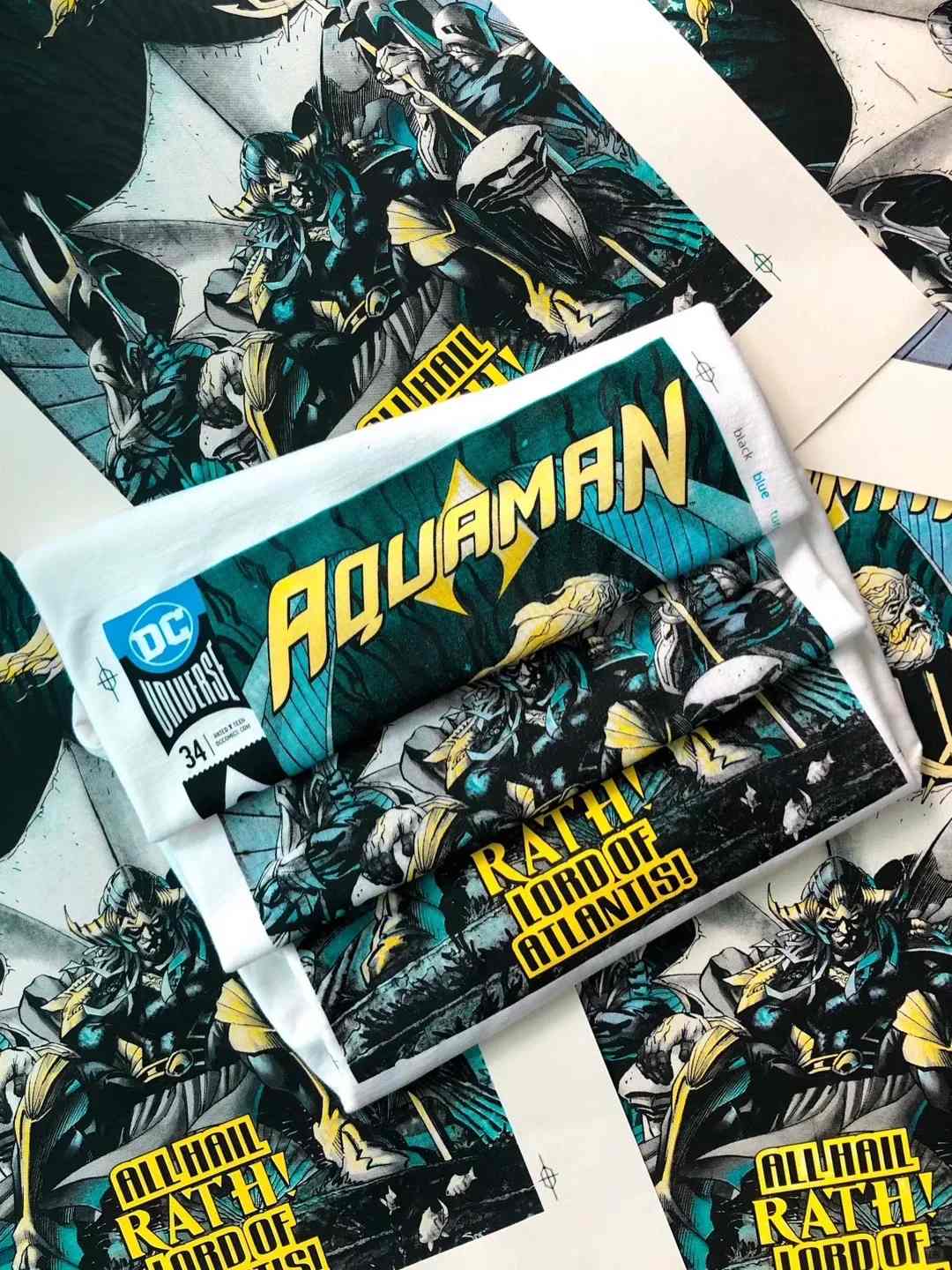
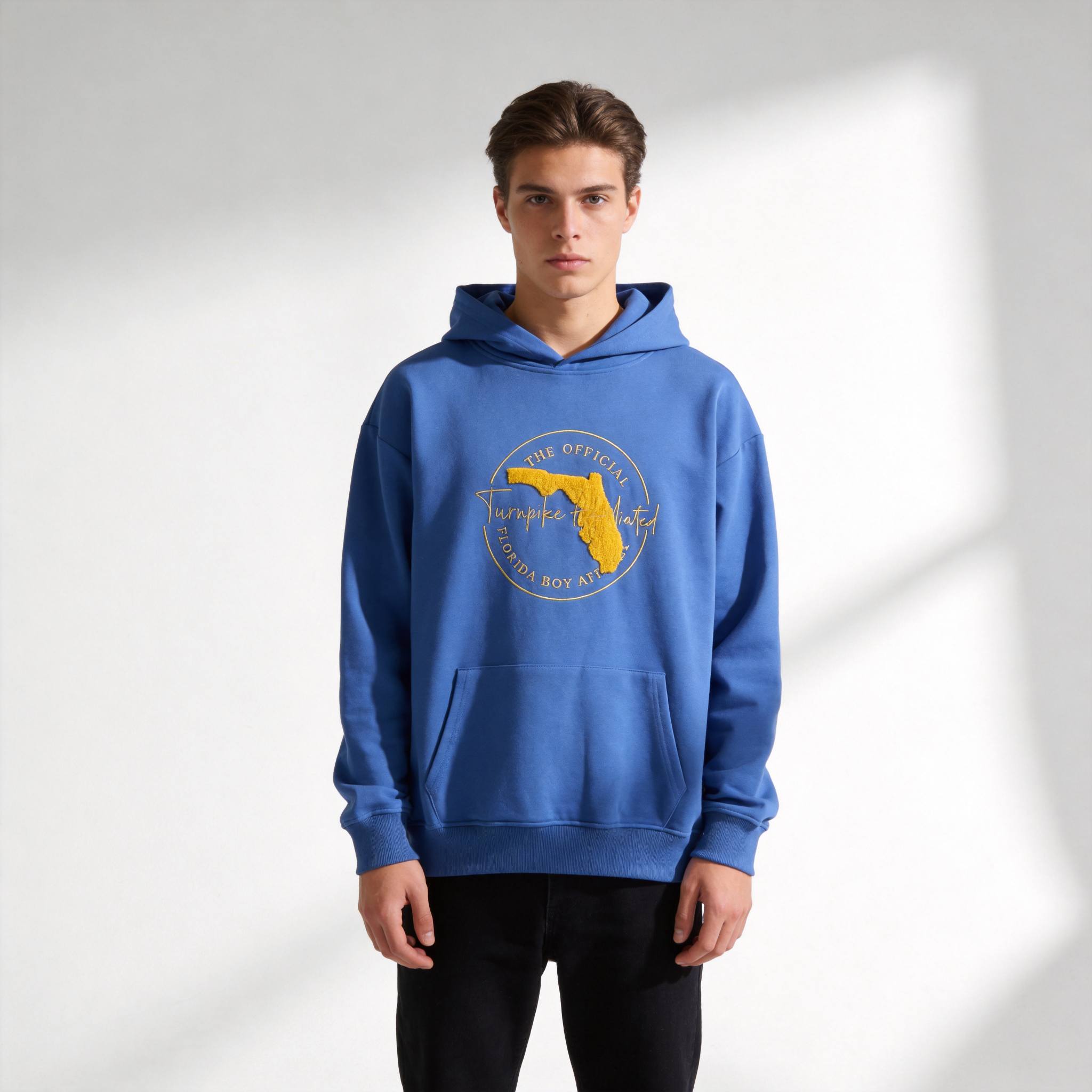
Silicone Screen Printing Samples

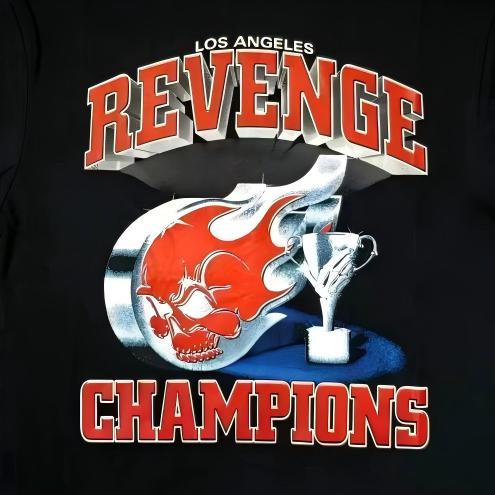
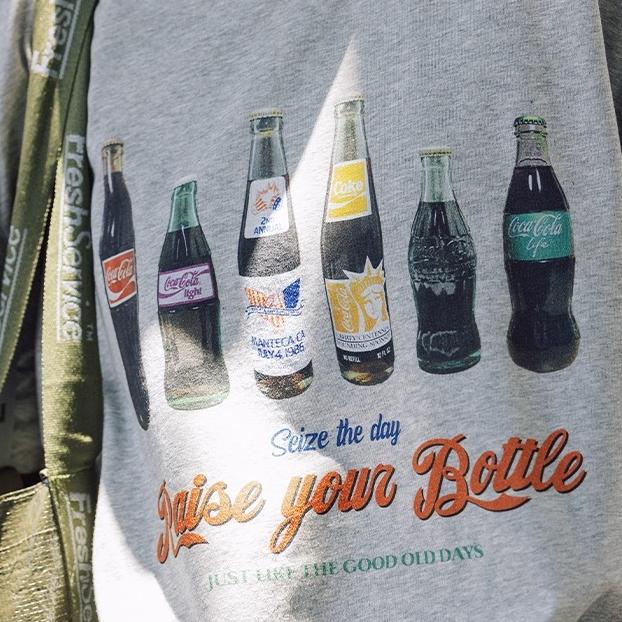
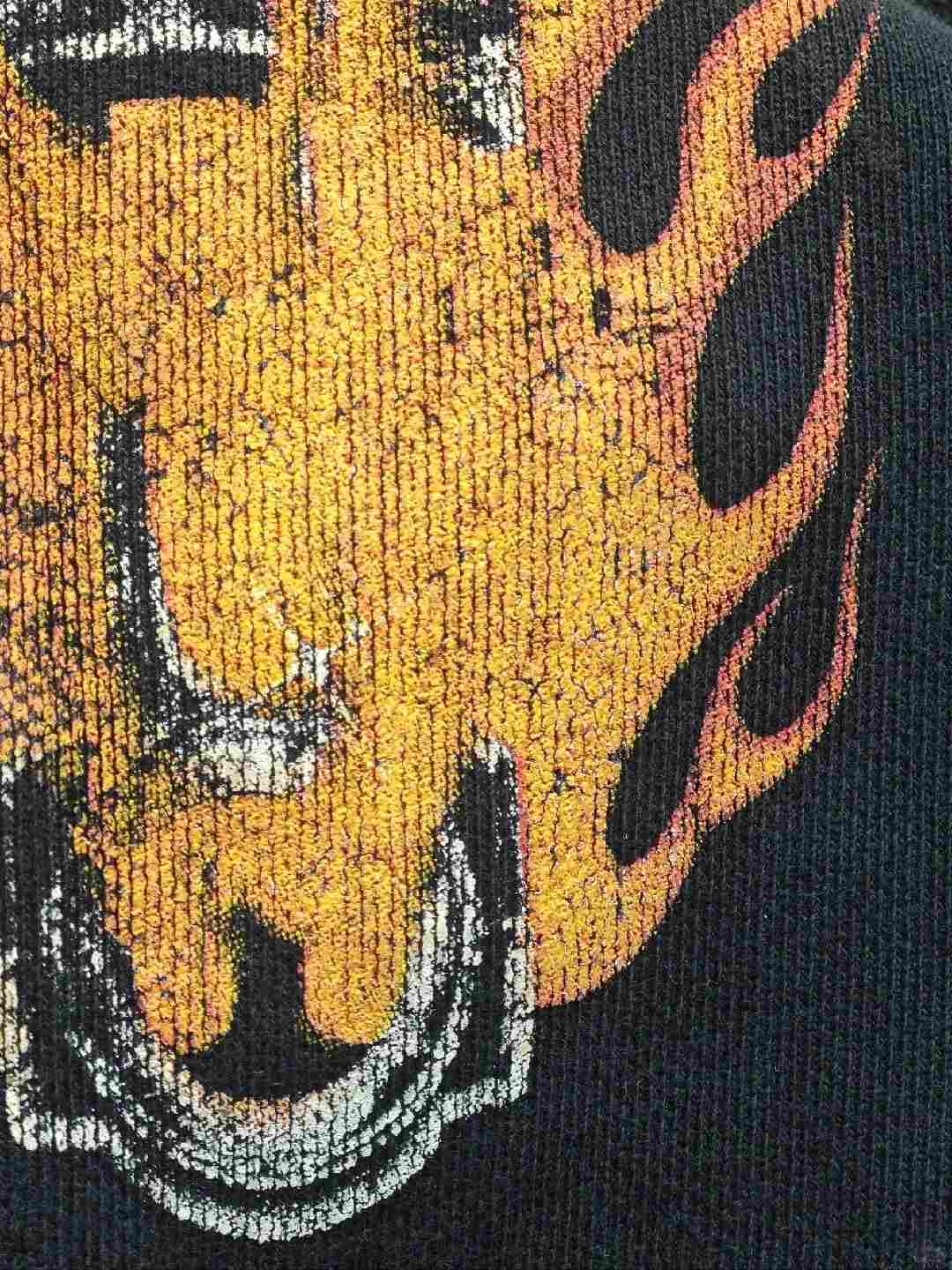
What Makes Silicone Screen Printing Distinctive
ZORWILD’s silicone screen printing delivers the technical performance and premium hand-feel that modern apparel brands demand for high-end streetwear, activewear, and fashion collections.
Soft-Touch Hand Feel
Silicone screen printing creates a smooth, velvety texture that enhances garment comfort and delivers premium tactile quality for luxury streetwear, u003ca href=u0022/custom-hoodies/u0022u003ecustom hoodiesu003c/au003e, and fashion apparel brands.
Superior Durability u0026 Washability
Exceptional resistance to cracking, peeling, and fading through hundreds of wash cycles, maintaining graphic integrity for high-performance activewear and everyday wear.
Vibrant Opacity on Dark Fabrics
Excellent color coverage and opacity on black and dark garments without heavy ink buildup, ideal for bold graphics and brand logos.
Flex Without Cracking
Silicone ink remains flexible and elastic even after repeated stretching, perfect for performance apparel, activewear, and high-movement garments requiring durability.
Heat u0026 Chemical Resistance
Maintains print quality and color stability under high temperatures and exposure to detergents, bleach, and industrial laundering for professional uniform applications.
Matte to Glossy Finish Options
Customizable surface finish from subtle matte to high-gloss sheen, allowing designers to match brand aesthetics and create unique visual effects.
Related Screen Printing Techniques u0026 Resources
Custom Screen Printing
Custom screen printing delivers high-durability graphics with excellent color performance across custom hoodies, custom t-shirts, wholesale sweatshirts, and custom jackets. ZORWILD supports plastisol, water-based, discharge, and specialty ink systems with precise registration, color matching, and production runs from 50 pieces to 100,000+ units monthly for brands requiring reliable, scalable decoration.
Get a Quote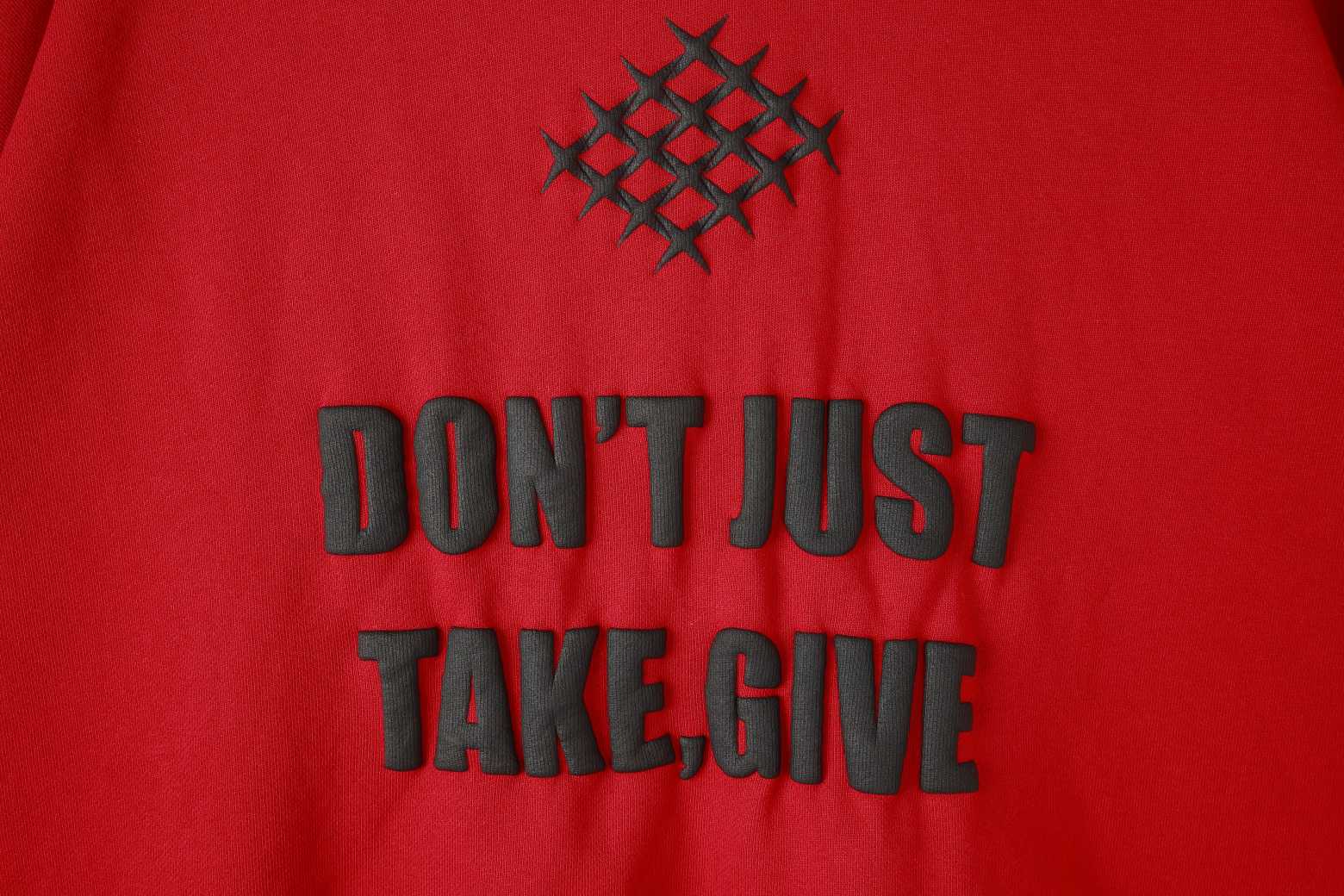
Puff Printing
Puff printing creates raised, dimensional graphics that add texture and premium streetwear aesthetics to custom hoodies, custom tshirts, and wholesale sweatshirts. Our Humen factory controls ink thickness, cure temperature, and stitch compatibility to ensure consistent puff height, soft hand feel, and wash durability across low MOQ and large-scale production runs.
Get a Quote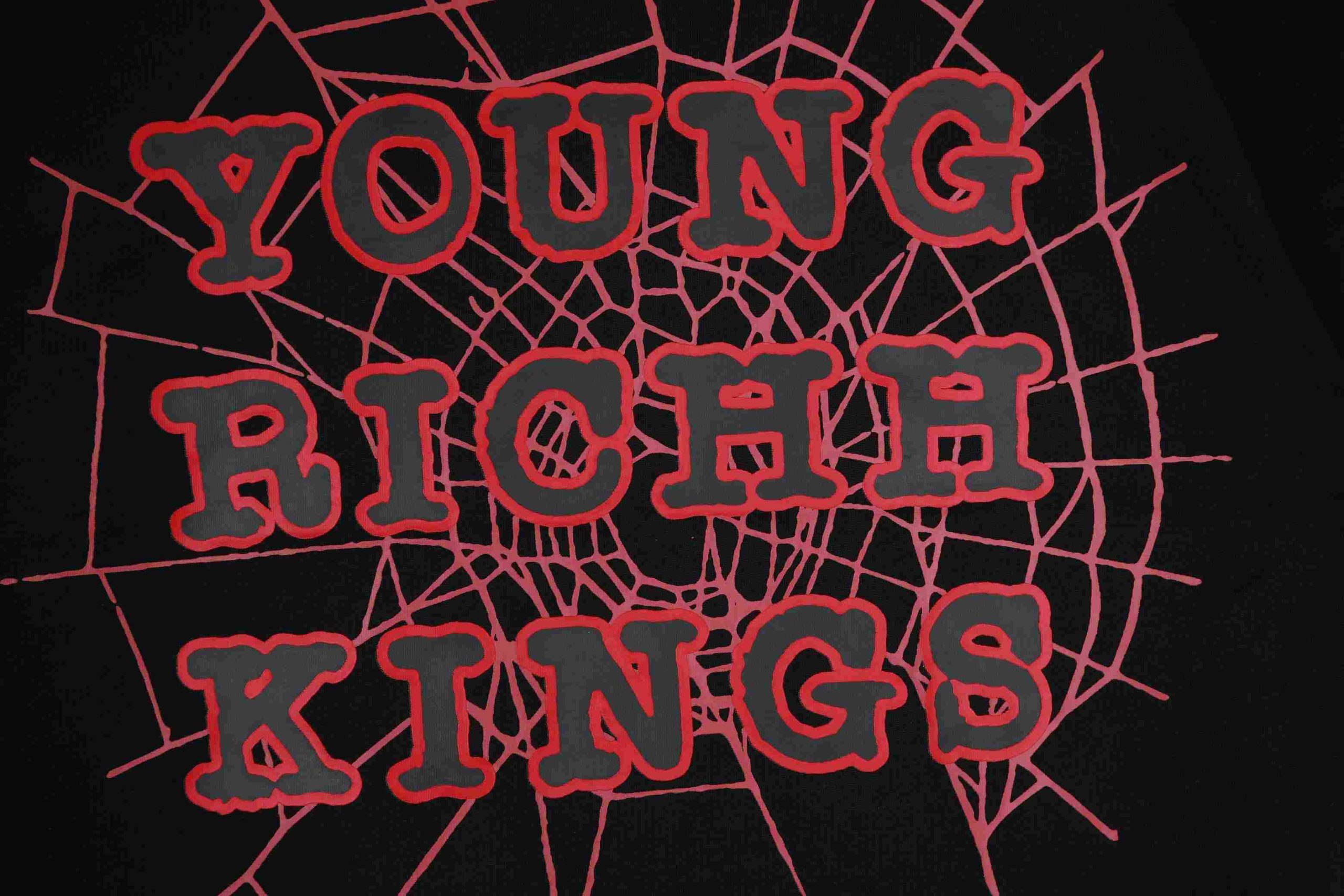
Plastisol Printing
Plastisol screen printing uses durable, opaque ink ideal for bold logos, vibrant colors, and high-opacity coverage on dark garments. ZORWILD applies plastisol across cotton, blends, and heavyweight jersey with controlled curing, sharp edge definition, and excellent wash fastness for streetwear brands, wholesalers, and established labels requiring proven decoration performance.
Get a Quote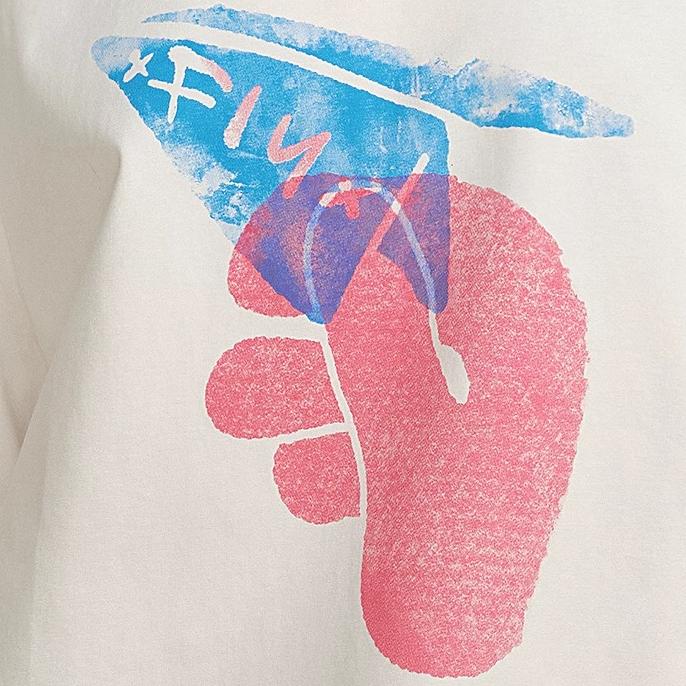
Water-Based Printing
Water-based screen printing penetrates fabric fibers for a soft hand feel, breathable finish, and eco-friendly results preferred by sustainable fashion brands. Our production team manages ink viscosity, mesh selection, and cure profiles to deliver vintage aesthetics, detailed artwork, and comfortable wear on T-shirts, hoodies, and lightweight garments.
Get a Quote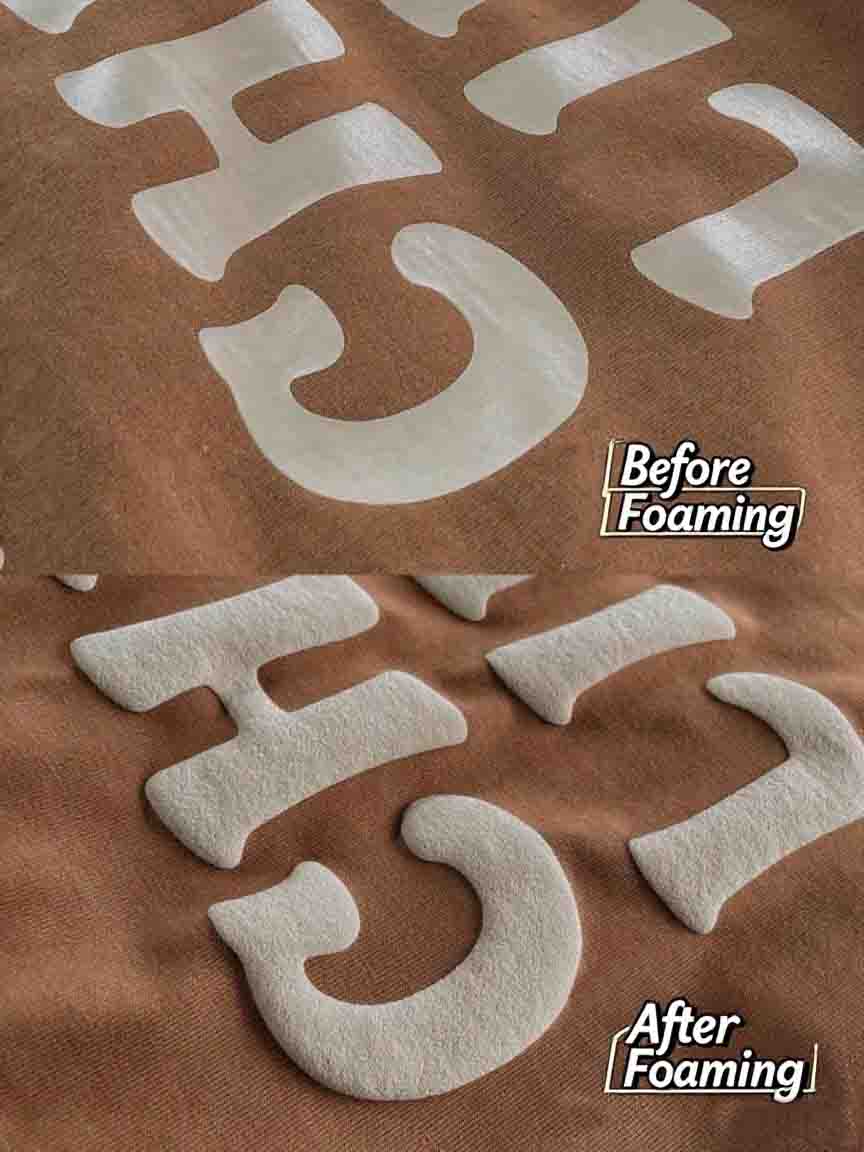
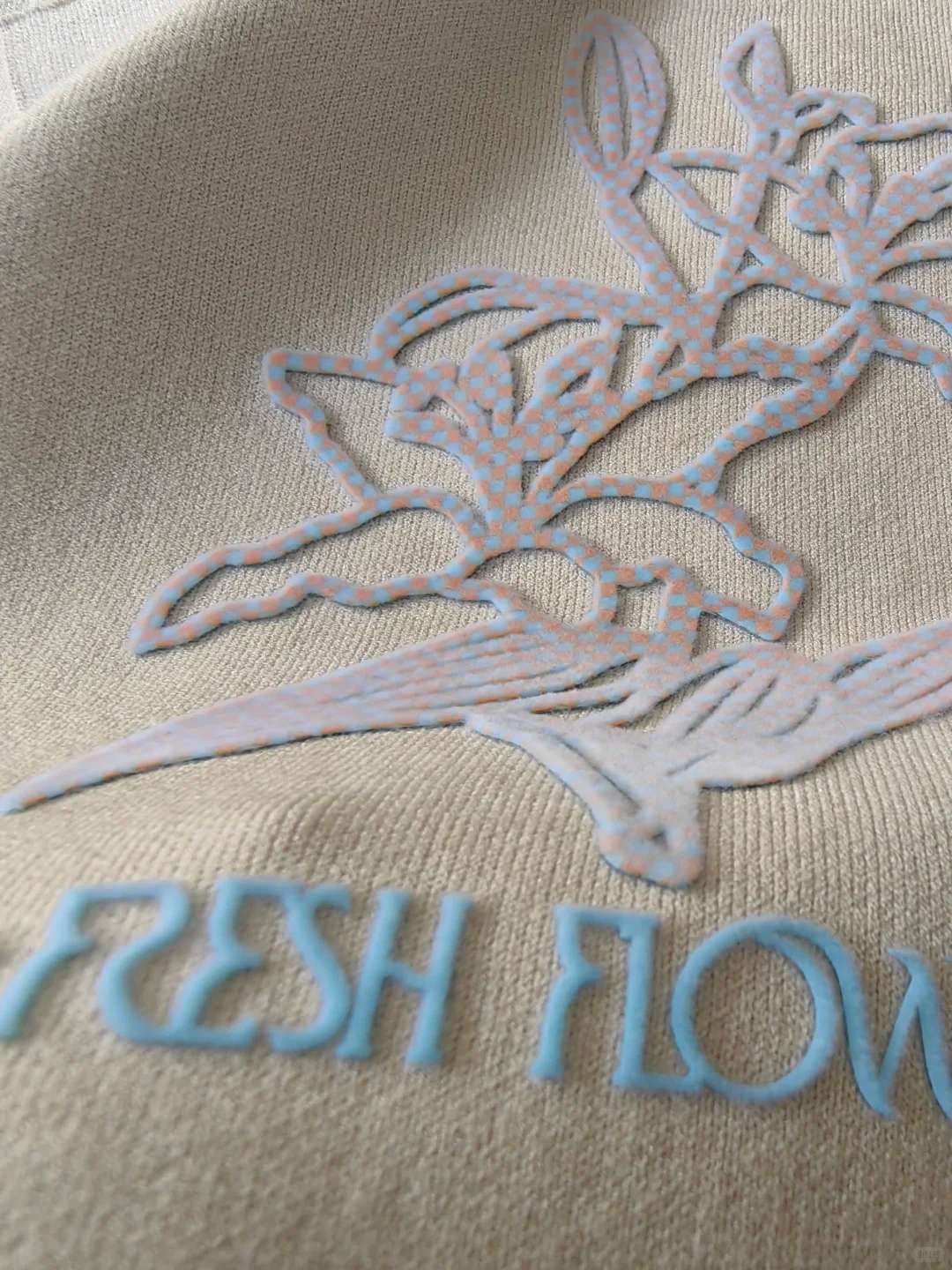
Flocking Printing
Flock printing applies short textile fibers to create a soft, velvety raised surface with tactile dimension and premium visual appeal. ZORWILD uses heat-activated adhesive and controlled fiber application to produce durable flock graphics on hoodies, sweatshirts, and fashion casualwear, ideal for luxury streetwear brands and influencer collections seeking unique texture.
Get a Quote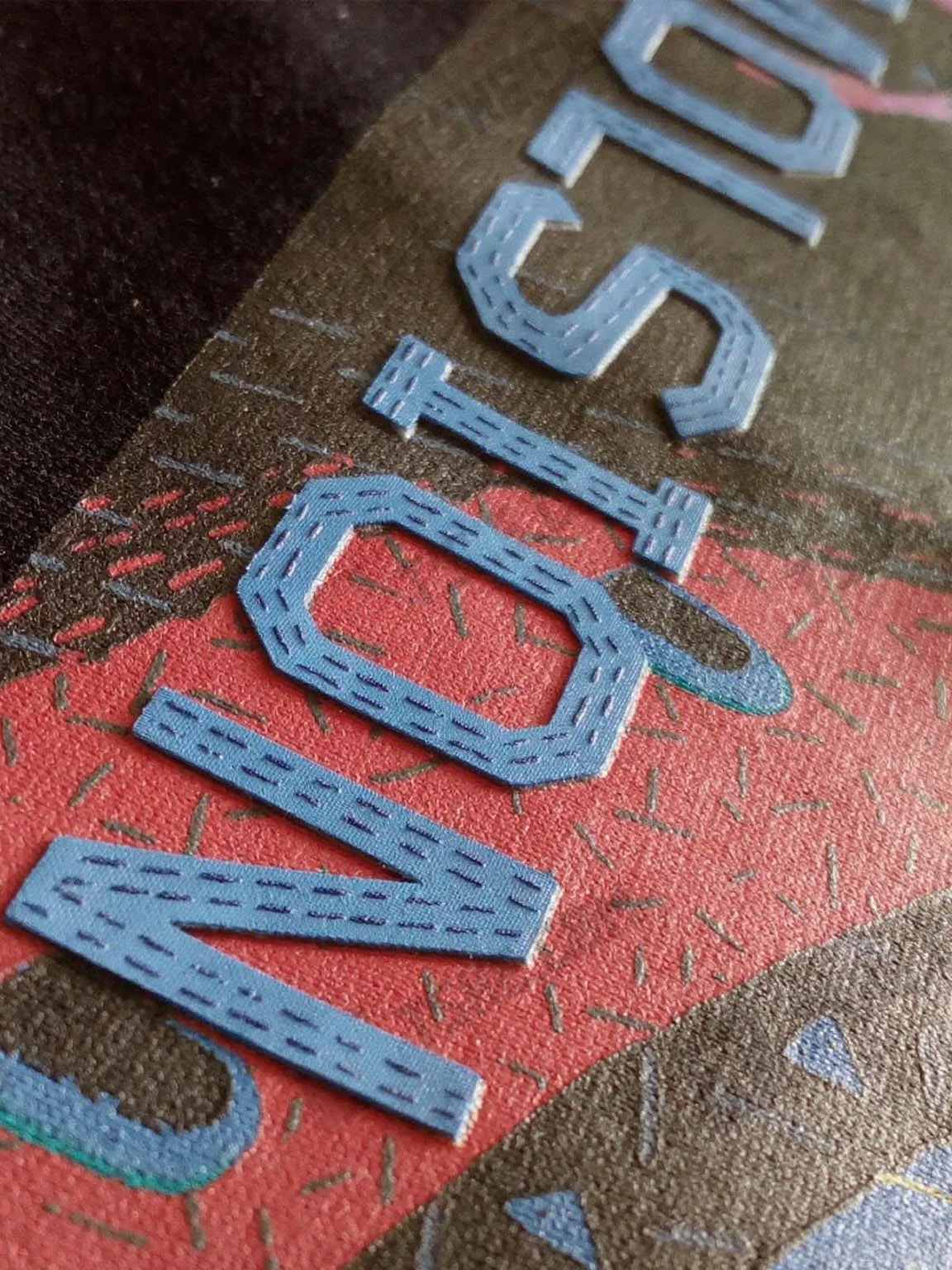
High-Density Printing
High-density screen printing builds thick, raised ink layers for bold, three-dimensional graphics with premium tactile quality and streetwear credibility. Our factory controls multiple ink passes, cure cycles, and garment tension to achieve consistent height, sharp edges, and wash durability on hoodies, T-shirts, and outerwear for brands requiring standout decoration.
Get a Quote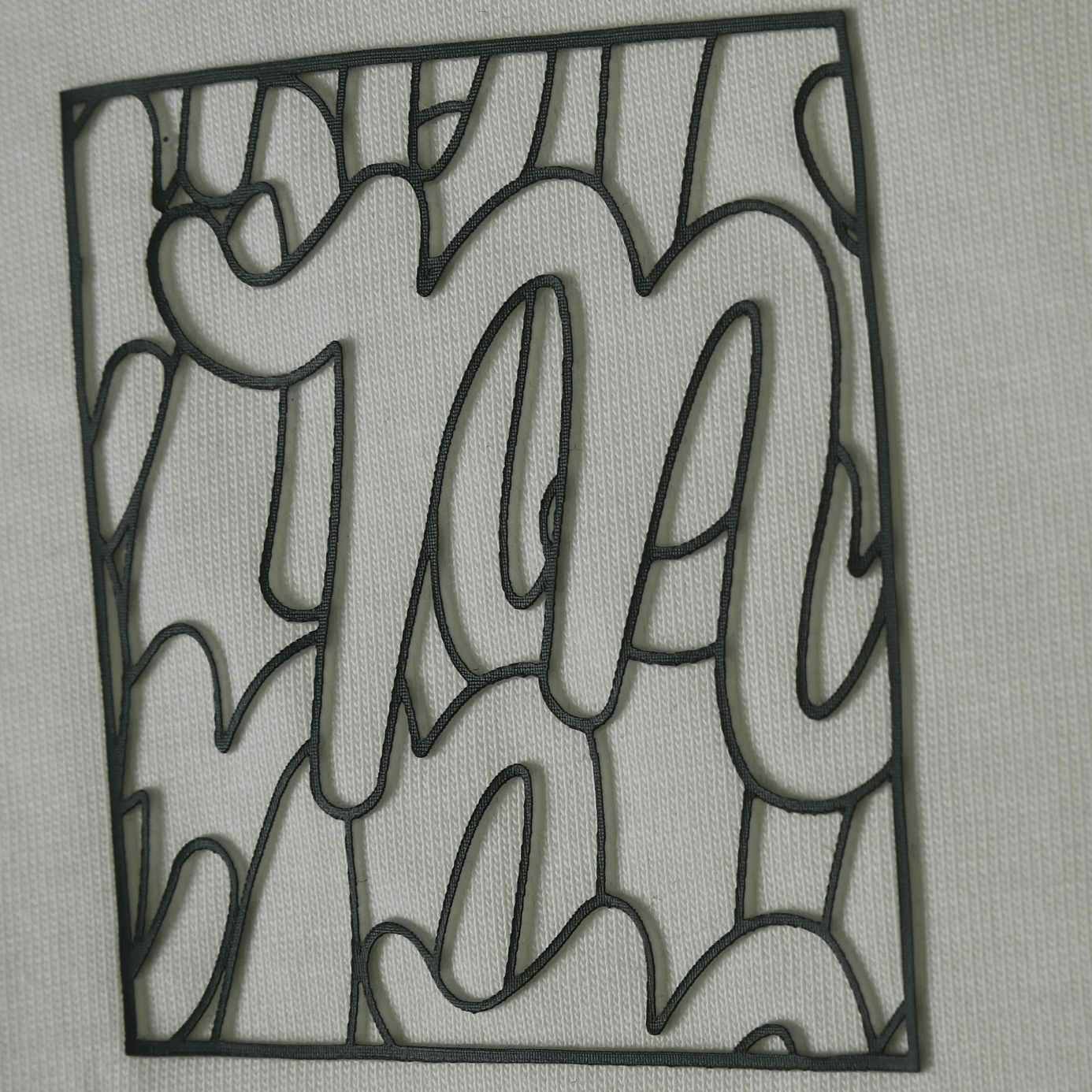
Foil Printing
Foil printing applies metallic or holographic film via heat transfer to create eye-catching, reflective graphics with luxury visual impact. ZORWILD supports gold, silver, holographic, and custom foil colors on cotton, blends, and stretch fabrics with precise temperature control, adhesive compatibility, and production scalability for fashion brands and influencer merch collections.
Get a Quote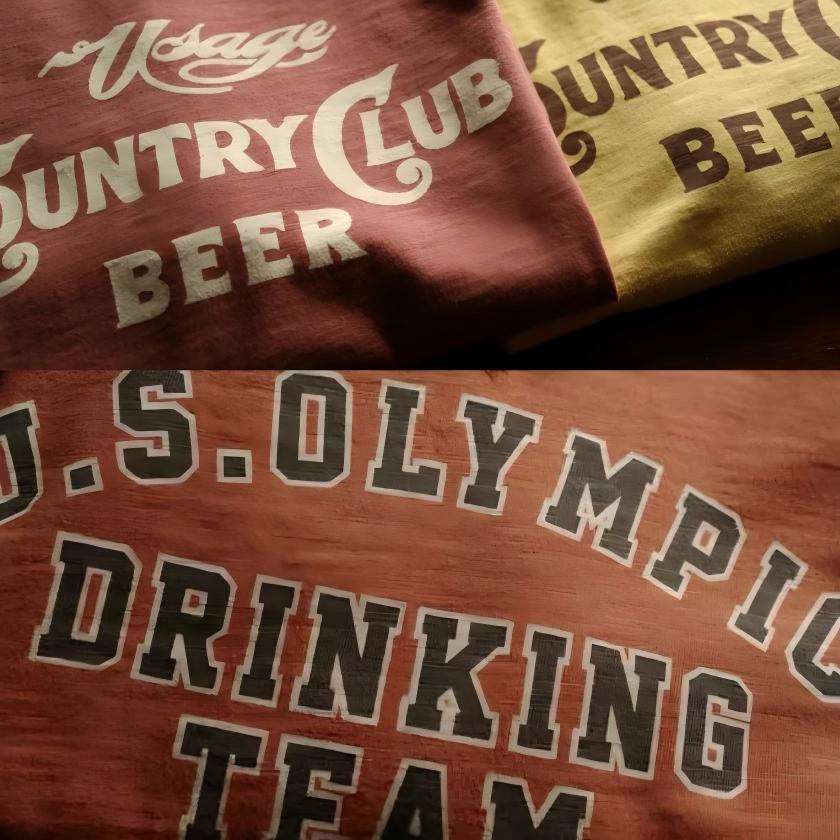
Discharge Printing
Discharge printing removes garment dye to create soft, breathable graphics with a vintage hand feel and no surface texture. Our Humen facility manages discharge chemistry, fabric compatibility, and color matching on pre-dyed cotton garments to deliver eco-friendly, comfortable prints for streetwear brands, wholesalers, and sustainable fashion labels requiring premium finishing.
Get a Quote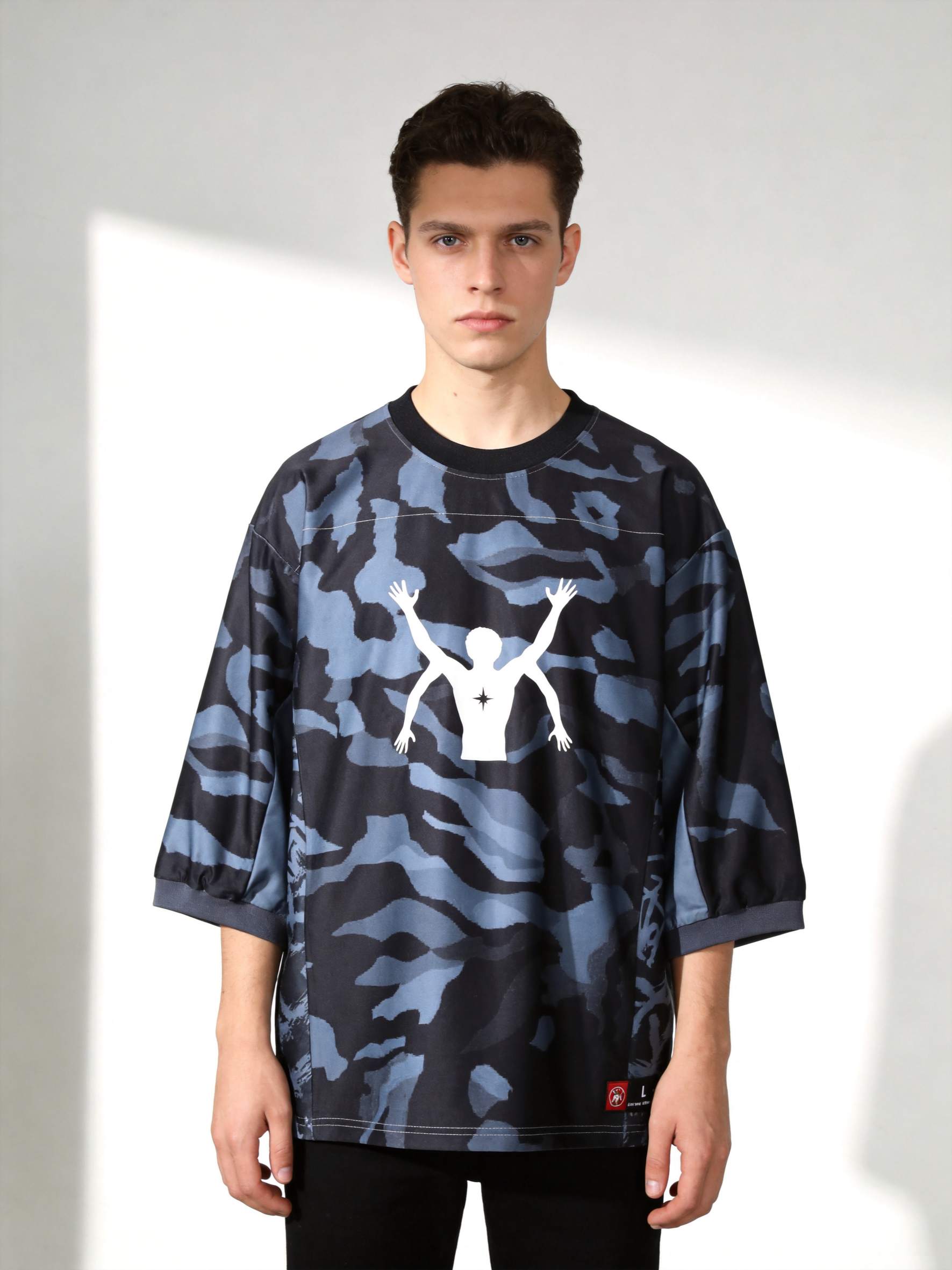
Custom Shirts
Custom shirts include casual shirts, custom hawaiian shirts, resort shirts, custom bowling shirts, and fashion cut-and-sew shirts manufactured with custom sizing, full print patterns, embroidery logos, and branded labels. ZORWILD sources cotton poplin, rayon, linen blends, and viscose fabrics with 50-piece MOQ, supporting startup brands, influencers, and wholesalers across digital printing and traditional decoration techniques.
Get a QuoteZORWILD's Silicone Screen Printing Expertise
ZORWILD has delivered silicone screen printing solutions for over 27 years from our Humen, Dongguan facility. Our specialized in-house equipment and ink chemistry expertise enable us to produce soft-touch, durable graphics that meet the exacting standards of premium streetwear, athletic brands, and fashion labels across 30+ countries.
With more than 95% of decoration techniques available under one roof, our silicone screen printing capabilities integrate seamlessly into full-scale custom apparel manufacturing for custom hoodies, custom t-shirts, custom sweatshirts, and custom jackets. We’ve served over 2,000 clothing brands worldwide, from 50-piece startup collections to large production runs exceeding 100,000 units monthly, ensuring consistent quality through our 6-stage inspection system.
Every silicone screen printed garment undergoes rigorous curing protocols, adhesion testing, and wash durability checks before leaving our factory. Our technical team works closely with brands to optimize ink formulation, screen mesh selection, and curing temperatures to achieve the precise tactile finish and visual impact your designs demand.
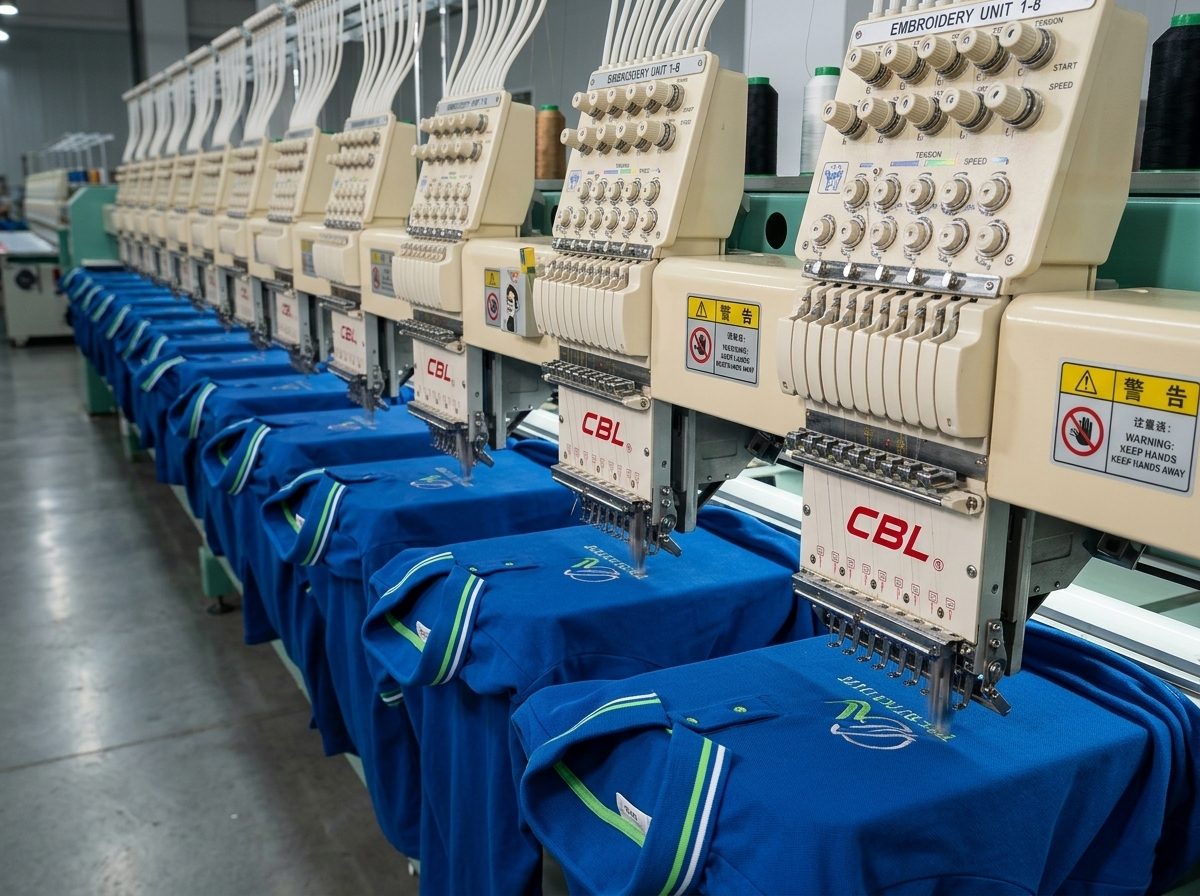
Silicone Screen Printing: Ink Chemistry u0026 Curing Precision
Silicone Base u0026 Catalyst Formulation
Premium silicone screen printing begins with precise ink chemistry. ZORWILD uses two-part silicone systems with controlled catalyst ratios to ensure optimal viscosity, flow characteristics, and cure stability. Proper formulation prevents under-curing, over-thickening, and adhesion failures across cotton, polyester, and blended substrates.
- Two-part silicone ink systems with adjustable catalyst ratios for fabric compatibility
- Viscosity control ensures clean print edges and consistent deposit thickness
- Formulation testing on substrate samples before bulk production runs
- Temperature-stable compounds maintain print integrity through 50+ washing cycles
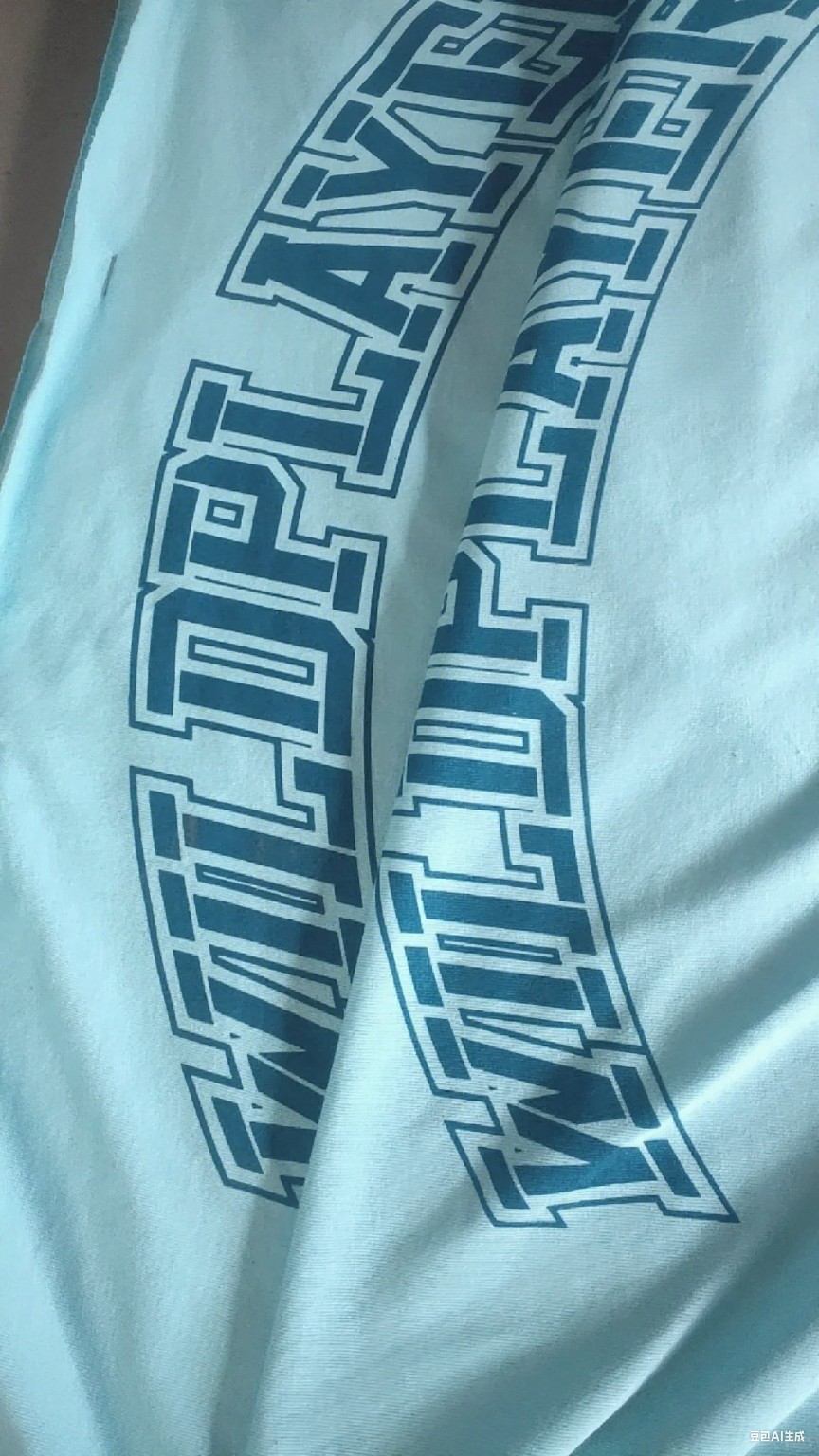
Mesh Count u0026 Registration Tolerance
Screen selection and registration accuracy define silicone screen printing clarity and durability. Our production floor uses 110–160 mesh screens for optimal ink deposit, paired with micro-registration systems that hold ±0.5mm tolerance across multi-color designs. Tight registration prevents color bleed and ensures crisp graphic edges.
- 110–160 mesh count selection balances ink deposit and detail resolution
- Micro-registration systems maintain ±0.5mm alignment across color layers
- Pre-production screen tension calibration ensures consistent ink release
- Multi-color artwork separated and proofed before screen exposure
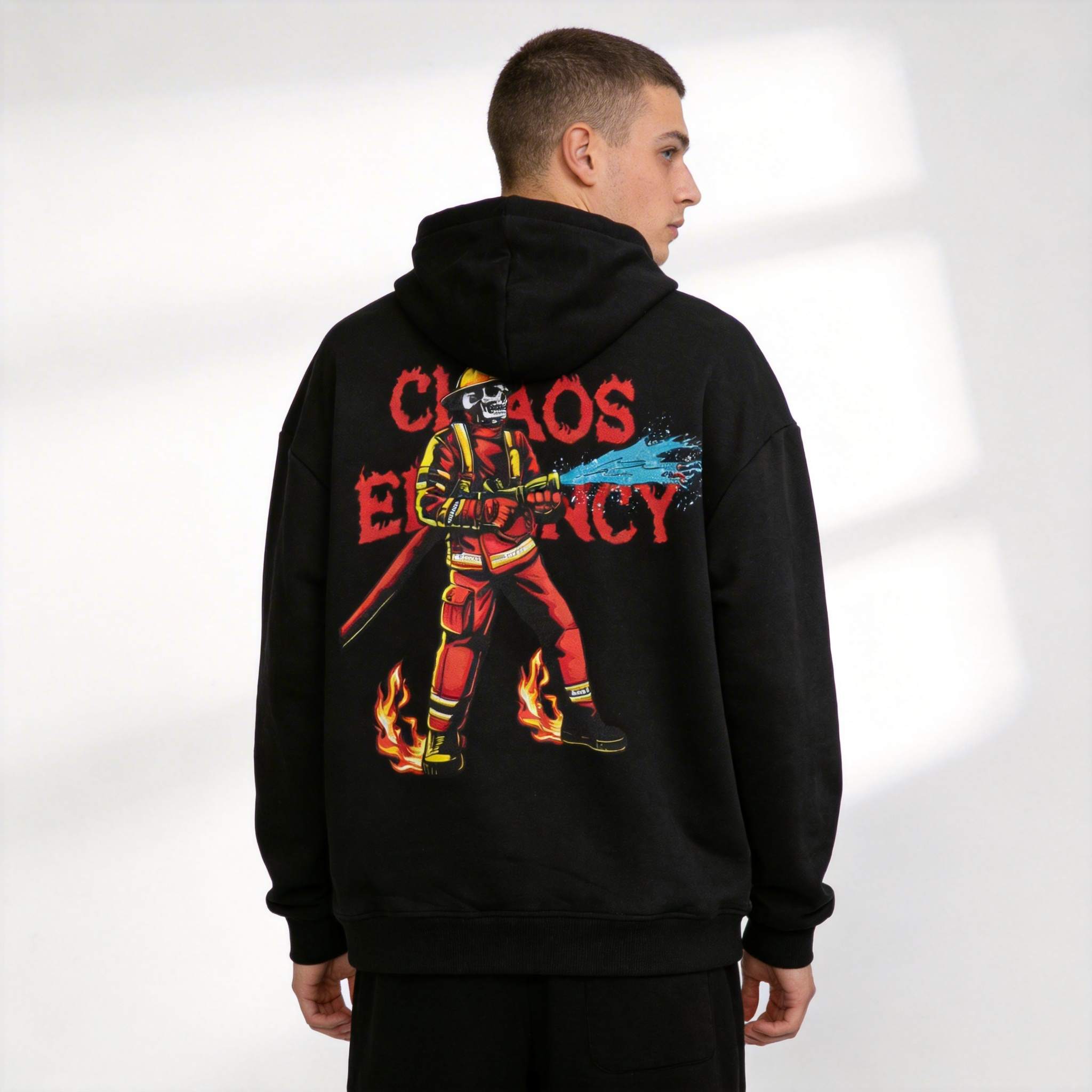
Curing Temperature u0026 Dwell Time
Silicone ink requires precise heat curing to achieve its signature soft-touch finish and wash durability. ZORWILD’s tunnel ovens maintain 160–180°C curing zones with controlled dwell times of 60–90 seconds, ensuring complete cross-linking without scorching fabric or degrading print elasticity on stretch garments.
- Tunnel ovens calibrated to 160–180°C for optimal silicone cross-linking
- 60–90 second dwell time ensures complete cure without fabric damage
- Temperature profiling for cotton, polyester, and performance fabric substrates
- Post-cure inspection verifies adhesion strength and hand feel consistency
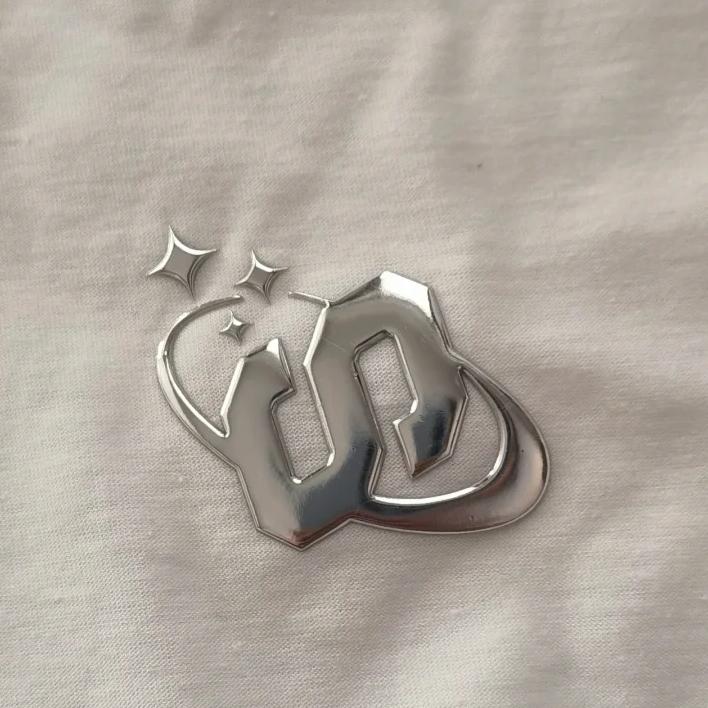
Quality Control u0026 Wash Testing
Every silicone screen printing batch undergoes rigorous inspection and accelerated wash testing before shipment. Our six-stage quality control system includes pre-production substrate checks, in-line print inspection, post-cure adhesion tests, and 20+ cycle wash trials to validate color fastness, hand feel retention, and graphic integrity.
- Six-stage quality control from substrate inspection to final garment audit
- Adhesion peel tests confirm silicone bond strength on all fabric types
- 20+ cycle accelerated wash testing validates color and texture durability
- Hand feel evaluation ensures consistent soft-touch finish across production lots
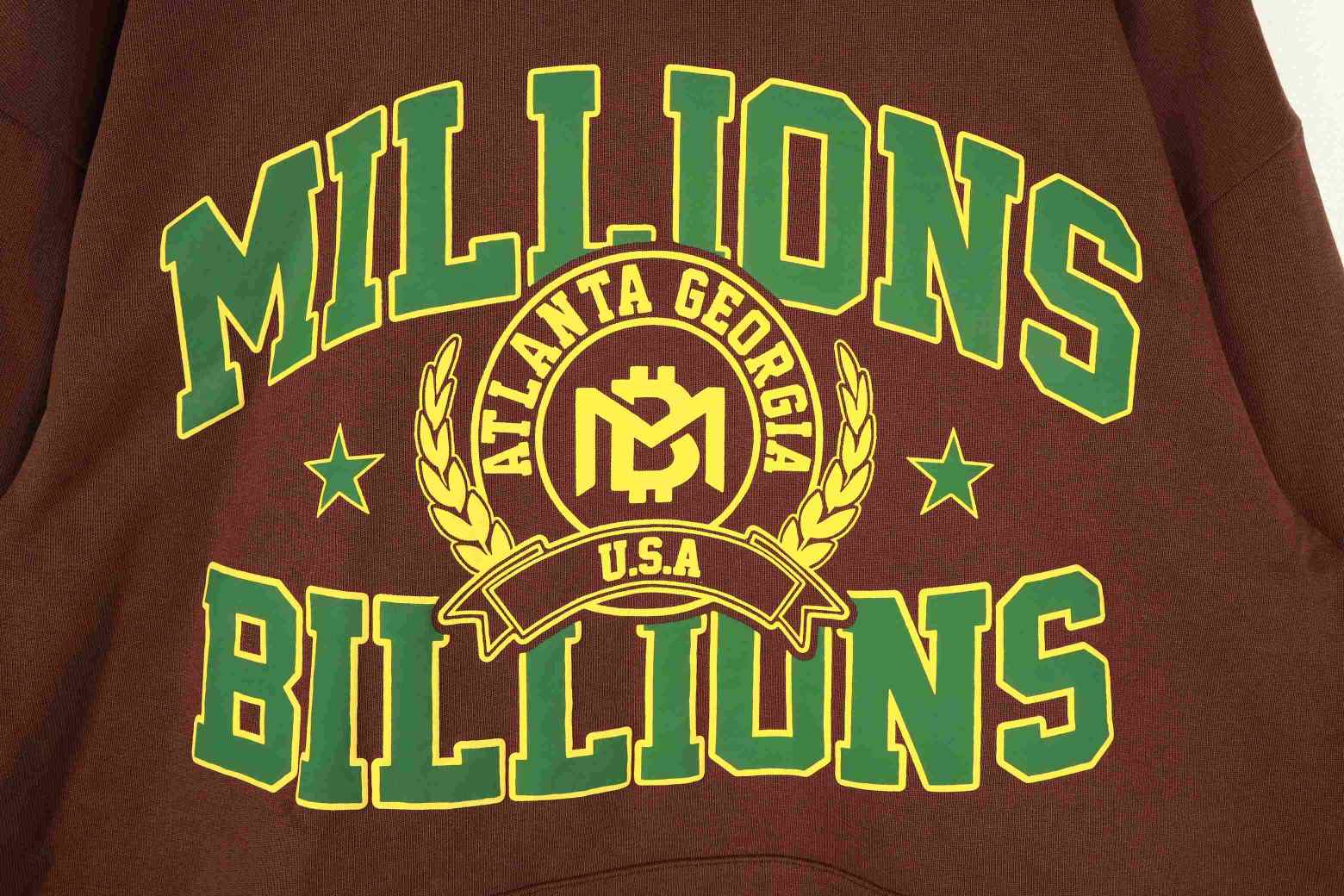
Silicone Screen Printing vs. Plastisol u0026 Water-Based Printing
Understanding the key differences between silicone screen printing and traditional ink systems helps you select the right decoration technique for your brand’s performance, aesthetic, and production requirements.
← 左右滑动查看 →
Silicone Screen Printing Production Flow
Our 27-year manufacturing expertise ensures precision control at every stage of silicone screen printing, from artwork preparation through final quality inspection.
Artwork Separation u0026 Screen Prep
Design files are color-separated, screens are coated with photosensitive emulsion, exposed under UV light, and washed to create precise stencils for each color layer.
Silicone Ink Mixing u0026 Testing
Custom silicone ink formulations are mixed to exact Pantone specifications, viscosity is adjusted, and test prints verify color accuracy and soft-touch finish quality.
Registration u0026 Print Setup
Screens are mounted and registered with micro-adjustments to ensure perfect alignment across all color layers, preventing misregistration and ensuring crisp graphics.
Silicone Screen Printing Application
Silicone ink is applied through mesh screens with controlled pressure and stroke speed, building the raised soft-touch texture that defines premium silicone printing.
Heat Curing u0026 Setting
Printed garments pass through industrial tunnel dryers at controlled temperatures, fully curing the silicone ink to ensure wash durability and permanent adhesion to fabric.
Quality Inspection u0026 Packaging
Every garment undergoes our 6-stage quality control system checking print clarity, color consistency, texture uniformity, and wash resistance before final packaging and shipment.
How to Order Custom Silicone Screen Printed Apparel
ZORWILD’s streamlined ordering process ensures your silicone screen printing project meets exact specifications from design submission to final production with full technical support at every stage.
Submit Your Design u0026 Requirements
Send vector artwork (AI, EPS, or PDF format), Pantone color references, design size specifications, and garment details. Our team reviews technical feasibility within 24 hours.
Receive Art Optimization Recommendations
ZORWILD’s pre-production team evaluates line weights, detail complexity, and silicone ink compatibility, then provides professional adjustments to maximize print durability and soft-touch finish quality.
Approve Physical Sample
We produce a physical sample showcasing actual silicone screen printing texture, color accuracy, wash durability, and hand feel on your chosen fabric before committing to production.
Confirm Production Specifications
Finalize quantities (MOQ 50 pieces), delivery timelines, Pantone matches, print placement coordinates, and curing parameters. Full tech pack documentation ensures consistency across your entire order.
Begin Bulk Production u0026 QC
Your silicone screen printing enters our 6-stage quality control system with in-line inspection, wash testing, measurement verification, and final packaging before global shipment from Dongguan.
Customer Success Stories: Silicone Screen Printing Results
ZORWILD’s silicone screen printing delivered the exact soft-touch feel we needed for our premium streetwear line. After 20+ washes, the logos still look perfect with zero cracking. Color matching was spot-on from the first sample.
We ordered 800 hoodies with complex silicone prints featuring fine detail and gradients. Every piece passed our QC, and delivery was three days early. The raised texture gives our brand the luxury finish that sets us apart.
Switching to ZORWILD’s silicone screen printing cut our customer returns by 40% compared to our old plastisol supplier. The durability is incredible, and the soft hand feel matches high-end retail standards. Production communication was flawless throughout.
Silicone Screen Printing FAQ
What fabrics work best with silicone screen printing?
How many colors can I use in a silicone screen printing design?
What is the maximum design size for silicone screen printing?
Can I combine silicone screen printing with embroidery or patches?
How durable is silicone screen printing after multiple washes?
What is the MOQ for silicone screen printing orders at ZORWILD?
What is the lead time for silicone screen printing production?
What art file formats do you need for silicone screen printing?
How much does sampling cost for silicone screen printing?
The Complete Buyer’s Guide to Silicone Screen Printing for Your Brand
1. What Is Silicone Screen Printing?
Silicone screen printing is a specialty garment decoration technique that applies silicone-based polymer inks through a mesh screen onto fabric, creating a raised, three-dimensional print with a distinctive soft-touch, rubber-like texture. Unlike traditional plastisol or water-based inks that cure flat or slightly raised, silicone inks form a flexible, tactile surface that remains soft and elastic even after multiple washes. The process deposits a thicker ink layer — typically 0.3 to 1.2 mm in height — resulting in prints that customers can feel as well as see, making it ideal for premium streetwear labels, athletic apparel, and fashion brands seeking a luxury finish.nnSilicone screen printing differs from standard screen printing in three critical ways: ink composition, curing method, and final hand feel. Plastisol inks are PVC-based polymers that cure at 160–180°C and produce a stiffer, less flexible finish, while water-based inks penetrate fabric fibers for a soft hand but lack dimensional texture. Silicone inks cure at lower temperatures (140–160°C) through a heat-activated cross-linking process, bonding to fabric surfaces without cracking or peeling under stretch. This flexibility makes silicone printing the preferred choice for performance wear, activewear, and any garment requiring repeated movement or washing.nnBrands choose silicone screen printing when they need durable, high-end decoration that communicates quality through tactile experience. The technique excels for logo branding, raised graphic details, 3D text effects, and premium label applications on hoodies, T-shirts, sportswear, jackets, and technical apparel where both aesthetics and performance matter.
2. Evolution and History of Silicone Screen Printing
Silicone screen printing emerged in the 1980s as an industrial solution for adding grip and texture to functional products such as gloves, protective gear, and automotive components. Early formulations prioritized durability and tactile performance over aesthetic flexibility, making them ideal for safety equipment and high-wear applications where rubber-like elasticity was essential.nnBy the mid-1990s, sportswear manufacturers adopted silicone screen printing to create raised logos, grip zones on athletic gloves, and non-slip waistband details on performance shorts and leggings. The technique’s ability to deliver a three-dimensional, rubberized finish that remained flexible through repeated washing quickly made it a standard for activewear brands seeking premium branding and functional decoration. Major sportswear labels integrated silicone printing into team uniforms, compression garments, and technical outerwear, driving demand for higher color accuracy and finer detail resolution.nnThe 2010s saw silicone screen printing expand into streetwear and fashion branding as designers sought tactile contrast and luxury hand feel. Brands began layering silicone prints over garment-dyed hoodies, vintage-wash T-shirts, and oversized sweatshirts to create dimensional logos, embossed typography, and textured graphic elements that elevated perceived product value.nnRecent innovations focus on phthalate-free and eco-friendly silicone formulations that meet OEKO-TEX and GOTS standards, responding to consumer demand for safer, more sustainable decoration methods. Water-based silicone inks now offer reduced environmental impact while maintaining the signature soft-touch durability that defines the technique.
3. Types of Silicone Screen Printing Techniques
Silicone screen printing divides into distinct technique families, each delivering specific visual and tactile effects. Understanding these variants helps brands match decoration method to product category, budget, and aesthetic goals.
Standard Raised Silicone
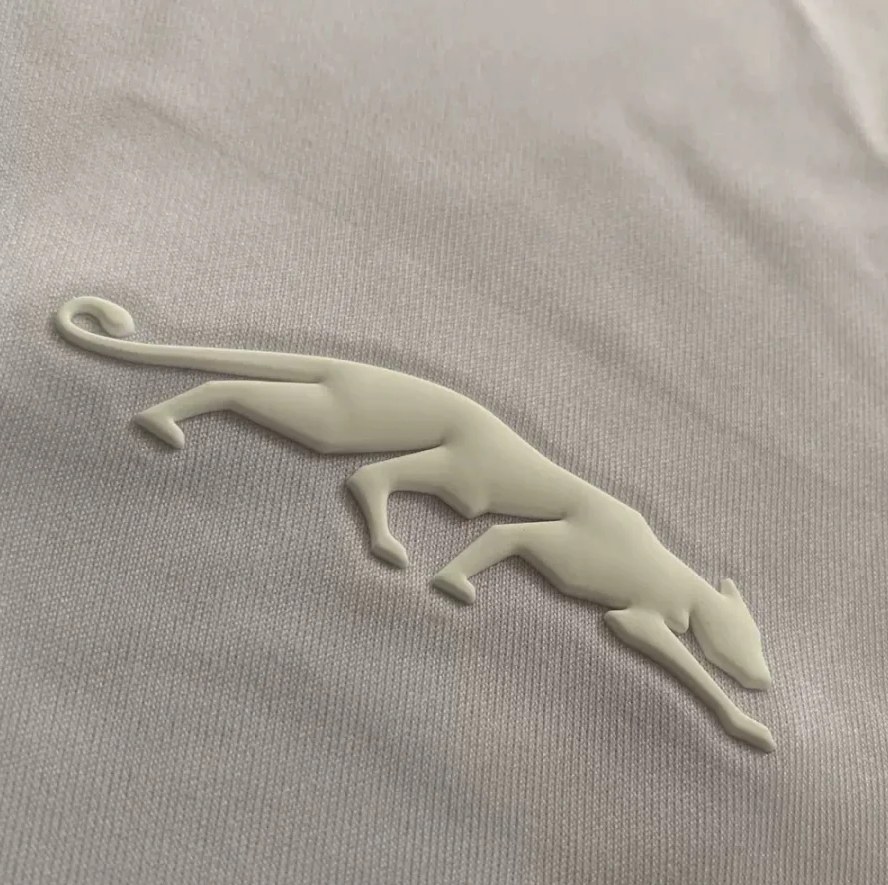
Standard raised silicone deposits a smooth, slightly elevated layer 0.5–1.0 mm thick with a soft rubber feel. The print surface remains flexible, resists cracking through 50+ industrial washes, and works across cotton, polyester, and blends.nnTypical applications include athletic jerseys, casual T-shirts, and promotional apparel where durability outweighs dramatic texture. Cost per print remains 15–25% lower than high-density variants due to single-pass application and faster curing cycles.
High-Density Silicone
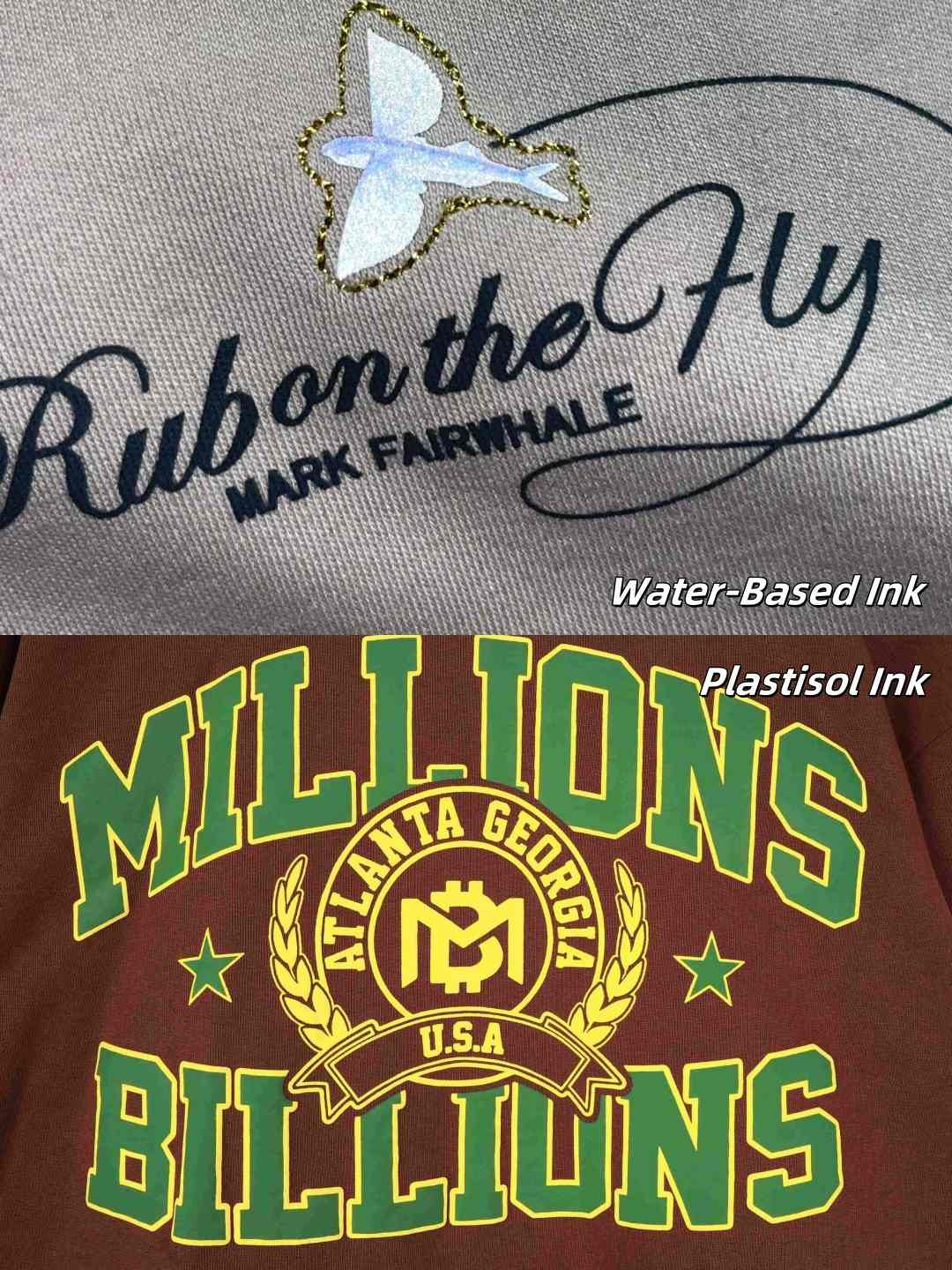
High-density silicone builds thickness to 2–3 mm through multiple ink deposits or specialized formulations, creating bold three-dimensional graphics. The extra height delivers premium tactile branding ideal for streetwear hoodies, luxury sportswear, and fashion labels emphasizing texture.nnProduction complexity increases due to longer curing times and careful layer registration. Brands pay 30–50% more per print but achieve standout shelf appeal and perceived value that supports higher retail pricing.
Puff Silicone and Expanded Textures
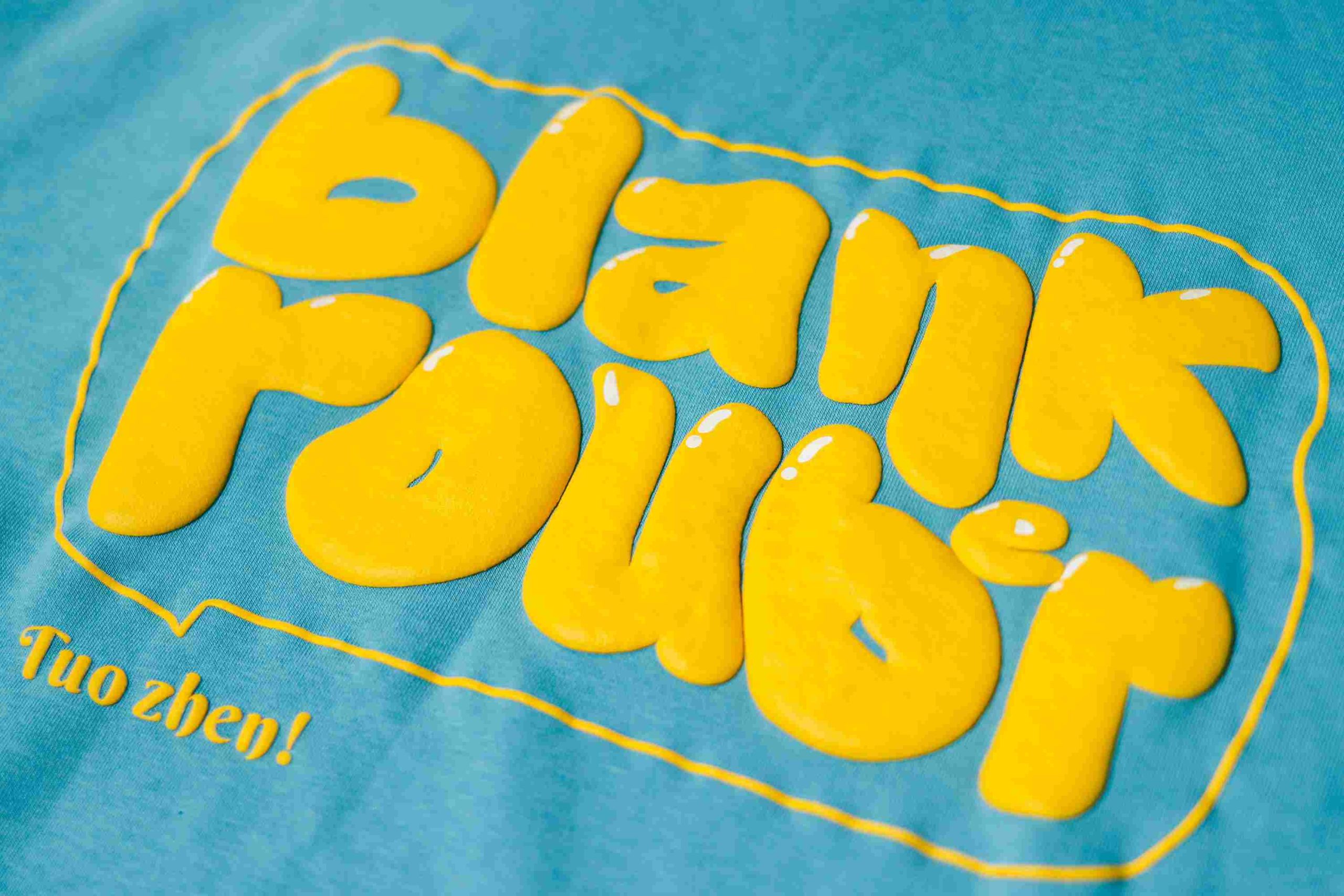
Puff silicone incorporates expansion agents that activate during heat curing, inflating the print to 3–5 mm with a soft foam-like surface. This technique suits vintage-inspired graphics, retro sportswear, and youth fashion collections seeking playful texture contrast.nnThe expanded structure reduces abrasion resistance compared to solid silicone, making it better for low-friction zones like chest or back panels. Lead times extend 1–2 days for formulation and test curing.
Finish and Specialty Effects
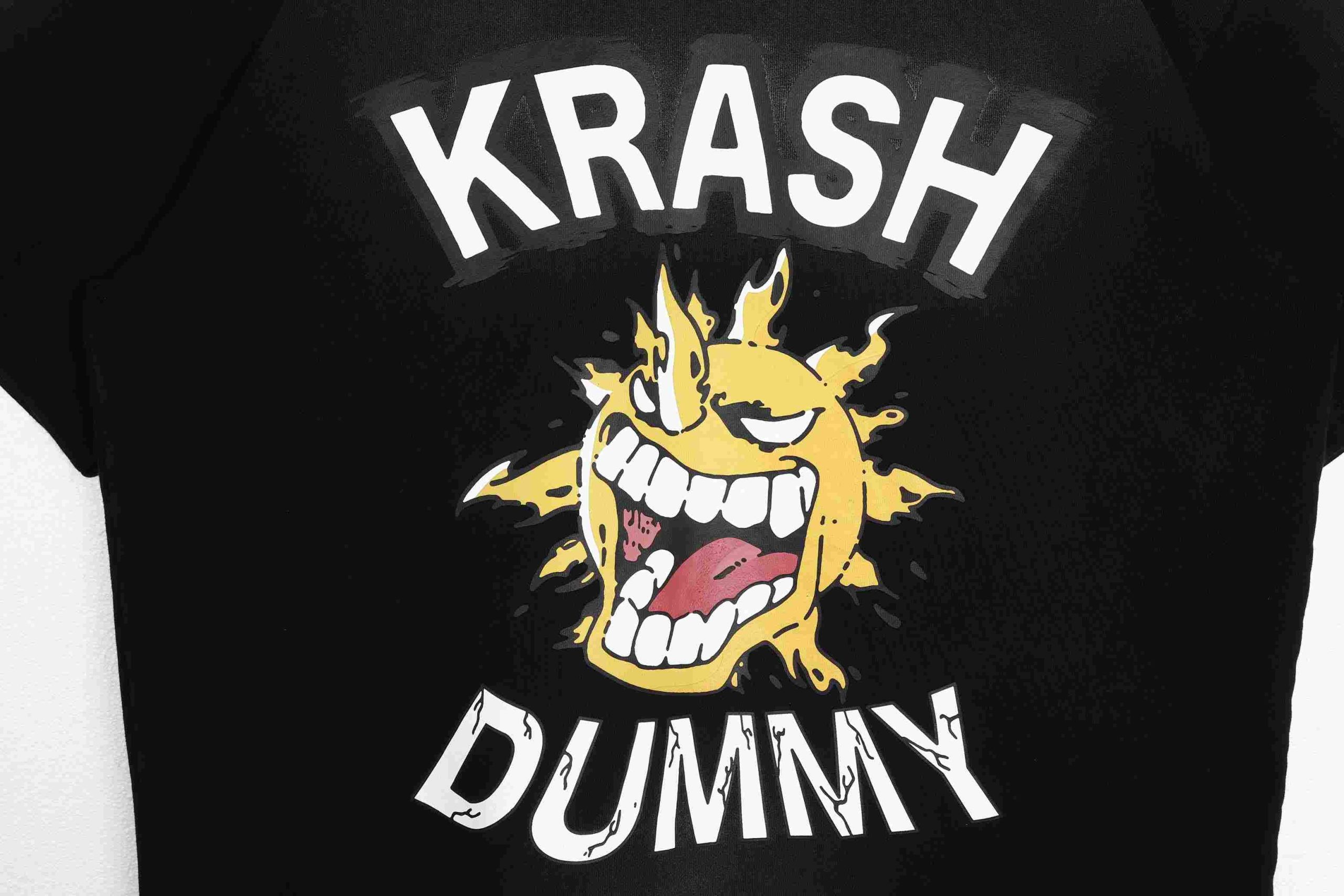
Matte silicone delivers understated, non-reflective surfaces favored in minimalist fashion and technical athletic wear, while gloss finishes create shiny, patent-like effects for bold streetwear and nightlife apparel. Metallic silicone blends reflective pigments for luxury branding, and glow-in-the-dark formulations serve promotional and safety applications.nnSpecialty inks add 20–40% cost and require minimum order quantities of 100–200 pieces to justify custom formulation. ZORWILD supports all finish types with in-house testing to ensure wash durability and color consistency across production runs.
4. Materials and Fabrics Compatible with Silicone Screen Printing
Silicone screen printing adheres to a wide range of substrates, but compatibility varies by fabric structure, fiber content, and stretch characteristics. Understanding adhesion requirements and curing parameters ensures long-lasting, wash-fast results across cotton, synthetics, blends, and technical materials.
| Fabric Type | Silicone Compatibility | Durability Rating | Common Use Cases |
|---|---|---|---|
| 100% Cotton / Cotton Blends | Excellent | 50+ washes | T-shirts, hoodies, sweatshirts, casual wear |
| Polyester / Poly Blends | Good (modified ink) | 40+ washes | Sportswear, activewear, performance apparel |
| Nylon / Technical Fabrics | Good (primer required) | 35+ washes | Outerwear, windbreakers, technical jackets |
| Stretch Fabrics (10–30% spandex) | Excellent (flexible ink) | 45+ washes | Leggings, fitted tees, yoga wear, athleisure |
| Canvas / Heavy Woven | Excellent | 60+ washes | Tote bags, workwear, utility garments |
| Coated Nylon / PVC | Fair (surface treatment) | 30+ washes | Bags, accessories, waterproof gear |
Natural Fiber Fabrics: Cotton and Blends
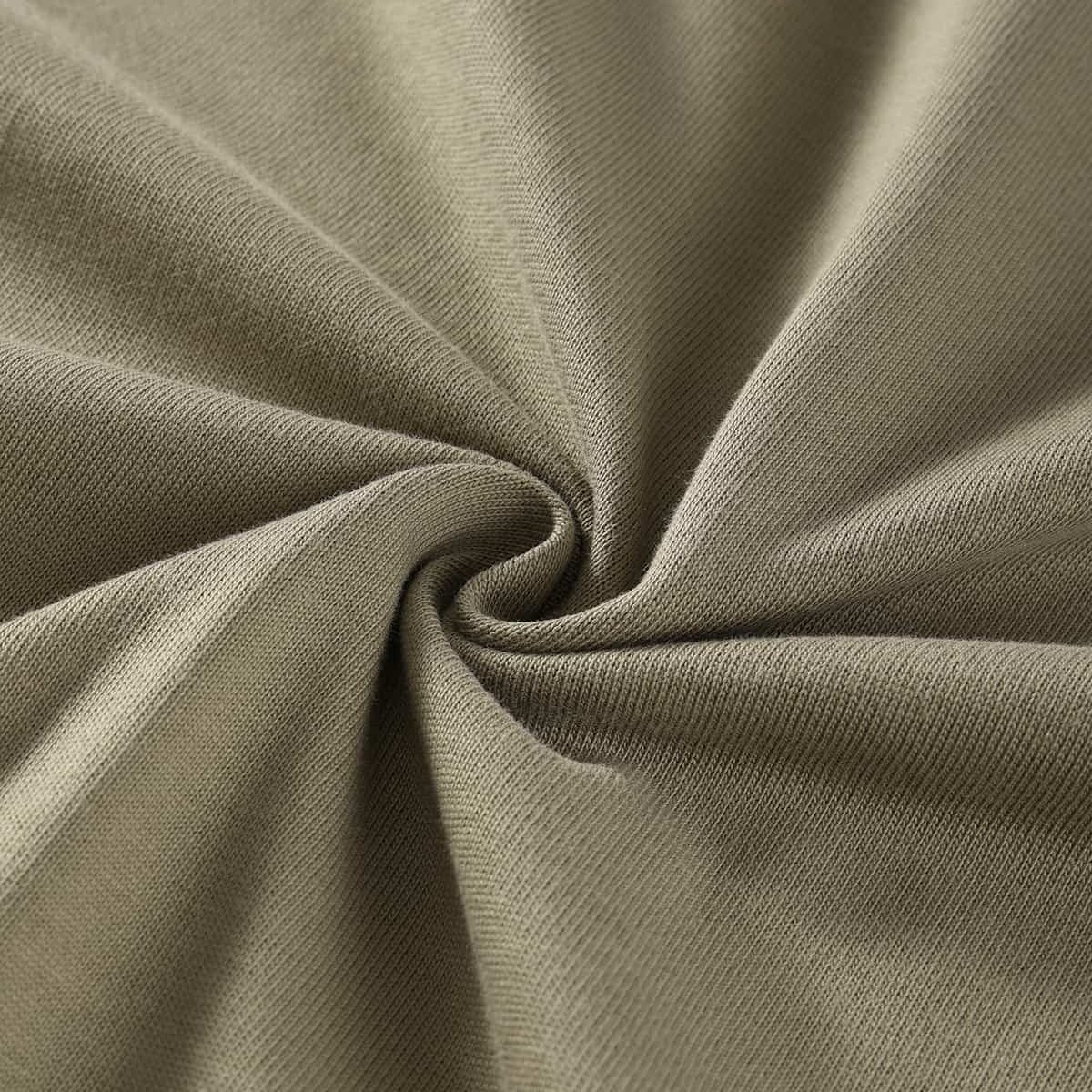
100% cotton, organic cotton, and cotton-polyester blends (50/50 to 80/20) offer excellent silicone ink adhesion due to their absorbent surface and stable weave structure. French terry, fleece, and heavyweight jersey (180–320 GSM) provide ideal bases for raised puff silicone and high-detail graphics.nnCuring at 160–170°C for 90–120 seconds ensures full cross-linking and wash-fastness up to 50+ industrial laundry cycles. Cotton blends with up to 20% spandex retain flexibility without cracking, making them suitable for activewear and fitted garments where stretch recovery is critical.
Synthetic and Technical Fabrics
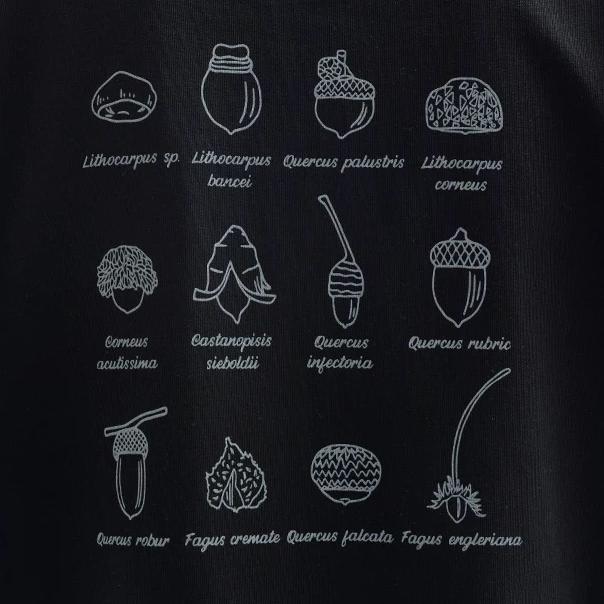
Polyester, nylon, and technical performance fabrics require modified silicone formulations and lower curing temperatures (140–150°C) to prevent fabric scorching or shrinkage. Moisture-wicking polyester blends, ripstop nylon, and waterproof coated fabrics bond well with silicone inks designed for low-surface-energy substrates.nnZORWILD’s production team adjusts curing profiles and uses adhesion promoters to ensure durability on quick-dry sportswear, windbreakers, and outdoor jackets. Four-way stretch fabrics (spandex content 10–30%) maintain print flexibility without delamination during repeated extension cycles.
Non-Textile Surfaces and Accessories
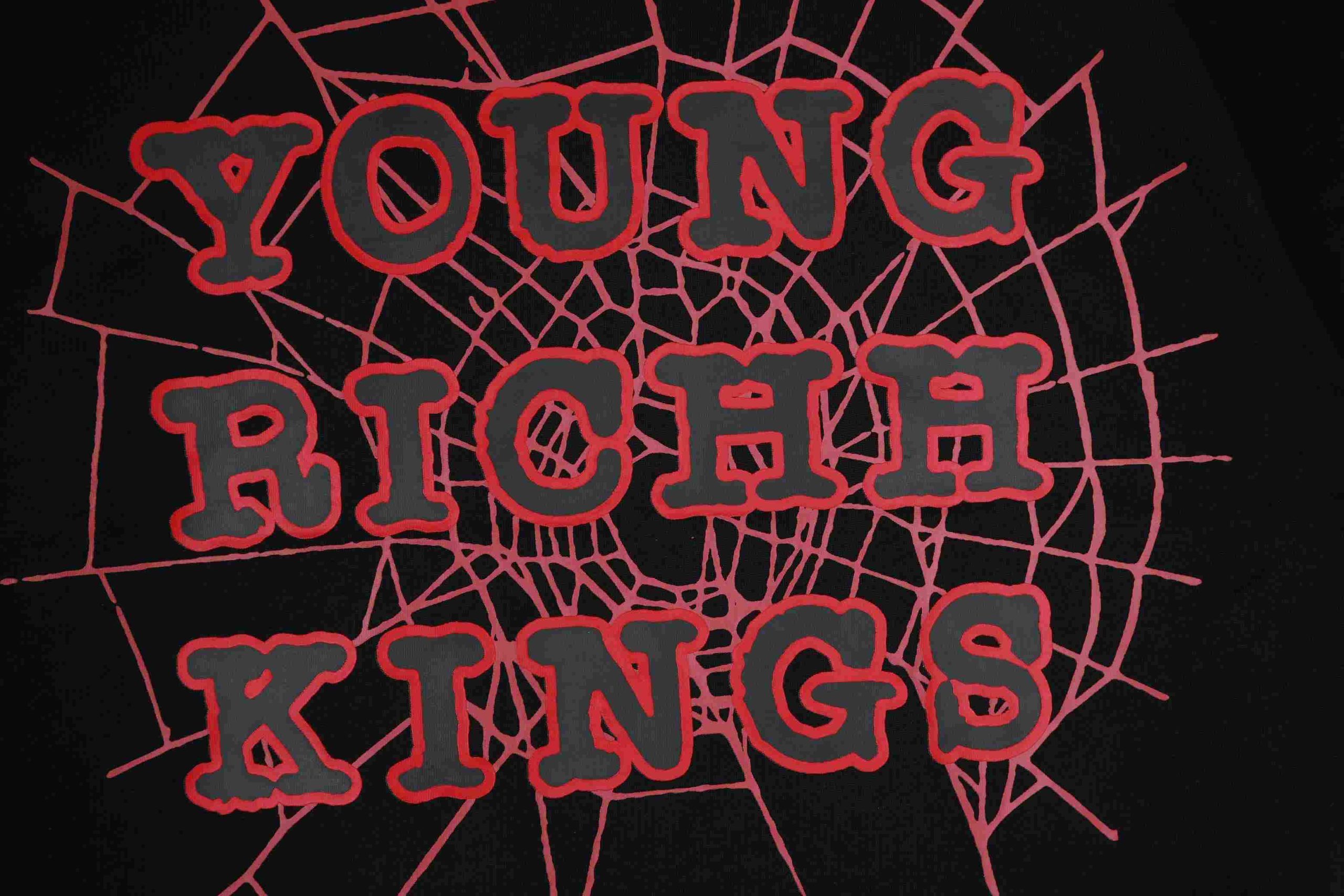
Silicone screen printing works on canvas tote bags, nylon backpacks, polyester caps, and synthetic leather patches when proper surface preparation and primer application are used. Non-porous materials like coated nylon or PVC require corona treatment or flame treatment to improve ink adhesion before printing.nnZORWILD supports silicone branding on garment accessories including custom hang tags, woven label backing, zipper pulls, and branded packaging components, extending brand identity beyond the garment itself with consistent tactile quality and visual impact.
5. Customization and Decoration Options in Silicone Screen Printing
Silicone screen printing offers extensive design flexibility beyond basic logos, enabling brands to create signature visual identities through texture, color, and hybrid decoration techniques. Understanding these customization options helps brands differentiate products and justify premium positioning.
| Decoration Method | Cost per Unit | Design Complexity | Lead Time |
|---|---|---|---|
| Silicone Screen Print | $1.20–$2.50 | Medium (1–6 colors) | 7–10 days |
| Silicone + DTG | $2.80–$4.50 | High (full-color base) | 10–14 days |
| Silicone + Embroidery | $3.50–$5.20 | High (mixed textures) | 12–15 days |
| 3D Silicone Print | $1.80–$3.20 | Medium (raised detail) | 8–12 days |
Multi-Color Layering and Pantone Matching
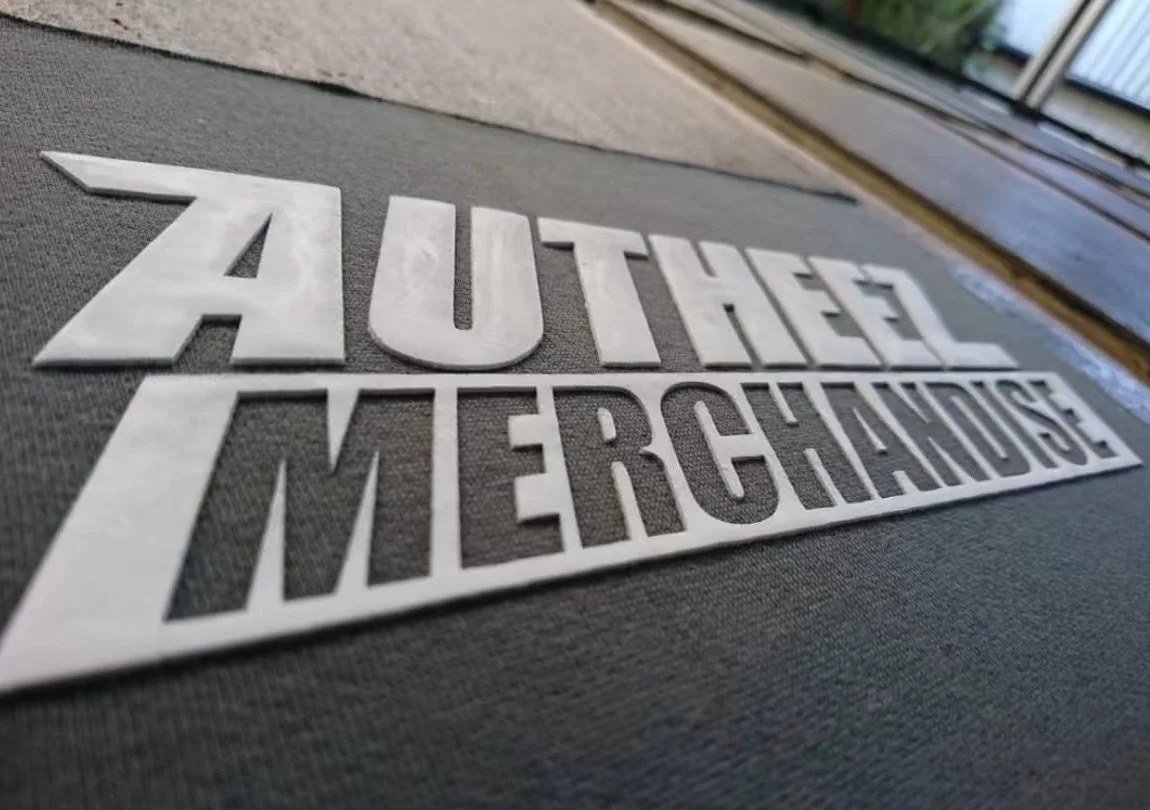
Silicone screen printing supports precise multi-color designs through sequential layering, with most manufacturers handling 1–6 colors per design. Custom Pantone color matching ensures brand color consistency across production runs, typically requiring a 300-piece minimum order quantity per custom color due to ink mixing and setup costs.nnTransparent silicone finishes create subtle tonal effects on light fabrics, while opaque formulations deliver bold contrast on dark garments. Setup fees for custom colors range from $30–$80 per color, amortized across larger orders.
3D and Tactile Texture Effects
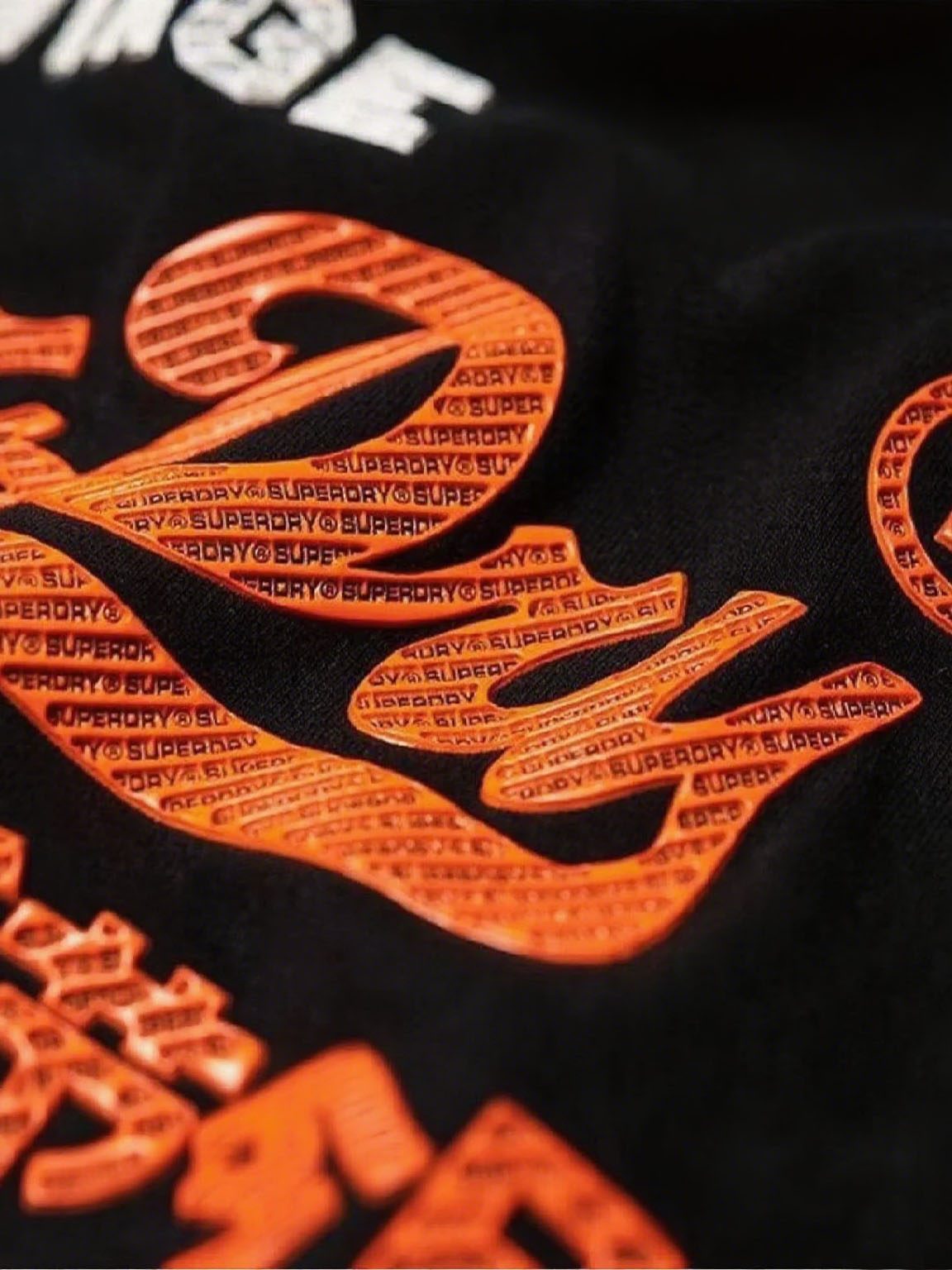
High-density silicone printing creates raised, tactile patterns with thickness up to 3 mm, popular in streetwear and athletic branding. Textured silicone adds dimensional interest to logos, typography, and decorative patterns, enhancing perceived garment value.nnManufacturers control texture height through ink viscosity and screen mesh count, with 43–60 mesh screens standard for thick deposits. Lead time for 3D silicone samples extends 2–3 days beyond flat printing due to curing requirements.
Hybrid Decoration Combinations
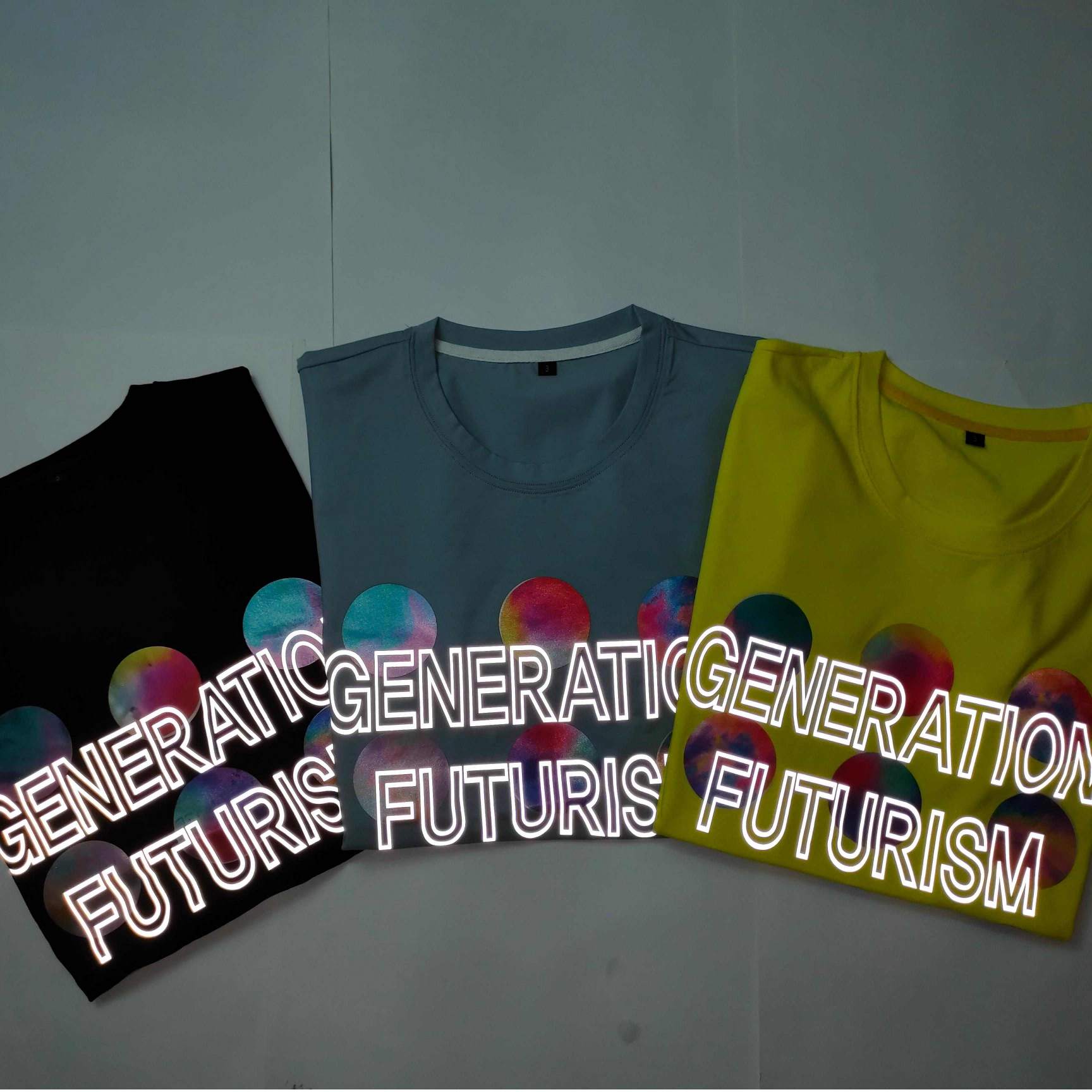
Combining silicone screen printing with embroidery, DTG, or puff printing creates layered visual effects unattainable with single methods. Common hybrids include silicone logos over DTG backgrounds, embroidered patches with silicone borders, and reflective printing accents on silicone bases.nnHybrid decoration increases per-unit costs by 20–40% but significantly differentiates brand aesthetics. Production lead times extend 3–5 days when coordinating multiple decoration processes across specialized workstations.
6. Key Quality Elements in Silicone Screen Printing
Professional silicone screen printing quality depends on five measurable benchmarks: adhesion strength, edge sharpness, color consistency, complete cure, and wash durability exceeding 50 cycles. Buyers should test samples before bulk production to identify defects such as cracking, fading, or incomplete cure.
Ink Adhesion and Peel Resistance
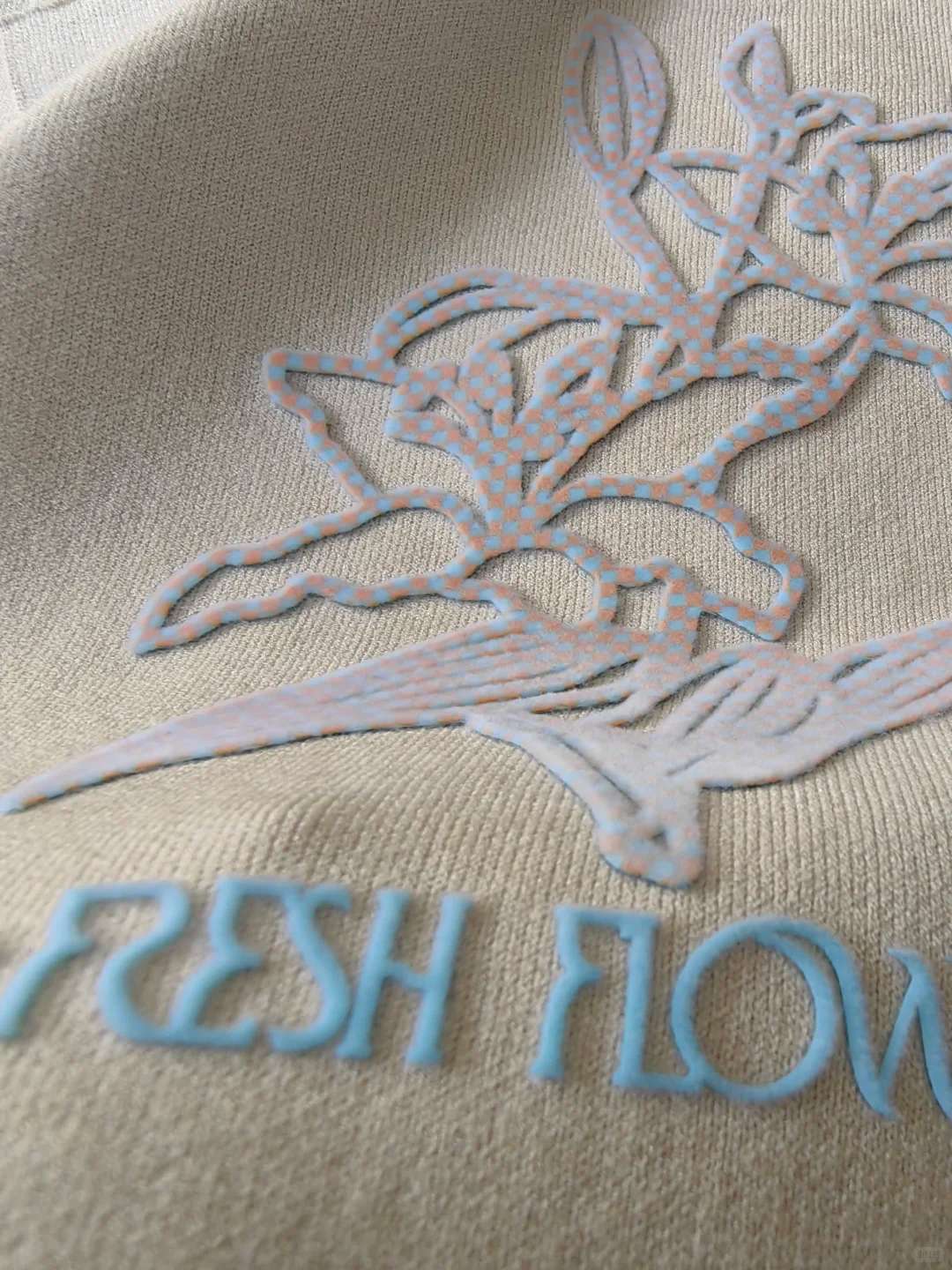
Properly cured silicone ink bonds permanently to fabric fibers and resists peeling under stress. Test adhesion by applying transparent tape to the printed area, pressing firmly, then pulling at 180 degrees — no ink should transfer to the tape.nnPoor adhesion results from insufficient curing temperature, contaminated fabric surfaces, or incompatible ink formulations. ZORWILD applies strict cure protocols and fabric pre-treatment to ensure prints withstand repeated stretching and washing without edge lifting or ink separation.
Edge Definition and Print Sharpness
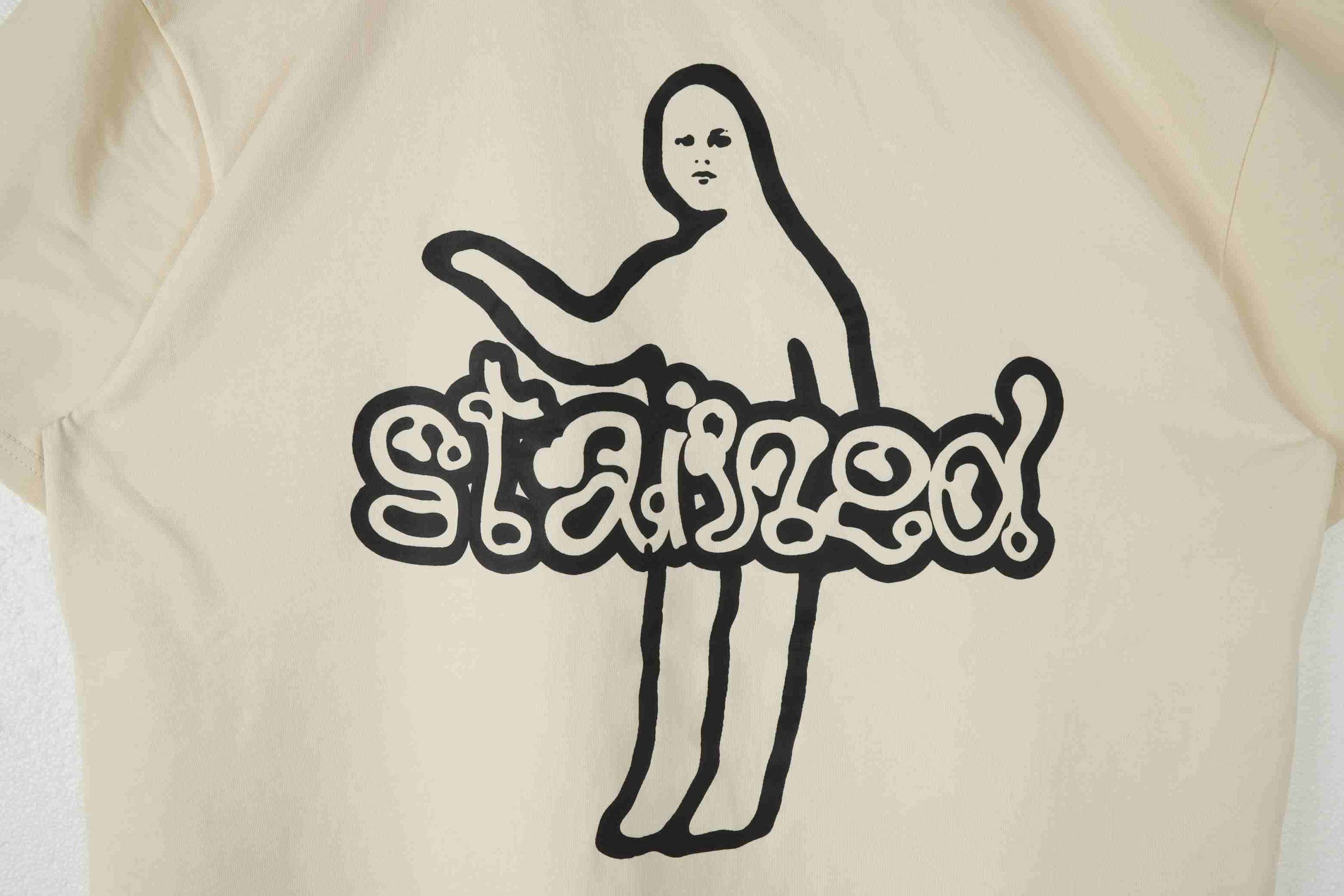
High-quality silicone screen printing delivers crisp edges and fine detail down to 1 mm line width. Inspect samples under magnification for ink bleed, jagged edges, or incomplete coverage in thin lines.nnBlurred edges indicate worn screens, incorrect squeegee pressure, or excessive ink viscosity. Professional manufacturers maintain screen tension above 25 Newtons per centimeter and use precision squeegee angles between 45 and 60 degrees to achieve sharp registration and clean graphic reproduction.
Color Consistency Across Batches
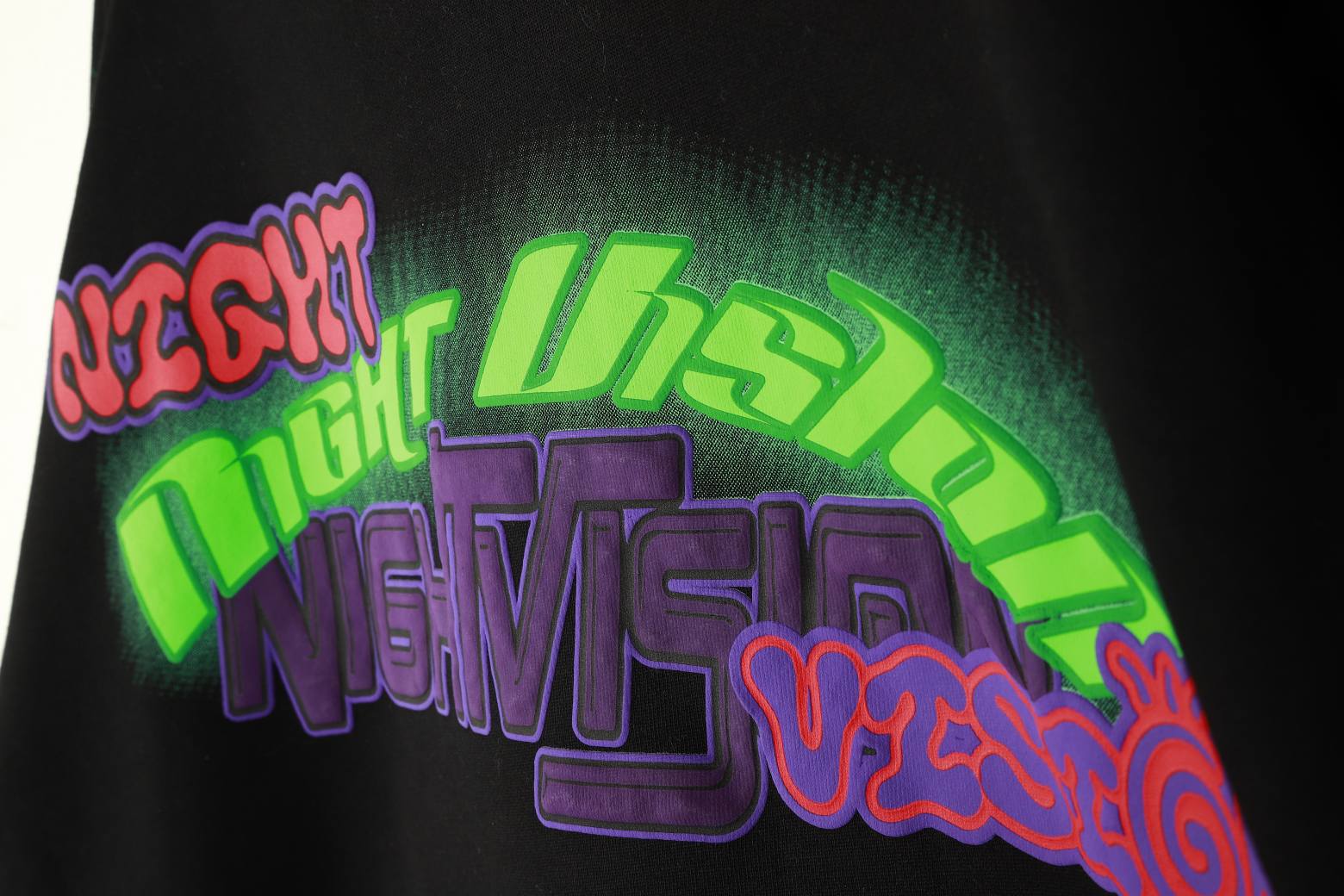
Pantone-matched silicone inks should show zero visible color shift between production runs. Request color swatches from multiple batches and compare under daylight (D65) lighting conditions to detect variations.nnColor drift occurs when manufacturers mix inks manually without digital scales or fail to control curing temperature. ZORWILD uses standardized ink recipes, digital color matching, and batch documentation to maintain consistent color performance across orders of 500 to 10,000 units.
Cure Quality and Surface Finish
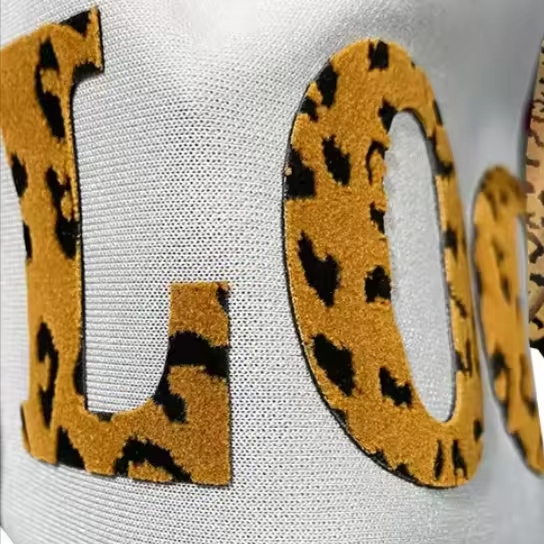
Fully cured silicone prints feel dry, smooth, and slightly raised with no tackiness or residue transfer. Press your thumb firmly against the print for five seconds — properly cured ink leaves no fingerprint or sticky sensation.nnIncomplete cure causes prints to attract lint, stick to packaging, or transfer ink to other garments during storage. Professional curing requires conveyor dryer temperatures between 160 and 180 degrees Celsius with dwell times of 60 to 90 seconds depending on ink thickness and fabric weight.
Wash Durability Testing Protocols
Commercial-grade silicone screen printing must survive 50 or more industrial wash cycles at 60 degrees Celsius without cracking, fading, or peeling. Request pre-washed samples or conduct accelerated wash tests using standard detergent and tumble drying.nnDefects appear as micro-cracks in thick ink deposits, color fading in under-cured prints, or edge peeling in poorly adhered graphics. ZORWILD tests all print methods through 50-cycle wash protocols and inspects for color retention, dimensional stability, and surface integrity before approving production samples.
7. How to Choose a Silicone Screen Printing Manufacturer
Selecting the right silicone screen printing partner requires systematic evaluation of technical capabilities, compliance standards, and operational reliability. A structured due diligence process protects your brand investment and ensures consistent quality across production runs.
Verify Industry Certifications and Compliance
Request OEKO-TEX Standard 100 certification for silicone inks and textile safety, confirming that finished garments meet international standards for harmful substances. GOTS certification applies when printing on organic cotton substrates. WRAP or BSCI audits demonstrate ethical labor practices and factory transparency.nnCertified manufacturers maintain documentation trails, batch testing records, and material safety data sheets that protect your brand from compliance risks in regulated markets.
Assess Equipment and Technical Capabilities
Automatic carousel presses deliver faster throughput and tighter registration for multi-color silicone designs, while manual presses suit low-volume specialty work. Infrared or conveyor curing ovens ensure proper silicone polymerization at 160–180°C for wash durability.nnManufacturers with mesh tension meters, Pantone matching systems, and climate-controlled print rooms produce more consistent results across repeat orders.
Request Sample Prints and Wash Testing
Order physical samples on your target fabric weight and color to evaluate silicone hand feel, edge definition, and color accuracy. Conduct 20-wash cycles at 40°C to verify ink adhesion, flexibility, and resistance to cracking or peeling.nnReputable manufacturers provide pre-production samples at no charge or nominal cost, demonstrating confidence in their silicone screen printing quality standards.
Evaluate MOQ Flexibility and Scalability
Startup brands benefit from 50–100 piece minimums for silicone screen printing test runs, while established labels require capacity for 5,000+ unit orders. Confirm whether the factory can scale production without sacrificing lead times or quality consistency.nnZORWILD supports low MOQ silicone screen printing from 50 pieces with monthly capacity exceeding 100,000 units, accommodating both emerging influencers and established wholesale clients.
Check Communication and Lead Time Reliability
Responsive manufacturers reply within 24 hours, provide detailed quotations with itemized costs, and offer production timelines broken into sampling, bulk production, and shipping phases. Standard silicone screen printing lead times range from 18–35 days depending on order complexity and decoration density.nnRequest client references and review case studies to confirm on-time delivery performance and problem-resolution responsiveness across multiple production cycles.
8. Common Mistakes Buyers Make with Silicone Screen Printing
Even experienced buyers make costly errors when ordering silicone screen printing. Technical mismatches, vague commercial terms, and overlooked legal safeguards can derail production timelines and inflate costs by 30–50%.
Technical Mistakes: Wrong Silicone or Fabric Pairing
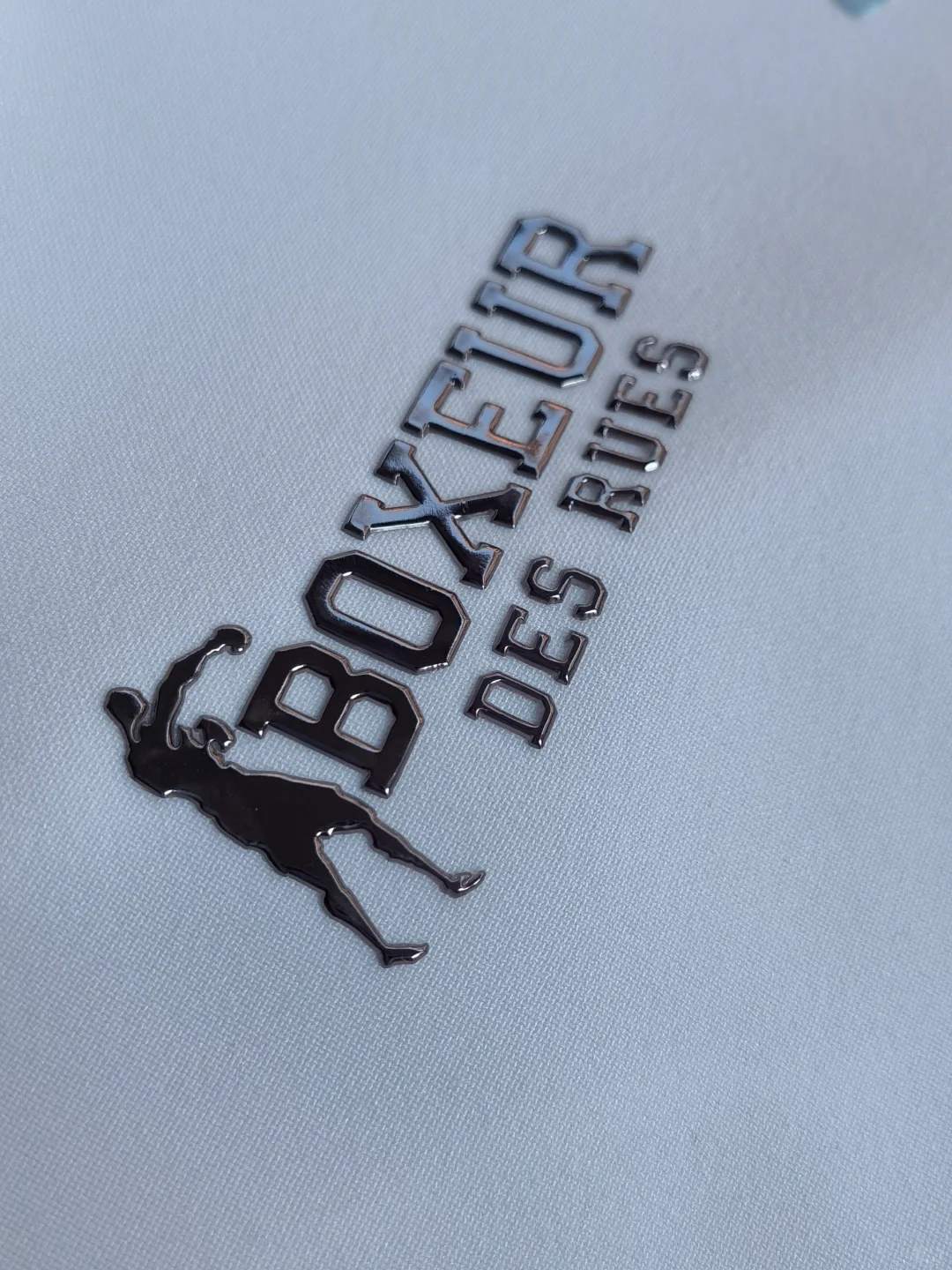
Selecting high-viscosity silicone for lightweight jersey or low-adhesion formulas for stretch fabrics causes cracking, peeling, and customer returns. Ignoring wash-test results before bulk production locks in defects across thousands of units.nnAlways request lab wash tests (minimum 10 cycles at 40°C) and specify fabric weight, stretch percentage, and finish type in your tech pack. Match silicone viscosity to fabric density and require photographic proof of wash durability before approving production.
Color-Matching and Quality Protocol Failures
Skipping Pantone reference standards or relying on digital proofs alone results in off-brand colors that fail retail quality checks. Manufacturers mixing silicone by eye rather than formula create batch-to-batch inconsistencies.nnProvide physical Pantone swatches, require strike-off samples on actual production fabric, and specify color tolerance (typically ΔE ≤ 2.0 for premium brands). Include color-matching clauses in contracts with reprint obligations for deviations.
Intellectual Property and Legal Oversights
Neglecting IP protection clauses in overseas production agreements exposes proprietary designs to unauthorized replication. Factories retaining screens and artwork after order completion may produce counterfeit copies for competitors.nnInclude confidentiality agreements, design ownership clauses, and screen destruction requirements in manufacturing contracts. Register trademarks in production countries and require signed IP acknowledgment before sharing artwork files.
- Mandate screen and film destruction post-production
- Register trademarks in manufacturer’s jurisdiction
- Use watermarked tech packs until contracts are signed
9. Steps to Launch Your Brand with Silicone Screen Printing
Launching a brand with silicone screen printing requires a systematic approach from concept through market entry. ZORWILD’s 27 years of manufacturing experience across more than 2,000 brands reveals six critical phases that reduce risk and accelerate time to market.
Define Design and Target Audience
Start with clear positioning: streetwear brands typically require raised silicone logos and puff effects, while athletic brands prioritize breathable water-based silicone for performance wear. ZORWILD’s development team translates sketches, tech packs, or reference garments into production-ready specifications.nnIdentify your audience’s price tolerance, preferred fabric weight (180–320 GSM for hoodies, 160–220 GSM for tees), and decoration density to guide material selection and silicone finish complexity.
Select Fabric and Silicone Finish
Match fabric to silicone type: 100% cotton and French terry accept standard silicone ink with excellent adhesion, while polyester blends require modified silicone formulations to prevent peel. ZORWILD sources cotton, organic cotton, bamboo blends, and technical fabrics from trusted Chinese suppliers.nnChoose silicone finish based on brand aesthetic—high-density raised silicone for premium streetwear, matte silicone for minimalist designs, or reflective silicone for technical fashion.
Source and Vet Manufacturers
Evaluate manufacturers on silicone screen printing capabilities, minimum order quantities, and quality systems. ZORWILD offers 50-piece MOQs for startup brands, monthly capacity exceeding 100,000 units, and in-line inspection covering raw materials, print quality, and wash durability.nnRequest facility certifications, sample portfolios, and client references to confirm expertise in silicone decoration and garment finishing techniques.
Order Samples and Conduct Wash Testing
Pre-production samples validate fit, silicone adhesion, color accuracy, and hand feel before committing to bulk orders. ZORWILD’s sampling process includes measurement inspection, print quality checks, and fabric evaluation.nnConduct 10–20 wash cycles at 40°C to test silicone durability, color fastness, and crack resistance. Document any peel, fade, or texture degradation to refine ink formulation or curing parameters.
Finalize Production and Plan Fulfillment
Lock production contracts specifying lead times (typically 25–35 days for bulk orders), payment terms, quality tolerances, and packaging requirements. ZORWILD provides custom labels, hang tags, polybags, and branded packaging to create premium unboxing experiences.nnCoordinate air freight for speed or sea freight for cost efficiency, and align inventory arrival with your go-to-market launch calendar to minimize storage costs and stockouts.
10. Pricing and Cost Considerations for Silicone Screen Printing
Silicone screen printing costs typically range from $2.50 to $8.00 per garment depending on order volume, color count, and print complexity. Setup fees for screen preparation start at $25 to $50 per color, with most streetwear graphics requiring 1 to 3 colors. Larger print areas above 12 inches and specialty finishes like high-density silicone or 3D puff effects add $0.50 to $1.50 per unit.u005cnu005cnFabric type directly impacts production cost because heavyweight fleece (300+ GSM) and technical polyester blends require adjusted ink viscosity and curing protocols compared to standard cotton jersey. Premium garments like French terry hoodies or performance activewear typically add $1.00 to $3.00 per unit to the base printing cost. Multi-location prints (front, back, sleeve) multiply labor and setup expenses proportionally.u005cnu005cnHidden costs include sampling fees of $50 to $150 per design iteration, rush production surcharges of 15% to 30% for orders under 10-day lead times, and color-matching fees when Pantone accuracy is required. Pre-production samples are essential to verify silicone ink adhesion, texture height, and wash durability before committing to bulk orders. Buyers should budget an additional 10% to 15% contingency for revisions, packaging upgrades, and international shipping variables when planning total project costs.
| Quantity Tier | Per-Unit Cost | Screen Setup Fee | Lead Time |
|---|---|---|---|
| 100 units | $6.00 – $8.00 | $75 – $150 (1–3 colors) | 12–15 days |
| 500 units | $4.00 – $5.50 | $75 – $150 (1–3 colors) | 10–14 days |
| 1,000 units | $3.00 – $4.50 | $75 – $150 (1–3 colors) | 10–12 days |
| 5,000+ units | $2.50 – $3.50 | $75 – $150 (1–3 colors) | 12–18 days |
Start Your Silicone Screen Printing Order Today
Submit your artwork, request a free sample, or get a custom quote for premium silicone screen printed apparel with MOQ from 50 pieces.
- Custom T Shirts
- Custom Dresses
- Custom Sweatshirts
- Custom Jackets
- Custom Varsity Jackets
- Custom Polo Shirts
- Custom Shorts
- Custom Dress Shirts
- Contact