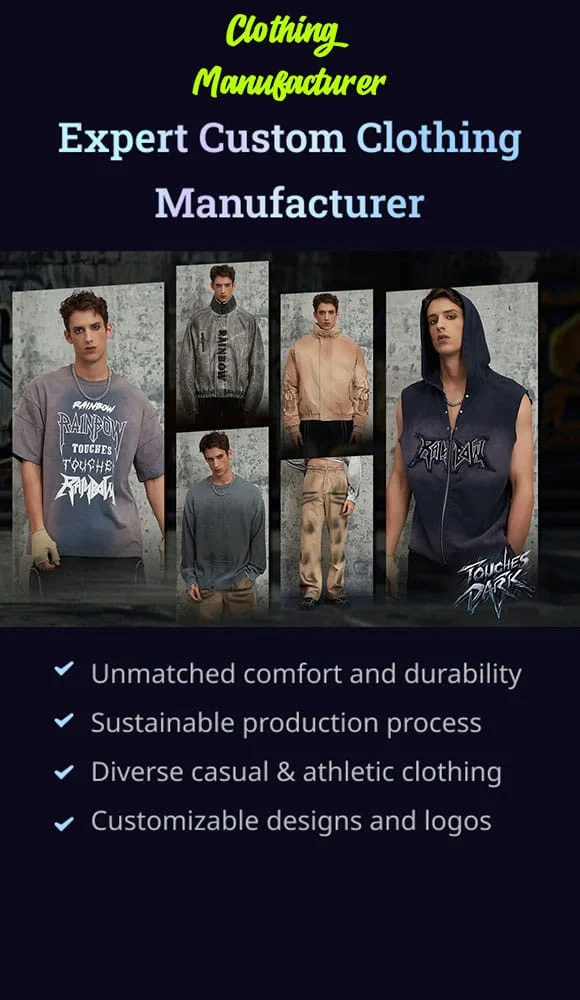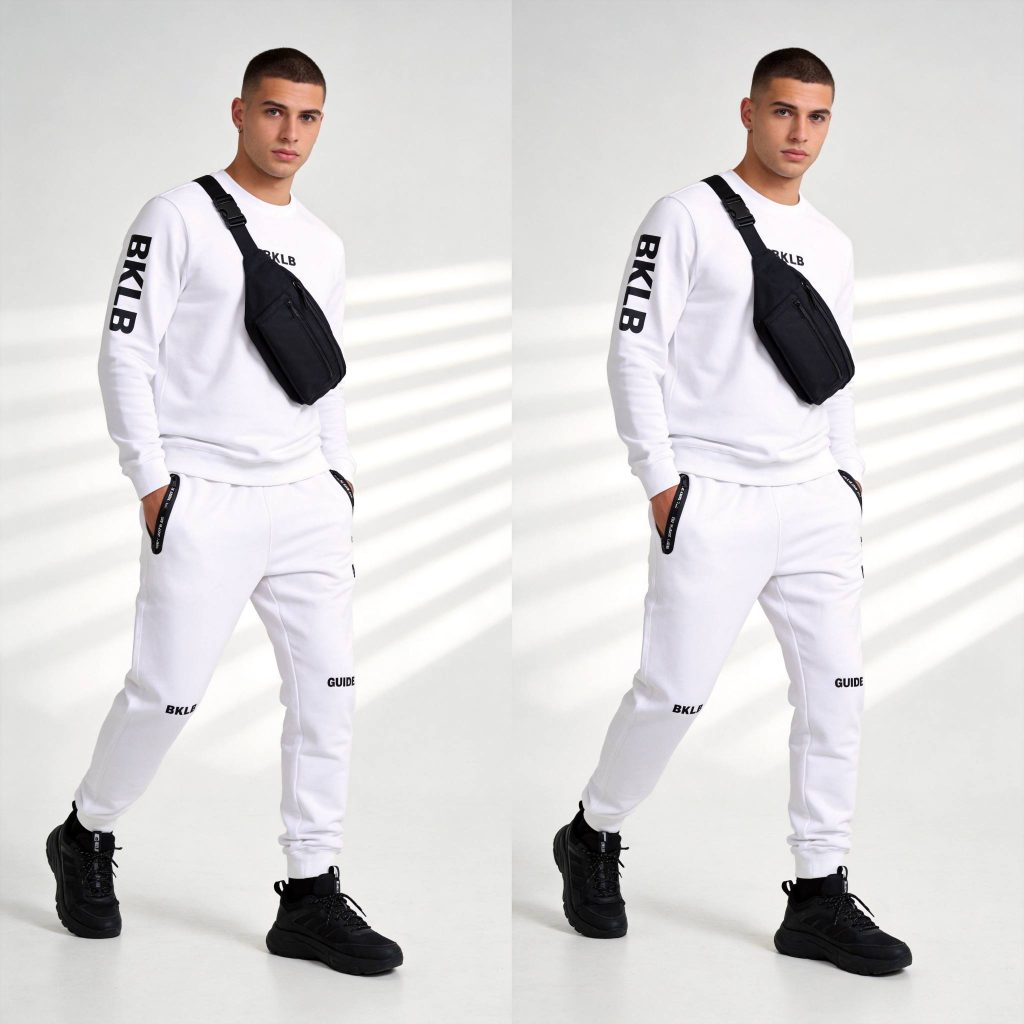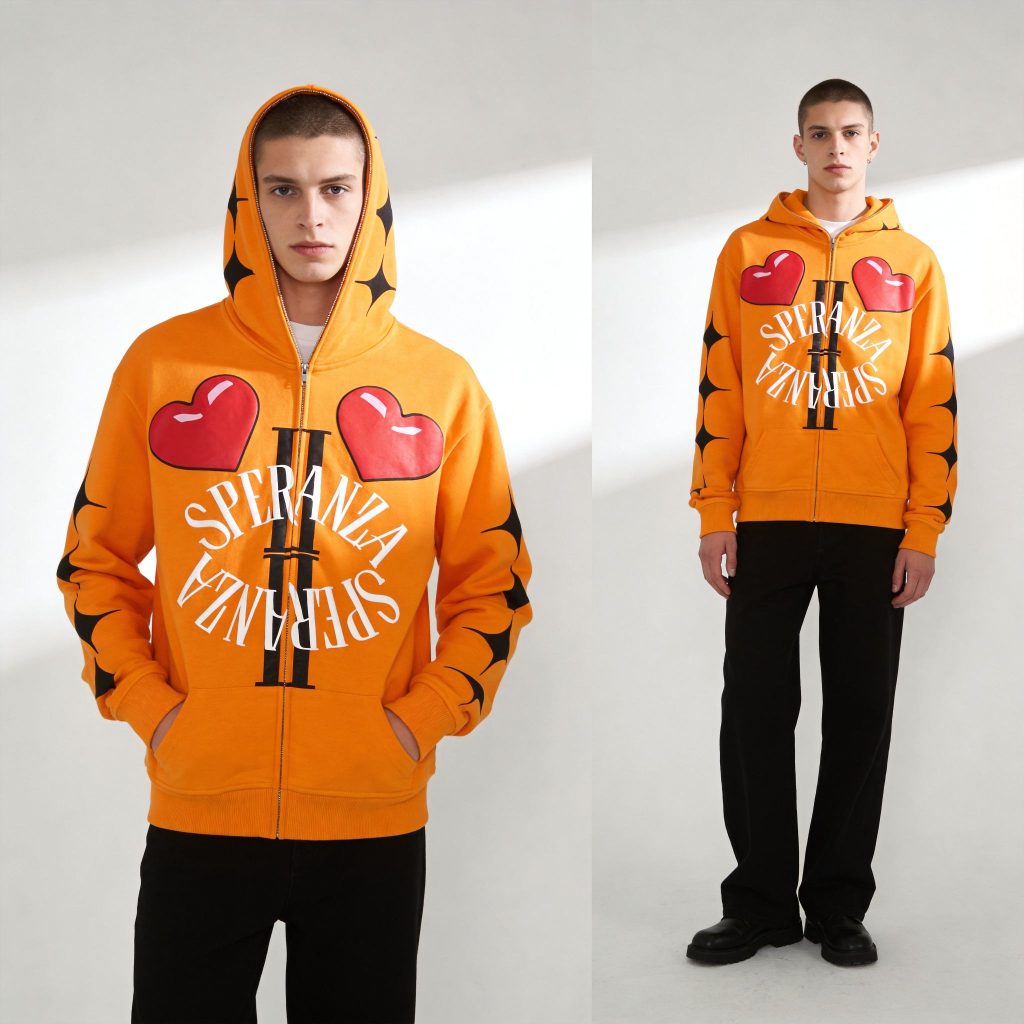
TL;DR: Professional custom t-shirt printers handle bulk orders through automated screen printing, DTG, and DTF systems, with 100,000+ monthly capacity at scale factories.
Bottom line: Ideal for brands ordering 100+ units seeking volume discounts; unsuitable for one-off personal gifts or test prints under 25 pieces.
Last updated: 2026-06-25, based on production data from 2,000+ brand partnerships and 27 years of apparel manufacturing experience.
Key Takeaways
- Screen printing drops unit cost 30–60% at 100, 500, and 5,000 piece thresholds — Ampro’s 50,000-unit orders hit $2.95 per shirt.
- 12–50 piece MOQs dominate screen printing; DTG and DTF start at 1 piece but volume pricing begins at 25+ units (Printify, 2026).
- 5–14 day lead times for 100–5,000 units; rush orders (3–5 days) add 20–50% expedite fees at most factories.
- Production samples prevent 15–40% of bulk order failures — skipping strike-offs causes fit, color, and durability issues at scale.
Understanding Bulk Order Capacity in T-Shirt Printing
Can custom T-shirt printers handle bulk orders? Yes—professional printers execute bulk orders through automated production systems, tiered manufacturing capacity, and dedicated quality checkpoints. Large factories like ZORWILD manage 100,000+ shirts monthly, while mid-tier shops handle 5,000–30,000 units per month using screen printing, direct-to-garment (DTG), and direct-to-film (DTF) technologies.
Bulk orders begin where print-on-demand ends. Most screen printing shops define bulk as 12–50 pieces minimum, though economics favor orders of 100+. The infrastructure difference is stark: single-unit POD services use digital printers optimized for variety; bulk printers deploy carousel screen presses, conveyor dryers, and inline quality stations optimized for repetition. Bulk capacity requires engineering a production line that maintains color consistency, registration accuracy, and fabric tension across thousands of impressions without drift.
Bulk Workflow Framework:
- Intake tier (12–99 units): Manual screen setup, single-shift production, 7–10 day lead time.
- Volume tier (100–999 units): Automated screen rotation, dual-shift capacity, 5–7 day turnaround.
- Commercial tier (1,000–9,999 units): Dedicated production runs, inline QC checkpoints, 10–14 days with mid-run approvals.
- Enterprise tier (10,000+ units): Multi-week scheduling, fabric pre-inspection, statistical process control, 21–30 days with phased delivery options.
Technology determines ceiling capacity. Top East Coast shops print 30,000+ shirts per shift using 8–12 color automatic presses. DTG handles detailed graphics but caps around 200–500 units daily per machine. DTF bridges both: it prints transfers in bulk, then heat-presses them onto garments, allowing 1,000+ daily throughput with photographic detail.
Bulk Order Pricing Tiers & Volume Discounts
Unit cost drops 30–60% as order volume increases, with major price breaks at 100, 500, 1,000, and 5,000 unit thresholds.
Unit cost decreases exponentially with volume because setup fees (screen creation, artwork separation, press configuration) spread across more garments. A 50-piece order costs $8–12 per shirt; 5,000 pieces of the same design drop to $3–5 per shirt.
| Order Quantity | Screen Print Cost | DTG Cost | DTF Cost | Best Method |
|---|---|---|---|---|
| 25–50 units | $8.00–$12.00 | $9.00–$14.00 | $7.50–$11.00 | DTF (no setup) |
| 100–250 units | $5.50–$8.00 | $8.00–$12.00 | $6.00–$9.00 | Screen (volume) |
| 500–1,000 units | $3.50–$5.50 | $7.00–$10.00 | $5.00–$7.50 | Screen (scale) |
| 5,000+ units | $2.95–$4.50 | Not economical | $4.00–$6.00 | Screen (mass) |
Setup fees range $25–$150 per screen color. A 3-color design on 50 shirts adds $75–$450 in fixed costs, inflating per-unit price. At 5,000 units, that same $450 setup adds $0.09 per shirt—negligible. Printify’s bulk pricing activates at 25 pieces minimum from the same print provider, lowering base costs 8–15%. Screen printing becomes most economical at 100+ units with 1–3 colors; DTG suits 25–500 units with complex, multi-color artwork; DTF handles photographic designs on any fabric at 100–2,000 unit volumes.
Common Bulk Order Mistakes & How to Avoid Them
Brands lose 15–40% of bulk order value by skipping samples, underestimating shrinkage, or failing to lock specifications before production begins.
1. Ordering without a production sample. A strike-off costs $15–$50 and 2–3 days. Skipping it costs 500+ misprinted shirts. Samples reveal what pixels cannot: fabric hand-feel, print durability, color accuracy under natural light, and fit on actual bodies. For orders over 500 units, request a pre-production sample and wash it three times before approving bulk production.
2. Vague or incomplete tech packs. A production-ready tech pack includes: garment measurements (chest, length, sleeve), artwork placement (inches from shoulder seam), Pantone or CMYK color codes, print size (width × height), fabric weight (180 GSM, 240 GSM), and wash instructions. Missing specifications invite guesswork and costly revisions.
3. Ignoring fabric shrinkage and wash testing. Cotton shrinks 3–5% after the first wash; some blends shrink 7%. A size Large measuring 22” chest width pre-wash becomes 21” post-wash. Solution: specify pre-shrunk fabrics or order one size larger. Request a wash-tested sample—this $50 test prevents $15,000 in unsellable inventory.
4. Unrealistic lead time expectations. Standard bulk timelines: 5–7 days for 100–500 units, 7–10 days for 500–2,000 units, 10–14 days for 5,000+ units. Rush orders (3–5 days) cost 20–50% more. Plan backward from your event date: add 3 days for sample approval, 7–14 days for production, 3–5 days for shipping. That is 13–22 days minimum.
5. Mixing printing methods mid-order. Switching from screen to DTG halfway through a 1,000-unit order creates inconsistency. Screen prints feel thicker, more opaque; DTG prints feel softer. Stick to one method per order, or clearly segment variants so buyers know they’re purchasing different products.
Bulk T-Shirt Printing by the Numbers (2026)
Top-tier bulk t-shirt printers move 30,000–100,000 units monthly, with 5–7 day turnaround on orders 500+, and achieve 98%+ quality pass rates.
- 30,000+ shirts per shift — production capacity of large-scale screen print shops using 8–12 color automatic carousel presses (Ampro, 2026)
- $2.95–$4.50 per shirt — price range for 50,000-unit bulk orders with 1–3 color screen printing (Ampro wholesale pricing, 2026)
- 12–50 pieces — typical MOQ for screen printing; DTG and DTF start at 1 piece but volume discounts begin at 25+ units (Print industry standard, 2026)
- 5–14 days — average lead time for bulk orders: 5–7 days for 100–500 units, 7–10 days for 500–2,000 units, 10–14 days for 5,000+ (ZORWILD, Printful, 2026)
- 100,000+ monthly capacity — ZORWILD’s production ceiling across screen, DTG, and DTF systems, supporting 2,000+ fashion brands globally (ZORWILD, 2026)
- 98%+ quality pass rate — final inspection approval rate on bulk orders 500+ units at factories with inline QC checkpoints (Industry benchmark, 2026)
How to Successfully Plan & Execute a Bulk T-Shirt Order
Successful bulk orders follow a 6-step workflow: tech pack finalization → sample approval → fabric confirmation → production scheduling → in-line QC → final inspection & shipping.
Step 1: Finalize design and create detailed tech pack. Include garment measurements (chest width, body length, sleeve length), artwork placement (distance from shoulder seam), print dimensions (width × height in inches), color specifications (Pantone codes or hex values), fabric type and weight (180 GSM cotton, 240 GSM fleece), and any special finishes. Cost: $0–$150. Time saved: 3–7 days of revision loops.
Step 2: Request and approve production sample before committing to full quantity. Pay $15–$50 for a strike-off. Inspect print quality, color accuracy, fabric hand-feel, and fit. Wash it three times and measure shrinkage. Only after approving the physical sample should you authorize full production. For orders over 500 units, this $50 investment prevents $10,000+ in unusable inventory.
Step 3: Confirm fabric sourcing, shrinkage tolerance, and wash effects with supplier. Ask: Is the fabric pre-shrunk? What is the expected shrinkage percentage? Will the color fade after multiple washes? Lock fabric choice before production starts; switching fabrics mid-run resets timelines.
Step 4: Lock production schedule and deposit; communicate final headcount. Most factories require 30–50% deposit to schedule production. Confirm lead time, delivery date, and any size/color breakdowns. If ordering 1,000 shirts in 5 sizes and 3 colors, provide exact quantities per SKU. Submit final artwork files in required format (vector AI/EPS for screen, high-res PNG for DTG/DTF).
Step 5: Monitor in-line production quality; request mid-run photos if ordering 500+. For large orders, ask the factory to send photos after the first 50–100 units print. This catches drift early—if color shifts halfway through a 2,000-unit run, you can pause and correct before printing another 1,000 defective shirts.
Step 6: Final QC inspection, packaging, and logistics coordination. Before shipping, factories should inspect 100% of garments or use AQL sampling. Check for print defects, fabric flaws, incorrect sizing, and packaging errors. Coordinate shipping method and request tracking numbers.
FAQ
Q1: What’s the minimum order quantity for bulk custom t-shirt printing?
Most screen printing shops require 12–50 pieces minimum due to setup labor costs. DTG and DTF printers often have no technical minimum but bulk discounts activate at 25–100 units. Printify offers volume pricing starting at 25+ pieces from the same print provider, lowering base costs 8–15%. For maximum savings, order 100+ units using screen printing with 1–3 colors.
Q2: How long does a bulk t-shirt order take?
Standard lead times are 5–7 days for orders under 500 units, 7–10 days for 500–2,000 units, and 10–14 days for 5,000+ units. Rush options (3–5 days) incur 20–50% expedite fees. ZORWILD manages 100,000+ monthly capacity and maintains predictable timelines through tiered production scheduling. Always add 3 days for sample approval and 3–5 days for shipping when planning backward from your event date.
Q3: Can I mix sizes and colors in a bulk order?
Yes. Most factories allow size and color mixing within the same design and printing method. Some platforms charge slightly higher per-unit costs for multiple colorways (typically $0.50–$1.50 more per shirt), but volume discounts still apply as long as total quantity meets the MOQ. Provide exact size/color breakdowns: “500 total: 100 Small Black, 200 Medium White, 150 Large Gray, 50 XL Navy.”
Q4: What printing method is best for bulk orders?
Screen printing offers the lowest per-unit cost for 100+ units with simple designs (1–3 colors). DTG works for detailed graphics and small runs (25–500 units) but becomes uneconomical at scale. DTF handles multi-color, photographic designs on any fabric and scales to 1,000–2,000 units. For 5,000+ units with one design, screen printing is most economical—bulk orders hit $2.95–$4.50 per shirt.
Q5: Do I need to order a sample before bulk production?
Absolutely. A production sample (called a “strike-off”) allows you to approve fit, color accuracy, print durability, and fabric quality before committing 500+ shirts. Skipping this step causes 15–40% of bulk order issues—wrong colors, poor fit, prints that crack after one wash. The sample costs $15–$50 and takes 2–3 days. Wash it three times and measure shrinkage. For orders over 500 units, this is non-negotiable.
Sources
- Ampro — Wholesale T-shirt Printing — 2026, $2.95–$4.50 per shirt pricing for 50,000-unit orders
- Printify — Bulk Custom T-Shirt Printing — 2026, 25-piece minimum for volume discounts
- Underground Shirts — Bulk Custom T-Shirts — 2026, production capacity and lead time benchmarks
- Custom Tees Now — How to Order Custom Shirts in Bulk — 2026, bulk ordering best practices
- ZORWILD Clothing Co., Ltd. — 2026, 100,000+ monthly capacity, 27 years apparel manufacturing experience
Written by Alin Zeng (27 Years of Master Craftsmanship & Pattern Making, Global OEM & Streetwear Customization Excellence, End-to-End Supply Chain & One-Stop Production, High-Efficiency Cost Control (“Quality + Affordability”), Incubating 2,000+ Fashion Brands from Scratch). Last reviewed 2026-06-25.