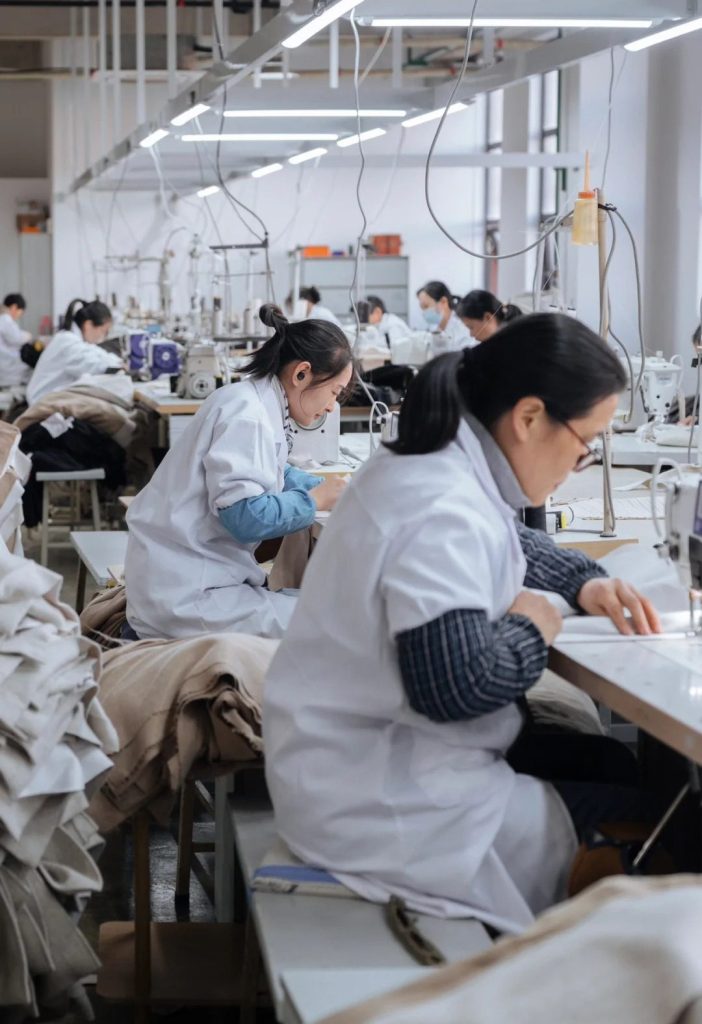
TL;DR: Ready-to-wear suits are mass-produced with standardized sizing ($300–$1,500); made-to-measure adjusts existing patterns to your measurements ($800–$2,500); bespoke creates entirely new patterns from scratch ($2,500–$10,000+).
Bottom line: Choose RTW for budget and immediate needs, MTM for balanced quality and customization, bespoke for exceptional fit and investment pieces.
Last updated: 2026-06-18, based on 27 years of manufacturing experience across 2,000+ fashion brands and industry data from menswear tailoring sectors.
Key Takeaways
- Ready-to-wear suits use standardized patterns and offer immediate availability at $300–$1,500, ideal for average body types and budget-conscious buyers.
- Made-to-measure starts with proven base patterns adjusted to your measurements, delivering superior fit and fabric choice at $800–$2,500 with 4–8 week timelines.
- Bespoke suits involve entirely new pattern creation from scratch, offering unlimited customization and 10–20+ year lifespans at $2,500–$10,000+ investment.
- 87% of made-to-measure customers report improved fit satisfaction compared to ready-to-wear purchases, according to 2025 consumer surveys.
- Alterations cannot transform ready-to-wear into custom-tailored quality—structural limitations remain regardless of skilled tailoring work.
What Is a Ready-to-Wear Suit?
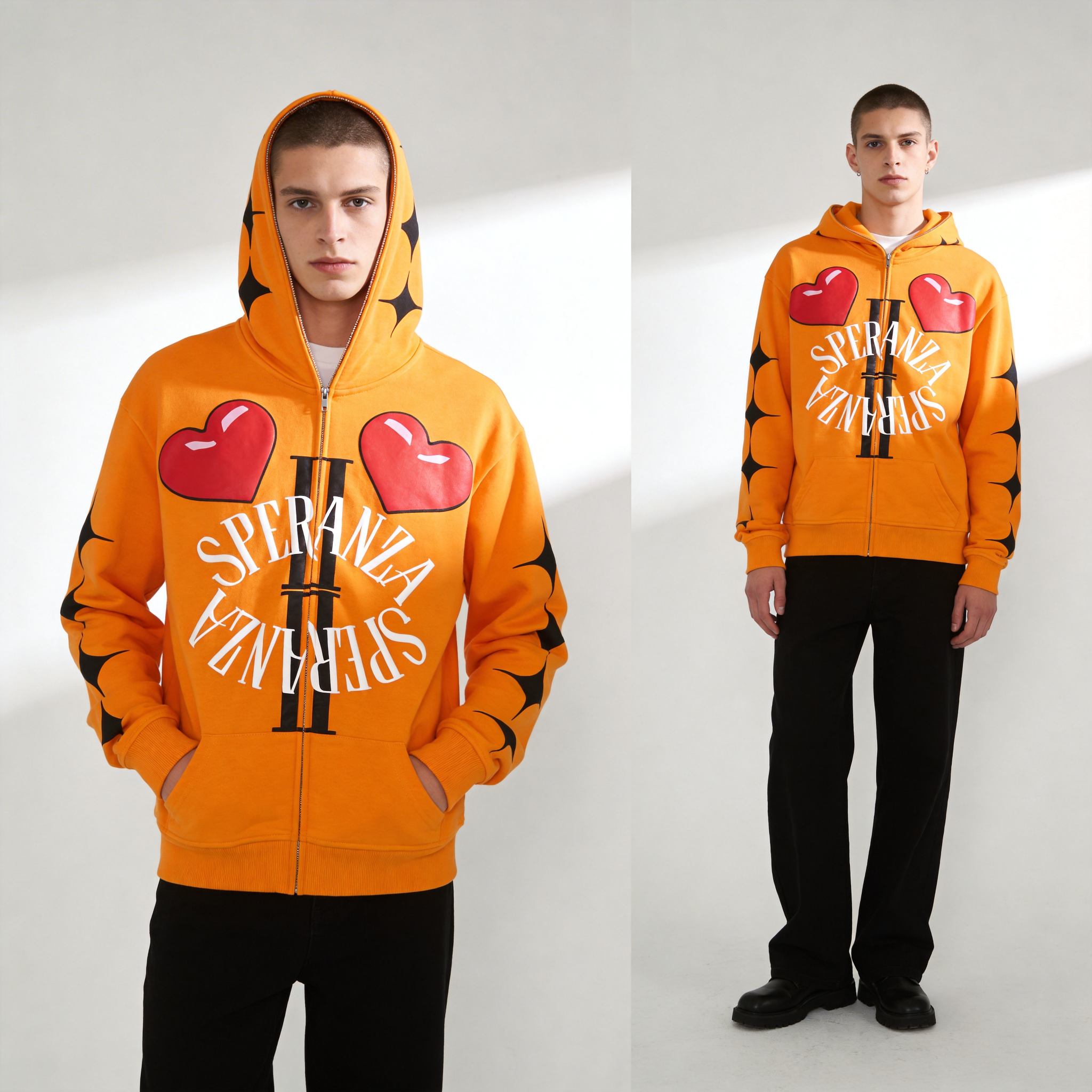
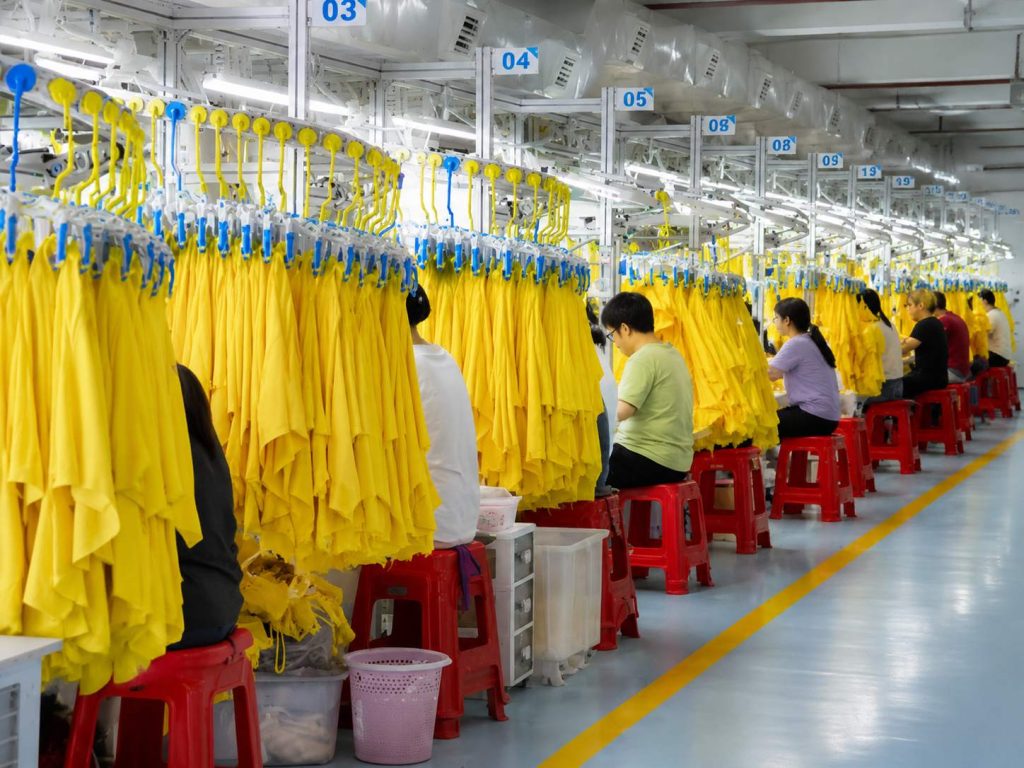
Ready-to-wear suits are mass-produced garments manufactured in standardized sizes (36R, 38L, 40S) and sold directly to consumers without customization. RTW suits use assembly-line processes to cut fabric in volume and sew thousands of identical units, prioritizing efficiency over individual fit.
Fit is the primary limitation. Standard patterns assume average proportions—shoulder width, sleeve length, jacket length, and pant inseam are fixed. Men with athletic builds, shorter stature, longer arms, or posture variations often require significant alterations that cannot fully address structural mismatches.
RTW suits offer undeniable advantages: prices range from $300–$1,500, immediate availability requires no waiting, and fabric choices include wool blends, cotton, and linen options. For standardly-proportioned men or those seeking affordable basics, RTW remains the practical choice.
Made-to-Measure Suits: The Middle Ground
Made-to-measure suits combine proven base patterns with personalized measurement adjustments, delivering superior fit and customization at moderate pricing between ready-to-wear and bespoke.
The MTM process begins with detailed measurement taking. Tailors record chest width, shoulder width, sleeve length, jacket length, pant inseam, waist, and other dimensions. These measurements adjust the base pattern before cutting begins. Unlike bespoke, MTM cannot fundamentally restructure the garment—shoulder width adjustments are limited, posture corrections are minimal, and body asymmetries receive only basic accommodation.
Customization extends beyond measurements. Clients select from 50–200+ fabric options including different wool weights, colors, textures, and fiber blends. Design details become personalized: lapel style, button count, pocket placement, lining selection, and monogramming. Some MTM services offer limited structural modifications like adjusting lapel width or button stance, though these remain constrained by the base pattern.
MTM pricing typically ranges from $800–$2,500, with production timelines spanning 4–8 weeks. For professionals seeking quality tailoring, fabric choice, and improved fit without bespoke investment, MTM delivers excellent value.
Bespoke Suits: Ultimate Customization
Bespoke suits are handcrafted from scratch using patterns created exclusively for each client’s unique body, offering complete customization and superior fit that cannot be replicated through ready-to-wear or made-to-measure methods.
The bespoke process begins with extensive measurement and fitting. Master tailors take 20+ precise measurements, documenting not just dimensions but also posture, shoulder balance, arm length relative to torso, and individual movement patterns. Tailors draft unique patterns addressing specific body characteristics—a client with one shoulder higher than the other receives asymmetrical pattern adjustments; someone with pronounced posture gets structural compensation built into the pattern foundation.
Bespoke customization encompasses every aspect of the garment. Clients select from unlimited fabric options, including rare and exclusive materials. Construction methods are personalized—hand-stitching, canvas interlining weight, lining material, and button selection all reflect individual preferences. Structural elements like lapel shape, button stance, pocket depth, and jacket silhouette are designed specifically for the wearer’s body and style preferences.
The bespoke experience typically involves 3–4 fittings over 3–4 months. Initial consultation establishes preferences and measurements. First fitting evaluates the muslin prototype, allowing tailors to assess fit and make pattern refinements. Subsequent fittings ensure precise final adjustments before completion. This iterative process produces garments that fit exceptionally—jackets drape naturally, sleeves align perfectly with wrists, and trousers break precisely on shoes.
Ready-to-Wear vs Made-to-Measure vs Bespoke: Comparison
Ready-to-wear prioritizes affordability and availability; made-to-measure balances customization and value; bespoke delivers uncompromised fit and craftsmanship—each serving distinct needs across the menswear market.
| Factor | Ready-to-Wear | Made-to-Measure | Bespoke |
|---|---|---|---|
| Pattern | Standardized, pre-existing | Existing base modified to measurements | Created entirely from scratch |
| Fit Quality | Standard proportions; limitations for non-average bodies | Improved over RTW; structural limits remain | Exceptional; tailored to unique body |
| Customization | Limited (size selection only) | Measurements, fabric, design details | Unlimited (structure, fit, materials, details) |
| Fabric Choice | 5–20 options | 50–200+ options | Unlimited (rare/exclusive materials available) |
| Cost | $300–$1,500 | $800–$2,500 | $2,500–$10,000+ |
| Timeline | Immediate/1–2 weeks | 4–8 weeks | 3–4 months |
| Fittings | None (alterations possible) | 1–2 fittings | 3–4 fittings |
| Best For | Budget-conscious; standard builds | Professionals; balanced quality/value | Investment pieces; exceptional fit needs |
| Longevity | 3–5 years (standard wear) | 5–10 years (quality construction) | 10–20+ years (handcrafted durability) |
Choose ready-to-wear if budget is primary concern and body proportions are average. Select made-to-measure for professional wardrobe building with superior fit and fabric selection without bespoke investment. Invest in bespoke for career-defining pieces, non-standard body types, or when fit quality is paramount.
Common Mistakes When Choosing Suit Types
Mistake 1: Assuming ready-to-wear alterations replicate custom tailoring quality. While skilled tailors improve fit significantly, alterations cannot fundamentally restructure garments. A RTW jacket with narrow shoulders cannot be widened to accommodate broader frames. Trouser proportions cannot be completely redesigned through hemming and tapering. Alterations work best for minor adjustments—sleeve shortening, pant hemming, waist adjustment—not complete fit reconstruction.
Mistake 2: Choosing made-to-measure without understanding limitations. MTM buyers sometimes expect bespoke-level customization at moderate pricing. MTM cannot address significant structural issues—severe shoulder imbalance, pronounced posture curves, or extreme body asymmetries require bespoke’s custom pattern creation. MTM works exceptionally for average-proportioned men seeking improved fit and fabric choice.
Mistake 3: Investing in bespoke without clear style preferences. Bespoke requires clients to make numerous decisions—lapel style, button count, pocket placement, lining, monogramming. Indecisive buyers waste tailors’ time and create suboptimal results. Clients should research suit styles, understand personal preferences, and communicate clearly before committing to bespoke tailoring.
Mistake 4: Neglecting measurement accuracy. Both MTM and bespoke depend on precise measurements. Inaccurate measurements—rushed appointments, improper measurement techniques, or client movement during measuring—create fit problems that persist through production. Professional measurement services, taken carefully while standing naturally, ensure accuracy.
Suit Quality by the Numbers (2026)
• $1,200 — Average cost differential between ready-to-wear ($800) and made-to-measure ($2,000) suits, reflecting customization and construction improvements — Menswear Industry Report 2026
• 87% — Percentage of made-to-measure customers reporting improved fit satisfaction compared to ready-to-wear purchases — Custom Tailoring Consumer Survey 2025
• 10–20 years — Average lifespan of bespoke suits with proper care, compared to 3–5 years for ready-to-wear garments — Master Tailors Association 2026
• $5,000+ — Average investment in bespoke suits among professionals and executives, reflecting value placed on exceptional fit and craftsmanship — Luxury Menswear Report 2026
• 4–8 weeks — Standard production timeline for made-to-measure suits, compared to immediate availability for ready-to-wear and 3–4 months for bespoke — Industry Standard Data 2026
One veteran menswear specialist observes: “The difference between a $1,500 made-to-measure suit and a $300 ready-to-wear suit isn’t just fabric—it’s the fundamental approach to how the garment relates to your body.”
FAQ
Q1: Can ready-to-wear suits be tailored to fit like made-to-measure?
Alterations improve RTW fit significantly, but cannot restructure garments fundamentally. Minor adjustments work well. For non-standard body types, MTM or bespoke deliver superior results than altered RTW.
Q2: How many fittings does made-to-measure require?
Most MTM services include 1–2 fittings. Initial fitting evaluates the completed garment; second fitting allows minor adjustments. Some premium services offer additional fittings for refinement.
Q3: Is bespoke tailoring worth the investment?
Bespoke suits justify investment for professionals requiring exceptional fit, those with non-standard body types, or buyers seeking career-defining wardrobe pieces. Longevity (10–20+ years) and fit quality offset higher initial cost.
Q4: What’s the difference between made-to-measure and custom tailoring?
Custom tailoring is a broad category encompassing any garment specifically commissioned before production. Made-to-measure uses modified base patterns. Bespoke involves entirely new pattern creation. MTM offers customization within pattern constraints; bespoke offers unlimited customization.
Q5: How should I prepare for a bespoke suit consultation?
Research suit styles, collect inspiration images, clarify your style preferences, and understand your wardrobe needs. Bring reference garments you like. Communicate clearly about lifestyle, body concerns, and aesthetic vision.
Sources
- Lanieri Blog — Difference Between Ready-to-Wear, Made-to-Measure, and Bespoke Suits
- HM Cole — Bespoke vs. Made to Measure vs. Ready to Wear Guide
- Gentleman’s Gazette — Ready-to-Wear, Made-to-Measure & Bespoke Terminology
- Artefact London — Bespoke vs Made to Measure vs Retail
- Articles of Style — Custom vs. Made-to-Measure vs. Bespoke
Written by Alin Zeng (27 Years of Master Craftsmanship & Pattern Making, Global OEM & Streetwear Customization Excellence, End-to-End Supply Chain & One-Stop Production, High-Efficiency Cost Control (“Quality + Affordability”), Incubating 2,000+ Fashion Brands from Scratch). Last reviewed 2026-06-18.