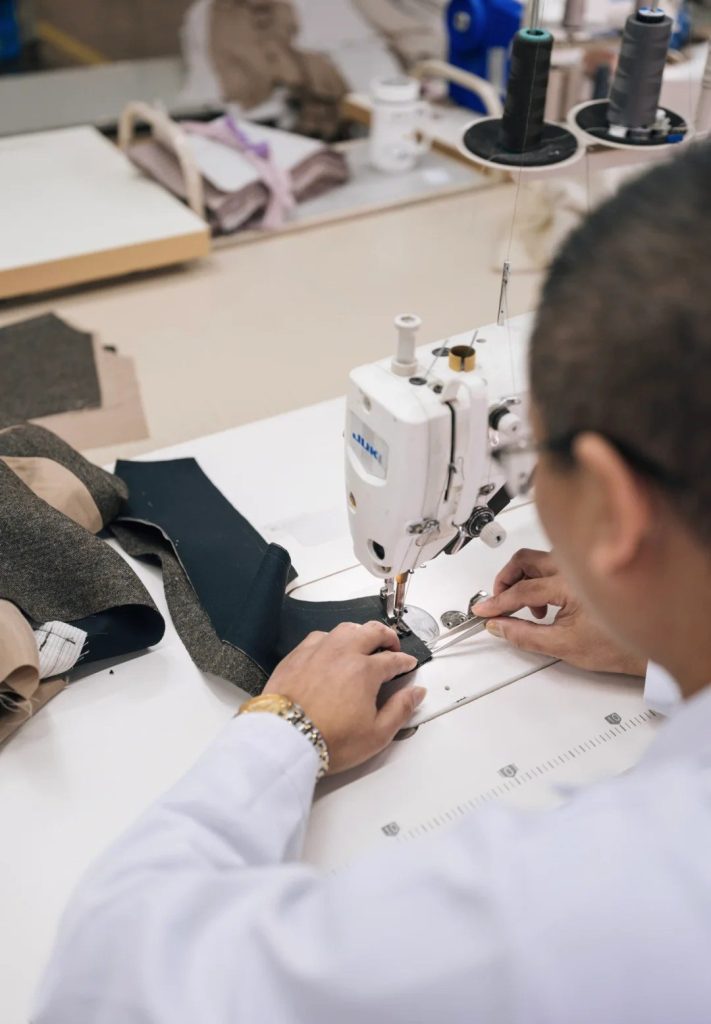
TL;DR: Screen printing pushes ink directly into fabric fibers for durable, long-lasting designs, while heat press transfers pre-printed designs onto garments using heat and pressure—each excels at different order volumes and design complexities.
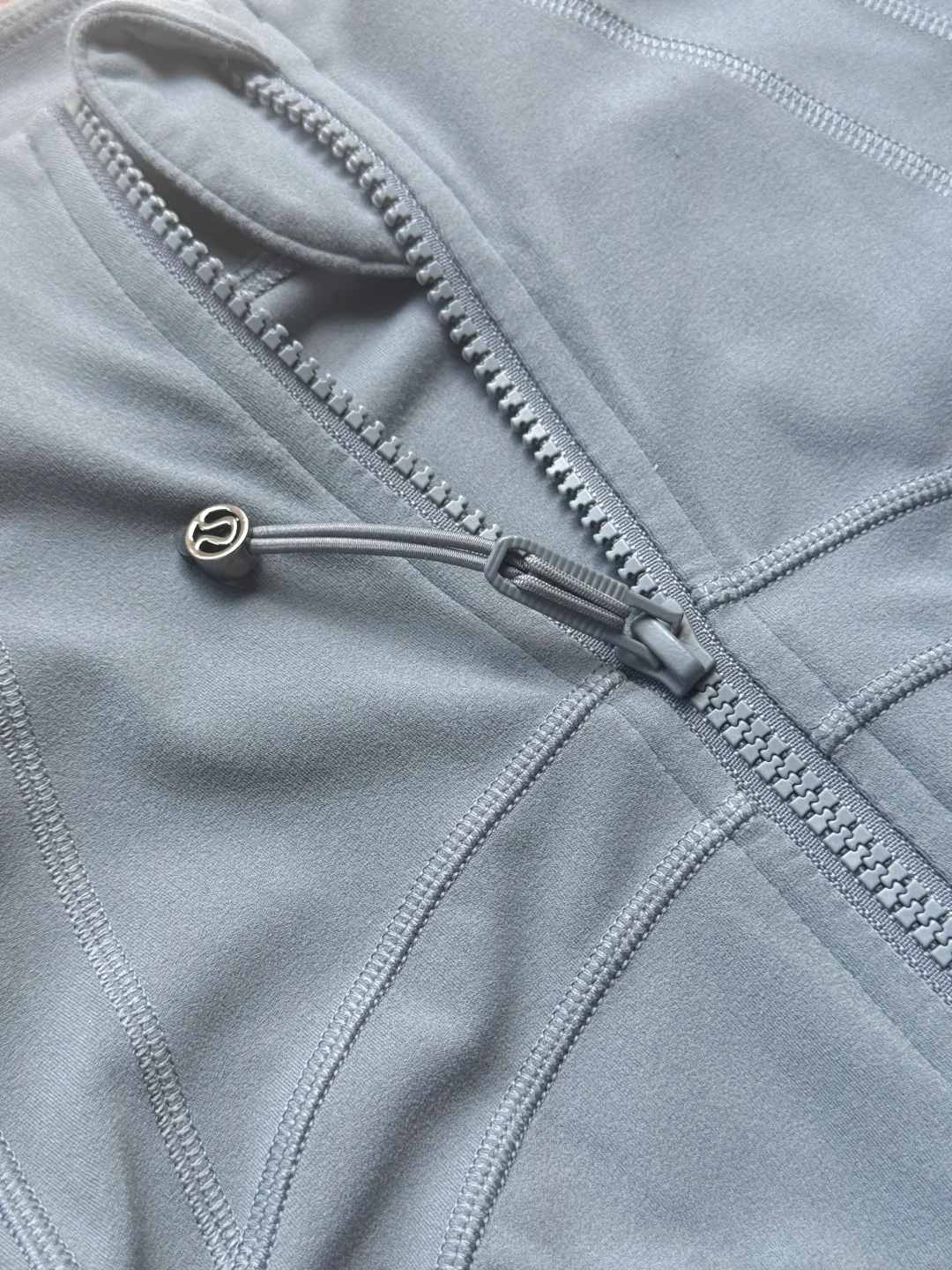
Bottom line: Choose screen printing for orders of 100+ units with simple 1-4 color designs; choose heat press for small batches under 50 units or photorealistic artwork requiring quick turnaround.
Last updated: 2026-06-05, based on 27 years of manufacturing data across 2,000+ fashion brand partnerships and direct production floor testing.
Key Takeaways
- Screen printing costs $2-5 per unit at scale but requires $200-500 per color setup—break-even occurs around 50-100 units
- Heat press handles photorealistic images and complex multi-color artwork that screen printing cannot efficiently reproduce
- Screen-printed designs withstand 200+ washes while heat-pressed transfers typically show wear after 50-100 washes
- Heat press application takes 7-10 seconds per garment with minimal equipment space requirements
- Neither method is universally superior—decision depends on quantity, design complexity, and durability requirements
What Is Screen Printing?
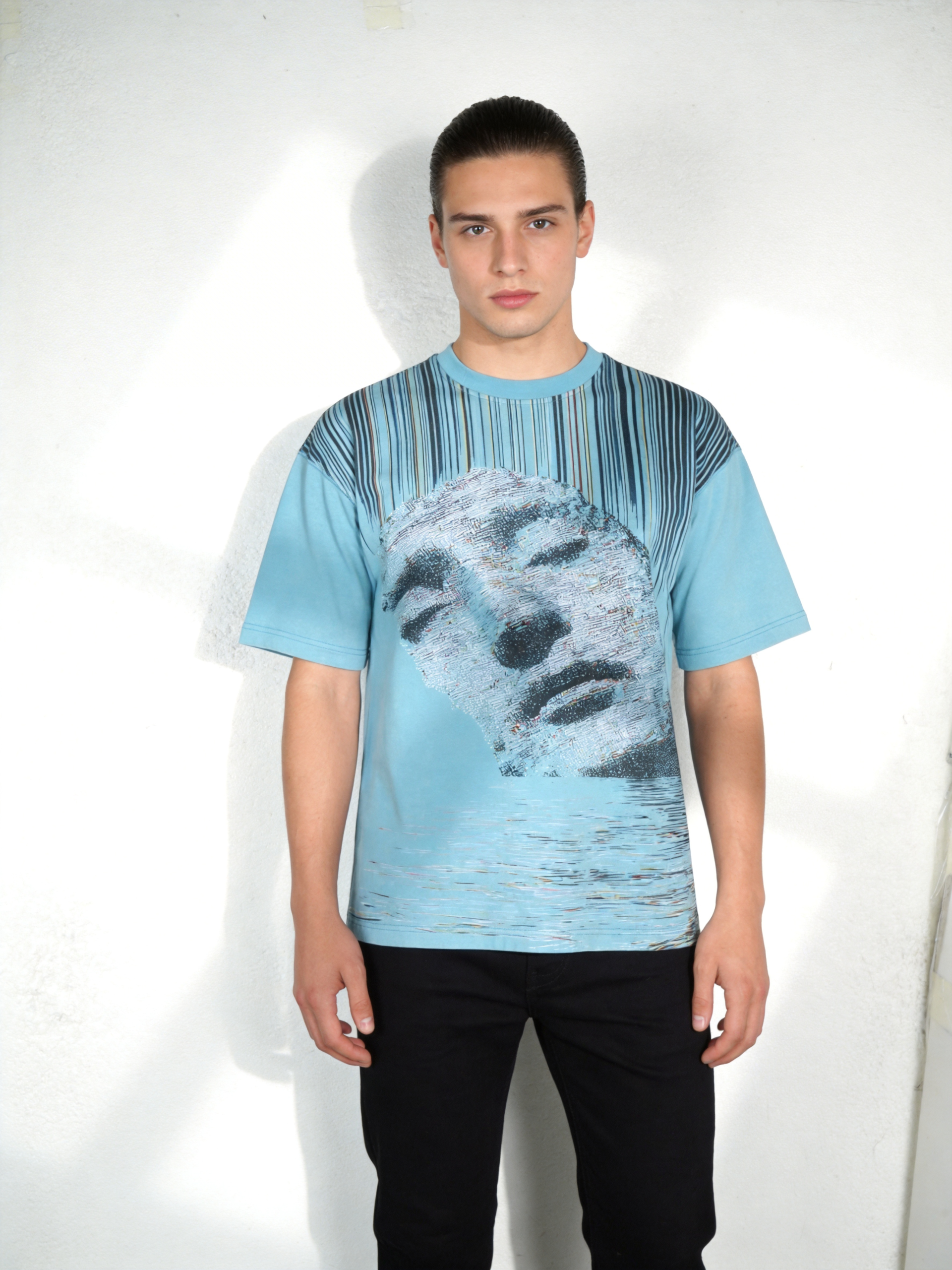
Screen printing forces ink through mesh screens directly onto fabric, creating designs that bond chemically with fabric fibers rather than sitting on the surface. Each color requires a separate screen, making the method most efficient for bold graphics using 1-4 solid colors.
The process begins with creating mesh screens—one for each color in your design. Production teams coat these screens with photo-sensitive emulsion, expose them to UV light with the design artwork, then wash away unexposed areas to create the stencil. During production, a squeegee forces plastisol or water-based ink through the screen’s open mesh areas directly onto the garment. The ink penetrates fabric fibers rather than sitting on top.
After printing, garments pass through a curing tunnel at 320-330°F for plastisol inks. This heat permanently bonds the ink to fabric at a molecular level. Water-based inks require similar curing but penetrate even deeper, creating an exceptionally soft hand feel. Screen printing’s durability advantage comes from this chemical bonding—the design becomes part of the fabric structure.
Screen printing delivers the lowest per-unit cost and longest garment lifespan when three conditions align: (1) order quantity exceeds 100 units, (2) design uses 4 or fewer spot colors, (3) durability requirements exceed 100 washes.
What Is Heat Press Transfer Printing?
Heat press uses heated platens (typically 350-375°F) to transfer designs from special carrier papers or films onto garments under pressure for 7-10 seconds. The design sits as a single applied layer on top of fabric rather than bonding into fibers like screen printing. This surface application allows heat press to reproduce photorealistic images, fine gradients, and unlimited color combinations that would be impractical with screen printing’s per-color setup requirements.
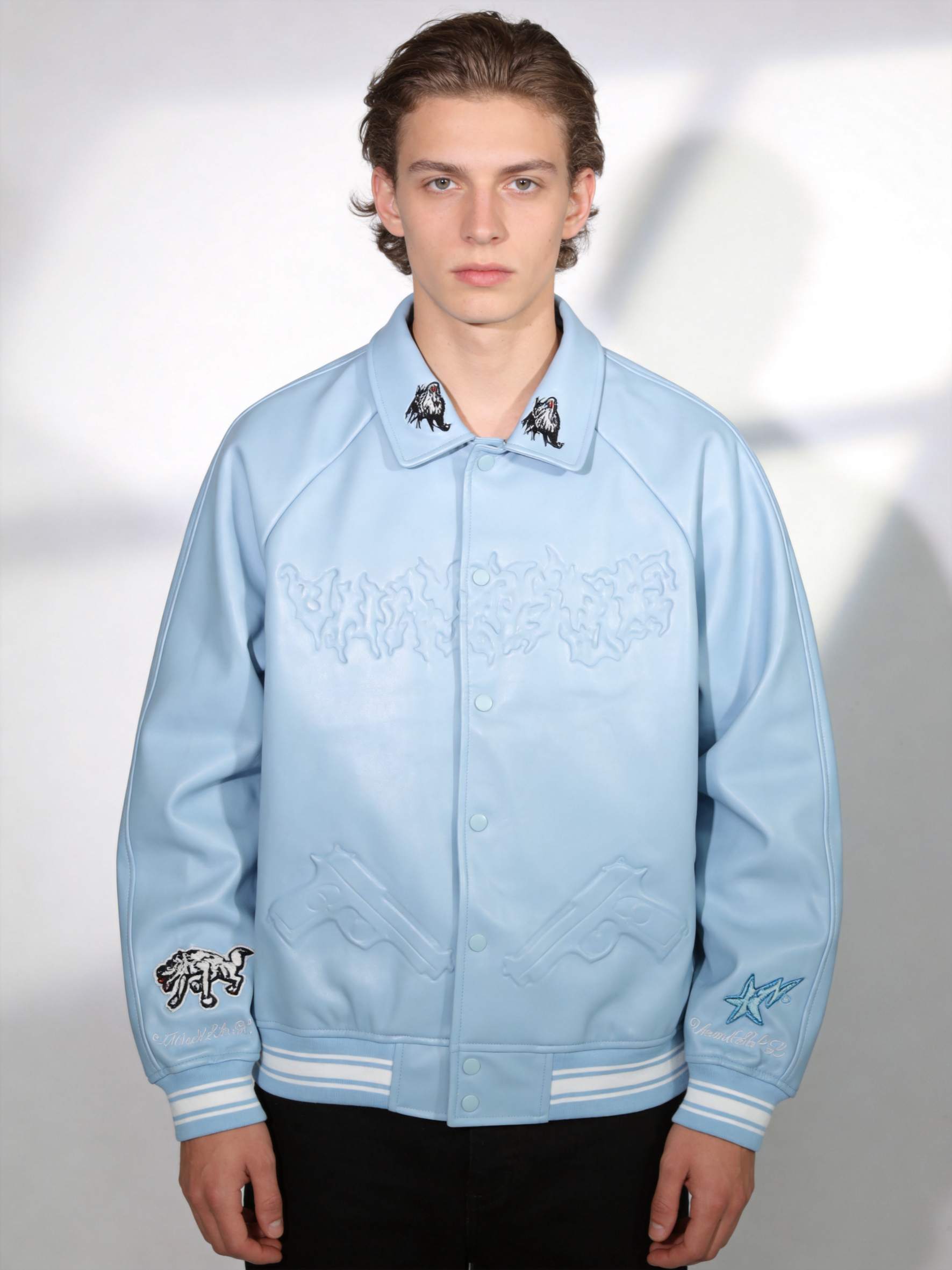
The heat press machine consists of two heated platens—one stationary lower platen and one upper platen that clamps down with adjustable pressure. The pre-printed transfer positions on the garment, the press closes, and heat and pressure apply simultaneously. The heat activates adhesive on the transfer backing, bonding it to fabric surface. After the preset time (usually 7-10 seconds), the press lifts and the carrier sheet peels away, leaving the design adhered to the garment.
Modern heat press methods include several transfer types. Vinyl transfers work well for simple text and logos. Digital transfers printed on special papers handle complex, full-color artwork. DTF (Direct to Film) transfers, adopted increasingly since 2024, offer improved durability and stretchability compared to older transfer methods.
Heat press works best when clients need: (1) orders under 50 units where screen setup costs don’t justify, (2) photorealistic or gradient-heavy designs requiring unlimited colors, (3) personalization where each garment differs, or (4) rapid sampling before committing to larger production.
Screen Printing vs Heat Press: Feature Comparison
| Factor | Screen Printing | Heat Press |
|---|---|---|
| Durability | Lasts 200+ washes; ink bonds to fibers | Shows wear after 50-100 washes; surface layer vulnerable |
| Setup Cost | $200-500 per color for screens | $500-2,000 for equipment (one-time) |
| Per-Unit Cost | $2-5 at scale (100+ units) | $8-15 per garment |
| Design Complexity | Best for 1-4 solid colors | Handles photorealistic images, unlimited colors |
| Batch Size | Cost-effective at 100+ units | Ideal for orders under 50 pieces |
| Hand Feel | Soft; design integrated into fabric | Textured; design sits on surface |
| Application Time | 15-30 seconds per color layer | 7-10 seconds total per garment |
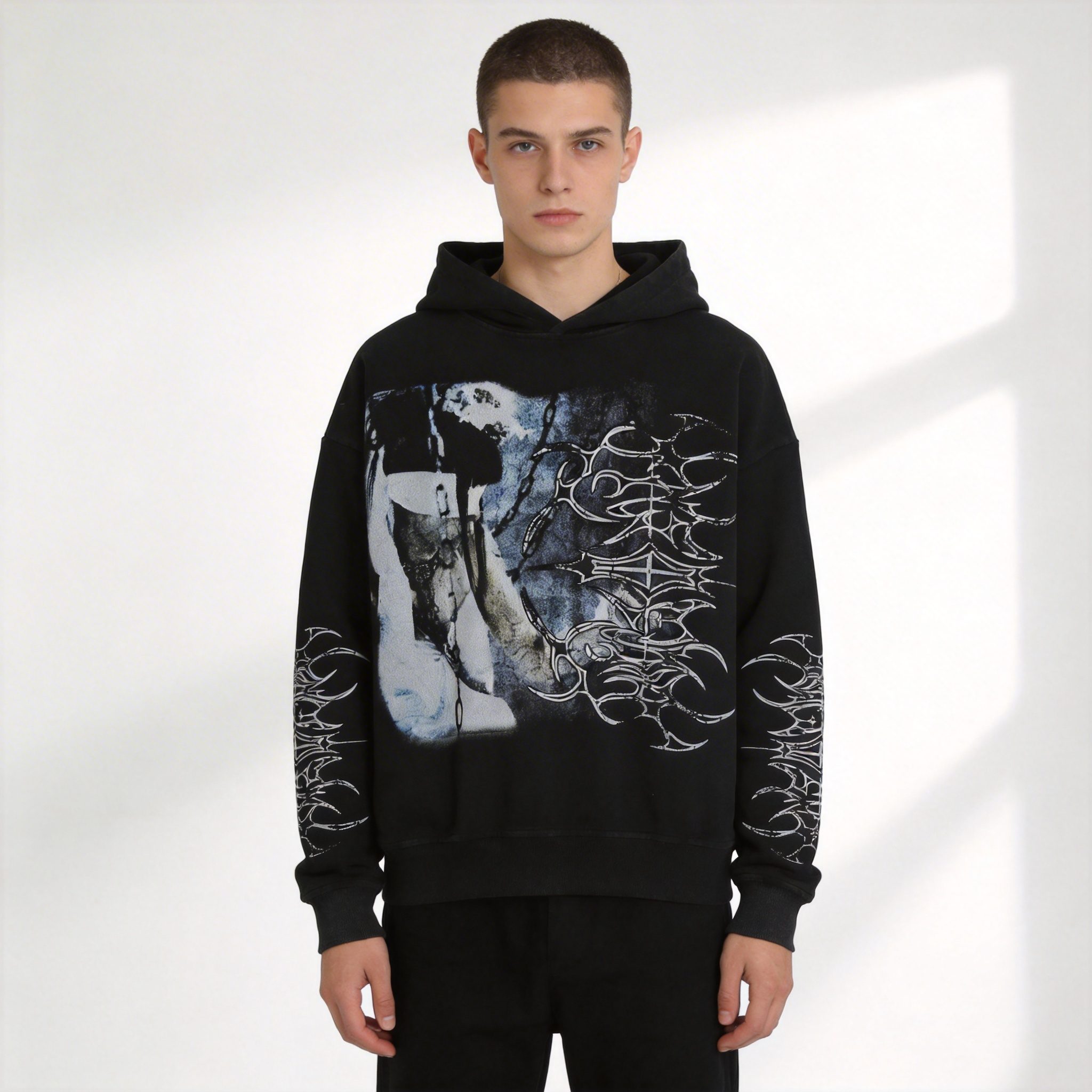
Screen printing suits large orders with simple designs and durability priorities. Heat press suits small orders with complex designs and quick turnaround priorities. Clients ordering 500-piece runs of 2-color logo tees screen print, while influencers testing 25-piece drops with full-color graphics heat press.
Durability, Longevity & Wear Resistance
Screen-printed designs withstand hundreds of washes and maintain vibrancy, while heat-pressed transfers typically show visible wear after 50-100 washes—the difference comes from how each method bonds to fabric.
Screen printing ink bonds chemically to fabric fibers during the curing process, becoming integrated into the garment structure. This molecular bonding resists cracking, peeling, and fading even after 200+ wash cycles. Heat press transfers remain as surface layers held by adhesive, making them vulnerable to edge lifting, texture cracking, and color fading as washing, friction, and UV exposure gradually break down the adhesive bond.
A controlled wash test in August 2025 compared identical designs applied via screen printing and heat press to 100% cotton tees. After 50 washes at 40°C, screen-printed samples showed zero visible degradation—colors remained vibrant, edges stayed crisp. Heat-pressed samples displayed minor edge lifting and slight color fading. By wash 100, heat press transfers showed significant cracking along design edges and noticeable color dulling, while screen prints remained nearly pristine. By wash 200, heat press transfers had partially peeled away in high-friction areas, while screen prints still passed quality standards.
The durability gap widens on performance fabrics and stretch materials. Screen printing ink flexes with fabric movement because it’s bonded into fibers. Heat press transfers create a rigid layer that cracks under repeated stretching—visible constantly on athletic wear and fitted garments.
Cost Analysis: Setup vs Per-Unit Pricing
Screen printing requires $200-500 per color setup but costs $2-5 per unit at scale; heat press needs minimal setup but costs $8-15 per unit—break-even typically occurs around 50-100 pieces.
For a 2-color logo on 100 tees, screen printing costs roughly $400 setup + $300 production = $7 per unit. Heat press costs $50 setup + $1,200 production = $12.50 per unit. At 200 units, screen printing drops to $4.50 per unit while heat press stays around $11 per unit. Below 50 units, heat press wins because screen setup costs dominate. Above 100 units, screen printing’s per-unit efficiency takes over.
- Screen printing initial investment: $200-500 per color for screen creation, emulsion coating, exposure, and washing
- Heat press startup cost: $500-2,000 for quality equipment (one-time capital expense)
- Screen printing per-unit cost at scale: $2-5 per garment including ink, labor, and curing
- Heat press per-unit cost: $8-15 per garment including transfer material, printing, and application labor
- Break-even analysis: Screen printing becomes cheaper around 50-100 unit threshold depending on design color count
A 4-color design requires $800-1,200 in screen setup, pushing break-even to 150-200 units. A single-color design breaks even around 40-50 units. Clients ordering 25-piece test runs choose heat press—the $400-600 screen setup would nearly double their per-unit cost.
When to Choose Each Method for Your Brand
Choose Screen Printing When:
Running orders of 100+ units with consistent designs across the batch. Prioritizing durability for merchandise, workwear, or promotional items that customers will wash repeatedly. Budget allows upfront screen investment of $200-500 per color. Design uses 1-4 solid colors with bold, simple graphics. Seeking lowest possible per-unit cost at scale for maximum profit margin.
Choose Heat Press When:
Testing new designs with small initial orders under 50 units to validate market demand. Creating photorealistic artwork, detailed illustrations, or designs with color gradients. Offering custom personalization where each garment differs. Operating with minimal equipment space and startup capital. Need fast turnaround times measured in minutes rather than days.
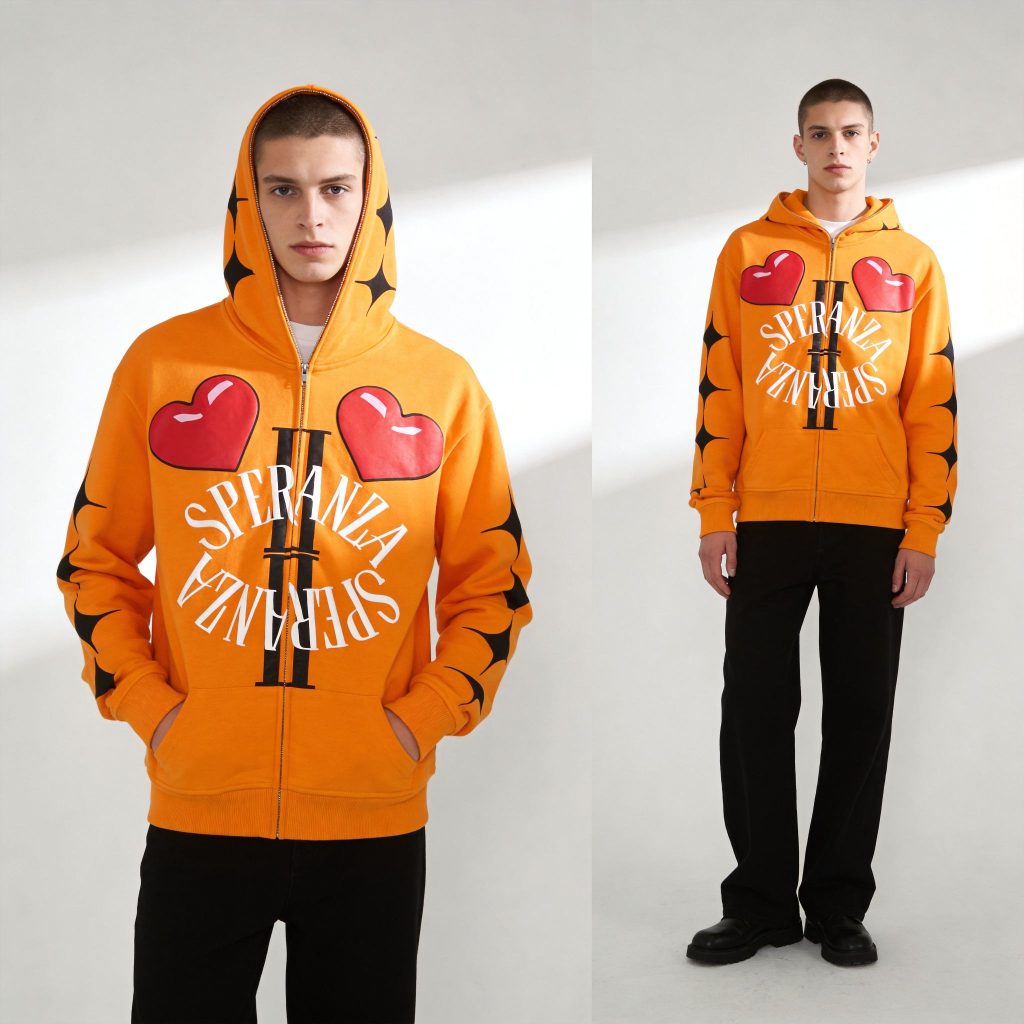
Streetwear brands often use both methods strategically. Screen printing handles core logo tees and hoodies in bulk (200-500 pieces per colorway), while heat press handles limited-edition graphic pieces (25-50 pieces) to test new designs. This hybrid approach maximizes cost efficiency on proven sellers while maintaining design experimentation flexibility.
FAQ
Q1: Can screen printing handle photorealistic images like heat press?
Screen printing struggles with photorealistic images because each color requires a separate screen—complex photos might need 8-12 screens, making setup costs prohibitive. Heat press excels at detailed, photo-quality artwork using digital printing technology that reproduces unlimited colors and fine gradients in a single application.
Q2: How many washes will a heat press design last?
Heat-pressed designs typically show visible wear after 50-100 washes depending on fabric type, wash temperature, and design complexity. Screen-printed designs often remain vibrant after 200+ washes. Proper care extends heat press longevity—washing inside-out in cold water and air-drying helps prevent premature cracking and peeling.
Q3: Is screen printing worth the setup cost for small orders?
Generally no for orders under 50 units. Screen printing setup costs ($200-500 per color) make small orders uneconomical—a 25-piece order with 3-color design requires $600-900 in screens alone, adding $24-36 per garment before ink and labor. Heat press becomes cost-effective below 50 units because it requires minimal setup investment.
Q4: Can I use both methods on the same garment?
Yes, and many brands do strategically. Screen printing works for base colors or large solid areas while heat press handles detailed accents, photographic elements, or personalization. For example, screen print a bold chest logo for wash durability, then heat press individual names on sleeves for customization.
Q5: Which method is better for sustainable fashion?
Screen printing creates longer-lasting garments, reducing replacement waste over the product lifecycle. Heat press requires less water and fewer chemicals during production but transfers may degrade faster. Environmental impact depends on garment lifespan—a screen-printed tee worn 200 times has lower environmental cost per wear than a heat-pressed tee replaced after 75 washes.
Q6: What’s the difference in hand feel between the two methods?
Screen printing creates a soft hand feel where the design feels integrated into the garment because ink soaks into fabric fibers. Heat press transfers create noticeable texture where the design sits as a distinct layer on top of fabric. Some customers prefer this tactile difference and perceive it as premium quality.
Sources
- Caydo — Screen Printing vs Heat Press: Which Is Better? — 2026, application process and durability comparison
- Ricoma Blog — Heat Transfer vs Screen Printing: What’s the Difference? — 2024, cost analysis and equipment requirements
- Ninja Transfers — DTF vs. Screen Printing: Choosing The Right Print Method — 2026, transfer technology comparison and application methods
Written by Alin Zeng (27 Years of Master Craftsmanship & Pattern Making, Global OEM & Streetwear Customization Excellence, End-to-End Supply Chain & One-Stop Production, High-Efficiency Cost Control (“Quality + Affordability”), Incubating 2,000+ Fashion Brands from Scratch). Last reviewed 2026-06-05.