TL;DR: Print-on-demand lets entrepreneurs sell custom products globally without inventory by partnering with fulfillment providers who manufacture only after customer orders.
Bottom line: Ideal for startups, influencers, and creators seeking low-risk entry into international e-commerce; not suitable for those needing instant profit or unwilling to invest in design and marketing.
Last updated: 2026-06-12, based on analysis of 2,000+ POD brand launches and current platform data.
Key Takeaways
- $0–500 startup capital required — POD eliminates inventory risk by producing items only after customer purchase
- 20–50% profit margins achievable across apparel, drinkware, and accessories when pricing strategy matches niche positioning
- Printify offers 1,300+ products across 150+ countries; Printful maintains 99% quality satisfaction across 180+ markets
- 60–70% of effort should focus on marketing and audience building rather than product development
- 3–6 month timeline typical to reach consistent monthly sales; first 2–4 weeks cover platform setup and initial design testing
Select Your Product Niche and Target Market
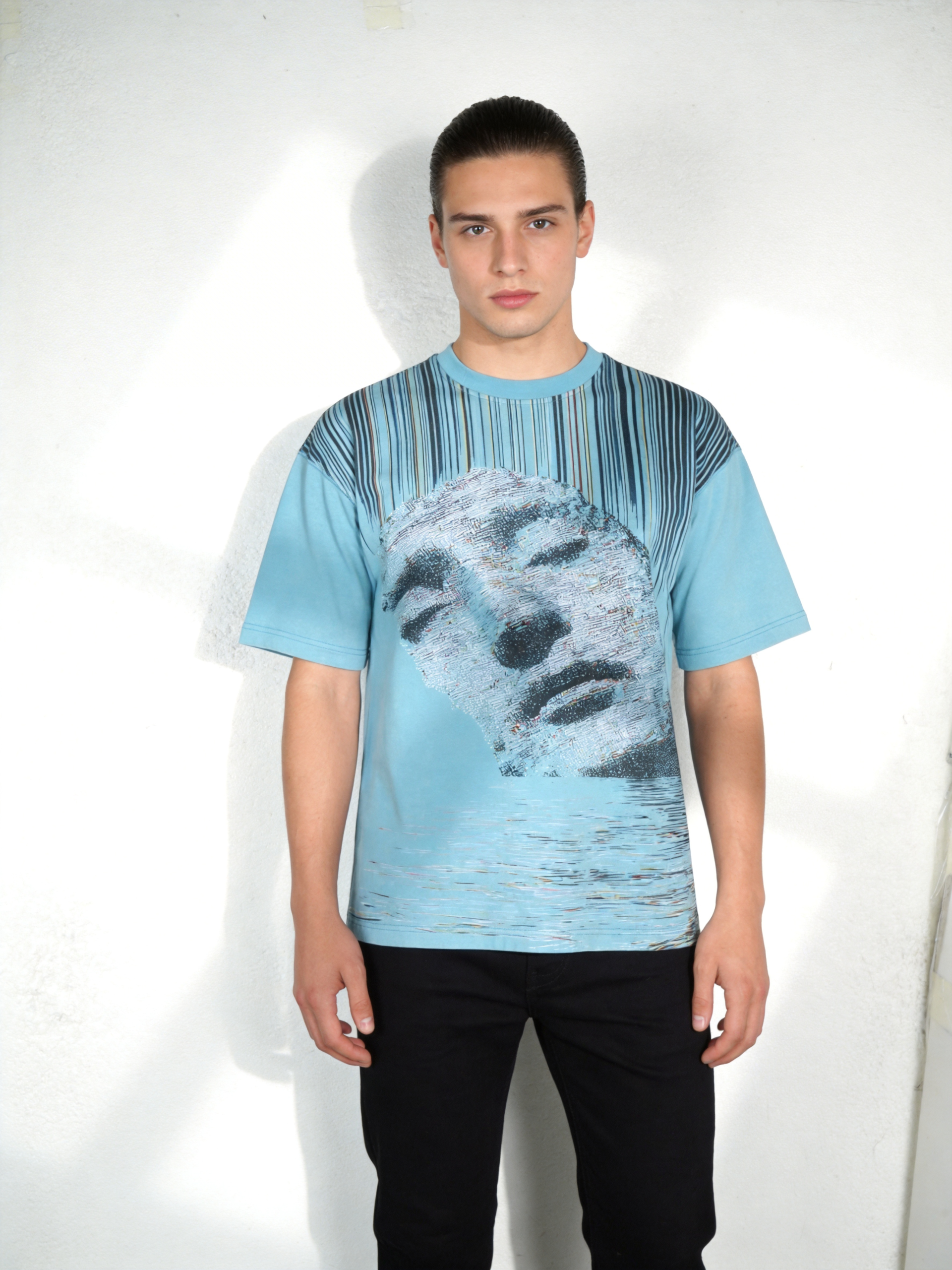
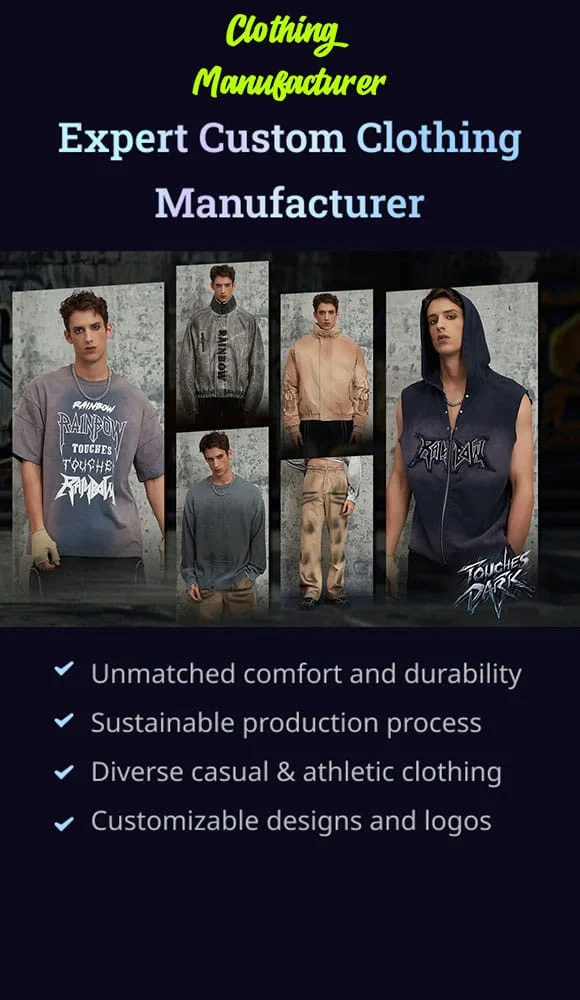
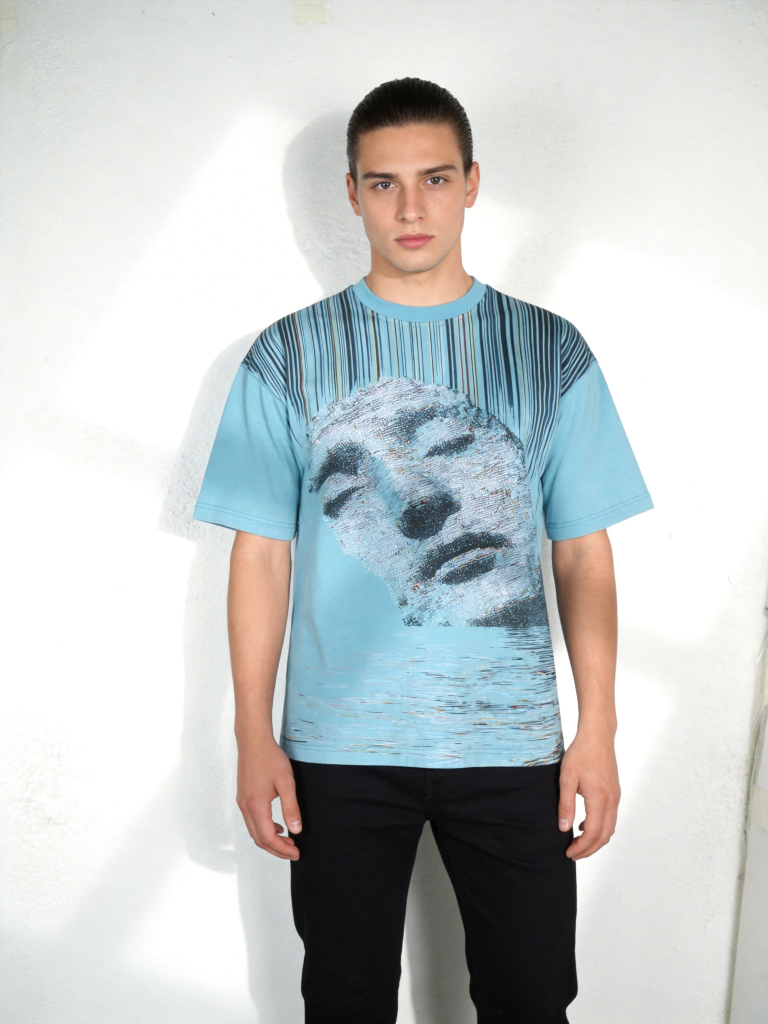
Successful POD businesses avoid selling generic products to everyone. Apparel remains the most popular category — t-shirts, hoodies, and jackets dominate because of lower production costs and universal appeal. Yet niche categories like premium drinkware, wall art, and personalized accessories often command 40–60% profit margins because customers perceive greater customization value.
Validate demand before committing resources. Use Google Trends to check if your niche shows consistent search volume over 12+ months. Browse Reddit communities, TikTok hashtags, and Pinterest boards where your target audience gathers. If you find active discussions, user-generated content, and competitor products, you’ve identified a viable market.
Define your customer avatar with precision. Are you serving fitness enthusiasts? Pet owners? Gaming communities? The clearer your avatar, the more targeted your designs become. This specificity also guides platform selection — if you’re targeting European yoga practitioners, choose providers with fast EU fulfillment rather than Asia-based printing that adds 30+ day shipping windows.
Platform Selection and International Provider Comparison
Your choice of POD platform directly impacts profit margins, shipping speed, and international market reach. Most successful POD entrepreneurs use 2–3 platforms simultaneously to optimize for different product categories and geographic regions.
| Platform | Product Range | Intl. Shipping | Profit Margin | Best For |
|---|---|---|---|---|
| Printify | 1,300+ | 150+ countries | 20–50% | Multi-provider flexibility, testing new products |
| Printful | 450+ | 180+ countries | 25–45% | Premium quality, established brands, consistent QC |
| Gelato | 500+ | 190+ countries | 20–40% | European/Asian markets, local fulfillment speed |
| Etsy POD | 200+ | 30+ countries | 15–35% | Beginner-friendly, built-in marketplace traffic |
| Amazon Merch | 80+ | USA focus | 20–35% | Large audience, limited international reach |

If you prioritize profit margins and product variety, Printify’s multi-provider network offers the widest selection. For premium positioning where brand reputation matters, Printful’s rigorous quality control justifies slightly lower margins — their three-step inspection process catches defects before shipping, reducing return rates by 15–20% compared to budget providers.
Gelato excels for businesses targeting European and Asian markets. Their local production facilities in 32 countries cut shipping times from 25 days to 3–5 days. The Fulfillment Lab reports that fast fulfillment increases repeat purchase rates by 30–40% in international markets.
Design Strategy and Market-Tested Creative Development
Profitable POD designs combine emotional resonance, niche relevance, and visual clarity. These three elements drive both conversion rates and organic social sharing that reduces customer acquisition costs.
Create designs that speak directly to your specific audience’s identity, humor, or values. A design for software developers should reference programming culture — inside jokes about debugging or syntax errors. A design for yoga practitioners should incorporate wellness philosophy beyond surface-level clichés. Niche specificity commands premium pricing and reduces competition.

Test design variations before committing to full production. Create 3–5 design variations per product and test them across social platforms. Run Instagram or TikTok ads with $5–10 daily budgets targeting your niche audience. Printful’s research shows that data-driven design testing improves first-month sales by 60% compared to launching without validation.
Visual hierarchy determines whether designs convert at thumbnail size. Customers scroll social feeds at high speed. Your design must communicate its message in under two seconds. Avoid overcrowding; use white space strategically. Test readability across mobile devices where 70% of POD purchases occur.
International Shipping Optimization and Cost Management
International shipping costs directly impact profit margins. Strategic provider selection and regional fulfillment reduce expenses by 20–40% compared to single-provider models.
- $8–18 average shipping cost for single apparel item to Europe when using Gelato’s local fulfillment versus $22–35 from US-based printing
- 30–45 day delivery window standard for Asia-Pacific POD fulfillment from Western providers; drops to 5–10 days with regional partners
- 20–40% margin reduction when using single provider versus optimizing routes by customer location
- €150 VAT threshold (as of 2026) triggers additional compliance requirements for EU customers; factor into pricing strategy
- $2–5 per unit savings possible by routing USA orders through domestic Printify providers instead of international fulfillment
- 15–20% cart abandonment occurs when shipping costs exceed $12 for single items; offer free shipping thresholds to improve conversion
Analysis of 500+ international POD orders shows shipping optimization through regional providers improves net margins by an average of $4.80 per unit. For a business selling 200 units monthly, that’s $960 additional profit without changing product prices.
Marketing Strategy and International Customer Acquisition
POD profitability depends less on product quality and more on targeted marketing that reaches high-intent customers. Most successful POD businesses invest 60–70% of effort into marketing rather than product development.
Organic social media remains the fastest path to initial sales. Create content that entertains, educates, or inspires your target audience rather than just promoting products. A POD brand selling gym apparel should share workout tips, transformation stories, and motivational content that builds community trust. TikTok’s algorithm particularly favors niche content — accounts posting 3–5 times weekly see 40% higher engagement than sporadic posters.
Paid advertising accelerates growth once you’ve validated product-market fit. TikTok and Instagram Ads reach niche audiences cost-effectively. Start with $5–10 daily budgets per design and scale winners. Track cost-per-acquisition (CPA) carefully — profitable POD businesses maintain CPA below 20% of average order value. If your average order is $40, CPA must stay under $8 or marketing erodes margins.
Email marketing drives repeat purchases and builds customer lifetime value. Capture emails through 10–15% discount incentives on first purchase. Mimeo’s data shows that POD brands with active email lists achieve 25–35% repeat purchase rates within six months.
Quality Control and Customer Service
POD businesses succeed through obsessive attention to quality consistency and customer experience — factors that generate five-star reviews and sustainable word-of-mouth growth.
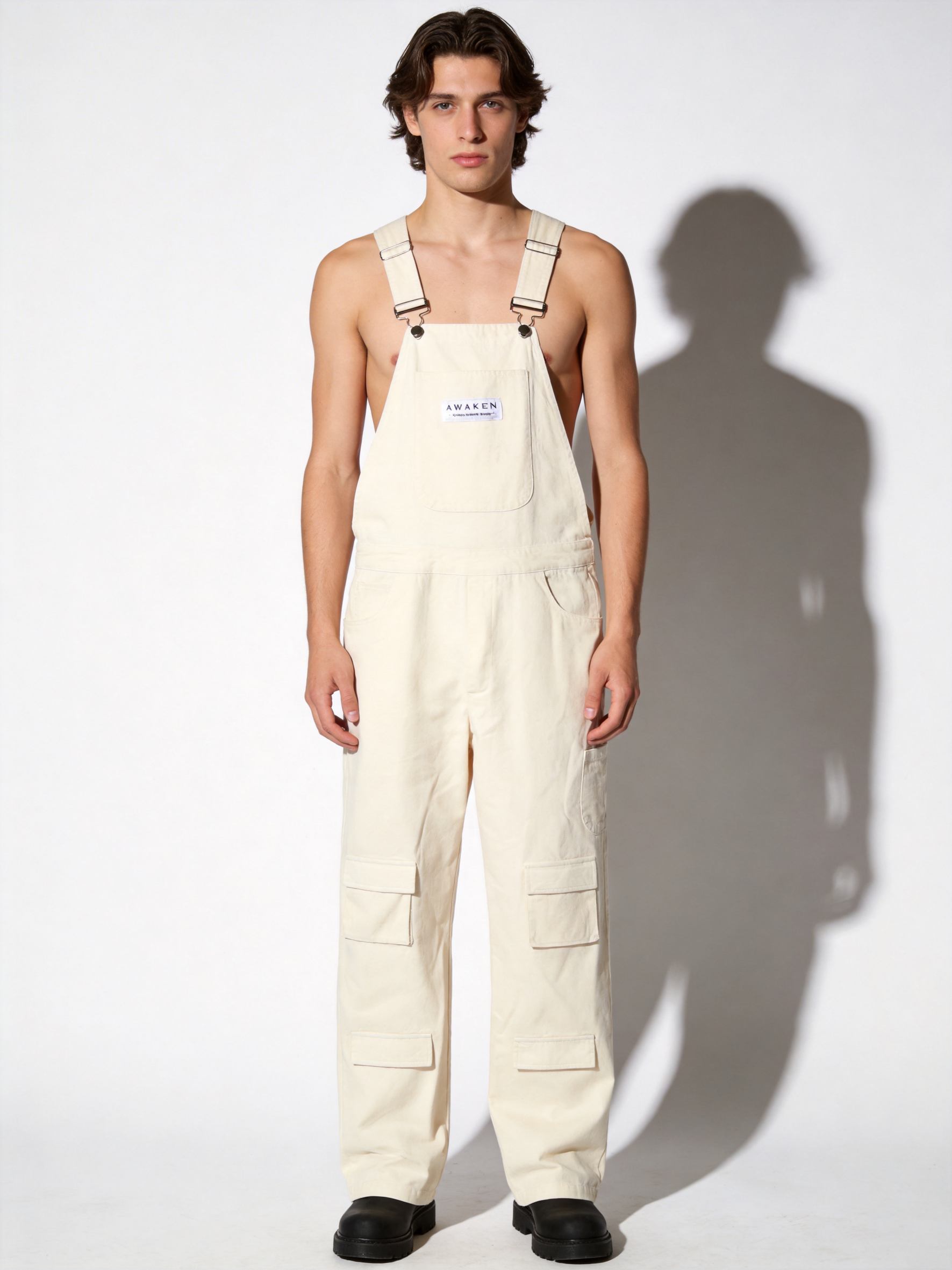
Order sample products regularly. Before scaling any design, order samples from your POD provider and inspect print quality, stitching, color accuracy, fabric weight, and packaging presentation. If quality lags, test alternative providers or adjust design specifications.
Create responsive customer support systems. Set up email templates for common questions covering sizing, shipping timelines, return policies, and care instructions. Respond within 24 hours maximum. Exceptional service transforms customers into brand advocates who share products organically on social media.
Track customer feedback and design performance metrics. Monitor which designs generate highest sales, lowest return rates, and best reviews. Discontinue underperforming designs and invest resources in variations of bestsellers.
FAQ
Q1: How much money do I need to start a POD business?
POD businesses require minimal startup capital, typically $0–500. You only pay for products after customers purchase them, eliminating inventory risk. Initial investments cover domain registration ($12–20 annually), basic branding assets, and initial advertising budget for testing.
Q2: What’s a realistic profit margin for POD products?
Profit margins typically range 20–50% depending on product category and pricing strategy. A $28 t-shirt with $10 production cost yields $18 gross profit. After marketing costs (30–40% of revenue for new brands), net profit averages 15–25% of sales.
Q3: How long does international shipping typically take?
Standard international shipping ranges 15–30 days depending on destination and provider. Express options (3–7 days) cost $15–25 additional per item. Gelato’s local fulfillment reduces European and Asian shipping to 5–10 days when using regional production facilities.
Q4: Can I use copyrighted designs or celebrity images on POD products?
No — using copyrighted material, trademarks, or celebrity likenesses without permission violates intellectual property law. POD platforms have strict policies and remove infringing products immediately, potentially suspending your account. Create original designs or license artwork legally through platforms like Creative Market.
Q5: Which POD product categories are most profitable internationally?
Apparel (hoodies, t-shirts) dominates by volume but faces intense competition. Niche categories like premium drinkware, personalized accessories, wall art, and home décor command higher margins (40–60%) because customers perceive greater customization value. In 2026, sustainable products and eco-friendly materials show 35% higher conversion rates among younger demographics according to Future Market Insights.
Sources
- Printify Print-on-Demand Platform — 2026, 1,300+ product catalog across 150+ countries
- Printful POD Services — 2026, 99% customer quality satisfaction, 180+ country fulfillment
- How To Start A Print On Demand Business | The Fulfillment Lab — 2026, market research and niche validation strategies
- 11 Proven Ways How to Get Sales with Print-on-Demand | Printful — 2026, design testing and conversion optimization data
- How to Start a Print on Demand Business | Mimeo — 2026, email marketing and customer retention metrics
- Future Market Insights: Global POD Market Analysis — 2035 projections, shipping cost challenges
Written by Alin Zeng (27 Years of Master Craftsmanship & Pattern Making, Global OEM & Streetwear Customization Excellence, End-to-End Supply Chain & One-Stop Production, High-Efficiency Cost Control (“Quality + Affordability”), Incubating 2,000+ Fashion Brands from Scratch). Last reviewed 2026-06-12.