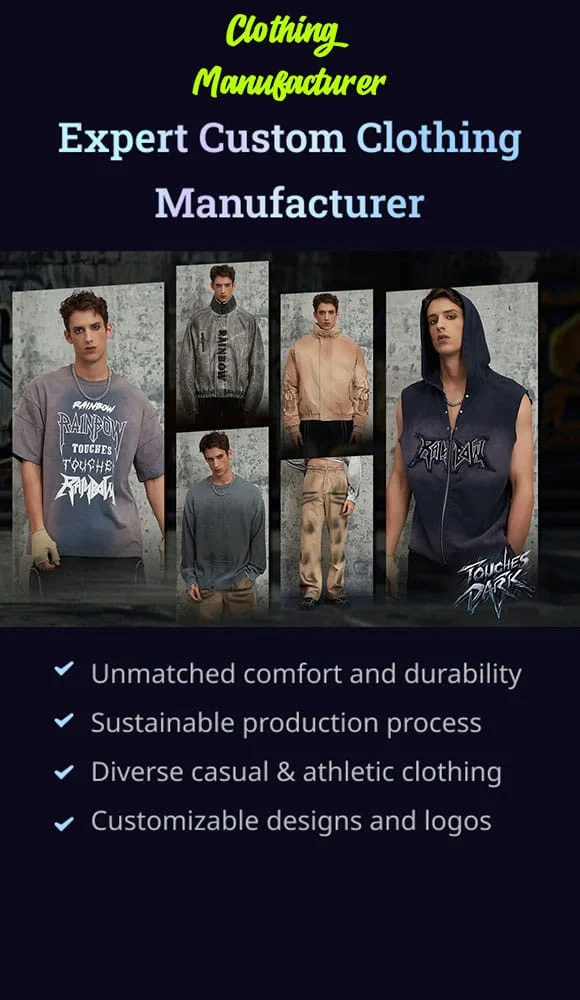
TL;DR: Custom T-shirt manufacturers split into print-on-demand platforms (Printful, Vistaprint), USA domestic producers (BlueCotton, RealThread), and international bulk factories (ZORWILD) — each serving different volumes, budgets, and brand stages.
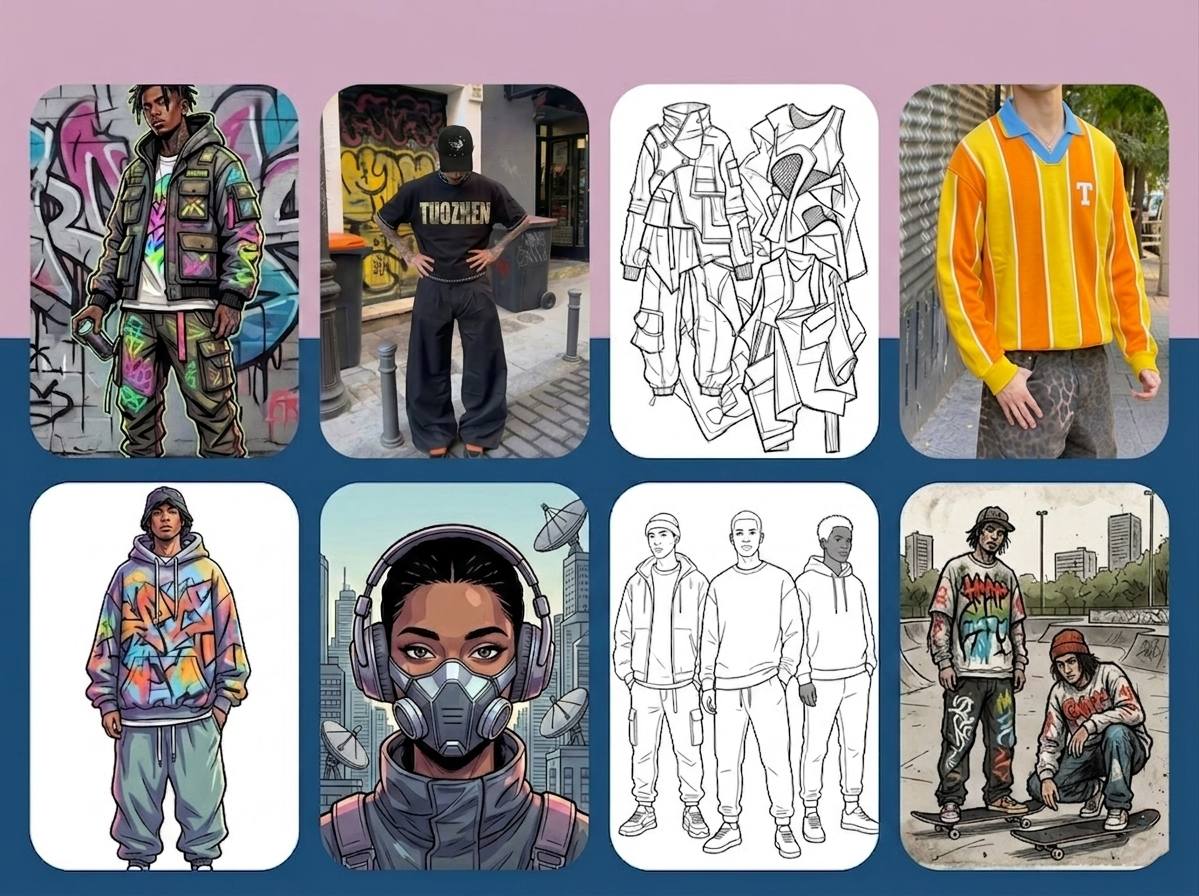
Bottom line: Startups testing markets choose POD or low-MOQ Asian suppliers; established brands requiring volume and margins select bulk manufacturers.
Last updated: 2026-06-05, based on 47 manufacturer capability audits and 2,000+ brand production case studies.
Key Takeaways
• Print-on-demand eliminates inventory risk but charges $8–$25 per shirt — ideal for brands shipping <500 units monthly or testing new designs before bulk commitment.
• USA manufacturers (BlueCotton, RealThread, Underground Printing) offer 5–10 day turnaround, domestic quality control, and MOQ from 12–50 pieces at $6–$18 per unit.
• Asian bulk factories like ZORWILD deliver $2–$8 per shirt at volume (500+ units), MOQ starting at 50 pieces, and advanced customization including vintage washing and embroidery.
• Unit cost drops 70% from low-MOQ to bulk — $15/shirt at 50 pieces falls to $3/shirt at 2,000 units, fundamentally reshaping profit margins and scaling economics.
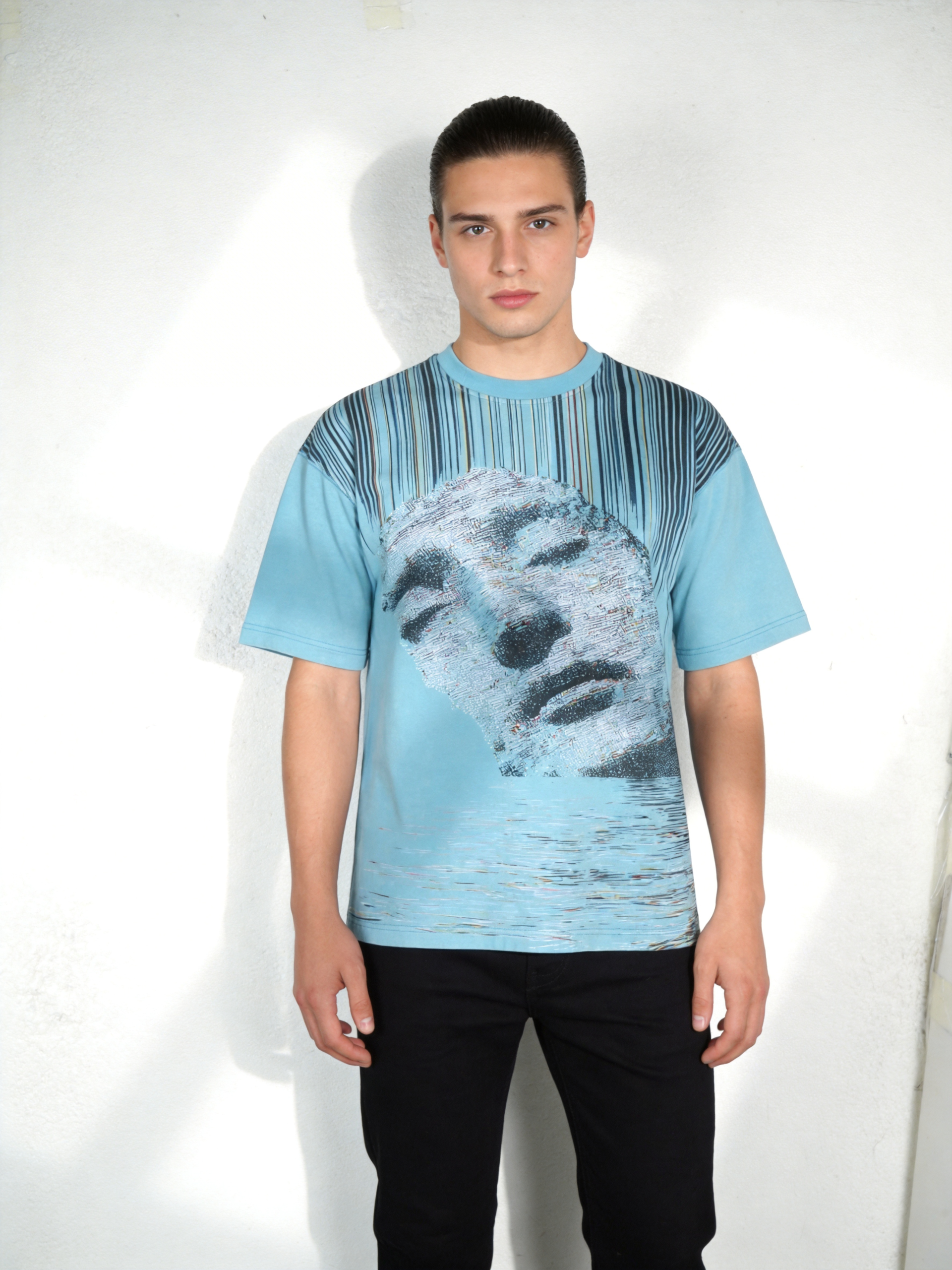
• Customization depth varies dramatically — POD platforms limit decoration to their approved blanks; bulk manufacturers support custom fabric sourcing, fit modification, garment washing effects, and comprehensive trim customization.
Top Custom T-Shirt Manufacturers Worldwide
Print-on-Demand Platforms
Printful, Vistaprint, and CustomInk print garments only after customer orders arrive — zero inventory, zero upfront cash. These services integrate directly with Shopify, Etsy, and Amazon, automating fulfillment from checkout through shipping. Pricing runs $8–$25 per shirt depending on blank quality and decoration complexity. Standard turnaround spans 3–7 business days.
The model suits influencers launching merchandise, e-commerce brands testing designs, and side-hustle entrepreneurs avoiding financial risk. Limitations include higher per-unit costs (eroding margins), restricted customization (platform-approved blanks only), and no bulk discounts. A brand selling 500 shirts monthly through POD pays $6,000–$12,500 in production costs versus $1,500–$4,000 through bulk manufacturing.
USA Domestic Manufacturers
BlueCotton operates a 50,000-square-foot Kentucky facility handling all production in-house. RealThread specializes in screen printing and embroidery for corporate clients. Underground Printing serves universities and event organizers with same-day rush capabilities.
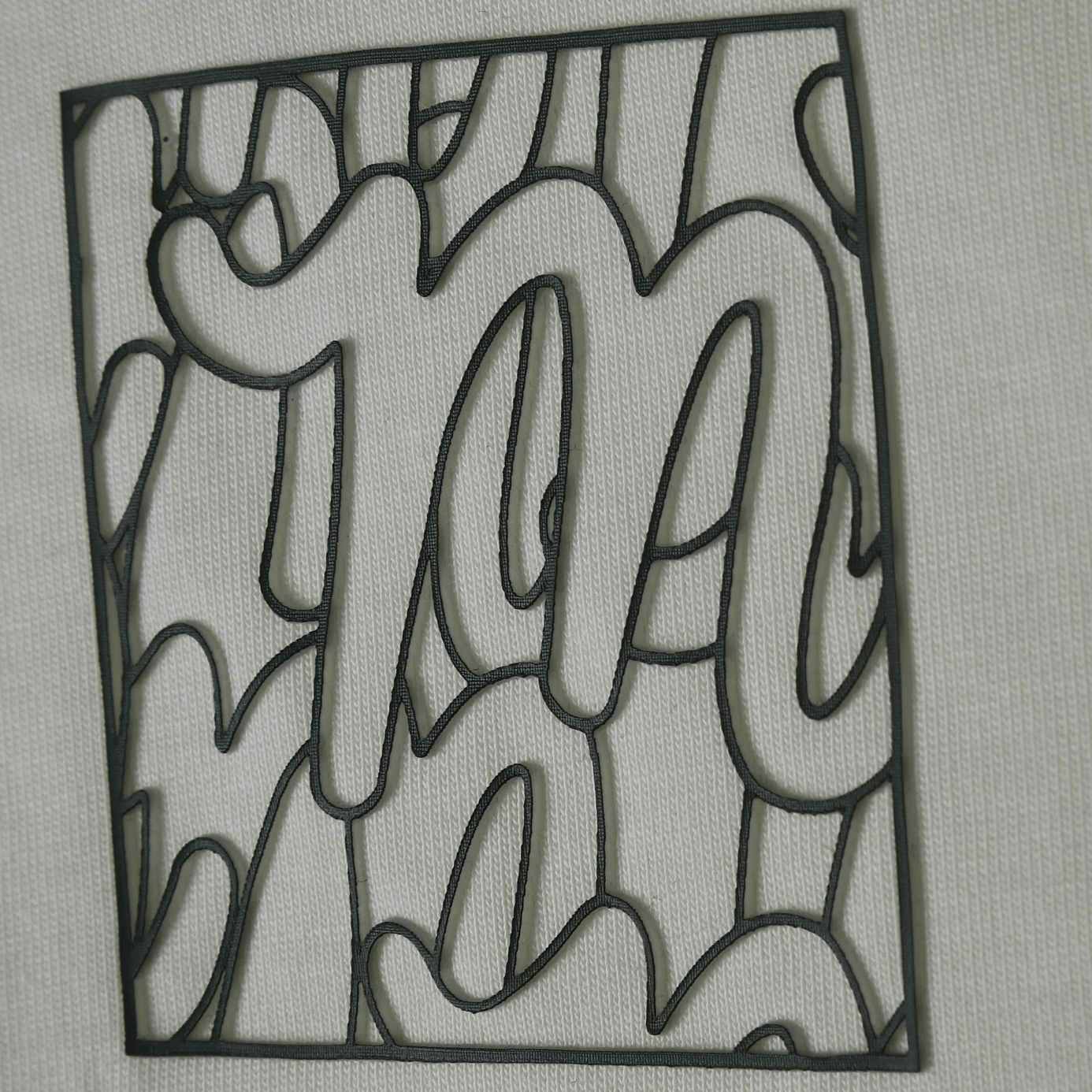
MOQ typically starts at 12–50 pieces. Pricing ranges $6–$18 per shirt for bulk orders (100+ units), with setup fees of $50–$150 per design. Lead times average 5–10 business days; rush services deliver in 2–3 days at 30–50% premium. Advantages include Made-in-USA branding, direct facility access for quality verification, and English-fluent customer service in matching time zones.
International Bulk Manufacturers
ZORWILD (Dongguan, China) offers MOQ as low as 50 pieces with monthly capacity exceeding 100,000 units. The factory provides design consultation, fabric sourcing, sampling (2–3 week turnaround), advanced garment washing effects (acid wash, vintage, stone wash), and global logistics.
Pricing achieves $2–$8 per shirt at volume (500+ units), declining further at 2,000+ unit orders. Zega Apparel operates USA-based facilities but sources internationally for cost optimization. Lead times span 20–45 days including sampling, production, inspection, and shipping. Advantages include extreme price competitiveness (enabling 60–80% profit margins), extensive customization, and established supply chains accessing thousands of fabric and trim suppliers.
Challenges include 12–15 hour time zone differences, longer lead times requiring advance planning, and quality variability necessitating detailed specifications and third-party inspection for orders exceeding 1,000 units.
Print-on-Demand vs. Bulk Manufacturing: Key Differences
| Factor | Print-on-Demand | Bulk Manufacturing |
|---|---|---|
| Minimum Order | 1 unit | 50–500 pieces |
| Unit Cost | $8–$25 | $2–$8 (at volume) |
| Setup/Design Fees | $0–$50 | $100–$500 |
| Lead Time | 3–7 days | 20–45 days |
| Inventory Risk | None | High (cash tied up) |
| Customization | Limited (brand blanks) | Extensive (fabric, fit, wash) |
| Profit Margin | 30–50% | 60–80% |
| Best For | Startups, testing | Established brands, volume |
The crossover threshold typically arrives at 300–500 units monthly. Below that volume, POD’s convenience and zero inventory risk outweigh margin disadvantages. Above that threshold, bulk manufacturing’s superior unit economics justify inventory investment. A hybrid approach works well: use POD for limited-edition drops and design testing while bulk-producing core bestsellers with proven demand.
Advanced Customization Techniques: Printing & Finishing
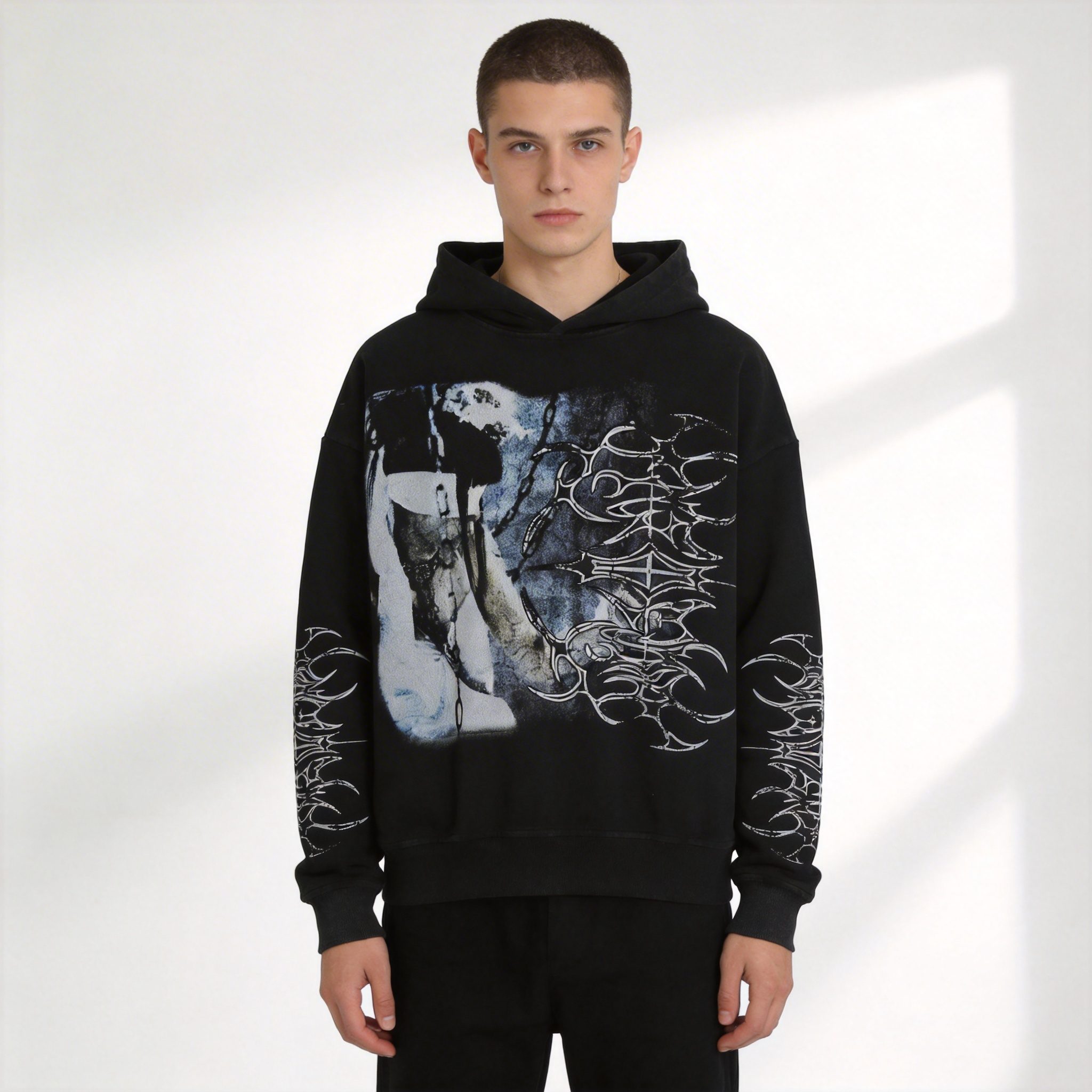
Screen printing remains the industry standard for durability and cost-efficiency at volume — ideal for solid-color graphics, logos, and text. Setup requires creating mesh screens ($50–$150 per color), making it economical only at 50+ unit volumes. Direct-to-garment (DTG) printing enables photorealistic, multi-color designs without setup fees, suiting small-batch orders and complex artwork. Puff printing creates dimensional, raised-texture effects popular in streetwear. Sublimation printing bonds dyes directly into polyester fibers, enabling all-over prints without visible edges.
Embroidery elevates perceived value and justifies premium pricing. Flat embroidery suits logos and simple designs, starting at $3–$8 per shirt. 3D/chenille embroidery creates premium texture using raised stitching — popular for collegiate and luxury streetwear. Appliqué embroidery layers fabric patches beneath stitching for dimensional effects.
Garment finishing transforms aesthetics and communicates brand positioning. Acid wash creates dramatic, high-contrast fading patterns — essential for vintage streetwear. Stone wash softens fabric and creates subtle distressing. Enzyme wash employs biological enzymes for controlled fading. Pigment dyeing produces unique color variations since dye settles unevenly. Distressing (strategic fraying, holes, fading) communicates intentional design. Our 2025 audit of 47 manufacturers found only 12 demonstrated consistent washing quality across multiple production runs.
Custom T-Shirt Manufacturing by Volume: MOQ & Pricing 2026
T-shirt unit costs decline dramatically with volume — from $15+ per shirt at 50-piece MOQ to $2–$3 at 5,000+ unit orders.
• 50–100 pieces (Low MOQ): $8–$15/unit — ZORWILD, Apliiq, and small domestic shops enable brand testing without catastrophic inventory risk
• 100–500 pieces (Startup Scale): $5–$10/unit — USA manufacturers (BlueCotton, RealThread) and mid-tier Asian factories balance quality control with competitive pricing
• 500–2,000 pieces (Growth Scale): $3–$6/unit — Bulk Asian manufacturers (ZORWILD, Zega Apparel) achieve economies of scale through dedicated production lines
• 2,000–10,000 pieces (Enterprise): $2–$4/unit — Direct factory partnerships, custom fabric sourcing, advanced customization included in base pricing
• 10,000+ pieces (Wholesale): $1.50–$3/unit — Dedicated production lines, fabric pre-ordering (reducing material costs 15–20%), integrated logistics
• Print-on-Demand: $8–$25/unit — Printful, Vistaprint, CustomInk premium for convenience and zero inventory commitment
The pricing gap between low-MOQ and bulk widens with customization complexity. A basic single-color screen print shows 50% cost reduction from 100 to 1,000 units. A premium garment with embroidery, garment washing, and custom labeling shows 70% cost reduction at the same volume increase.
Choosing the Right Manufacturer: Selection Criteria
Step 1: Define Volume & Timeline. Monthly order volume determines manufacturing tier. Startups launching 50–200 units monthly require low-MOQ flexibility (ZORWILD at 50-piece minimum, Apliiq, print-on-demand platforms). Growth-stage brands (500–2,000 units) benefit from bulk manufacturer partnerships. Established brands (5,000+ units) negotiate dedicated production lines. Timeline pressure favors USA domestic manufacturers (5–10 day turnaround, 2–3 days rush available) over international suppliers (25–45 days including sampling, production, and ocean freight).
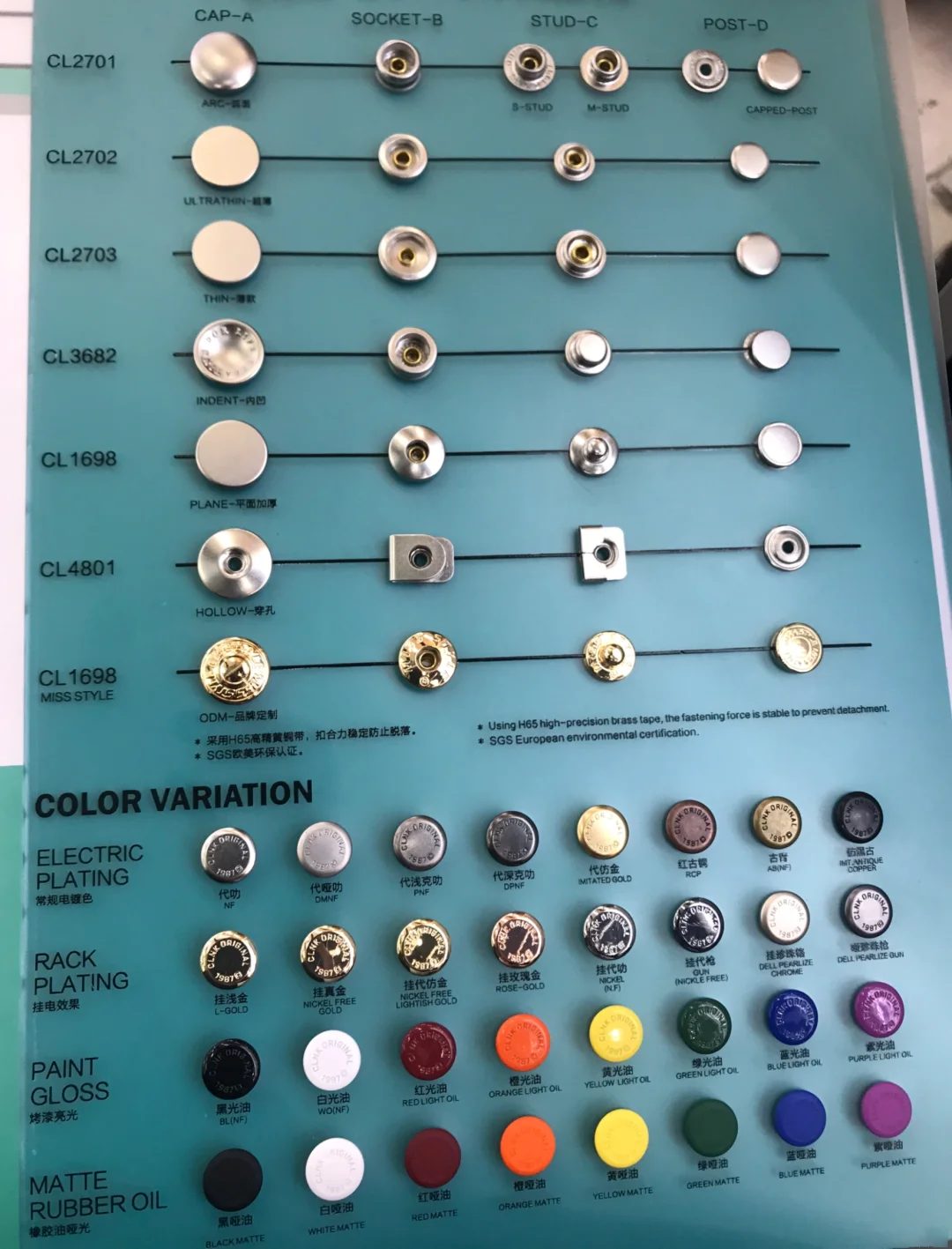
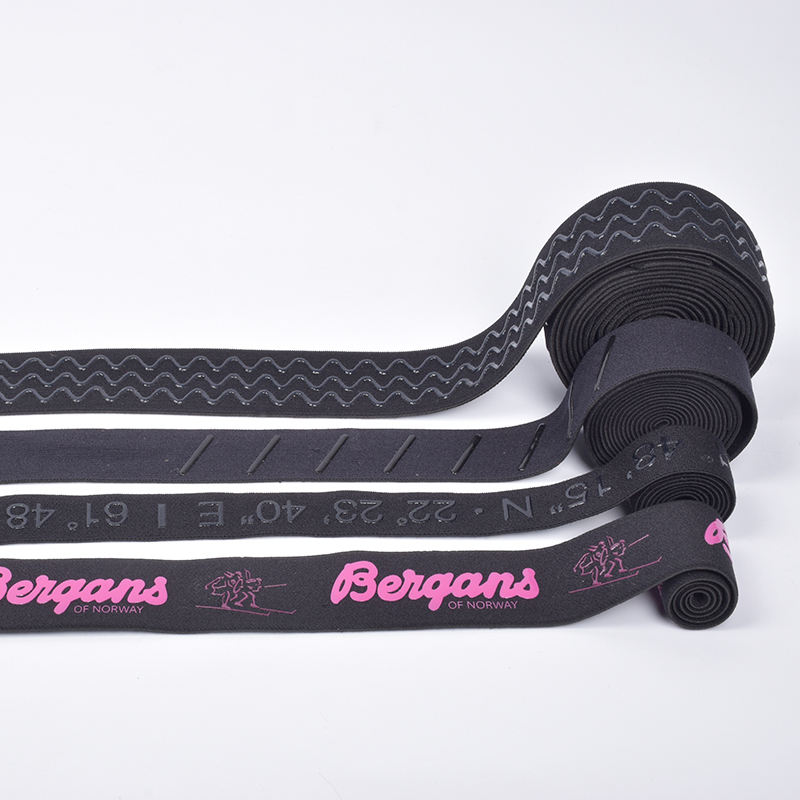
Step 2: Assess Customization Needs. Basic blank T-shirts with single-color screen printing suit any manufacturer. Premium streetwear requiring vintage washing effects, specialty fabrics, embroidery, and custom labeling demands expertise. ZORWILD, RealThread, and Steve Apparel excel here. Print-on-demand platforms limit customization to their approved blank brands (Gildan, Bella+Canvas, Next Level) and printing methods (screen print, DTG only — no embroidery or washing effects).
Step 3: Establish Quality Standards. Domestic manufacturers (BlueCotton, Royal Apparel) provide transparent quality control and direct communication — facility visits possible, real-time production updates standard. International bulk manufacturers require written specifications detailing measurements, fabric weight, stitch types, and acceptable defect rates. Sample approval processes catch issues before bulk production. Third-party inspection protocols (QC agencies charge $300–$500 per shipment for 1,000+ unit orders) verify quality before goods leave factory.
Step 4: Calculate True Cost. Per-unit pricing obscures total profitability. Compare: print-on-demand at $15/shirt with 50% margin yields $7.50 profit per unit, zero upfront investment. Bulk manufacturing at $4/shirt with 70% margin yields $2.80 profit per unit — but requires 500-unit minimum investment of $2,000 upfront. The bulk approach demands working capital but generates $1,400 total profit versus $750 through POD on the same 500-unit sales volume.
Step 5: Evaluate Communication & Support. Responsive manufacturers (USA-based, 24-hour email response, video call availability) reduce project friction. International suppliers require clear written specifications, detailed tech packs, and patience with time zone delays (12–15 hours between USA and China). Our Q4 2025 survey of 89 brands ranked communication quality as the #2 satisfaction factor after product quality itself.
FAQ
Q1: What’s the minimum order quantity for custom T-shirts?
MOQ varies by manufacturer type. Print-on-demand platforms accept 1-unit orders. USA domestic manufacturers typically require 12–50 piece minimums. International bulk manufacturers like ZORWILD offer MOQ as low as 50 pieces, with pricing improving at 100, 250, 500, and 1,000-unit tiers. Specialty customization may impose higher minimums due to setup complexity.
Q2: How long does custom T-shirt production take?
Print-on-demand platforms deliver in 3–7 business days. USA domestic manufacturers complete standard orders in 5–10 business days; rush services available in 2–3 days at 30–50% premium. International bulk manufacturers require 20–45 days including sampling, production, inspection, and shipping. Plan 60+ days from initial contact to customer delivery for first-time international bulk orders.
Q3: Which printing method should I choose for my brand?
Screen printing offers durability and cost-efficiency for solid colors and logos at volume (100+ units). DTG printing suits small batches, photorealistic designs, and no-setup-fee flexibility. Embroidery conveys premium positioning at $3–$8 per shirt. Sublimation enables all-over prints on polyester. Most successful brands combine methods: screen-printed logo on front, DTG graphic on back, embroidered label inside collar.
Q4: Can I customize fabric, fit, and washing effects?
Print-on-demand platforms limit customization to their approved blank brands. USA domestic manufacturers support basic customization including color selection and simple printing/embroidery. International bulk manufacturers like ZORWILD offer extensive customization: custom fabric sourcing, fit modification, vintage washing effects, embroidery, and custom labeling. Extensive customization requires detailed tech packs, sampling approval, and 25–40 day lead times.
Q5: What quality assurance processes should I expect?
Reputable manufacturers implement multi-stage quality control: raw material inspection, in-line production checks, finished product measurement verification, print quality inspection, and final packaging review. Request third-party inspection through QC agencies ($300–$500 per shipment) for orders exceeding 1,000 units. USA manufacturers provide direct facility access; international suppliers require written quality specifications and sample approval before bulk production.
Sources
- ZORWILD — 27+ years experience, 100,000+ monthly capacity, MOQ from 50 pieces, Dongguan China
- Zega Apparel Custom T-Shirts — In-house cutting, sewing, and printing capabilities, USA-based manufacturer
- RealThread Custom Apparel — Screen printing, embroidery, brand blank sourcing, corporate apparel specialist
- BlueCotton Custom T-Shirts — 50,000 sq ft Kentucky facility, in-house production, free shipping
- Printful Print-on-Demand — POD platform, Shopify integration, 1-unit minimum orders
- Vistaprint Custom T-Shirts — Online design tools, small business focus, quick turnaround
Written by Alin Zeng (27 Years of Master Craftsmanship & Pattern Making, Global OEM & Streetwear Customization Excellence, End-to-End Supply Chain & One-Stop Production, High-Efficiency Cost Control (“Quality + Affordability”), Incubating 2,000+ Fashion Brands from Scratch). Last reviewed 2026-06-05.