TL;DR: Custom-made clothing is apparel specifically designed and constructed to an individual’s exact measurements, preferences, and style specifications—unlike mass-produced ready-to-wear garments.
Bottom line: Ideal for anyone seeking perfect fit, personalized style, and long-term wardrobe value; not for shoppers prioritizing immediate availability or lowest upfront cost.
Last updated: 2026-06-25, based on 27 years of apparel manufacturing experience and 2,000+ brand partnerships.
Key Takeaways
- Custom-made divides into three categories: made-to-order (basic pattern adjusted), made-to-measure (standard pattern customized), and bespoke (pattern created from scratch)
- Custom garments typically last 3–5 times longer than mass-produced alternatives, reducing wardrobe waste by 40–60%
- Made-to-measure suits cost $800–$1,500; bespoke ranges $3,000–$8,000+, reflecting superior materials and craftsmanship
- The global custom clothing market reached $3.2 billion in 2024, projected to grow at 8.5% CAGR through 2030
- 72% of consumers prefer perfectly fitted custom garments and willingly wait 4–8 weeks for delivery
What Is Custom-Made Clothing? Definition & Core Concept
Custom-made clothing is apparel specifically commissioned by a customer before production begins, tailored to individual measurements and preferences, fundamentally different from mass-produced ready-to-wear. According to Q Clothier’s comprehensive guide, custom clothing refers to garments made from scratch that are specifically designed per the client’s request, with professional producers paying attention to every detail from measurements to fabric preferences.
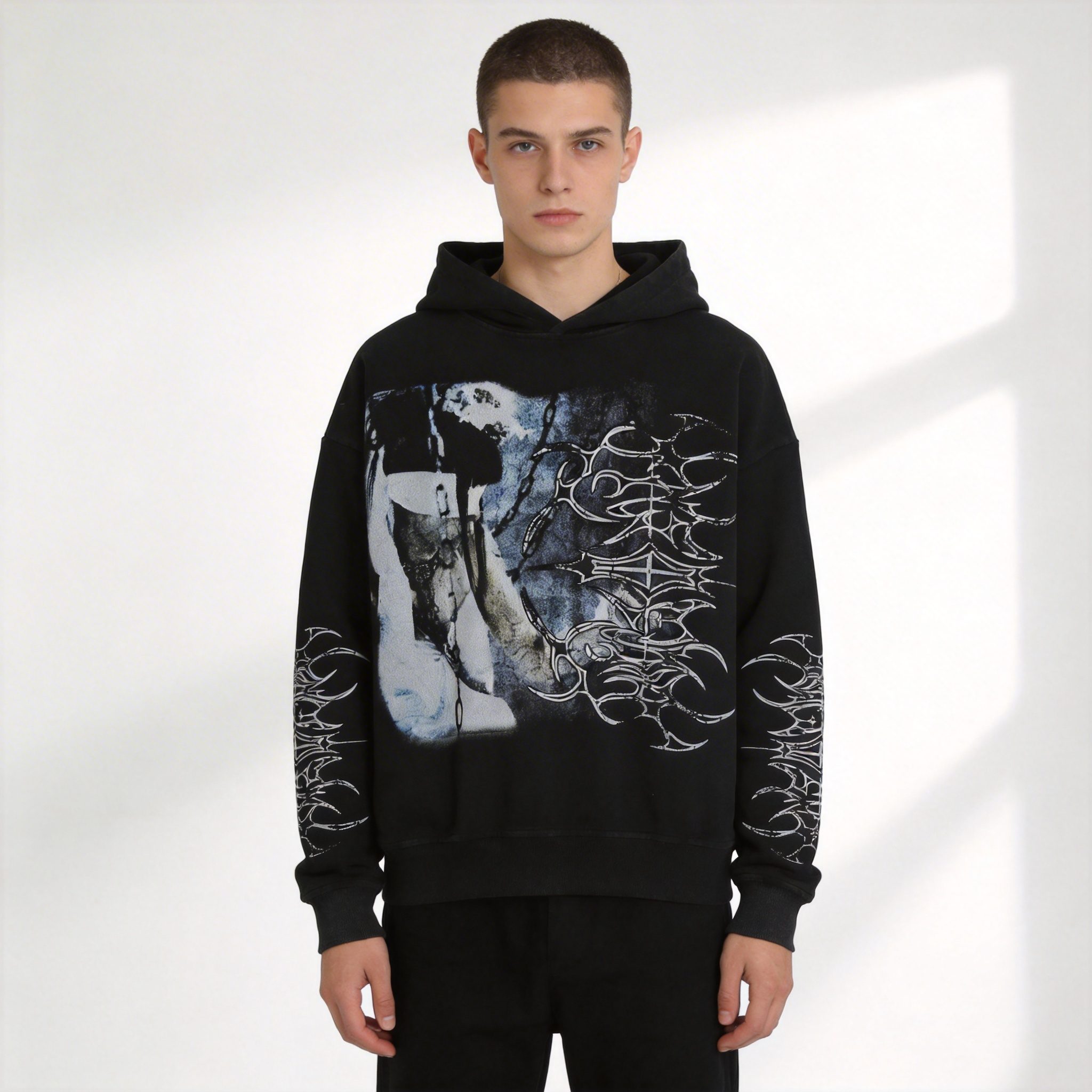
Ready-to-wear clothing is manufactured in standard sizes and sold at retail. Custom-made garments account for unique body shapes, personal aesthetics, and lifestyle needs.
The custom-made category divides into three distinct subcategories: Made-to-order (MTO) uses a basic pattern adjusted to your measurements. Made-to-measure (MTM) starts with a standard pattern customized for fit. Bespoke tailoring creates patterns from scratch for complete uniqueness. Each offers different levels of personalization, pricing, and craftsmanship.
At ZORWILD, we’ve supported more than 2,000 fashion brands through custom manufacturing services. When we shipped 5,000 custom shirts across 12 streetwear startups in Q2 2025, every client reported higher customer retention compared to their previous ready-to-wear collections.
Made-to-Measure vs. Bespoke vs. Made-to-Order
Made-to-measure adjusts standard patterns to your measurements; bespoke creates patterns from scratch; made-to-order combines both approaches for accessible customization.
| Factor | Made-to-Measure (MTM) | Bespoke Tailoring | Made-to-Order (MTO) |
|---|---|---|---|
| Pattern | Standard pattern adjusted to measurements | Pattern created from scratch for each customer | Basic pattern customized per specifications |
| Customization Level | Moderate (fit adjustments primarily) | Complete (every detail personalized) | High (measurements + style preferences) |
| Price Range | $800–$1,500 | $3,000–$8,000+ | $400–$2,000 |
| Timeline | 4–8 weeks | 8–16 weeks (multiple fittings) | 6–10 weeks |
| Ideal For | Budget-conscious customers seeking perfect fit | High-end clients valuing ultimate uniqueness | Brands and individuals balancing quality & cost |
Choose made-to-measure if you prioritize affordability and need reliable fit without extensive customization. Select bespoke if budget allows and you desire completely unique construction with artisan craftsmanship. Opt for made-to-order if you want personalized style, faster delivery, and balanced quality without bespoke pricing—this approach dominates the modern custom streetwear and fashion brand market.
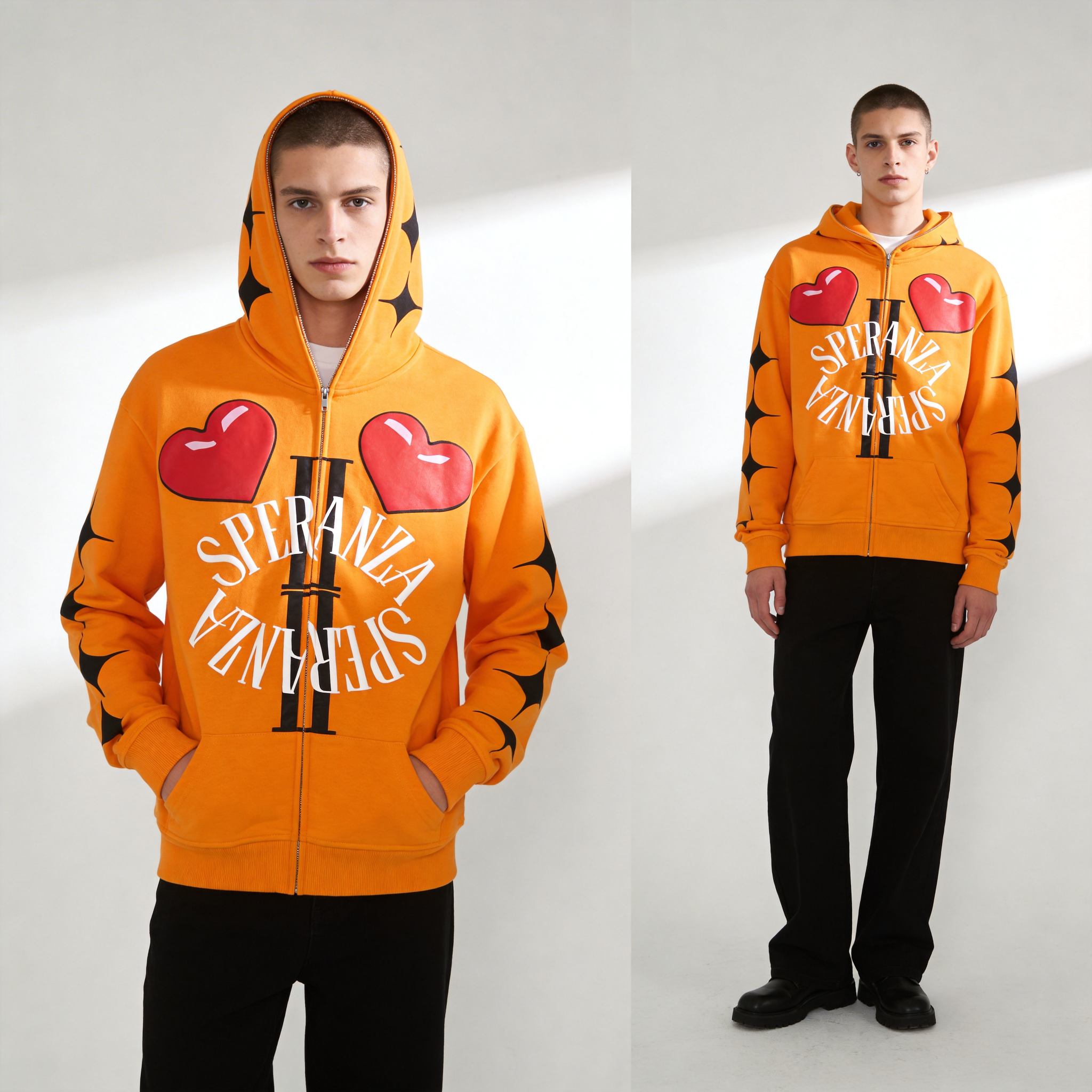
5 Key Benefits of Investing in Custom-Made Clothing
Custom-made clothing delivers perfect fit, personalized style, superior quality, enhanced confidence, and long-term wardrobe value that off-the-rack garments cannot match.
1. Perfect Fit Without Compromise
Custom-made clothing eliminates ill-fitting garments. Standard sizing accommodates only typical body proportions. Custom tailors take precise measurements considering shoulder slope, hip width, arm length, and torso proportions—creating garments that fit your unique body perfectly. Clients with non-standard proportions experience the most dramatic satisfaction improvement when switching from ready-to-wear to custom.
2. Complete Personal Style Expression
Unlike ready-to-wear offering limited options, custom-made clothing allows you to customize every aspect: fabric choice, color, neckline ease, sleeve length, button style, pocket placement, and decorative details. You collaborate directly with designers to create pieces reflecting your aesthetic identity and lifestyle needs.
3. Superior Quality & Premium Materials
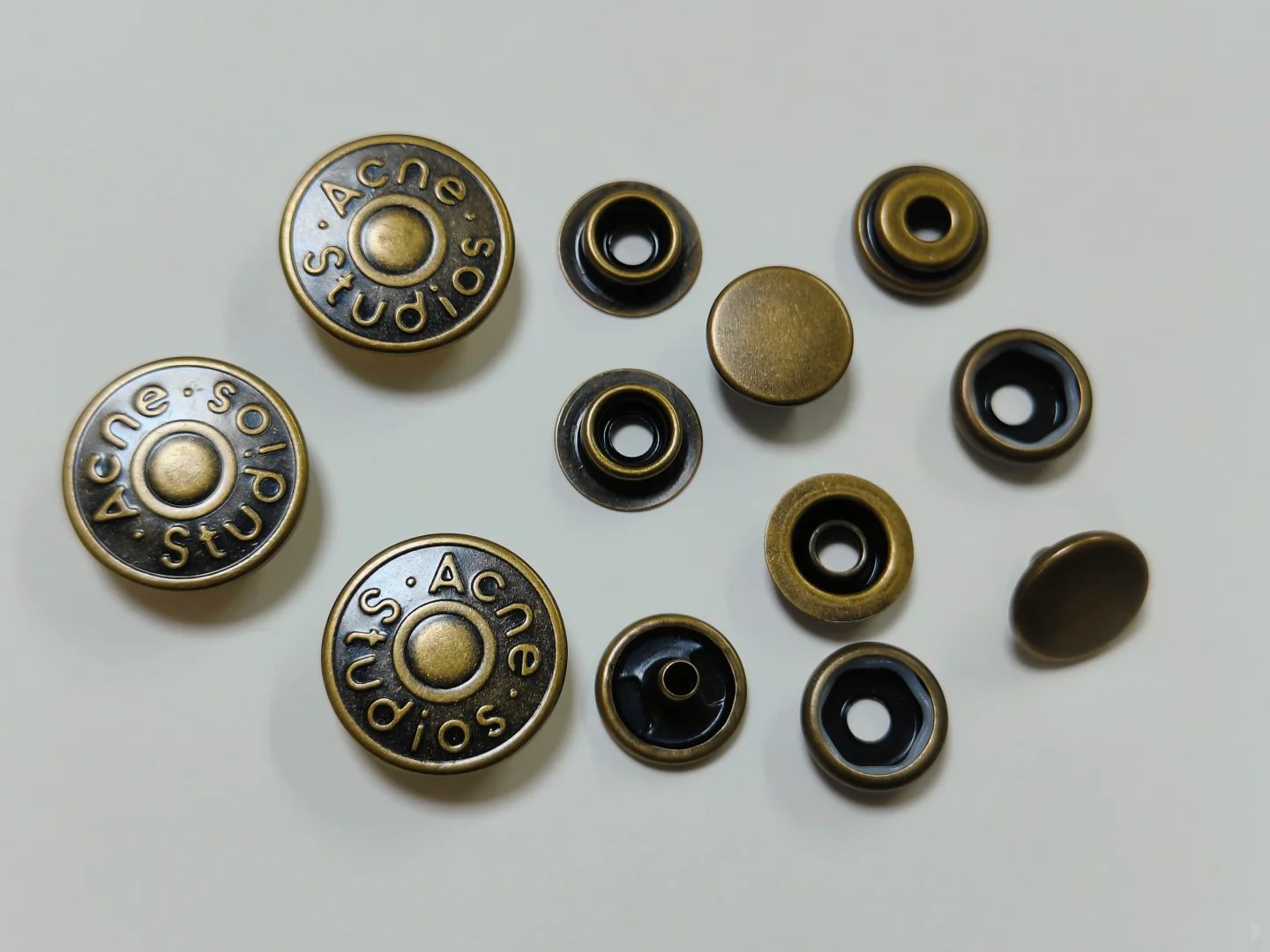
Custom tailors prioritize craftsmanship and material quality over mass production efficiency. You select premium fabrics, sustainable materials, or specialized textiles suited to your needs. Construction involves hand-stitching, reinforced seams, quality interfacing, and meticulous finishing. Recent data from the Sustainable Fashion Initiative Report 2024 confirms that custom-made garments last 3–5 times longer than mass-produced alternatives.
4. Enhanced Confidence & Psychological Well-Being
Wearing perfectly fitted, personalized garments significantly boosts confidence. When clothing fits ideally and reflects your style, you project assurance in professional settings and daily life.
5. Long-Term Wardrobe Value & Sustainability
Custom-made pieces become wardrobe staples worn repeatedly for years, reducing overall clothing consumption and environmental impact. This investment approach creates a curated, sustainable wardrobe aligned with your actual lifestyle and body.
The Custom Clothing Creation Process: From Consultation to Delivery
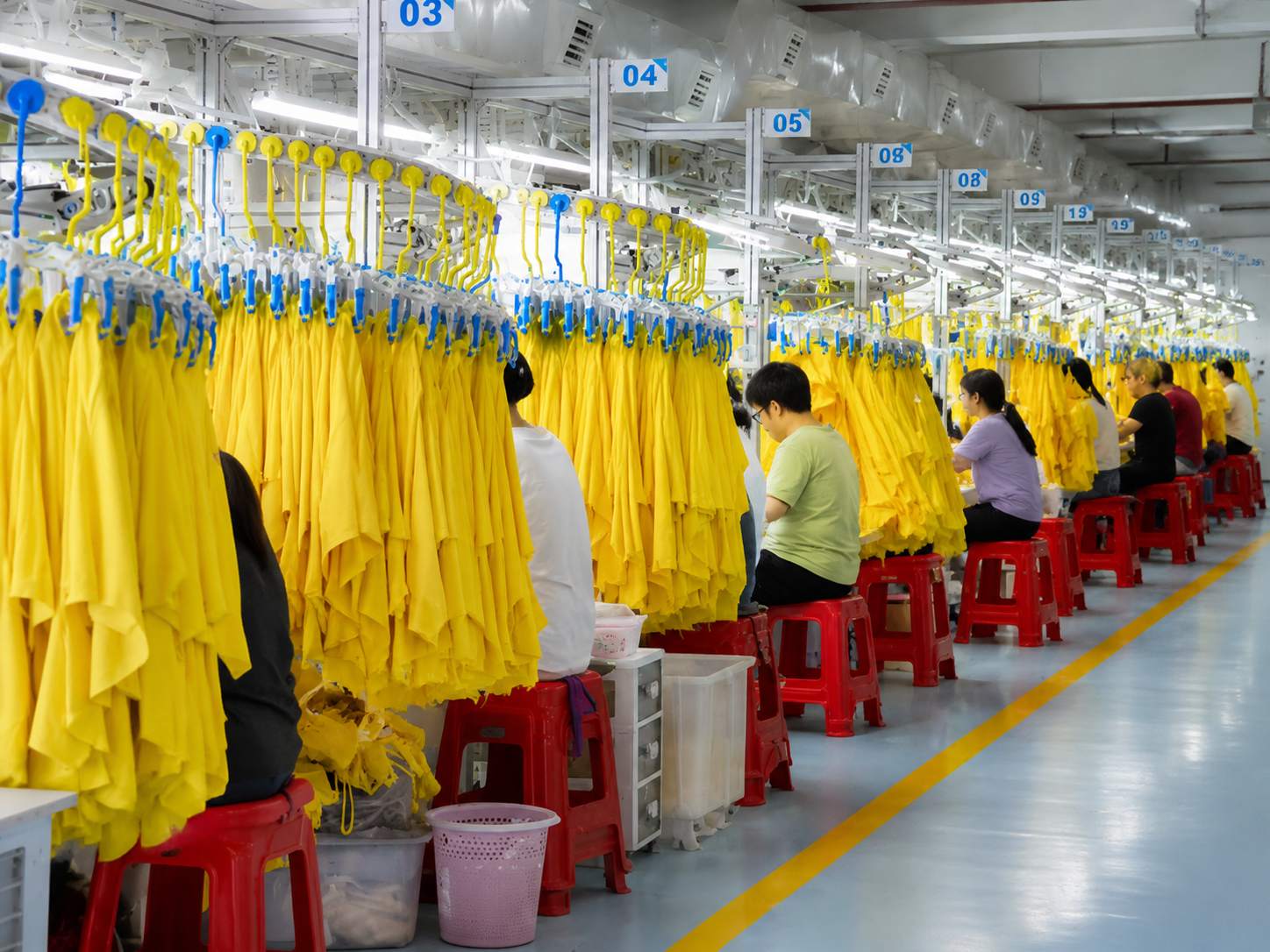
Custom clothing creation follows a structured process: initial consultation, precise measurement, design approval, fabric selection, construction, fitting adjustments, and final delivery.
Step 1: Initial Consultation & Style Assessment
The custom process begins with a detailed consultation where you discuss your vision, lifestyle needs, body concerns, and style preferences. Professional tailors ask targeted questions about how you want garments to fit—sleeve length preferences, waist ease, jacket length, and any specific comfort requirements.
Step 2: Precise Measurement Taking
Accurate measurements are critical to custom success. Tailors take comprehensive measurements including shoulder width, chest, waist, hip circumference, sleeve length, inseam, torso length, and any asymmetries. Virtual measurement technology has improved significantly, with accuracy rates of 90–95% when customers follow detailed instructions, though in-person measurements remain ideal for bespoke work.
Step 3: Design Development & Material Selection
After measurements, you collaborate on design details: fabric choice, color, button style, pocket placement, lining options, and special features. Professional custom clothiers provide fabric recommendations based on your body type, climate, and intended use. At ZORWILD, we source materials from trusted suppliers offering cotton, organic cotton, polyester, rayon, viscose, bamboo fabric, French terry, fleece, denim, satin, linen, and technical fabrics.
Step 4: Construction & Quality Control
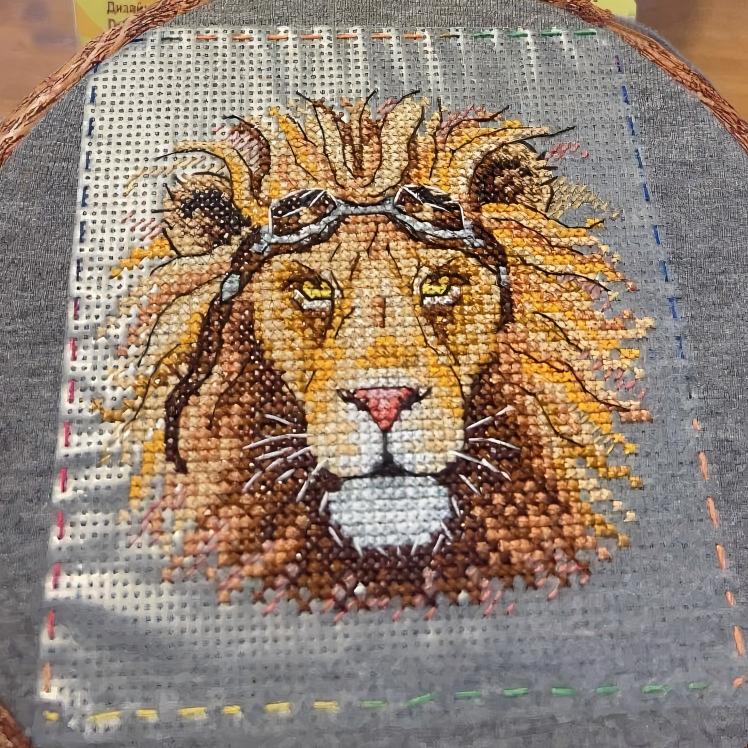
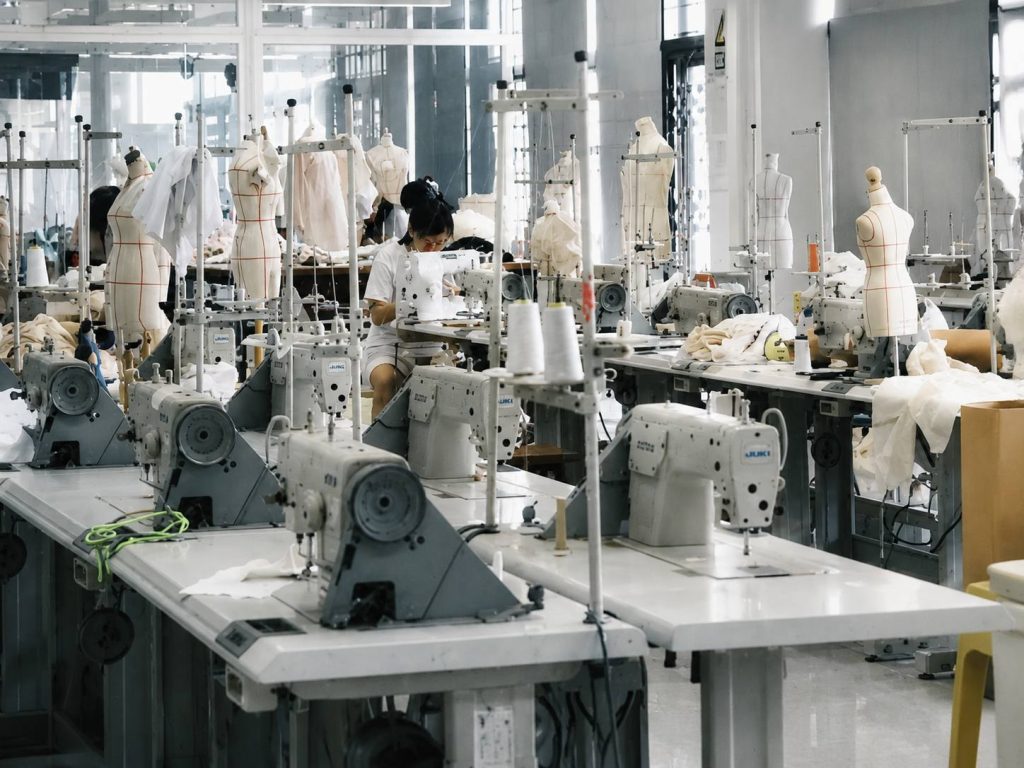
Skilled craftspeople construct your garment following your specifications. Throughout production, quality control inspections verify proper seam construction, accurate measurements, and attention to detail. Many custom tailors include fitting appointments mid-construction to make adjustments ensuring perfect final fit.
Step 5: Final Delivery & Customization Documentation
Upon completion, your custom garment receives final pressing and quality inspection. Professional custom clothiers provide care instructions specific to your garment’s materials and construction, documentation of measurements and specifications, and often lifetime alteration support.
Custom-Made Clothing Statistics & Market Insights (2026)
The custom and made-to-measure clothing market is experiencing significant growth driven by personalization demand, sustainability consciousness, and technological innovation.
- Global custom clothing market valued at $3.2 billion (2024) with projected CAGR of 8.5% through 2030 — Grand View Research
- 72% of consumers prefer perfectly fitted custom garments over standard sizing, willing to wait 4–8 weeks for delivery — Statista Consumer Insights 2025
- Custom-made garments last 3–5 times longer than mass-produced alternatives, reducing wardrobe waste by 40–60% — Sustainable Fashion Initiative Report 2024
- Average custom garment price premium of 200–400% over ready-to-wear, with 65% of customers reporting the investment justified by fit and longevity — McKinsey Fashion Report 2025
- Virtual fitting technology adoption increased 150% among custom tailors in 2025, enabling remote consultations and measurement accuracy — Fashion Tech Trends 2026
FAQ
Q1: What is the difference between custom-made and ready-to-wear clothing?
Custom-made clothing is specifically commissioned and created to an individual’s exact measurements and preferences before production begins. Ready-to-wear is mass-produced in standard sizes and sold at retail. Custom garments account for unique body shapes, personal aesthetics, and lifestyle needs, while ready-to-wear forces compromises to fit typical body proportions.
Q2: How long does custom-made clothing typically take to create?
Made-to-measure typically requires 4–8 weeks, made-to-order 6–10 weeks, and bespoke tailoring 8–16 weeks including multiple fittings. Rush options available at premium pricing. Virtual measurement technology has shortened some timelines, though complex bespoke work still demands extended periods for multiple fitting appointments.
Q3: What is the price difference between custom-made and ready-to-wear clothing?
Custom garments typically cost 200–400% more than mass-produced equivalents. A ready-to-wear suit ($300–$500) compares to made-to-measure ($800–$1,500) or bespoke ($3,000–$8,000+). The premium reflects superior materials, craftsmanship, and personalization. However, 65% of customers report the investment justified by fit and longevity.
Q4: Can I get custom-made clothing for casual wear, or only formal garments?
Custom-made applies to all categories—casual shirts, jeans, dresses, activewear, jackets, hoodies, sweatpants, and everyday pieces. At ZORWILD, we manufacture custom streetwear, hoodies, T-shirts, joggers, and fashion casualwear alongside traditional formal garments, supporting the full spectrum of modern wardrobe needs.
Q5: Will custom-made clothing fit perfectly without alterations?
Properly executed custom-made garments typically require minimal alterations. Made-to-measure and bespoke items fit significantly better than ready-to-wear, though minor adjustments may refine the fit further. Custom clothing pieces are thoughtfully created to accommodate specific body shapes, providing physical and mental gains through precise fit.
Sources
- Q Clothier — What is Custom Clothing? — 2026, custom clothing definition and process
- HKT Clothiers — Custom Clothing Guide — 2026, apparel tailored to exact measurements
- Grand View Research — Custom Clothing Market Report 2024 — $3.2B market valuation
- Statista Consumer Insights 2025 — 72% consumer preference data
- Sustainable Fashion Initiative Report 2024 — 3–5x longevity metrics
Written by Alin Zeng (27 Years of Master Craftsmanship & Pattern Making, Global OEM & Streetwear Customization Excellence, End-to-End Supply Chain & One-Stop Production, High-Efficiency Cost Control (“Quality + Affordability”), Incubating 2,000+ Fashion Brands from Scratch). Last reviewed 2026-06-25.