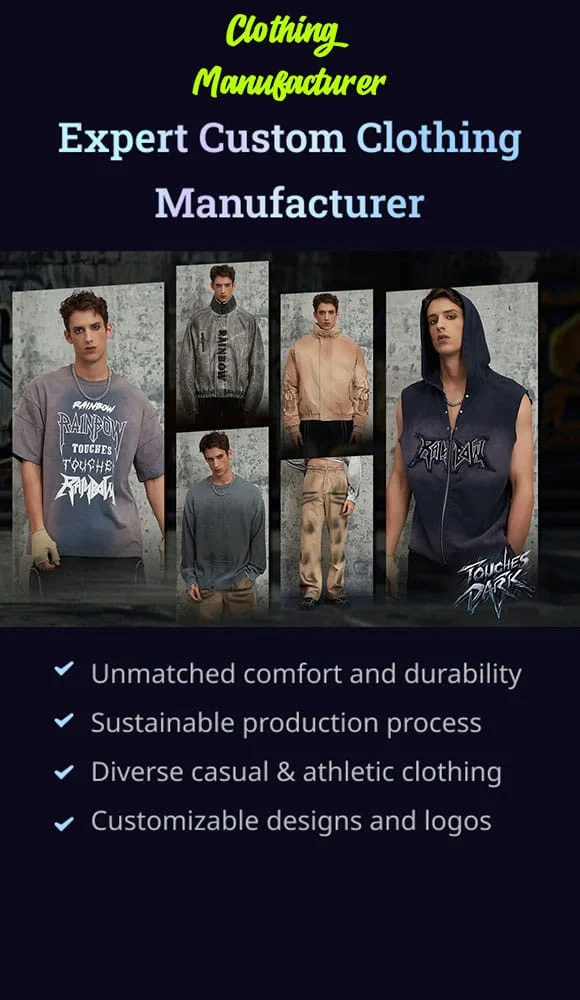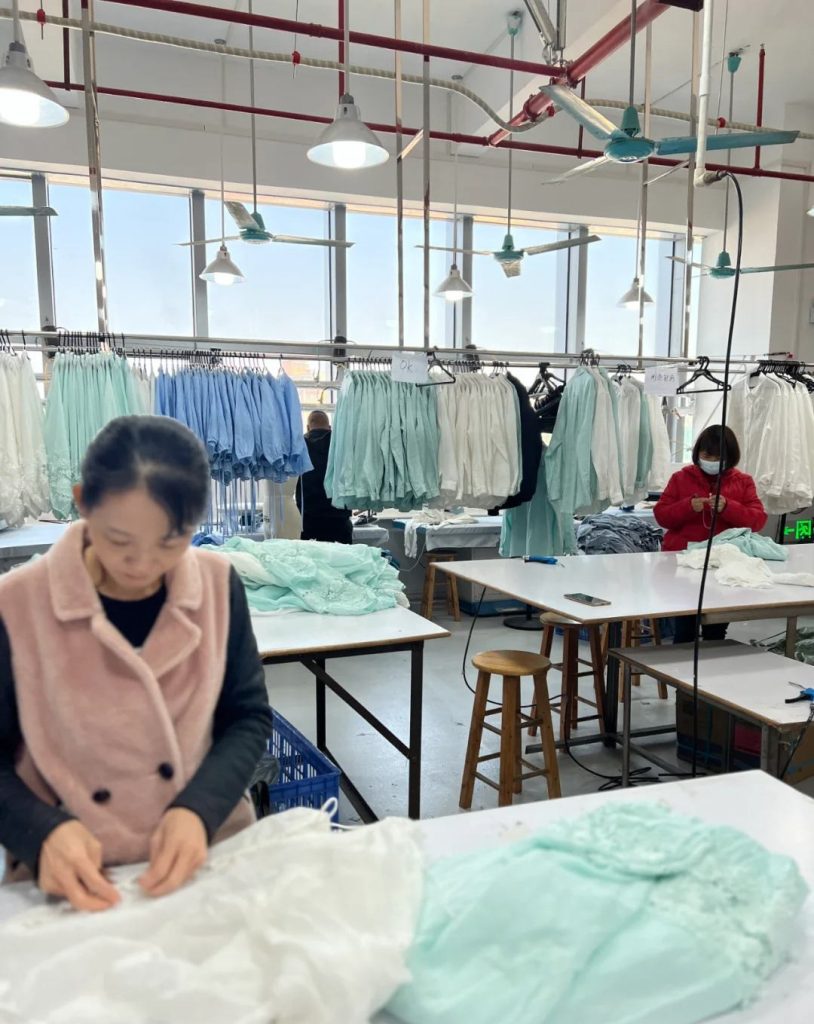
TL;DR: China dominates affordable t-shirt manufacturing at $1.50–$3.50 per unit for bulk orders, combining speed, low MOQ (50 units), and advanced customization. Bangladesh offers the absolute lowest cost ($0.80–$1.20) for massive volumes (10,000+ units), while Vietnam balances speed and affordability ($1.80–$2.80, 20–35 days).
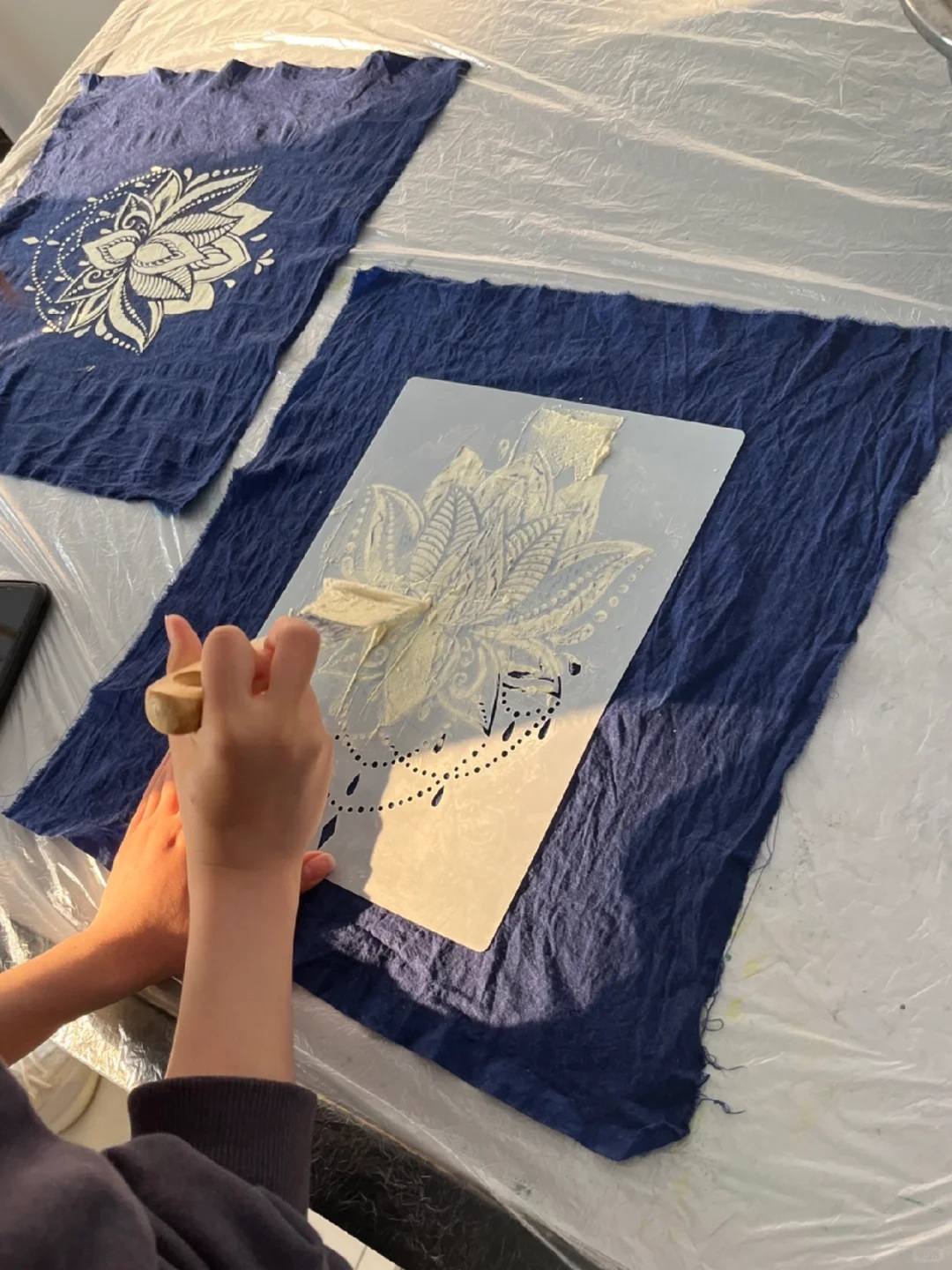
Bottom line: Small brands (50–500 units) should prioritize China or Mexico. Large wholesalers (5,000+ units) benefit from Bangladesh. Eco-conscious brands should explore Vietnam or India.
Last updated: 2026-06-06, based on 27 years of OEM manufacturing experience across 2,000+ fashion brand partnerships and current export pricing data from Asia-Pacific and USMCA manufacturers.
Key Takeaways
- China leads on flexibility: 50-unit MOQ, 30–45 day turnaround, $1.50–$3.50 per shirt—ideal for startups testing designs before scaling.
- Bangladesh wins on volume: $0.80–$1.20 per unit for orders above 10,000 pieces, though lead times stretch to 45–60 days.
- Vietnam offers speed: 20–35 day production cycles at $1.80–$2.80 per unit, balancing cost and turnaround for mid-volume orders.
- Mexico suits US brands: USMCA tariff benefits and 5–10 day shipping offset higher per-unit costs ($2.50–$4.00) for trend-driven collections.
- India specializes in organic cotton: Premium pricing ($2.50–$4.50) reflects GOTS certification and fair-trade compliance for sustainable brands.
Manufacturing Cost Breakdown by Country (2026)
Direct answer: Bangladesh and China remain the world’s most affordable t-shirt manufacturers. Bangladesh delivers the lowest per-unit cost ($0.80–$1.20) for massive orders (10,000+ units), while China offers superior flexibility ($1.50–$3.50) for small-to-mid volume production (50–5,000 units) with faster turnaround and lower MOQ.
Cost Per Unit (Bulk Orders 1,000–5,000 units):
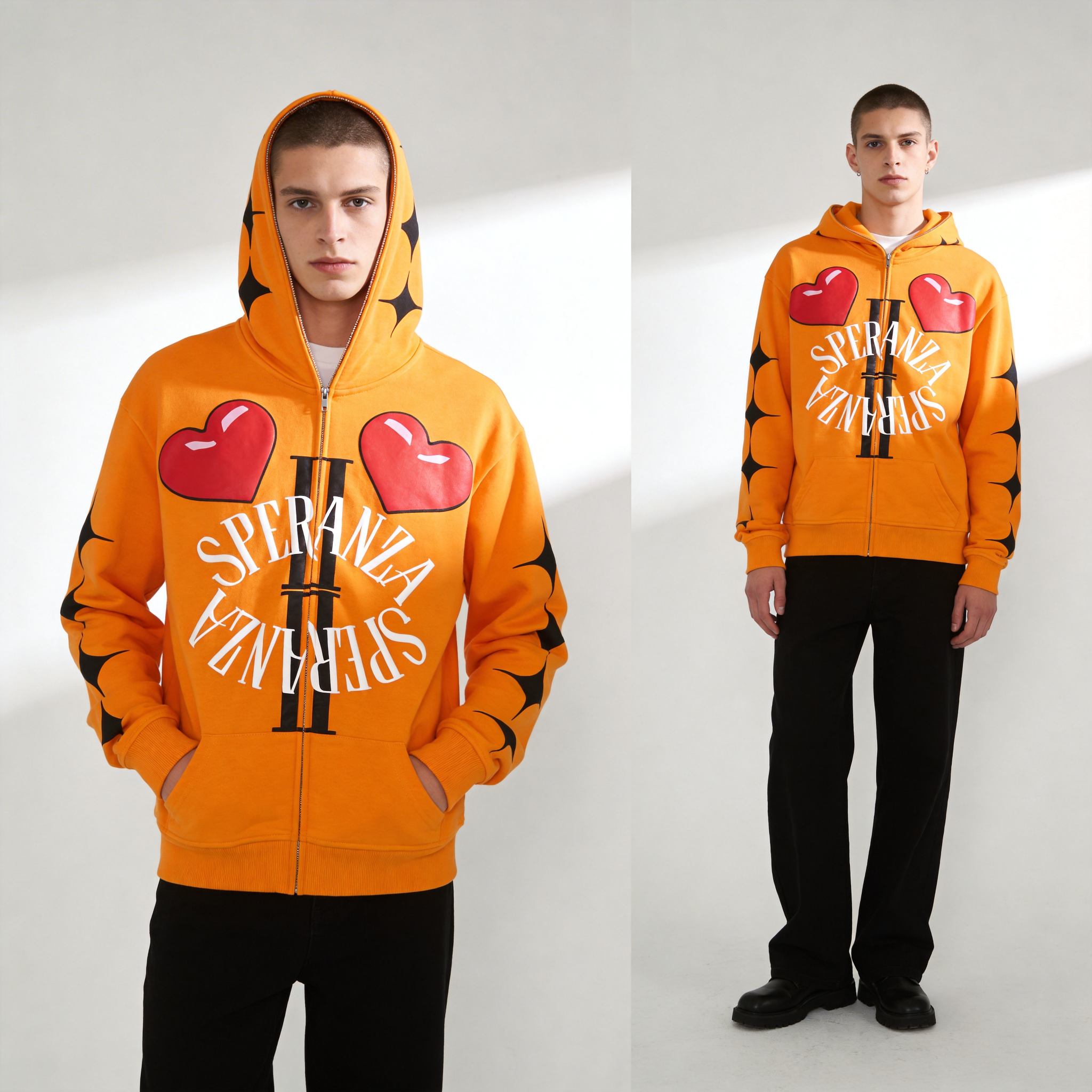
- China: $1.50–$3.50 — World’s largest apparel producer; integrated supply chains reduce overhead by consolidating fabric sourcing, printing, and finishing under one roof (Sino Finetex, 2026)
- Bangladesh: $0.80–$1.20 — Lowest global labor costs at 38% savings vs. competitors; dominates fast fashion bulk production (Appareify, 2025)
- Vietnam: $1.80–$2.80 — Rising star; 15% electricity cost advantage over Indonesia drives competitive pricing (Sino Finetex, 2026)
- Mexico: $2.50–$4.00 — Nearshoring premium; USMCA tariff benefits offset higher labor for US-based brands (HAIYUAN, 2025)
- India: $2.50–$4.50 — Organic cotton specialization; compliance and sustainability certifications add 20–30% cost (Modaknits, 2025)
Lead Times: – China: 30–45 days (standard); 15–20 days (rush available) – Bangladesh: 45–60 days (logistics-dependent) – Vietnam: 20–35 days (fastest in Asia) – Mexico: 5–10 days to US (nearshoring advantage)
China vs. Bangladesh: Which Manufacturer Wins?
| Factor | China | Bangladesh |
|---|---|---|
| Cost per unit (5K+) | $1.50–$3.50 | $0.80–$1.20 |
| Minimum order | 50–500 units | 1,000–5,000 units |
| Lead time | 30–45 days | 45–60 days |
| Quality control | Advanced automation | Manual inspection |
| Tech support | Excellent English; responsive | Variable; slower communication |
| Best for | Startups, design iteration, speed | Massive bulk, tight margins |
Choose China if you’re ordering under 5,000 units, need fast turnaround, or require design flexibility. Choose Bangladesh only if you’re ordering 10,000+ units and can absorb longer lead times—savings of 50–60% justify the wait, but communication delays and rigid MOQ requirements eliminate flexibility for startups.
5 Mistakes When Sourcing Cheap T-Shirt Manufacturers
Mistake 1: Prioritizing Price Over Quality Control
A manufacturer quoting $0.75 per shirt seems unbeatable until 40% of the first shipment arrives with uneven stitching, color bleeding, or shrinkage exceeding 5%. Request third-party quality audits (SGS, Intertek). Insist on AQL (Acceptable Quality Level) standards of 2.5 or lower. Budget 5–10% extra for reliable manufacturers; the savings from avoiding defects will dwarf the premium.
Mistake 2: Ignoring Minimum Order Quantities (MOQ)
A factory quotes $1.20 per shirt at 10,000 units but won’t budge below 5,000. Startups accepting this constraint end up overstocked and cash-strapped. Prioritize manufacturers with low MOQ (50–500 units). China and Mexico excel here. Yes, per-unit costs rise to $2.50–$4.00 at small volumes, but you preserve cash flow and test market demand before scaling.
Mistake 3: Skipping Samples and Pre-Production Inspections
You approve a quote, skip the sample stage to “save time,” and receive 2,000 shirts that don’t match your brand’s fit or print specifications. Always request and approve samples before bulk production. Budget 2–3 weeks and $200–$500 for sampling. This step catches fit issues, fabric shrinkage (should be under 3%), and print durability before they multiply across your entire order.
Mistake 4: Underestimating Hidden Costs
A $1.50-per-unit quote from China becomes $3.20 per unit after air freight ($0.80), tariffs (15–25%), customs brokerage ($300–$500), and import duties. Request all-inclusive quotes that itemize fabric, labor, printing, packaging, and FOB (Free on Board) pricing. Compare landed cost (total cost at your door), not just per-unit manufacturing. Mexico’s higher per-unit cost often beats China once shipping is factored in.
Mistake 5: Poor Communication and Language Barriers
A factory in Bangladesh misunderstands your color specifications, and 3,000 shirts arrive in the wrong shade. Work with manufacturers offering live chat, WhatsApp, or dedicated account managers. China and Mexico excel at English-language support. Invest in clear tech packs with photos, measurements, and Pantone color codes.
Best Countries for T-Shirt Manufacturing by Use Case
For Startups & Low-Volume Brands (50–1,000 units):
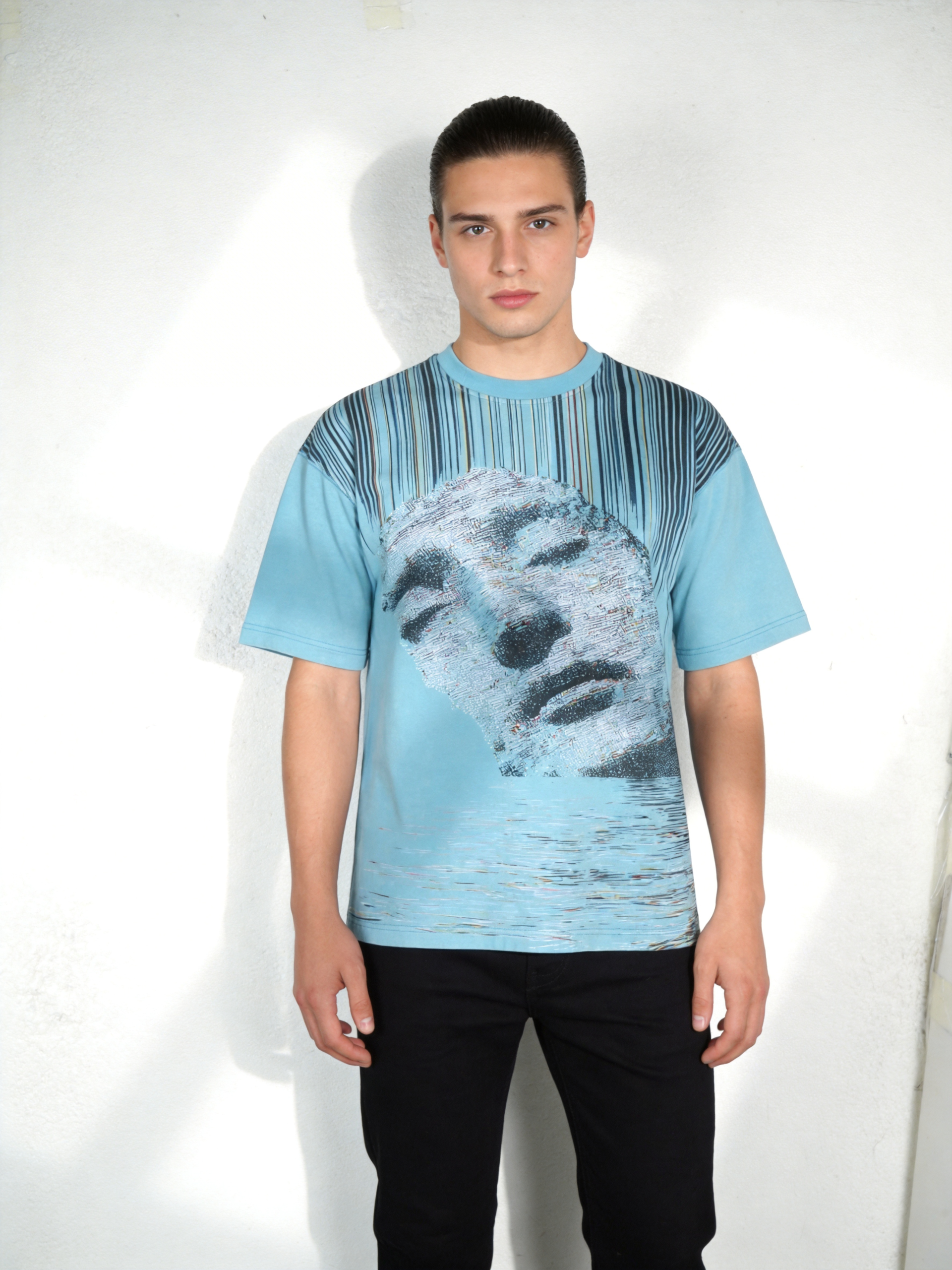
Choose China or Mexico. China offers low MOQ (50 units), advanced customization (puff printing, acid wash, embroidery), and strong quality control. Expect $2.50–$4.50 per unit. Mexico offers 5–10 day shipping to the US, ideal for testing collections before scaling.
For E-Commerce & Direct-to-Consumer (1,000–5,000 units):
Choose China or Vietnam. China’s integrated supply chains support rapid iteration and design changes mid-production. Vietnam offers slightly lower costs ($1.80–$2.80) and faster turnarounds (20–35 days) than Bangladesh. Both excel at managing multiple SKUs and color variations.
For Wholesalers & Bulk Retailers (5,000–50,000+ units):
Choose Bangladesh or India. Bangladesh dominates with costs as low as $0.80–$1.20 per unit and access to massive production capacity. Accept longer lead times (45–60 days) in exchange for 50–60% cost savings. India works for organic cotton specialists targeting premium wholesale channels.
For Sustainable & Eco-Conscious Brands:

Choose Vietnam or India. Vietnam emphasizes energy efficiency (15% lower electricity costs) and water conservation in production. India specializes in certified organic cotton and fair-trade practices, though expect premium pricing ($3.00–$4.50 per unit). Both offer transparency and third-party certifications (GOTS, Fair Trade).
For US-Based Brands Needing Speed:
Choose Mexico. USMCA tariff benefits eliminate duties on North American-made content. Shipping takes 5–10 days vs. 20–45 days from Asia. Per-unit costs ($2.50–$4.00) are higher, but faster turnaround and reduced inventory holding costs offset the premium for seasonal or trend-driven collections.
How to Evaluate & Vet a T-Shirt Manufacturer
Step 1: Request Detailed Quotes
Ask for itemized breakdowns: fabric cost, labor, decoration (printing/embroidery), packaging, and FOB price. Compare landed costs (including shipping, tariffs, customs). A transparent manufacturer provides these details within 24–48 hours.
Step 2: Verify Production Capability
Confirm the factory has produced similar products. Ask for client references and case studies. Request photos of their production line, quality control lab, and finished samples. Green flag: manufacturers sharing facility videos and third-party audit reports (BSCI, SEDEX).
Step 3: Assess Communication Quality
Email a detailed question and measure response time. Is the answer clear and comprehensive? Do they ask clarifying questions about fabric weight, print method, or wash treatment? Same-day responses and proactive problem-solving signal professionalism.
Step 4: Request and Evaluate Samples
Order samples of the exact product (fabric, fit, print method, wash treatment). Evaluate shrinkage (should be under 3%), stitching quality (12–14 stitches per inch), print durability (withstands 50+ washes), and color accuracy (within 1 Delta E of Pantone spec). A professional manufacturer welcomes sample feedback and revises without complaint.
Step 5: Verify Certifications and Compliance
Confirm ISO 9001 (quality management), SEDEX (ethical labor), or GOTS (organic certification) if relevant. Ask about compliance with US tariff codes, EU regulations, or sustainability standards.
Step 6: Negotiate Terms Carefully
Once you’ve identified 2–3 qualified manufacturers, negotiate pricing, MOQ, lead time, and payment terms (typically 50% deposit, 50% on shipment). Lock in pricing for 12 months to avoid mid-contract increases—raw cotton prices fluctuate 15–20% annually.
FAQ
Q1: What’s the absolute cheapest way to manufacture t-shirts?
Bangladesh offers the lowest per-unit costs ($0.80–$1.20) for orders of 10,000+ units, but requires accepting 45–60 day lead times and higher MOQ. For small volumes, China ($1.50–$3.50 per unit) or Mexico ($2.50–$4.00) offer better flexibility. Total cost of ownership—not per-unit price—determines true affordability.
Q2: How do I avoid quality issues when sourcing cheap t-shirts?
Always request and approve samples before bulk production. Specify AQL standards of 2.5 or lower in your contract. Use third-party quality inspectors (SGS, Intertek) for large orders. Budget 5–10% extra for reliable manufacturers; defects cost far more than premium quality control.
Q3: What’s the minimum order quantity (MOQ) for cheap t-shirt manufacturing?
China and Mexico accept MOQ as low as 50–500 units. Bangladesh requires 1,000–5,000 units minimum. Vietnam typically requires 500–2,000 units. Lower MOQ means higher per-unit cost ($2.50–$4.50), but preserves cash flow for startups testing new designs.
Q4: How long does it take to manufacture t-shirts cheaply?
China: 30–45 days (standard), 15–20 days (rush). Vietnam: 20–35 days. Bangladesh: 45–60 days. Mexico: 5–10 days to US. Add 1–2 weeks for sampling and 2–4 weeks for shipping from Asia. Plan total lead time of 8–12 weeks from order to delivery.
Q5: Are cheap t-shirts lower quality?
Not necessarily. “Cheap” refers to manufacturing cost, not quality. A $1.50 t-shirt from a professional Chinese factory matches the durability of a $3.00 shirt from a less efficient producer. Quality depends on fabric choice, construction standards (12+ stitches per inch), and QC rigor—not geographic location.
Q6: Should I manufacture in China, Bangladesh, or Vietnam?
China: Best for startups and small volumes (50–5,000 units). Fast turnaround, excellent communication, low MOQ, advanced customization. Cost: $1.50–$3.50 per unit.
Bangladesh: Best for massive bulk orders (10,000+ units). Lowest per-unit cost ($0.80–$1.20). Accept longer lead times and higher MOQ.
Vietnam: Best for mid-volume orders (1,000–10,000 units) prioritizing speed. Cost: $1.80–$2.80 per unit. Turnaround: 20–35 days.
Sources
- Sino Finetex Textile Technology Co., Ltd. (2026) — “What Are The Cheapest Clothing Manufacturers By Country?” — comprehensive cost analysis across Asia-Pacific manufacturers
- Appareify (2025) — “Top 10 Cheapest Clothing Manufacturers by Country & City” — Bangladesh labor cost data
- HAIYUAN Manufacturer (2025) — “Which country is best for clothing manufacturing?” — USMCA nearshoring analysis
- Modaknits Apparel (2025) — “Which country is best for T-shirts?” — organic cotton specialization and India pricing
Written by Alin Zeng (27 Years of Master Craftsmanship & Pattern Making, Global OEM & Streetwear Customization Excellence, End-to-End Supply Chain & One-Stop Production, High-Efficiency Cost Control (“Quality + Affordability”), Incubating 2,000+ Fashion Brands from Scratch). Last reviewed 2026-06-06.
For more information about sourcing options, visit ZORWILD.