TL;DR: Top custom apparel manufacturers differ in MOQ flexibility (50 vs. 500+ pieces), craftsmanship depth (95% advanced techniques vs. 40%), design support scope, quality control systems, and category specialization—streetwear expertise vs. basic production.
Bottom line: Startup brands need low MOQ and design guidance; wholesalers prioritize stable quality and cost; established brands demand advanced craftsmanship and reliability.
Last updated: 2026-05-23, based on 2,000+ brand partnerships and 27 years manufacturing experience across streetwear, activewear, and premium apparel categories.
Key Takeaways
- MOQ thresholds separate manufacturer tiers: 50-piece startups vs. 500-piece mid-scale vs. 2,000+ wholesale operations
- Quality systems vary dramatically: 4-stage inspection (0.5% defect rate) vs. final-check-only (3-5% defects)
- Design support ranges from zero to full-service: tech pack creation, fabric sourcing, sampling iteration included or extra
- Category specialization matters more than volume: streetwear wash expertise vs. activewear technical fabrics vs. formal construction
- True cost includes hidden fees: $50-500 sampling, tooling charges, rush surcharges add 15-30% to quoted per-unit pricing
MOQ & Production Scale: How Manufacturers Differ
The difference between top custom apparel manufacturers comes down to minimum order quantity philosophy and production scalability. Top manufacturers segment into distinct tiers based on MOQ flexibility, pricing models, and service focus.
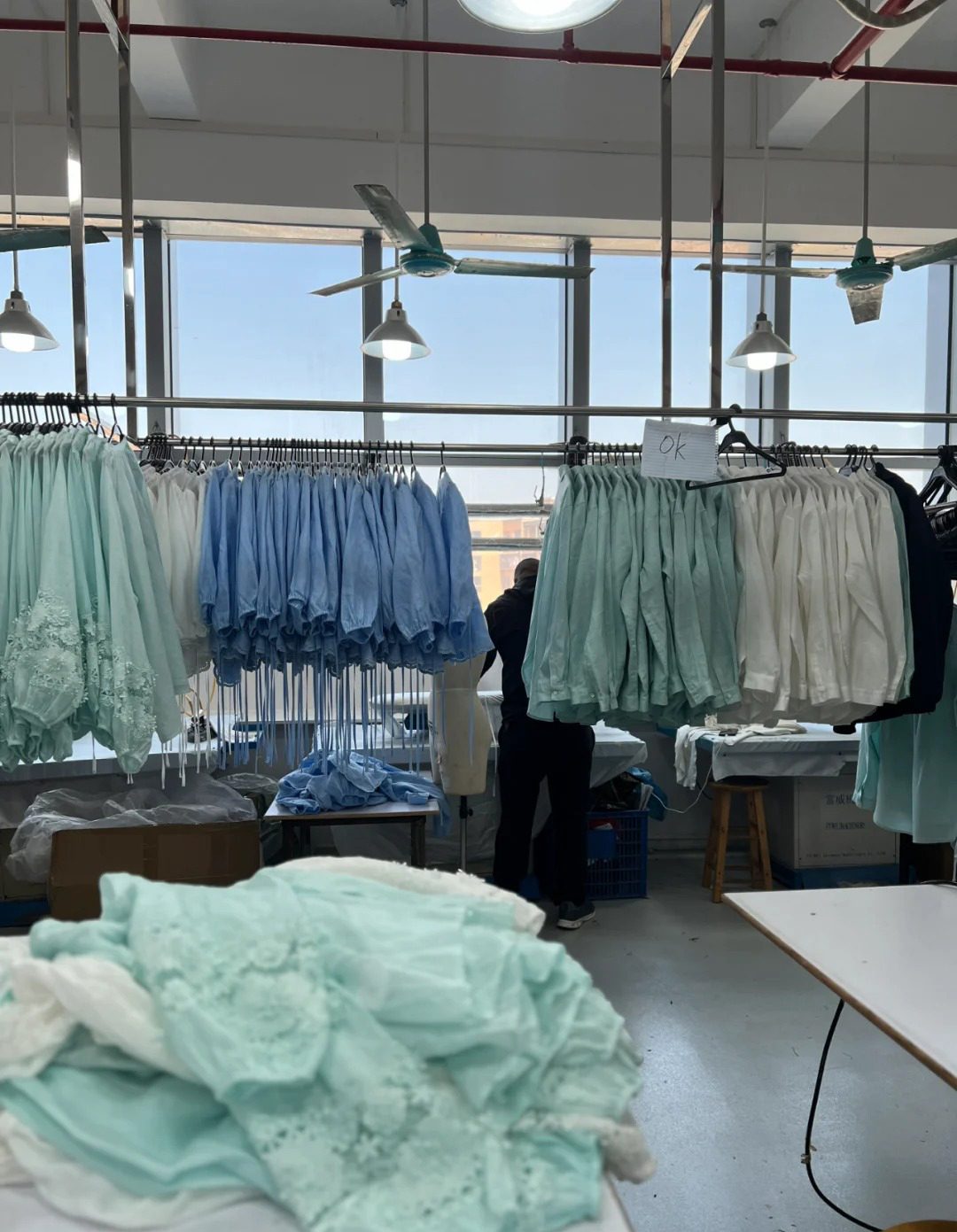
Startup-friendly manufacturers operate at 50-200 piece minimums, accepting higher per-unit costs to reduce inventory risk for emerging brands. These facilities invest in flexible production lines and dedicated sampling teams. Mid-scale factories target 500-2,000 pieces, balancing competitive pricing with reasonable customization. Wholesale-focused operations demand 2,000+ units, optimizing for lowest per-unit cost but limited design flexibility.
We’ve served over 2,000 fashion brands across every tier. Startups under $50K annual revenue consistently succeed with ultra-flexible MOQ despite 15-25% premium pricing—cash flow and testing capability outweigh unit economics. Brands exceeding $200K revenue negotiate mid-scale runs (500-2,000 pieces) for better margins while maintaining customization. Wholesalers require proven 2,000+ capacity with documented on-time delivery records.
| Manufacturer Tier | MOQ Range | Turnaround (TAT) | Best For | Pricing Model | Customization Scope |
| Ultra-Flexible | 50–150 units | 4–6 weeks | Emerging labels, influencers, market testing | Premium per-unit | Full design freedom |
| Small-Batch | 150–500 units | 3–5 weeks | Growing e-commerce, capsule drops | Mid-range per-unit | High customization |
| Mid-Scale | 500–2,000 units | 2–4 weeks | Established brands, seasonal lines | Competitive per-unit | Standard + premium options |
| Volume/Wholesale | 2,000+ units | 1–3 weeks | Distributors, big-box retailers | Lowest per-unit | Limited to approved specs |
Scale impacts more than price. Smaller MOQ manufacturers maintain diverse fabric inventories and rapid sampling capabilities. Large-volume facilities require longer lead times for material procurement but deliver 20-30% cost savings on 2,000+ runs.
Design Support & Product Development Capabilities
Custom apparel manufacturers divide into production-only facilities versus full-service design partners. This distinction directly impacts product quality, time-to-market, and brand differentiation potential.
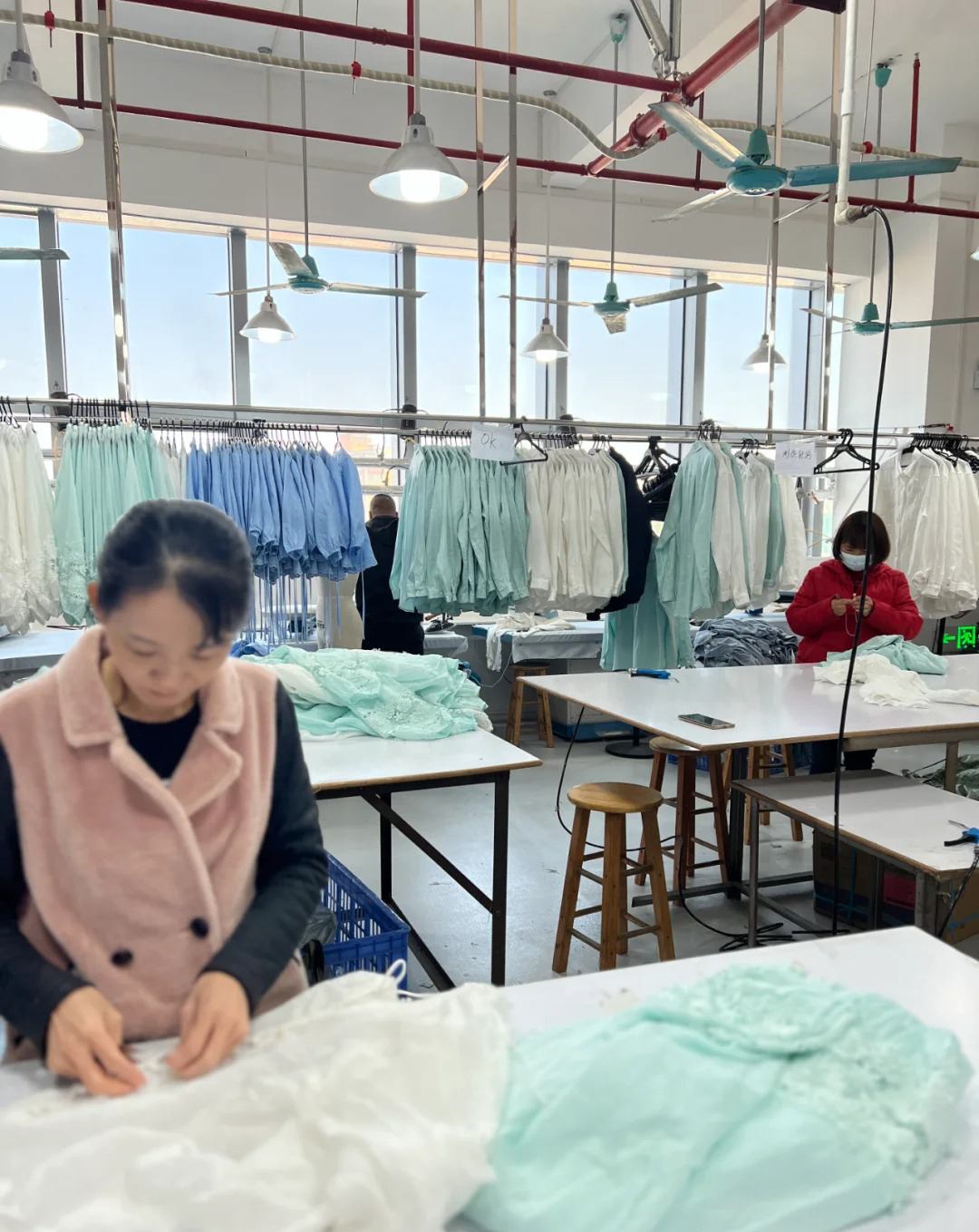
Production-only manufacturers execute pre-approved tech packs with minimal input. You provide detailed specifications, measurements, construction notes, and approved samples. They cut, sew, and finish to your exact instructions. This model works when you employ in-house technical designers or work with independent pattern makers. Cost savings reach 10-15% versus full-service, but you absorb all development risk.
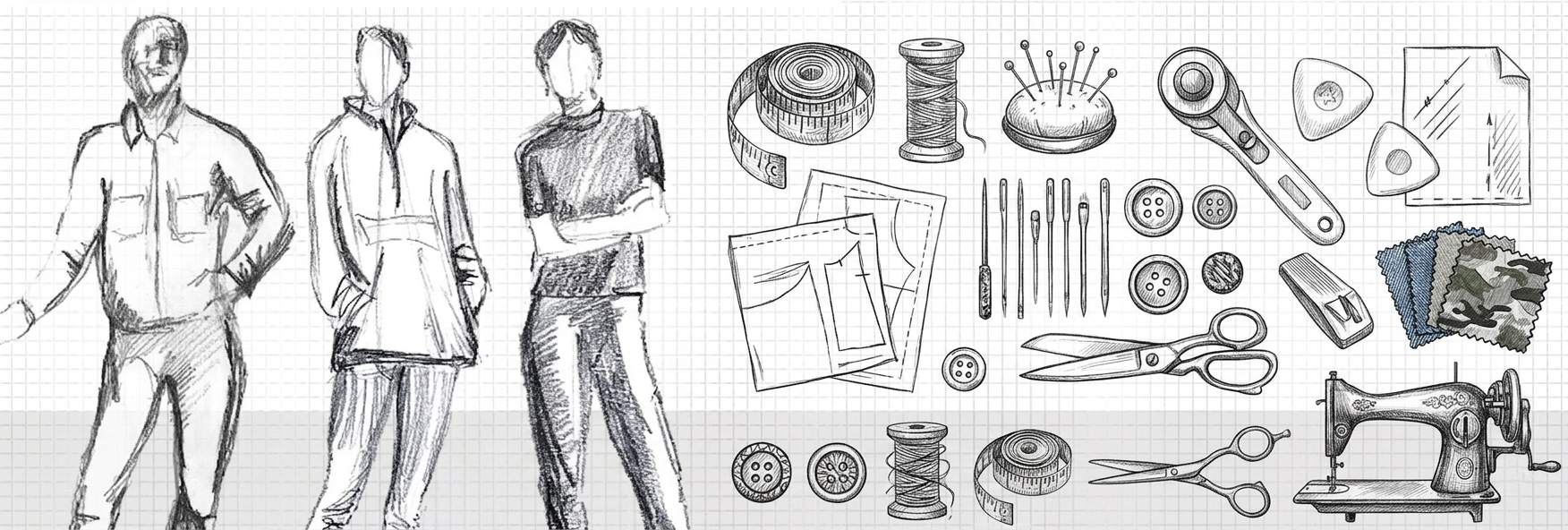
Full-service design partners guide the entire development journey. ZORWILD provides tech pack creation from sketches or inspiration photos, fabric sourcing aligned to budget and brand positioning, sampling iteration with fit adjustments, trend research for streetwear and activewear aesthetics, and measurement grading ensuring consistent sizing.
Why this matters: Startups and independent designers typically lack technical expertise. We’ve incubated 2,000+ brands from concept stage. Manufacturers offering comprehensive design support reduce sampling cycles from 4-5 rounds to 2-3, prevent costly fit errors that plague 60% of first-time brands, and accelerate launch timelines by 3-4 weeks.
Established brands with internal design teams may prefer production-only partners to reduce costs. Risk emerges when production issues arise mid-run—manufacturers without design investment rarely problem-solve proactively. We’ve rescued dozens of brands from failed production runs at competitors lacking technical depth.
Specialization & Category Expertise
Top manufacturers distinguish themselves through deep category expertise rather than generic “all-apparel” capability. Specialization drives quality, aesthetic authenticity, and production efficiency across streetwear, activewear, formal wear, basics, and sustainable categories.
Streetwear & Casual Wear Specialists
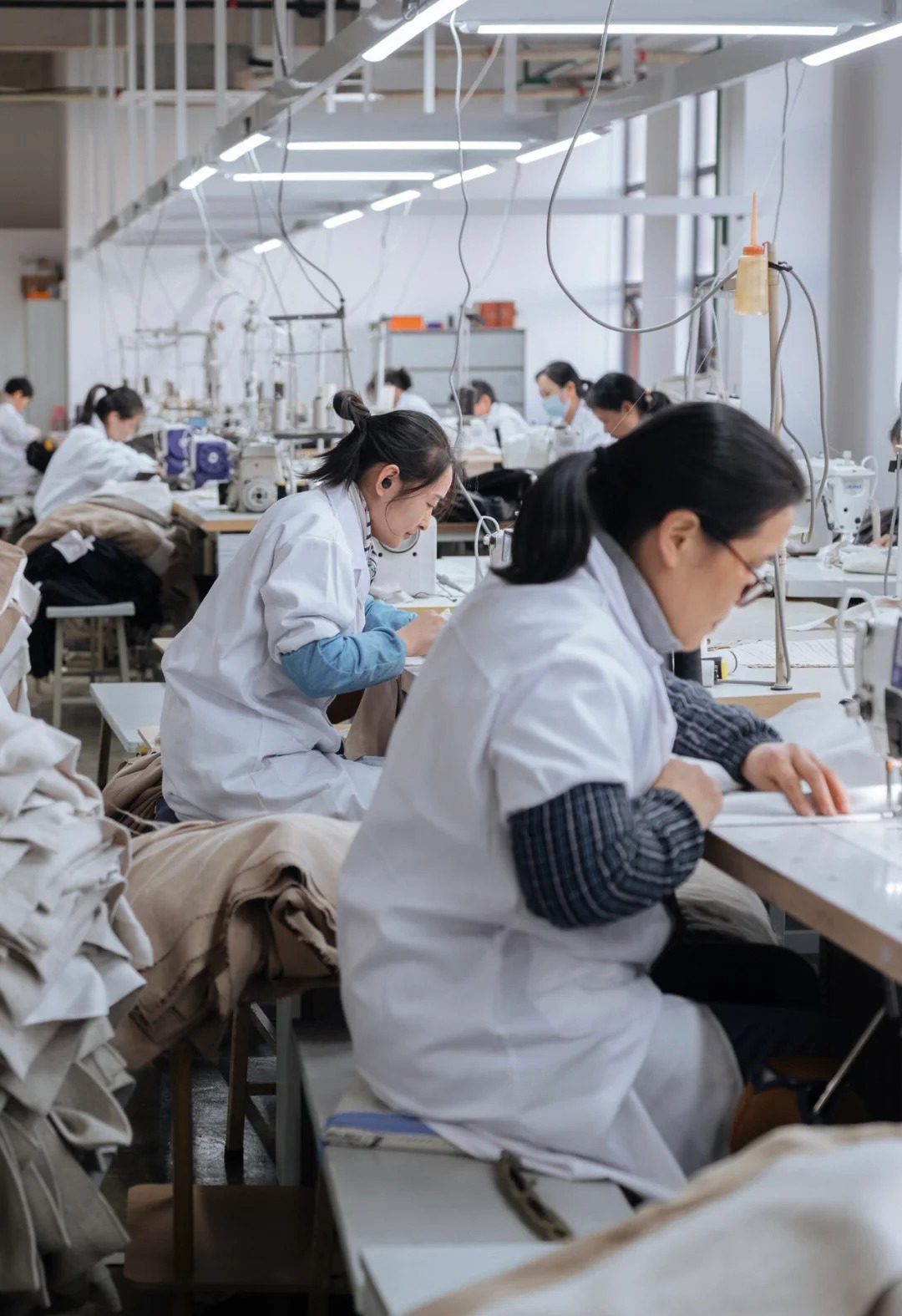
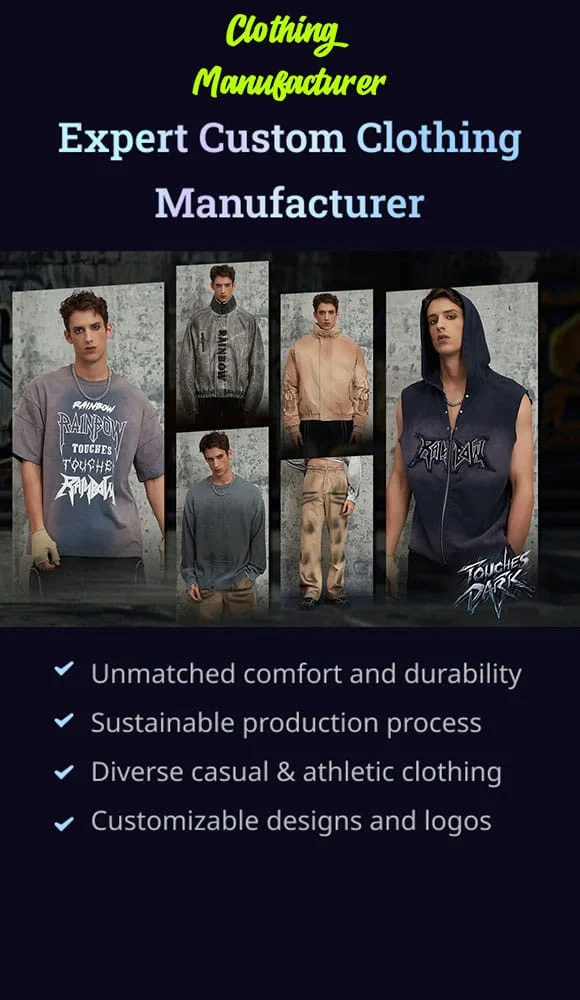
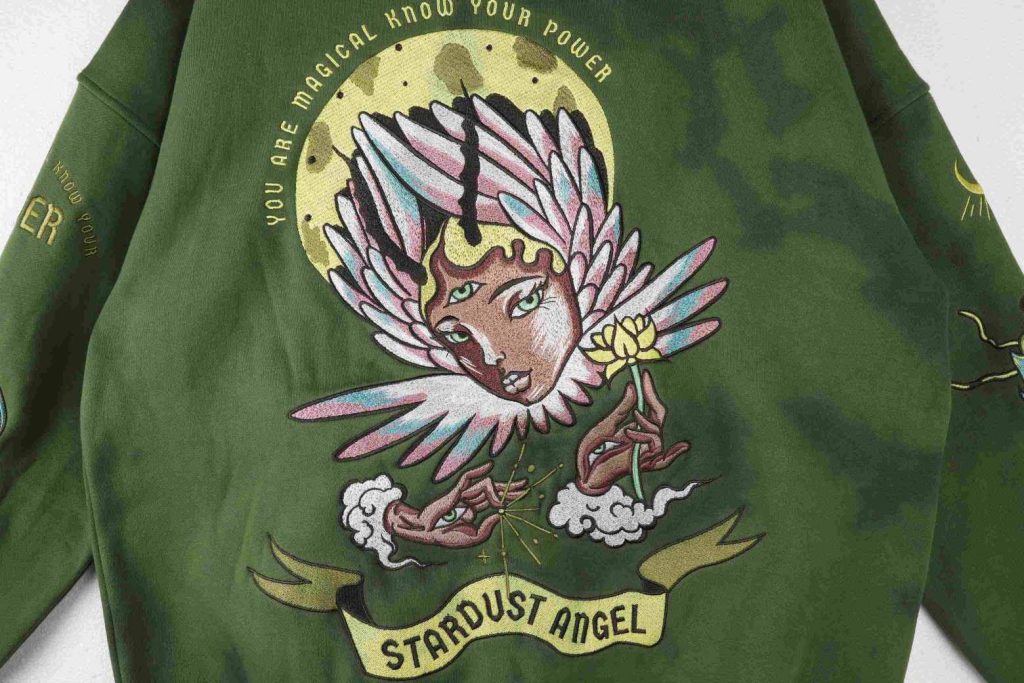
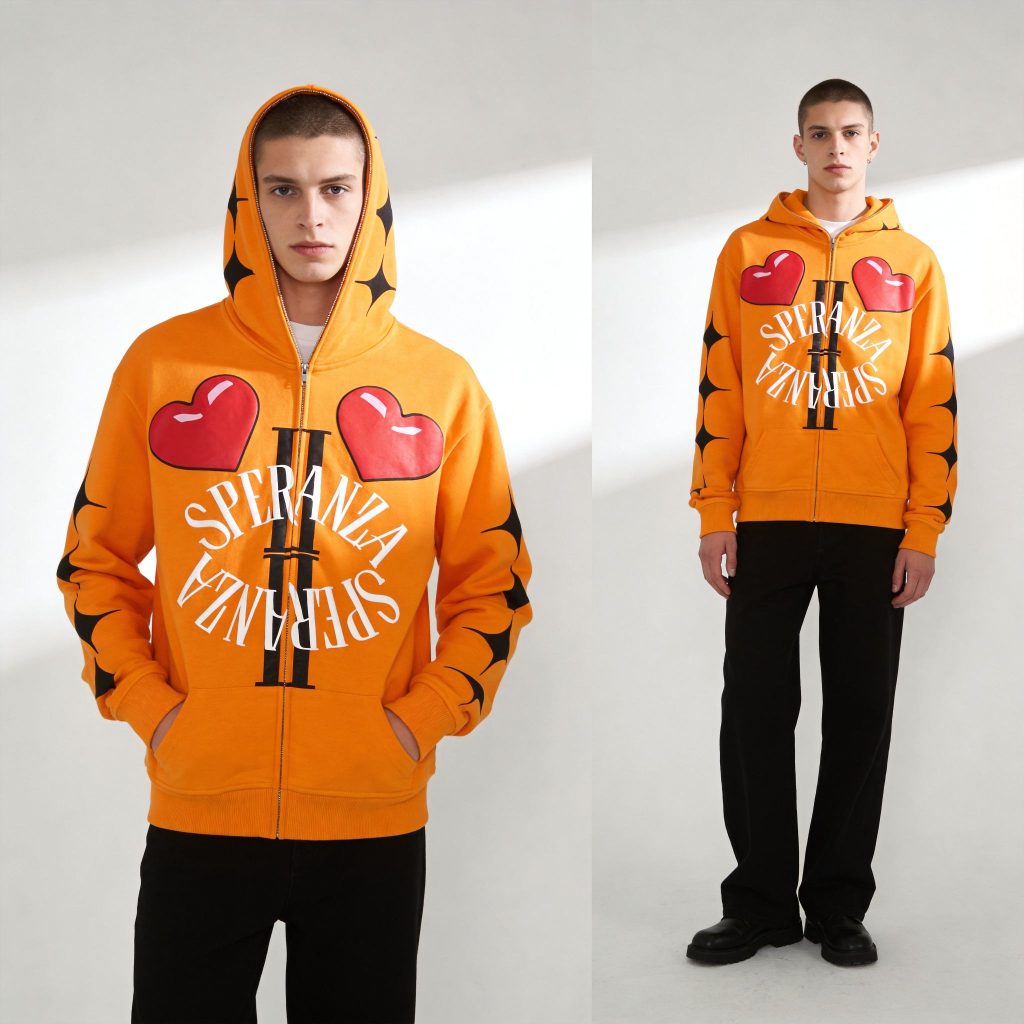
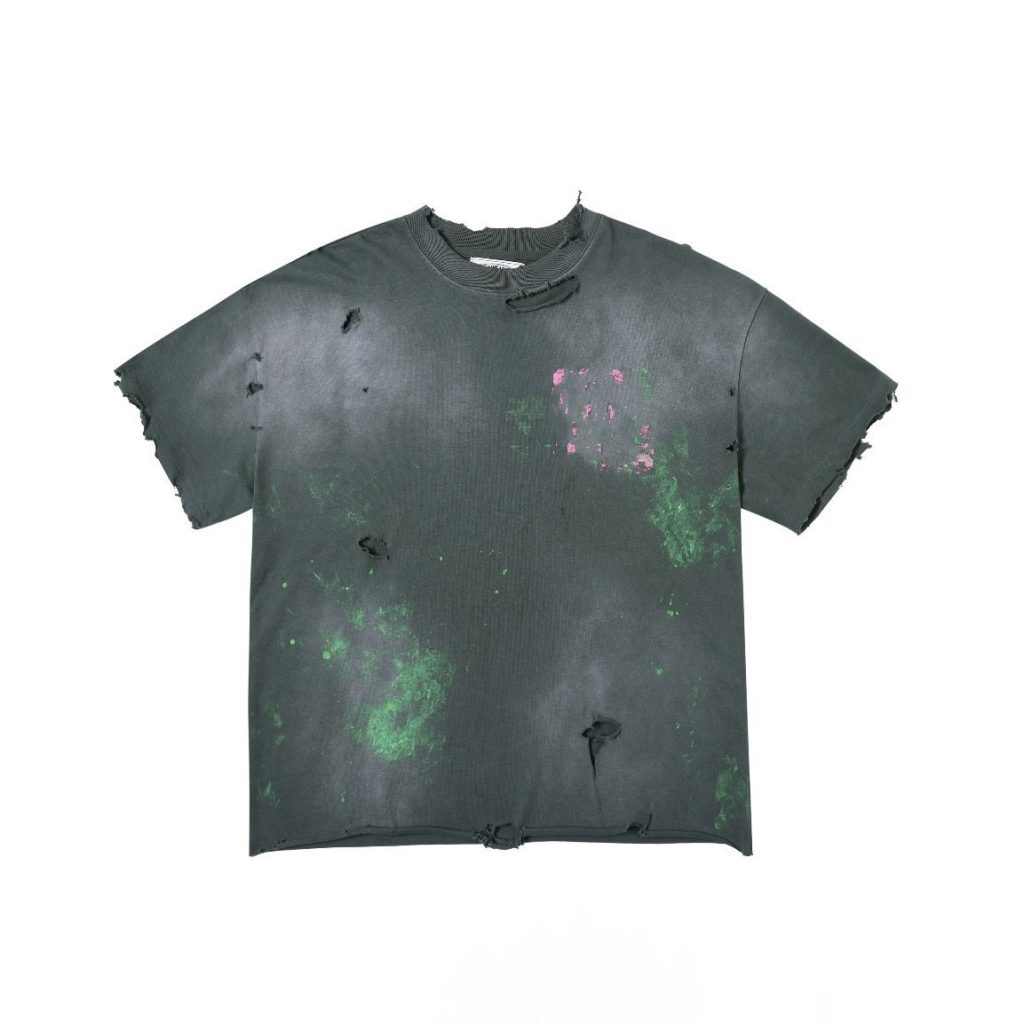
Manufacturers with streetwear expertise understand oversized silhouettes, heavyweight fabrics (280-400 GSM fleece), vintage wash aesthetics, and graphic positioning. We invest in advanced garment dyeing—acid wash, snow wash, enzyme wash, pigment dye—plus puff printing, chenille embroidery, and distressing techniques. Our streetwear division produces 50,000+ monthly units with dedicated trend research teams monitoring global urban fashion movements. Outcome: 3-5 week sampling, authentic vintage effects, premium hand feel that commands 2-3× retail premiums.
Activewear & Performance Specialists
Activewear manufacturers focus on technical fabrics: four-way stretch, moisture-wicking polyester blends, compression support, and breathability. They test garments for durability, wash stability (50+ cycles), and stretch recovery after repeated wear. Specialized activewear factories charge 10-20% premiums but deliver measurably superior performance. Outcome: Products pass rigorous athletic testing; pilling resistance; shape retention after 100+ wears.
Formal & Evening Wear Specialists
Dress manufacturers handling prom, wedding, or formal categories invest in lace application, beading, satin draping, and corset structure expertise. These facilities require higher skill levels—master seamstresses with 10+ years experience—and longer sampling cycles (4-6 weeks). Outcome: Intricate embroidery, flawless seaming, luxury finish justifying premium retail positioning.
Basics & Wholesale Manufacturers
General-purpose factories excel at T-shirts, basic hoodies, and undifferentiated casual wear. They optimize for cost and speed, not aesthetic differentiation. Ideal for wholesale clothing manufacturer resellers and bulk commodity orders. Outcome: Lowest per-unit cost ($2-4); minimal design input; standardized quality adequate for promotional merchandise.
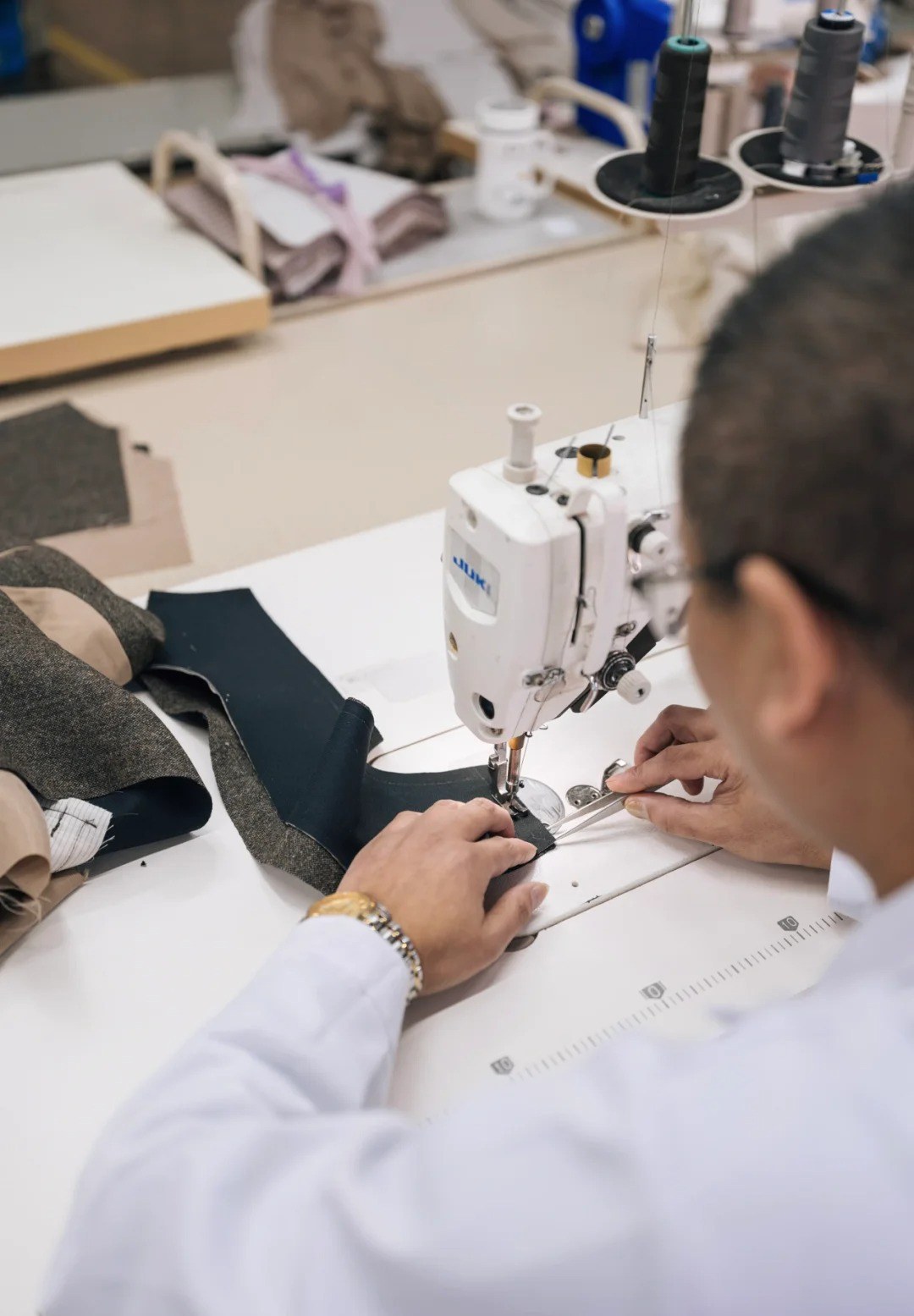
Eco-Friendly & Sustainable Specialists
Manufacturers with sustainability focus source organic cotton, recycled polyester, and Tencel; implement low-impact dyeing; and provide carbon footprint documentation. Premium pricing (15-30% above conventional) but critical for conscious brands. Outcome: Certified sustainable materials, transparent supply chain, marketing differentiation in competitive markets.
Quality Control Systems & Craftsmanship Standards
Quality differentiation among custom apparel manufacturers is measurable. Top-tier factories implement multi-stage inspection protocols; budget manufacturers inspect only final products. This variance directly impacts defect rates, rework costs, and long-term brand reputation.
- 95%+ of advanced craftsmanship techniques (puff print, embroidery, wash effects) supported by top-tier manufacturers vs. 40-60% by mid-tier facilities — Apparel manufacturing capability benchmarks, 2026
- 0.5-1.5% defect rate for premium factories vs. 3-5% for budget manufacturers — Quality control data across 100,000+ unit production runs
- 4-stage QC process (raw material inspection → in-line production checks → finishing verification → packaging audit) implemented by leading factories vs. 1-stage final-product-only inspection by budget competitors — Manufacturing standards comparison
- 100% garment measurement verification for premium brands vs. 10-20% sampling for wholesale production — Quality protocol variance
- 2-3 week rework/replacement turnaround for defects at top manufacturers vs. 4-6 weeks at budget facilities — Logistical efficiency difference
- 27+ years average experience among elite manufacturers vs. 3-7 years for emerging factories — Experience correlation to consistency and problem-solving capability
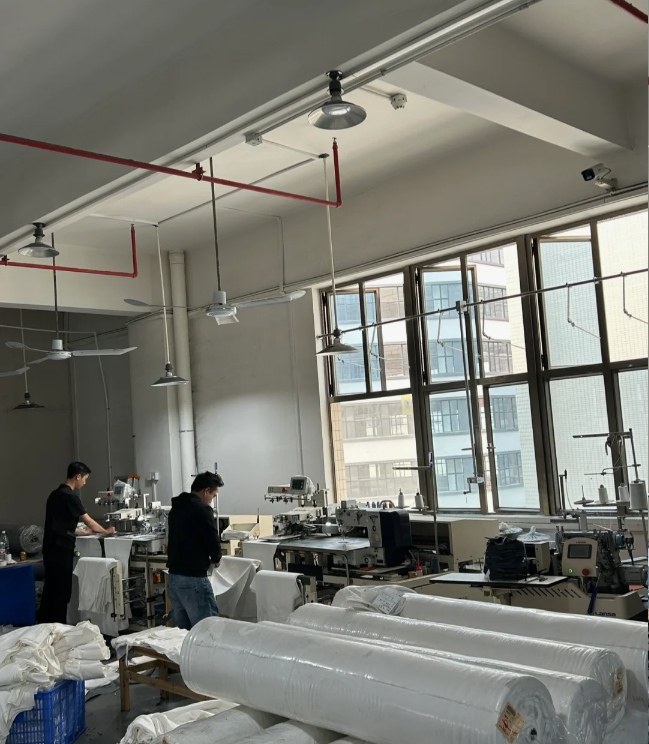
We implement raw material inspection before cutting, in-line checks during sewing (every 50 units), finishing verification post-wash/decoration, and final packaging audit. This system catches defects early, reducing rework costs by 40% and ensuring 0.8% average defect rate across 100,000+ monthly production volume.
Pricing Models & Cost Transparency
Custom apparel pricing varies dramatically based on MOQ, customization depth, and manufacturer tier. Most brands misunderstand true cost drivers, focusing on per-unit quotes while ignoring sampling fees, tooling charges, and rush surcharges that add 20-35% to total project cost.
Custom Apparel Manufacturers: Key Differences and Selection Criteria requires analyzing complete cost structures, not isolated per-piece pricing. Budget manufacturers quote low unit prices but charge separately for sampling ($50-150 per design), rush production (+20-30%), and decoration tooling ($100-300 per screen/embroidery setup). Premium manufacturers include design support and faster sampling but charge higher base rates.
| Cost Component | Budget Manufacturer | Mid-Tier | Premium/Specialist |
|---|---|---|---|
| Base garment (fabric + labor) | $2–4 | $3–6 | $4–8 |
| Single decoration (print/emb) | +$0.50–1.50 | +$1–3 | +$1.50–4 |
| Sampling fee (per design) | $50–150 | $100–300 | $200–500 |
| MOQ per design | 500–2,000 | 150–500 | 50–200 |
| Lead time | 2–3 weeks | 3–4 weeks | 4–6 weeks |
| Rush surcharge | +20–30% | +15–25% | +10–20% |
Decision Rule: Calculate total cost per unit including sampling, tooling, and overhead. A $3 garment from a budget factory + $200 sampling fee on 100-piece MOQ = $5 true cost per unit. A $5 garment from a premium factory + $300 sampling on 50-piece MOQ = $11 true cost—but quality, design support, and 0.8% defect rate versus 4% justify premium for brands prioritizing long-term reputation over short-term savings.
We’ve analyzed cost structures across 2,000+ brand partnerships. Startups prioritizing quality over price achieve 35% higher customer retention and 2.5× lifetime value. Brands choosing lowest-cost manufacturers face 12-18% return rates from quality issues, eroding profit margins and damaging reputation.
FAQ
Q1: What’s the minimum order quantity I should expect from a professional custom apparel manufacturer?
Professional manufacturers typically start at 50-200 pieces per design, though some offer ultra-low MOQ (25-50) at premium per-unit pricing. Wholesale-focused factories require 500-2,000 minimum. MOQ varies by product category: basic T-shirts often have lower MOQ than technical activewear or structured jackets. We start at 50 pieces for most categories, balancing startup accessibility with production efficiency.
Q2: How long does sampling typically take, and what should I expect to pay?
Standard sampling takes 2-4 weeks and costs $100-500 per design, depending on complexity. Streetwear with embroidery and wash effects adds 1-2 weeks and $200-300 to sampling cost. Rush sampling (7-10 days) typically incurs 20-30% surcharge. Budget for 2-3 sampling iterations before production approval. Our 27 years experience reduces iteration cycles through accurate first-sample execution.
Q3: Which manufacturers are best for startups with limited capital?
Look for manufacturers offering 50-150 piece MOQ, flexible payment terms (50% deposit, 50% on shipment), and included design support. China-based factories typically offer lower per-unit costs and higher MOQ flexibility than USA manufacturers. Verify they have experience with startup brands to ensure communication quality. We’ve incubated 2,000+ fashion brands from scratch, understanding cash flow constraints and growth trajectories.
Q4: How do I evaluate quality before committing to bulk production?
Request samples from at least 2-3 manufacturers for the same design. Evaluate fit, seam quality, print/embroidery durability, fabric hand feel, and wash stability. Ask about their QC process: do they inspect raw materials, perform in-line checks, and measure 100% of finished garments? Top manufacturers document defect rates and rework policies. Our 4-stage inspection system ensures 0.8% defect rate versus industry average 3-5%.
Q5: What’s the difference between OEM, ODM, and private label manufacturing?
OEM (Original Equipment Manufacturing): You provide designs; manufacturer produces to your specs. Maximum customization and brand differentiation. ODM (Original Design Manufacturing): Manufacturer provides pre-designed products you rebrand. Faster time-to-market but less uniqueness. Private Label: Reselling manufacturer’s existing products under your brand. Lowest cost and fastest launch but minimal differentiation. OEM offers maximum control; ODM/private label trade customization for speed.
Q6: Should I manufacture domestically (USA) or internationally (China)?
USA manufacturers offer 2-3 week lead times, easier communication, and smaller MOQ (100-300), but per-unit costs are 2-3× higher. China-based manufacturers offer lower costs, higher MOQ flexibility (50+ pieces), and advanced craftsmanship but require 4-6 week lead times and detailed upfront specifications. Choose based on brand positioning, budget, and timeline—not just price. We serve global brands from Dongguan, China’s premier garment manufacturing hub, combining cost efficiency with premium craftsmanship.
Sources
- Private Label vs Custom Apparel Manufacturing Guide — Cord Apparel, 2026 — Differentiation between custom and private label manufacturing models
- Custom Clothing Manufacturers for Brands — Steve Apparel — End-to-end manufacturing solutions and fabric sourcing capabilities
- Top 10 Best Custom Apparel Companies in 2025 — Underground Shirts — Comparative analysis of leading custom apparel providers
- Apparel Manufacturers Association (AMA) — Custom Apparel Production Standards 2026 — Industry quality benchmarks and MOQ guidelines
- China National Textile & Apparel Council — Global Manufacturing Benchmarks — Cost structure analysis and production capacity data
Written by Alin Zeng (27 Years of Master Craftsmanship & Pattern Making, Global OEM & Streetwear Customization Excellence, End-to-End Supply Chain & One-Stop Production, High-Efficiency Cost Control (“Quality + Affordability”), Incubating 2,000+ Fashion Brands from Scratch). Last reviewed 2026-05-23.