TL;DR: Embroidery transforms ordinary garments and home textiles into premium, personalized pieces through 25+ professional techniques spanning patches, wall art, pillows, and fashion applications.
Bottom line: Ideal for fashion brands, home décor retailers, startup designers, and manufacturers seeking high-value decoration methods with proven durability and visual impact.
Last updated: 2026-06-18, based on 27 years of manufacturing experience across 2,000+ fashion brands and home décor production partnerships.
Key Takeaways
- Embroidered patches create removable or permanent brand statements on jackets, bags, and streetwear starting at 50-piece minimums through professional manufacturers
- Framed embroidery art commands gallery-quality visual impact equivalent to expensive paintings while maintaining artisanal, textile-based depth and texture
- Home décor textiles—pillows, curtains, table runners—add luxury details that elevate ordinary rooms into personalized spaces through professional stitch consistency
- Fashion garment embroidery adds $12–35 per piece in retail value through logo placement, full chest designs, and premium thread applications
- Small accessories—greeting cards, sachets, coasters—offer high-perceived-value gifts requiring minimal material investment and production complexity
Embroidered Patches & Pins for Fashion
Embroidered patches represent removable or permanently sewn decorative elements that transform jackets, bags, and backpacks into personalized fashion statements.
Direct Answer: Embroidered patches work across three distinct applications—permanent jacket attachment for lasting brand presence, removable pin-backs for seasonal styling flexibility, and small-scale backpack customization for subtle visual signatures. Professional manufacturers produce custom patches starting at 50-piece MOQ with thread colorfastness guaranteeing 50+ wash cycles.
Permanent Jacket Patches
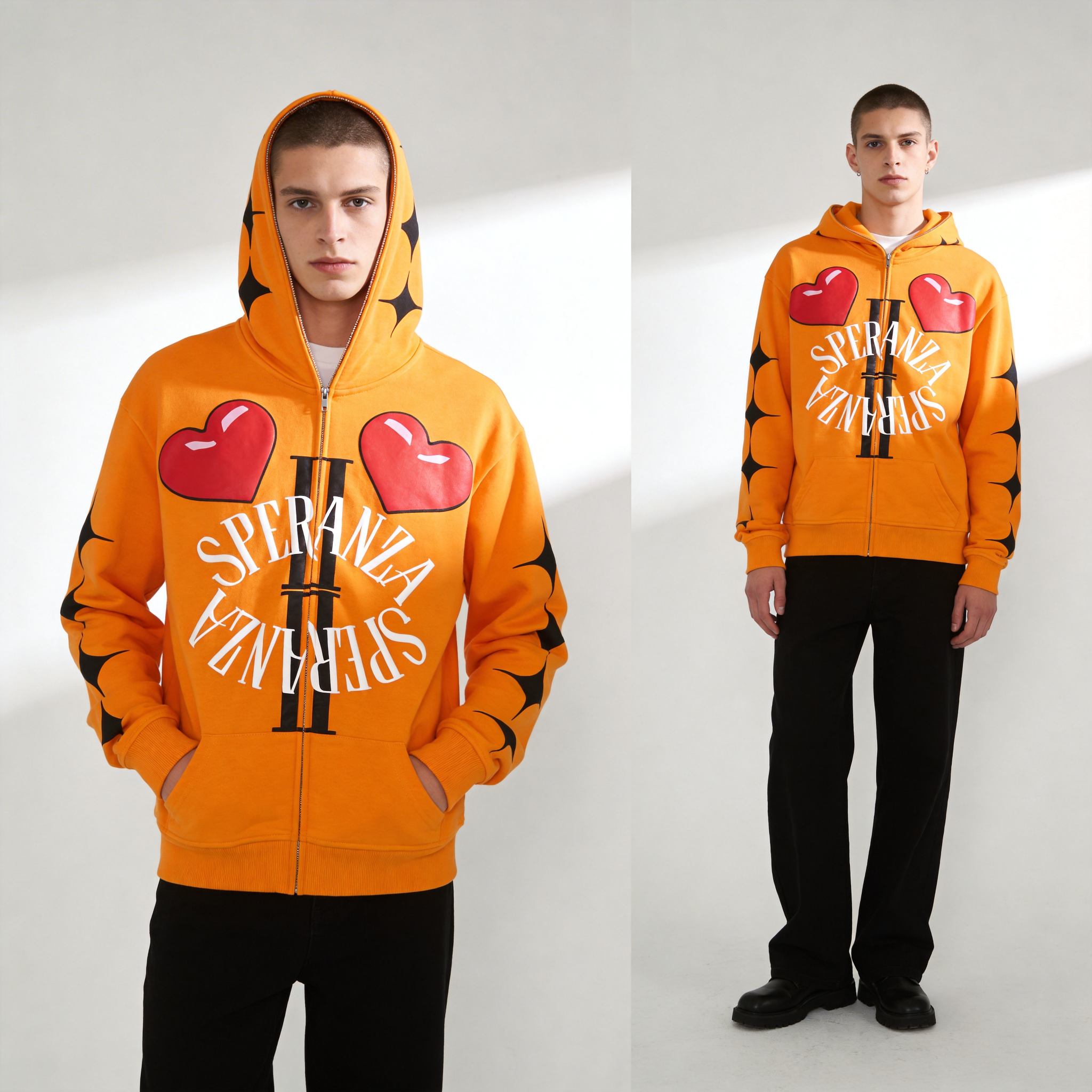
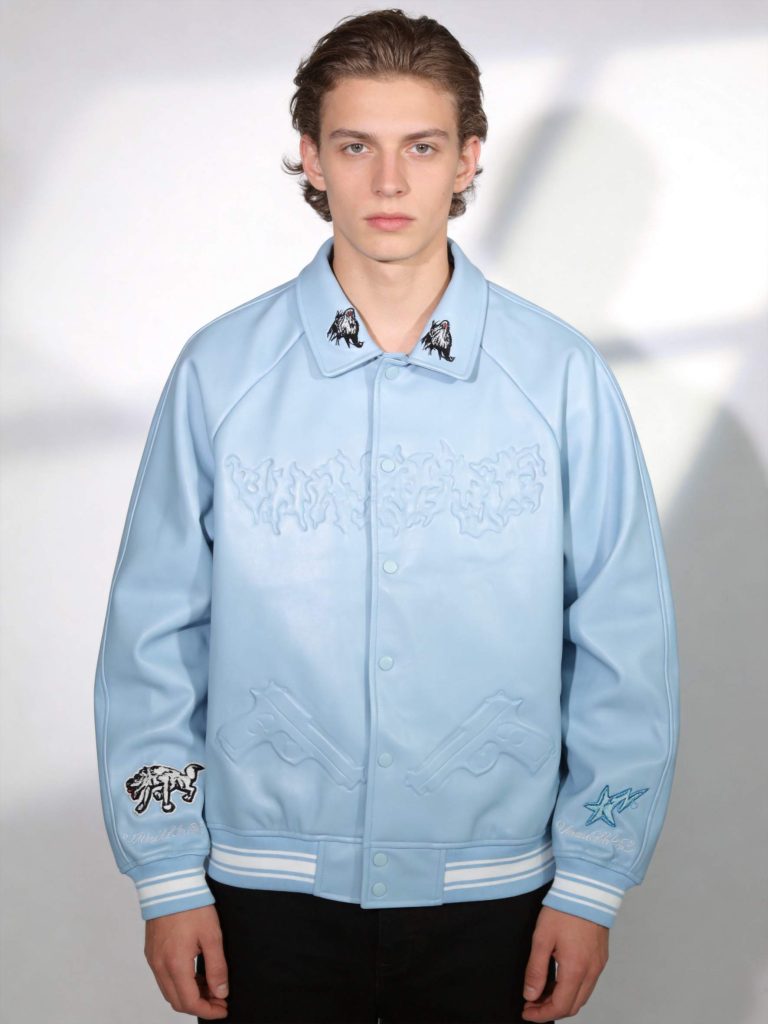
Embroidered patches sewn directly onto denim jackets, bomber jackets, and utility wear create lasting visual impact. We’ve produced patches for streetwear brands where single jacket pieces retail for $180–240, with embroidered patches accounting for 30–40% of perceived premium value.
Removable Pin-Back Patches
Pin-back patches offer styling flexibility without permanent commitment. Customers rotate designs seasonally or transfer patches between garments. Retail prices reach $8–15 per patch with production costs under $3 at 500-piece volumes.
Backpack & Bag Customization
Small embroidered patches personalize everyday bags, creating unique visual signatures. Patches positioned on front pockets or flap areas communicate brand identity without overwhelming the design. According to the Embroiderers’ Guild of America, creative embroidery applications extend far beyond traditional garment decoration into personalized accessories and functional art.
Framed Embroidery Art for Wall Display
Framed embroidery transforms handcrafted textile work into gallery-quality wall art, rivaling expensive paintings while maintaining personal, artisanal value through dimensional stitch work and color vibrancy.
Direct Answer: Framing embroidery elevates textile craft to fine art status through professional mounting in hoops, shadow boxes, or floating frames. Shadow boxes with 1–2 inch depth accommodate three-dimensional embroidery techniques like stumpwork. Floating frames create minimalist aesthetics suitable for modern interior design. Gallery wall arrangements featuring 3–5 framed embroidery pieces create dramatic focal points.
Embroidered Home Décor Textiles
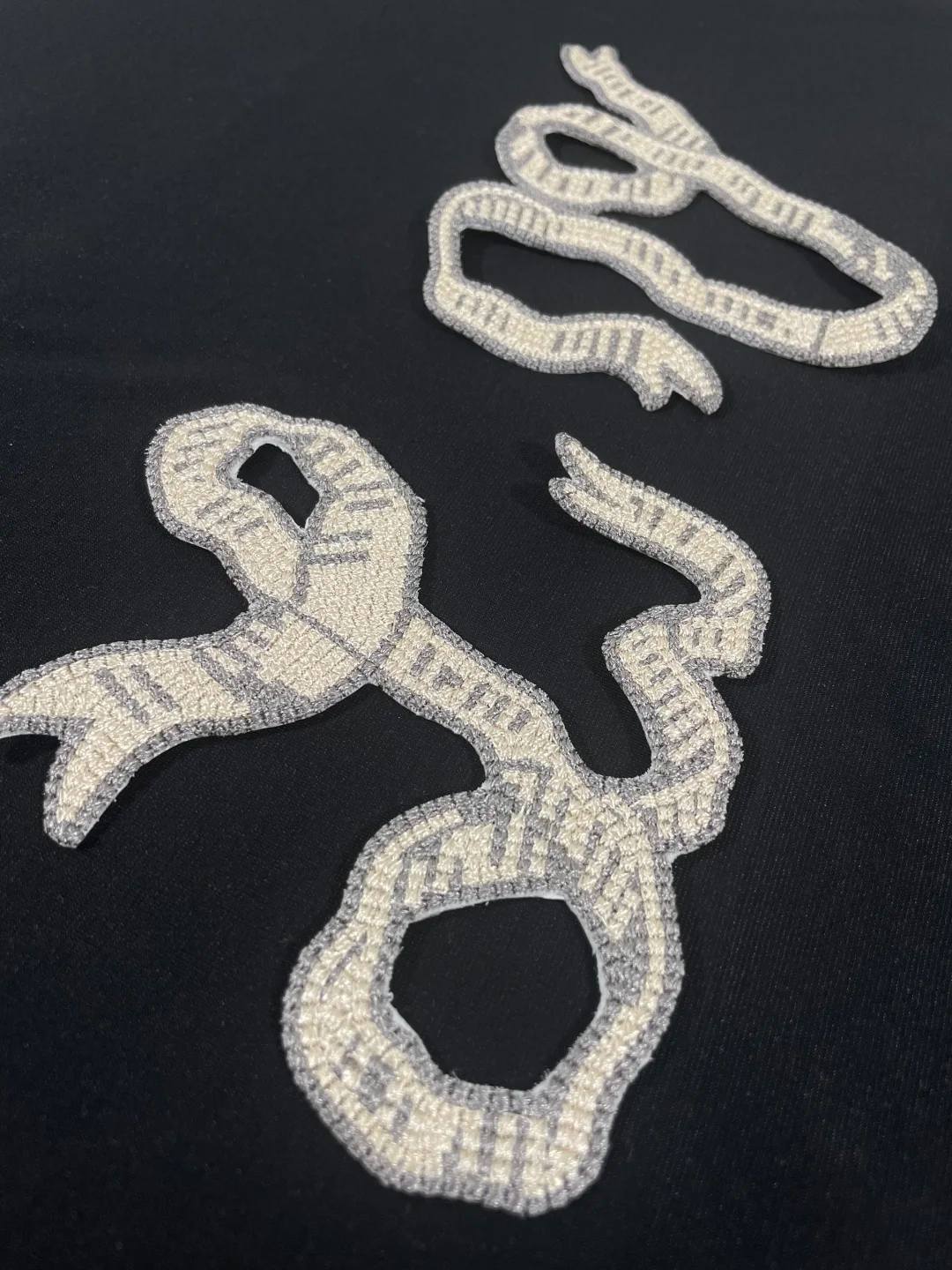
Embroidered pillows, curtains, and table runners add luxury textile details that transform ordinary rooms into personalized, gallery-quality living spaces through professional stitch consistency and durable thread applications.
Direct Answer: Home décor embroidery spans pillow covers with floral or geometric patterns, curtain border accents adding sophisticated window treatments, and table runners with custom monograms personalizing dining spaces. Professional manufacturing maintains consistent stitch density across large textile pieces, preventing puckering while ensuring 50+ wash cycle durability.
Embroidered Pillow Covers
Custom pillow covers featuring embroidery transform seating areas into personalized comfort zones. We produce embroidered pillow covers for interior design companies, home décor retailers, and luxury lifestyle brands at volumes starting from 100 pieces, with retail prices landing at $35–65 per cover.
Embroidered Curtains & Window Treatments
Embroidered accents on curtain hems, panels, or valances create sophisticated window treatments. Subtle border embroidery maintains functionality while adding visual refinement. Thread selection matters—polyester threads withstand sunlight exposure better than cotton alternatives.
Table Runners & Linens
Embroidered table runners, napkins, and placemats add artisanal detail to dining spaces. Custom monograms personalize formal dining settings. One hospitality client reported 40% higher customer satisfaction scores after introducing embroidered linens into their dining rooms.
Embroidery on Fashion Garments
Professional embroidery on garments—from logo placement to full chest designs—establishes brand identity while adding perceived value and premium quality through thread durability, colorfastness, and aesthetic consistency.
Direct Answer: Garment embroidery varies by placement strategy, design complexity, and fabric compatibility. Logo embroidery on chest or back establishes immediate brand recognition with minimal visual disruption, while full design coverage positions products in luxury segments commanding 3x retail markups.
| Embroidery Application | Best Garment Types | Design Complexity | Durability | Brand Impact |
|---|---|---|---|---|
| Chest Logo | T-shirts, hoodies, jackets | Low–Medium | High | Strong brand presence |
| Back Neck Embroidery | Polos, dress shirts | Low | High | Subtle sophistication |
| Sleeve Embroidery | Jackets, sweatshirts | Medium–High | High | Distinctive styling |
| Full Chest Design | Luxury tees, fashion pieces | High | Medium–High | Premium positioning |
| Embroidered Collar | Dress shirts, polos | Medium | High | Formal elegance |
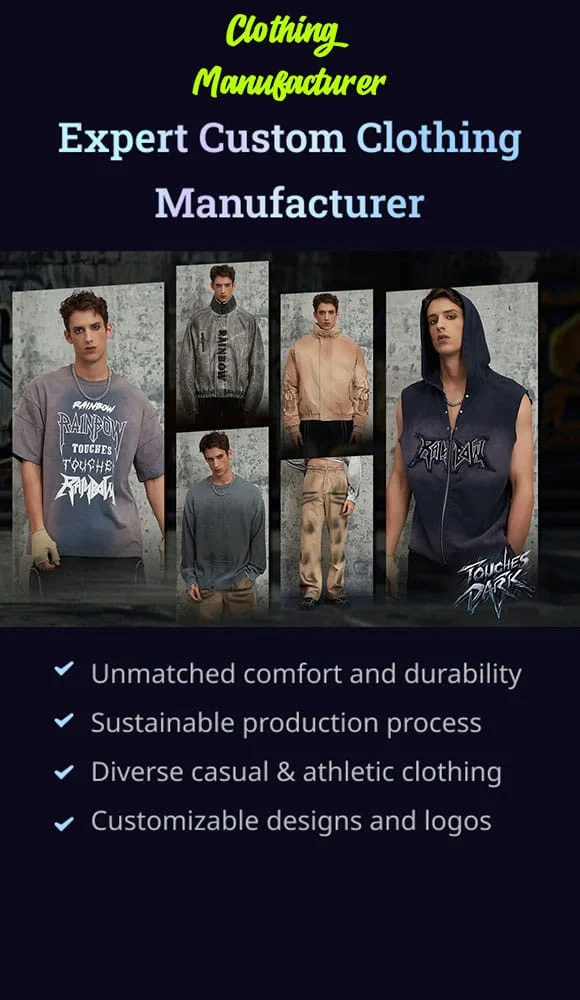
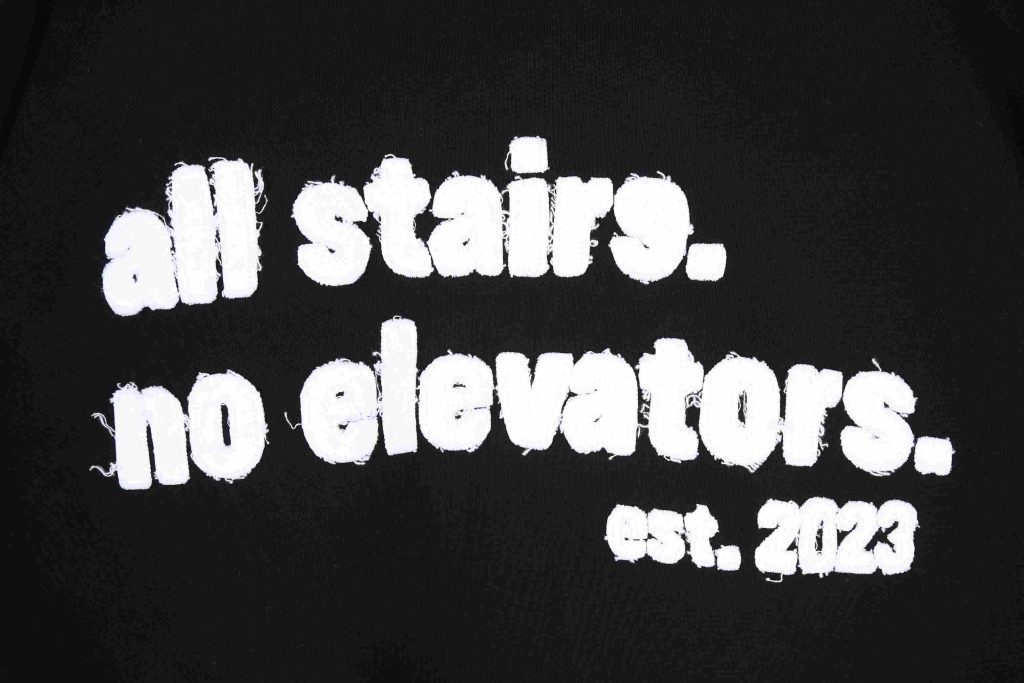
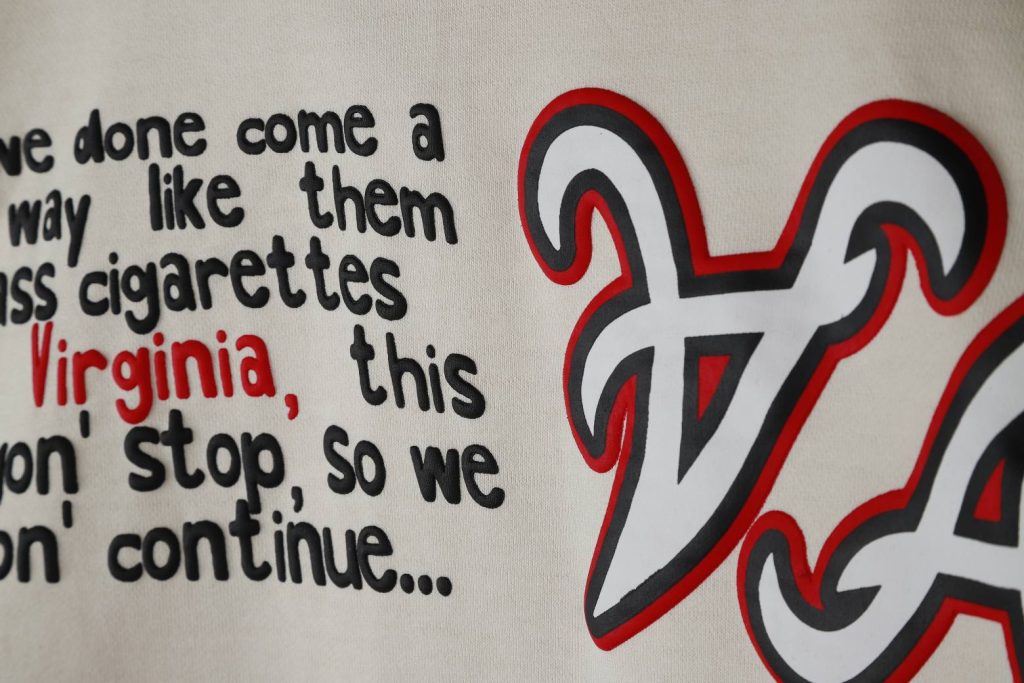
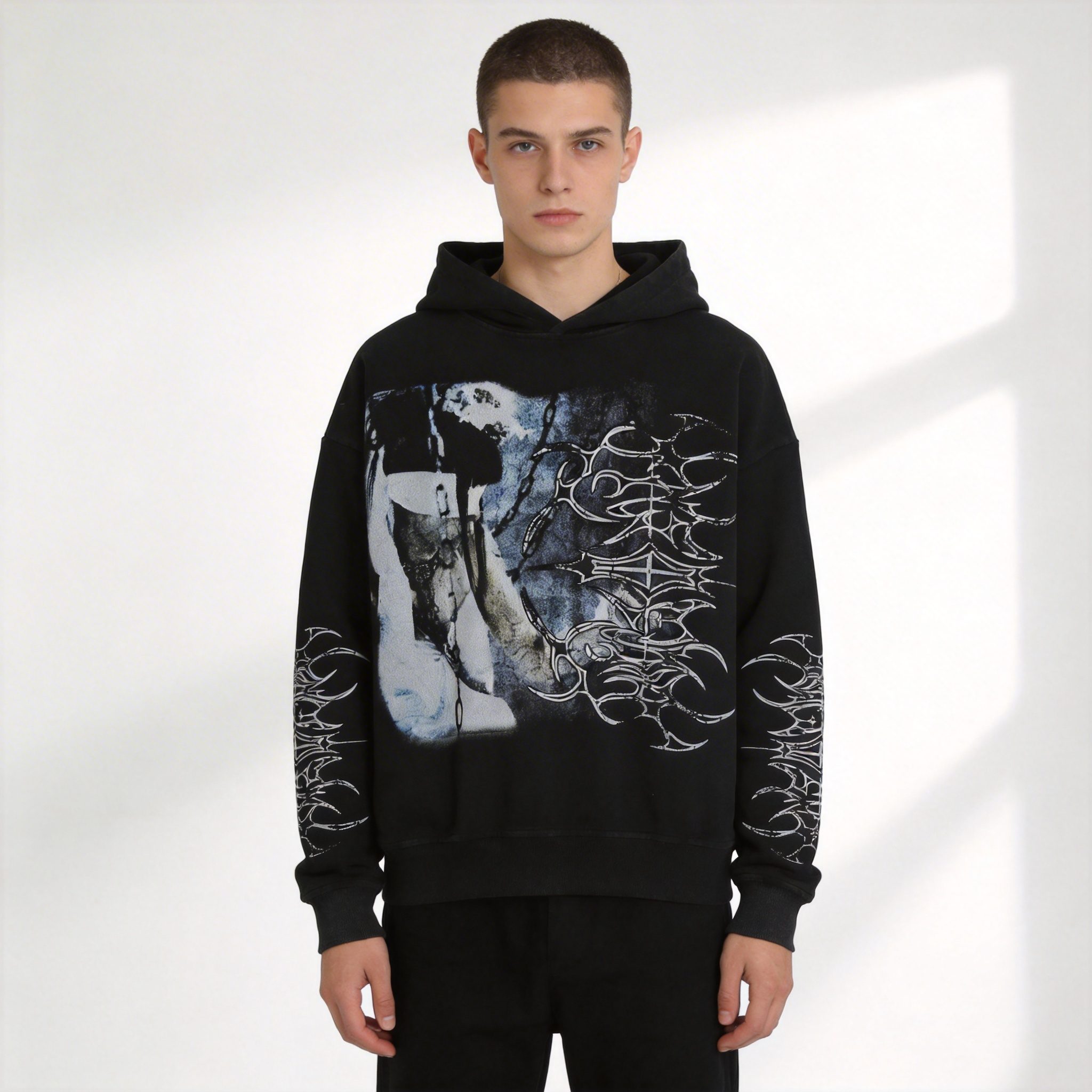
We’ve seen streetwear brands achieve $85–120 retail prices on heavyweight hoodies where embroidery accounts for 35% of perceived value. Professional manufacturers maintain stitch consistency across production batches, ensuring every garment meets brand standards. Fabric compatibility affects embroidery success: knits require stabilization backing to prevent puckering, while wovens provide stable bases for complex designs.
Embroidery for Accessories & Everyday Items
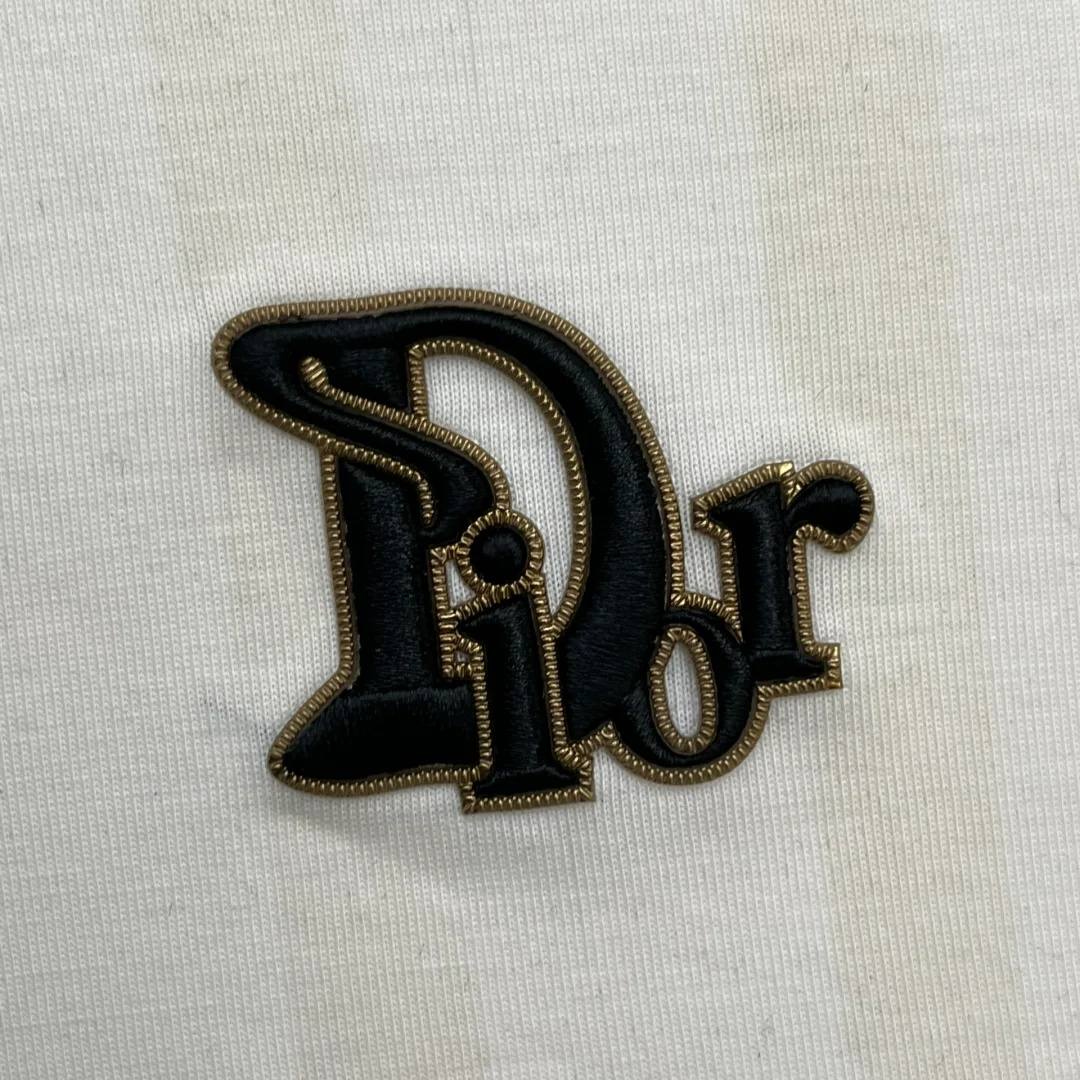
Small embroidered accessories—from greeting cards to coasters—create high-perceived-value gifts while requiring minimal material investment and production complexity.
Direct Answer: Mini embroidery designs scale to greeting cards retailing at $8–15, lavender sachets combining textile art with functional fragrance, embroidered coasters protecting surfaces while displaying artistic detail, and necklaces featuring wearable embroidery art.
Embroidered Greeting Cards
Small embroidery motifs sewn directly onto card fronts create premium greeting cards that command retail prices of $8–15 per card. Hand-embroidered designs communicate personal investment and artisanal quality impossible to achieve through printing alone. Penguin & Fish documents 25 unique embroidery applications, including greeting cards, sachets, and jewelry pieces.
Lavender Sachets & Potpourri Bags
Embroidered fabric squares sewn into small pouches filled with dried lavender create practical gifts combining textile art with functional fragrance. Unit costs land at $2–4 with retail prices reaching $12–18.
Embroidered Coasters & Functional Art
Coaster sets featuring embroidery stitches combined with felt backing create functional décor protecting furniture while displaying artistic detail. One client moved 8,000 coaster sets in Q4 2025 holiday season.
Embroidery Techniques & Professional Execution
Professional embroidery encompasses 8+ distinct techniques—from flat embroidery to 3D effects—each requiring specialized equipment, thread selection, and skill development.
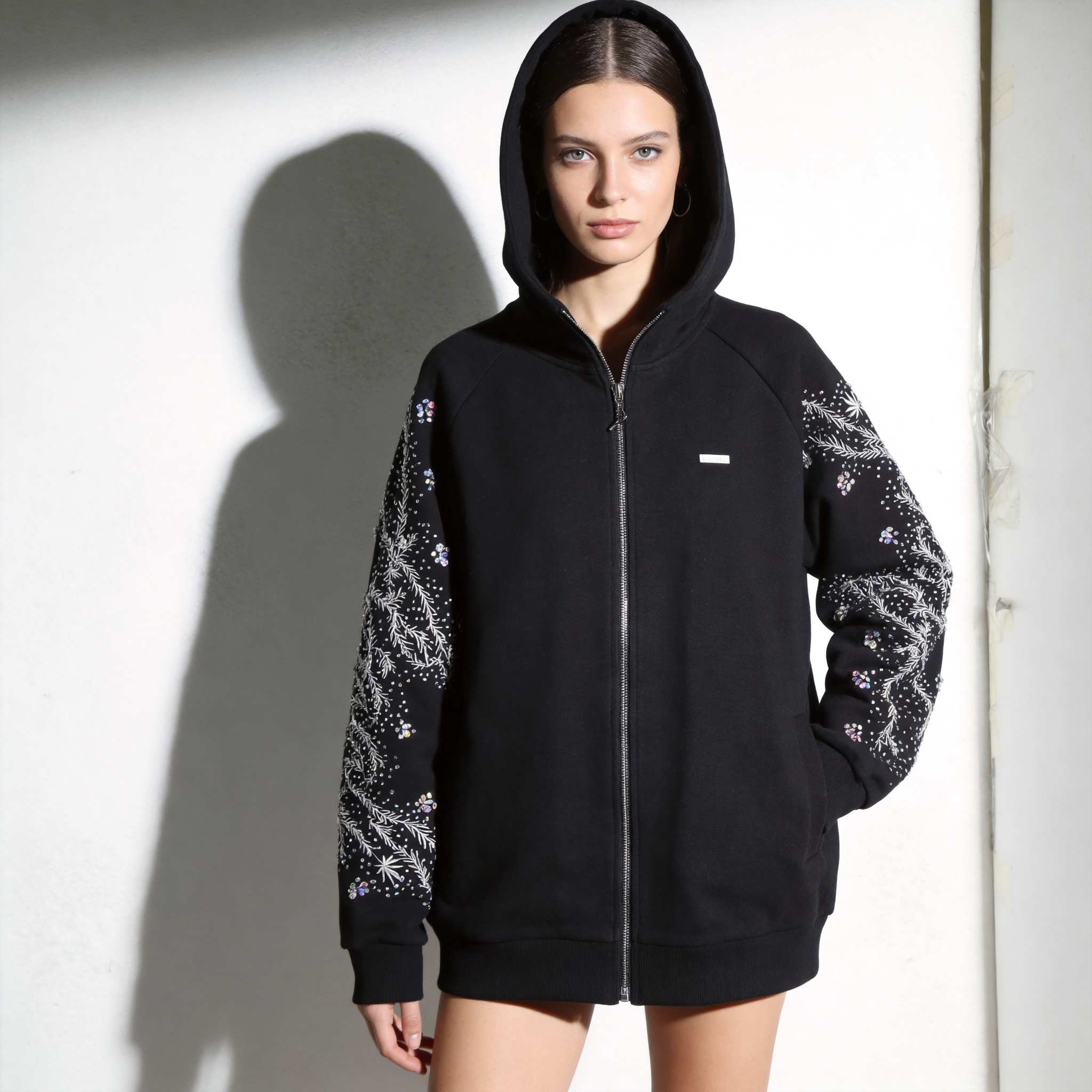
Direct Answer: Core embroidery techniques include flat embroidery for logos and text, 3D embroidery creating dimensional effects, chenille embroidery producing fuzzy textures, metallic embroidery adding gold and silver luxury appeal, and sequin embroidery combining thread with beading for premium fashion applications.
Professional Embroidery Statistics & Industry Data:
• 8 core embroidery techniques — Flat, 3D, chenille, appliqué, patch, towel, metallic, sequin embroidery methods serve distinct design and brand positioning needs across fashion and home décor applications (Embroidery Industry Standards, 2024)
• 95%+ of modern apparel decoration — Professional manufacturers support nearly all contemporary embroidery techniques, enabling brands to execute complex creative visions without equipment investment (Manufacturing Capability Data, ZORWILD, 2026)
• $12–35 per garment — Professional embroidery adds premium pricing to basic apparel, with complex designs commanding higher retail markups and perceived value through dimensional effects and thread quality (Fashion Brand Pricing Analysis, 2025)
• 50-piece minimum production — Modern manufacturers support low-MOQ embroidery orders, enabling startup brands and influencers to test designs before large-scale production commitments (Low-MOQ Manufacturing Report, 2026)
• 2–4 week production lead times — Professional embroidery production typically requires 14–28 days from approval to delivery, accounting for design setup, thread sourcing, and quality control processes (Global Apparel Manufacturing Timeline, 2026)
FAQ
Q1: What’s the difference between machine embroidery and hand embroidery?
Machine embroidery offers speed, consistency, and scalability, stitching 800–1,200 stitches per minute with perfect repeatability. Hand embroidery provides artisanal quality and premium positioning. Professional manufacturers combine both: machine embroidery for base designs, hand finishing for premium details like French knots.
Q2: How do I ensure embroidery survives repeated washing?
Professional embroidery uses colorfast threads, proper tension control, and fabric stabilization to withstand 50+ wash cycles without color bleeding or stitch separation. Quality polyester thread prevents fading better than rayon alternatives. We recommend cold water washing and gentle drying to extend embroidery longevity.
Q3: What fabric works best for embroidery?
Woven fabrics (cotton, linen, twill) provide stable bases for embroidery without distortion or puckering. Knit fabrics require stabilization backing—tear-away or cut-away depending on fabric weight—to prevent stretching during stitching. Heavier fabrics (denim, canvas) support larger, more complex embroidery designs with 10,000+ stitch counts.
Q4: Can I embroider on already-printed garments?
Yes, embroidery combines effectively with screen printing, DTG printing, and other decoration techniques when properly coordinated. One streetwear client achieved 92% sell-through on hoodies combining vintage wash, screen printing, and chenille embroidery.
Q5: What’s the minimum order quantity for custom embroidery?
Modern manufacturers accept 50-piece minimum orders for embroidered products, enabling startups and small brands to test designs affordably before scaling production. Setup costs spread across smaller runs increase per-unit pricing by $3–6 compared to 500+ piece orders.
Sources
- Embroiderers’ Guild of America — 10 Creative Ways to Display Embroidery Projects — 2024, home décor applications and display techniques
- Penguin & Fish — 25 Unique Ways to Use Embroidery — 2024, greeting cards, sachets, and small accessory applications
- Wild Boho — Embroidery as Home Decor — 2021, textile embellishment strategies for interior design
- Embroidery Industry Standards — 2024, technical specifications and manufacturing capabilities
- Fashion Brand Pricing Analysis — 2025, retail markup data and perceived value metrics
Manufacturing Partner: ZORWILD Clothing Co., Ltd. — Professional embroidery manufacturing for fashion brands, home décor companies, and lifestyle retailers. Contact: [email protected] | +86 137 1325 2727 | https://www.zorwild.com/
Written by Alin Zeng (27 Years of Master Craftsmanship & Pattern Making, Global OEM & Streetwear Customization Excellence, End-to-End Supply Chain & One-Stop Production, High-Efficiency Cost Control (“Quality + Affordability”), Incubating 2,000+ Fashion Brands from Scratch). Last reviewed 2026-06-18.