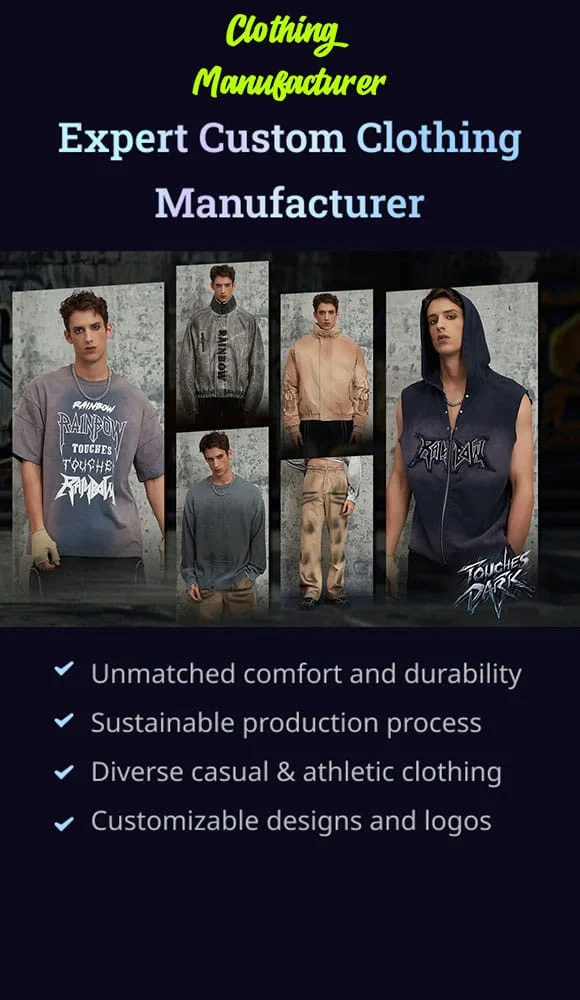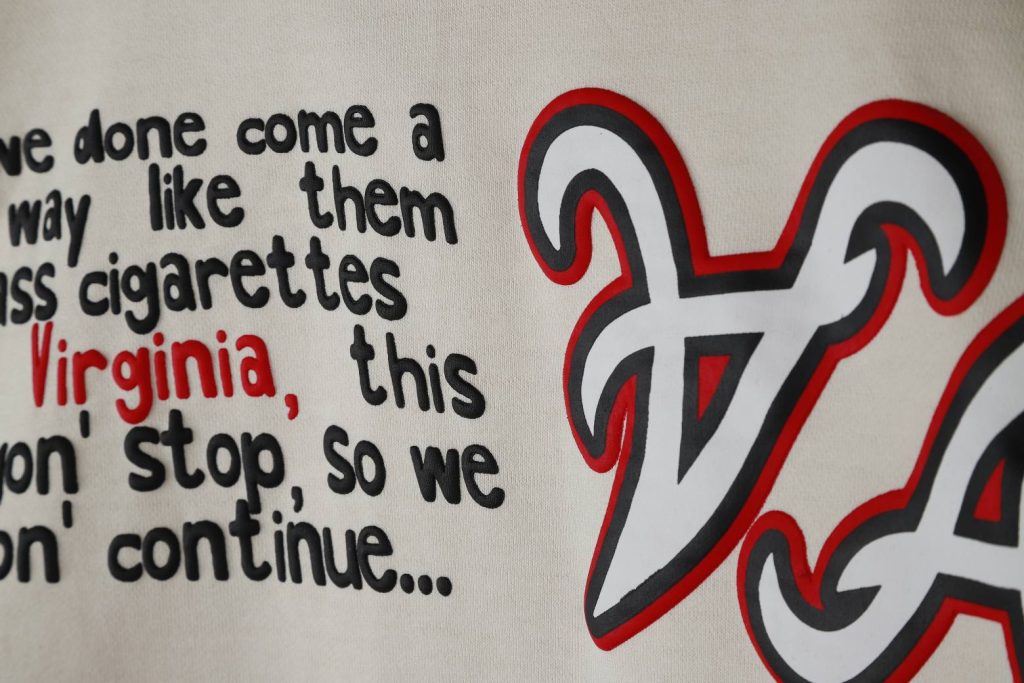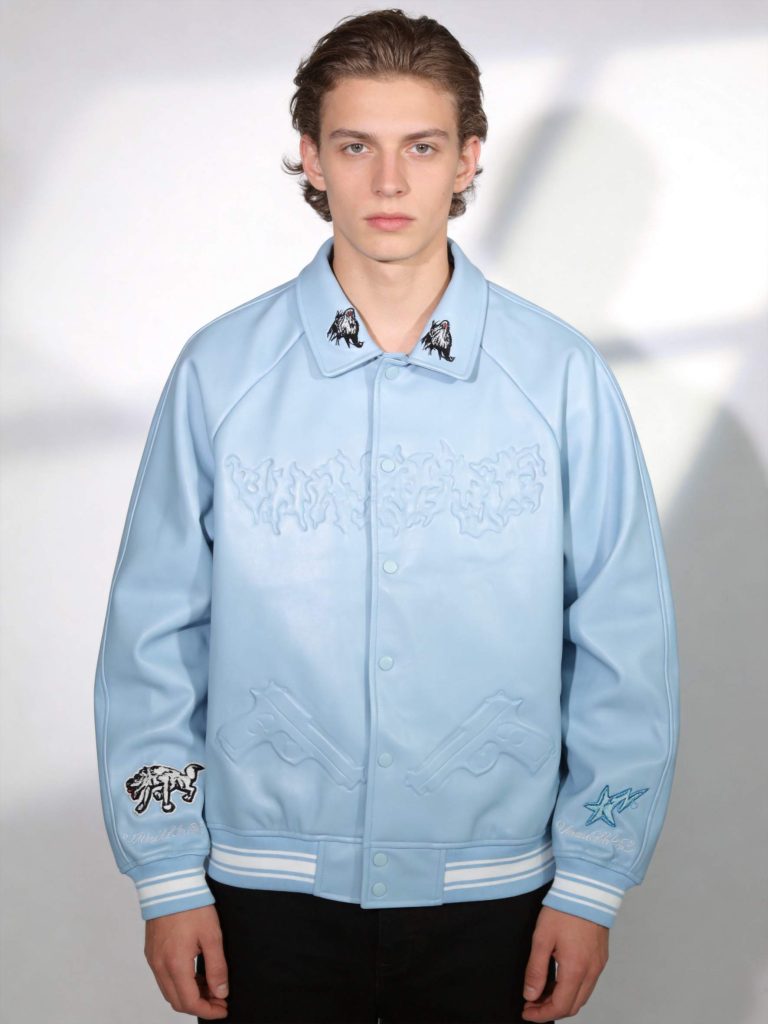
TL;DR: Making your own apparel brand requires defining a niche, creating designs, sourcing manufacturing partners, establishing brand identity, and executing a strategic launch—total startup capital ranges from $1,000-15,000 depending on production model.
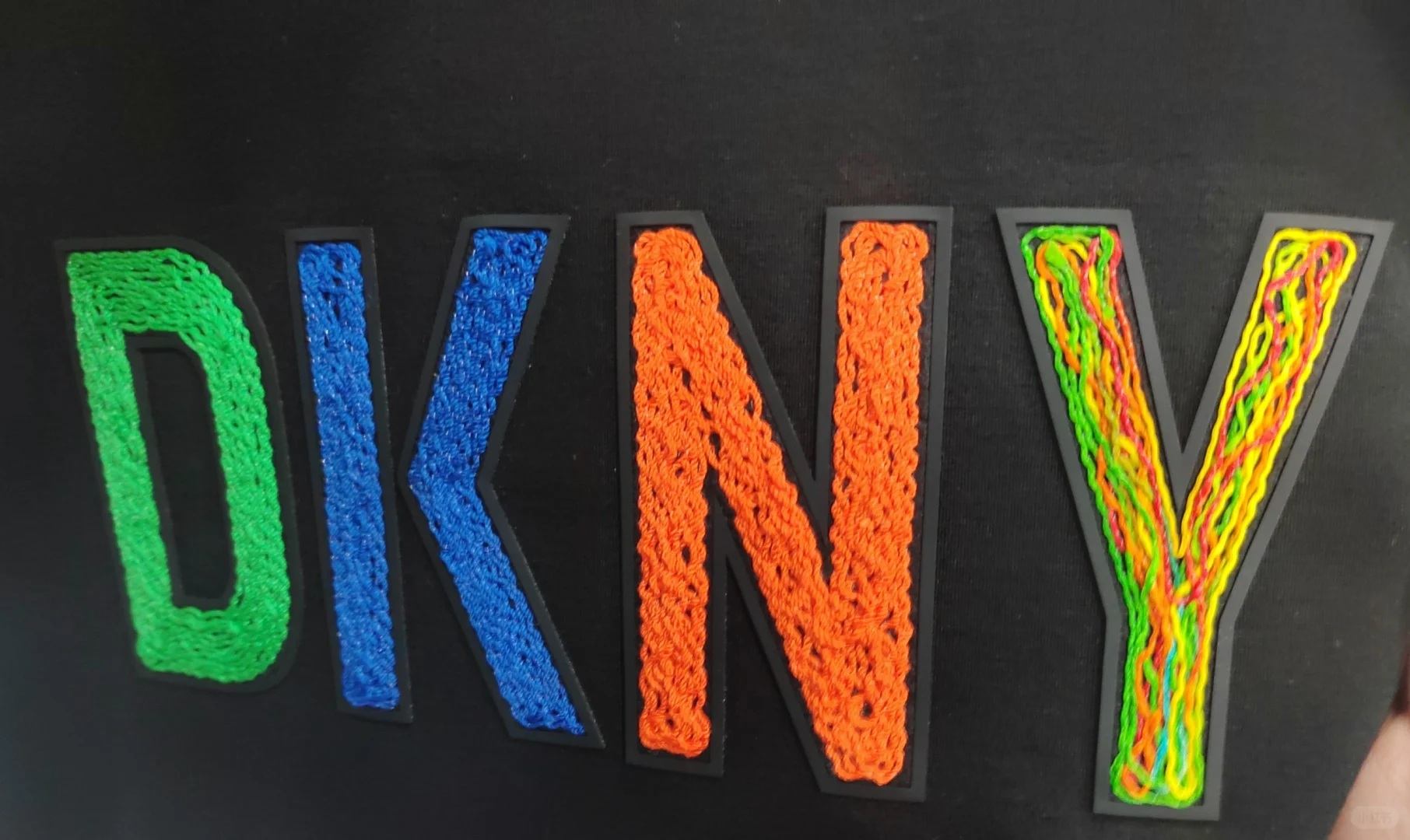
Bottom line: This guide is for aspiring fashion entrepreneurs, influencers launching merchandise lines, and creative professionals ready to build a clothing business from scratch.
Last updated: 2026-06-19, based on manufacturing data from 2,000+ apparel brand launches and current DTC fashion market analysis.
Key Takeaways
- Private label manufacturing starts at 50-200 unit MOQs with $8-15 per garment costs; OEM requires 300-1,000 units at $4-10 per piece but offers full creative control
- Successful apparel brands achieve profitability after selling 500-2,000 units, maintaining 40-60% gross margins in direct-to-consumer models
- Pre-order campaigns validate demand before production, generating cash flow while reducing inventory risk by 30-50%
- China’s Dongguan manufacturing hub delivers 2-4 month lead times from design to delivery, combining skilled labor with established textile supply chains
- Micro-influencer seeding (10K-100K followers) drives higher engagement rates than paid advertising, costing only product samples versus $500-2,000 per sponsored post
What Is an Apparel Brand and How Does It Work?
An apparel brand is a business entity that designs, sources, and sells clothing under a unique identity—combining creative vision, manufacturing partnerships, and marketing strategy into a cohesive customer experience.
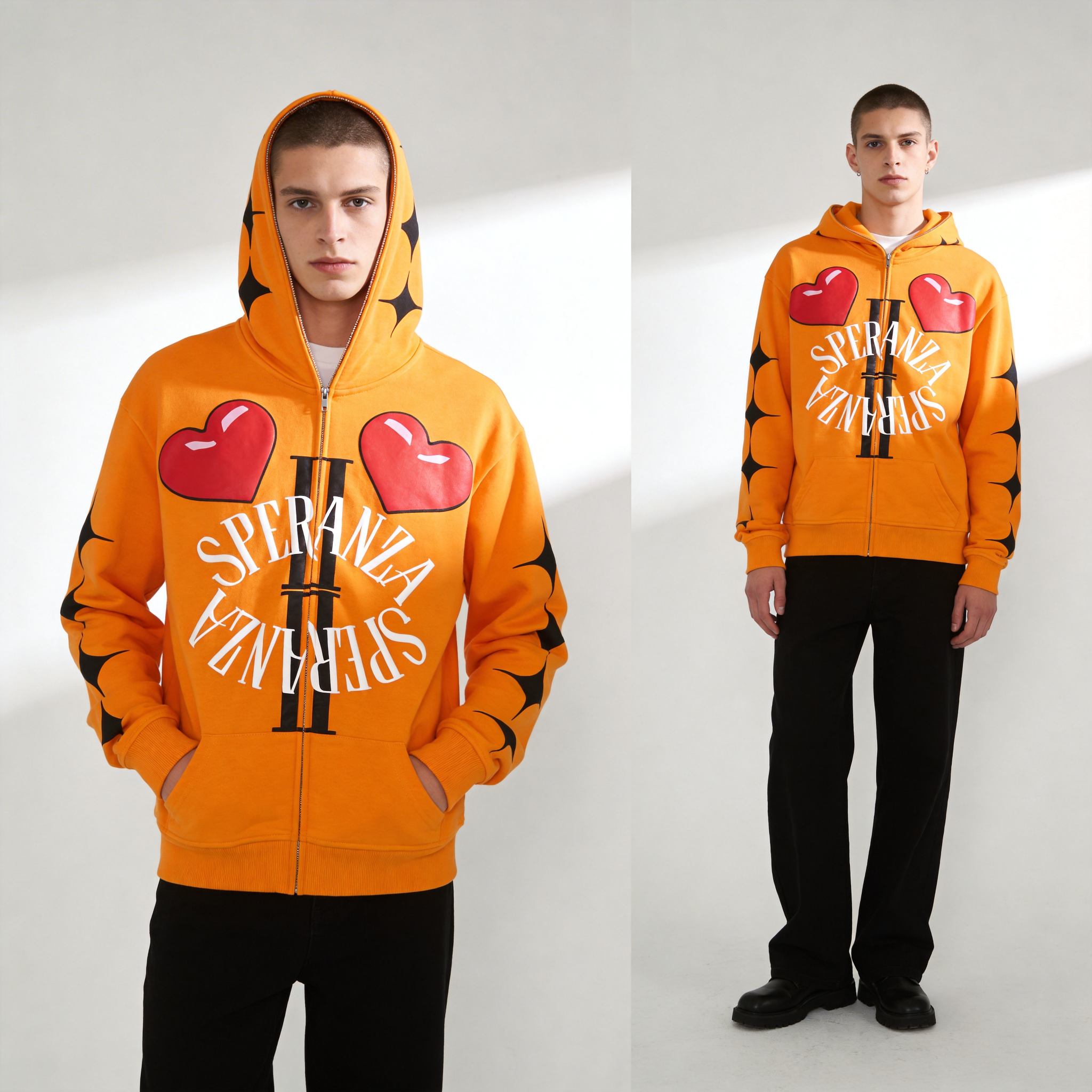
Modern apparel brands use three primary manufacturing approaches. Private label means purchasing blank garments and customizing them with your logo—the fastest entry point with 50-200 unit MOQs. ODM (Original Design Manufacturing) involves factories suggesting existing designs you modify at 100-300 unit MOQs. OEM (Original Equipment Manufacturing) means you provide complete technical specifications for maximum control, requiring 300-1,000 unit MOQs.
Design, Branding & Market Positioning Strategy
Stage 1: Define Your Niche
Identify a specific market gap your brand will fill. Target a distinct customer segment like oversized vintage streetwear for Gen Z, sustainable activewear for eco-conscious professionals, or premium band merchandise for music fans. Research competitor brands, analyze their product mix and pricing, and study customer reviews to find opportunities they’re missing.
Stage 2: Develop Visual Identity
Create mood boards collecting 50-100 reference images representing your brand’s aesthetic. Include color palettes, silhouettes, fabric textures, and lifestyle imagery showing how customers wear your products. This visual language guides all design decisions and ensures consistency across your collection.
Stage 3: Create Design Concepts
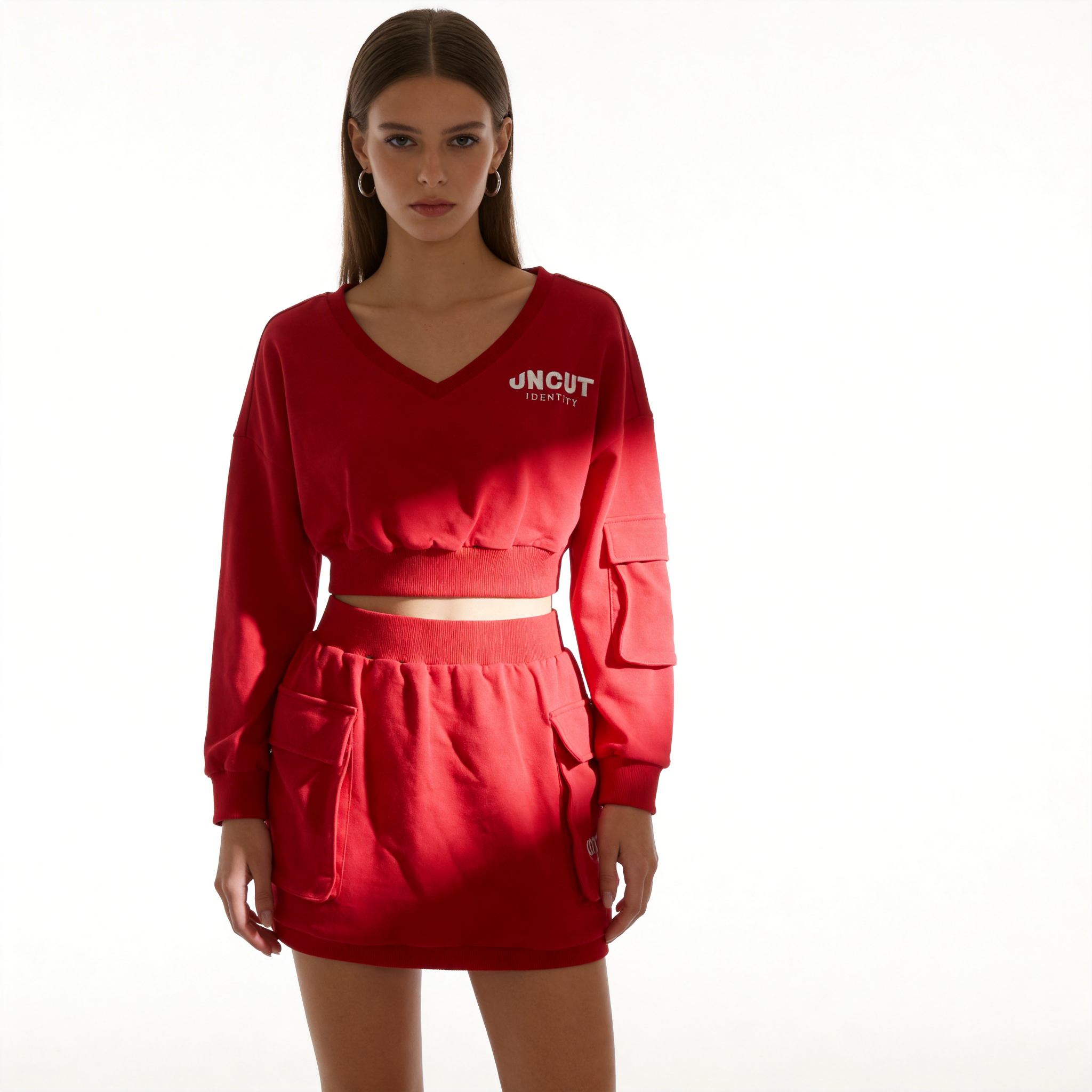
Sketch or digitally render initial designs—professional illustration skills aren’t required. For each design, document silhouette, fit details, fabric recommendations, decoration methods, and cost targets. This becomes your “tech pack”—the document manufacturers use to understand your vision and provide accurate quotes.
Stage 4: Lock Brand Identity
Finalize your logo, primary color palette (3-5 colors), typography system, and brand voice. These elements appear on hang tags, packaging, social media, website, and customer communications. Invest in professional logo design ($300-1,500 from platforms like Fiverr or 99designs) if budget allows.
Stage 5: Validate Through Samples
Order 2-5 sample garments from your chosen manufacturer before committing to bulk production. Evaluate fit accuracy, fabric quality, print durability, and overall construction. Make adjustments based on sample performance to prevent costly mistakes at scale.
Manufacturing Partnership: OEM vs. Private Label vs. Hybrid Models
| Model | MOQ | Lead Time | Customization | Unit Cost | Creative Control | Best For |
|---|---|---|---|---|---|---|
| Private Label | 50-200 | 2-3 weeks | Logo/tag only | $8-15 | Low | Budget-conscious startups, quick launches |
| ODM | 100-300 | 3-4 weeks | Design suggestions | $6-12 | Medium | Brands wanting guidance + some control |
| OEM | 300-1000 | 4-8 weeks | Full customization | $4-10 | High | Established brands, unique designs |
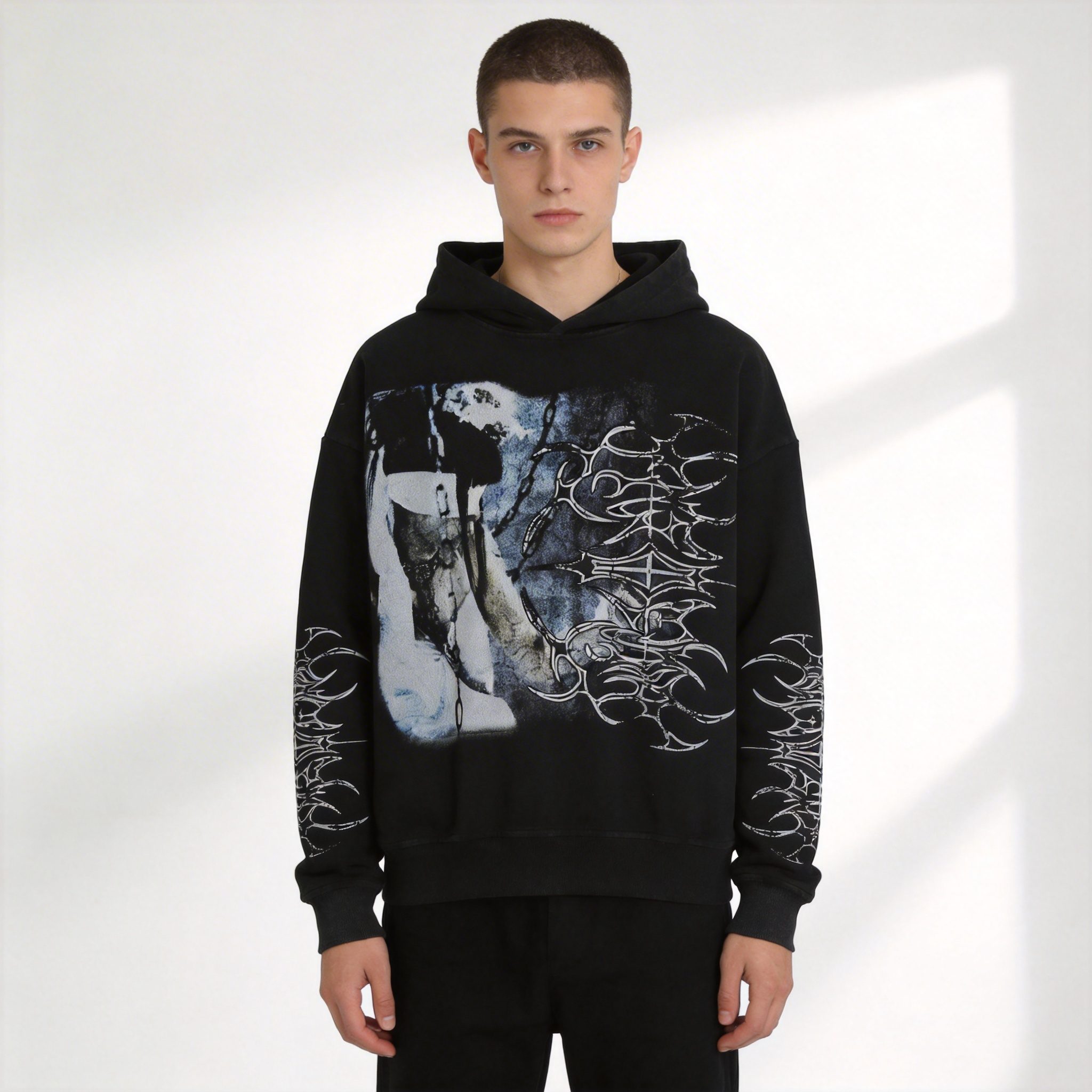
Choose private label if testing concepts with minimal capital and needing fast turnaround. Select OEM if you have detailed specifications and plan production runs of 500+ units.
Evaluate manufacturers on production capacity, communication responsiveness (24-hour replies), quality consistency (request references), sample turnaround time (2-3 weeks standard), and pricing transparency. Communication quality and reliability matter more than rock-bottom pricing—a manufacturer who delivers on time at $8 per unit beats one who ships late at $6.
Building Your Brand Identity & Customer Connection Strategy
Your Brand Story
Customers buy brands, not just garments. Why did you start this business? What problem does it solve? A compelling origin story—“I couldn’t find oversized vintage tees I loved, so I made them” or “sustainable fashion shouldn’t cost $300”—resonates far more than generic product descriptions. Brands with clear “why” statements see 35-40% higher customer retention rates.
Visual Consistency
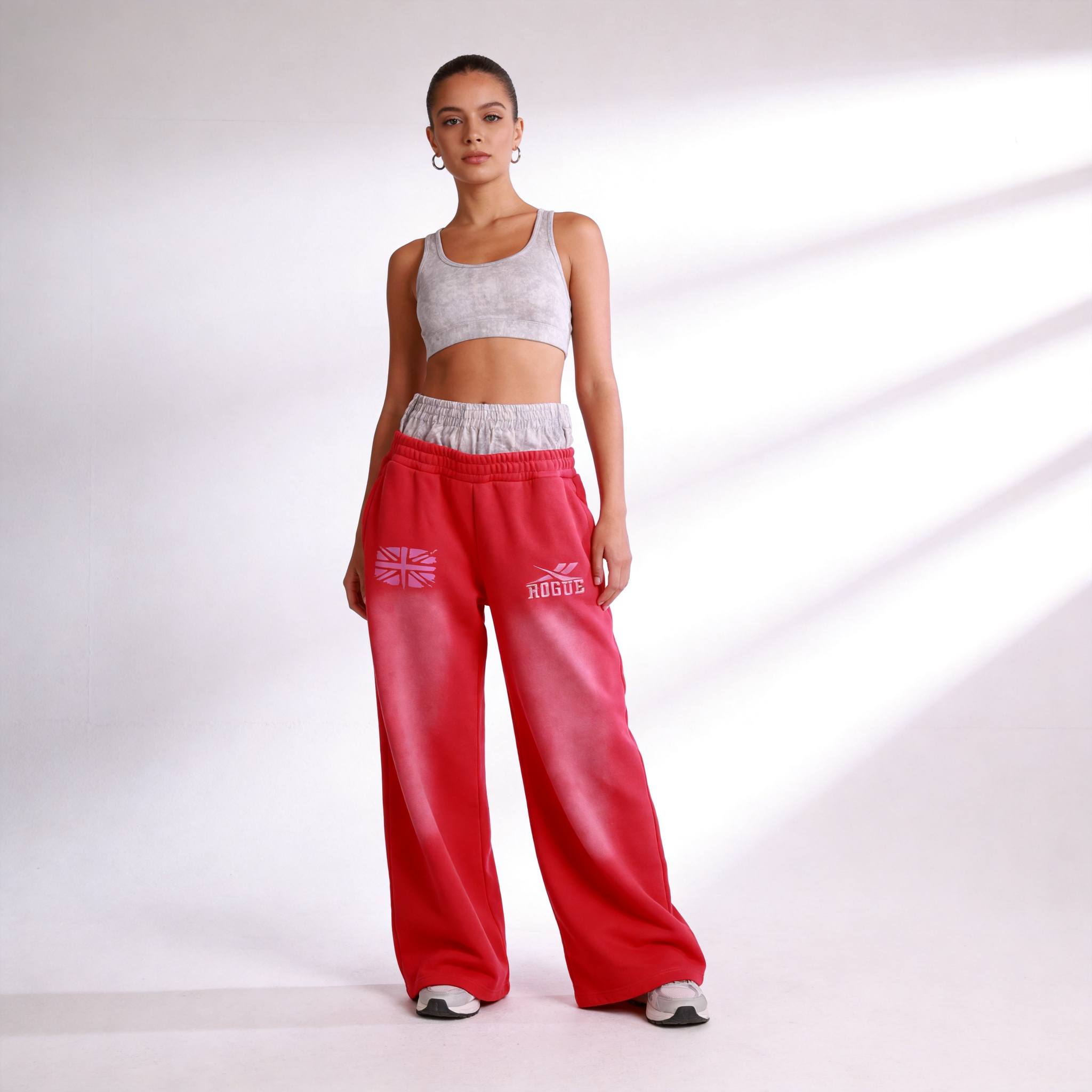
Every customer touchpoint should feel cohesive: website design, product photography, packaging, social media aesthetic, and customer service tone. Invest in professional product photography or learn basic iPhone photography using natural lighting. Brands with cohesive visual identities achieve 23% higher engagement rates on Instagram.
Community Building
Engage authentically on Instagram, TikTok, and Pinterest. Share behind-the-scenes content showing manufacturing processes and customer photos wearing your products. Respond to comments and DMs personally.
Unboxing Experience
Packaging creates memorable moments customers share on social media. Include branded tissue paper, a handwritten thank-you note, or small surprise items like stickers or pins. These details cost $1-3 per order but generate organic social media posts and repeat purchases.
Launch Strategy: Pre-Orders, Inventory, and Market Entry Tactics
Before committing to bulk production, run a pre-order campaign. Announce your collection 2-3 weeks before manufacturing begins. Offer pre-orders at a slight discount (10-15%) to incentivize early commitment. This validates actual demand, generates cash to fund manufacturing, and builds anticipation through scarcity.
Calculate your production run based on pre-orders plus 20-30% buffer for direct sales post-launch. Negotiate payment terms with manufacturers—some allow 50% upfront, 50% before shipment, reducing cash flow pressure.
Send 5-10 free samples to micro-influencers (10K-100K followers) in your niche 2-3 weeks before launch. Micro-influencers often have higher engagement rates than mega-influencers and feel more trustworthy. Track which influencers drive actual sales using unique discount codes.
Avoid launching during major shopping events like Black Friday. Instead, launch during slower periods (January, March, September) when your content has better organic visibility. Continue posting 3-4 times weekly showing customer photos, new designs, and behind-the-scenes content.
Scaling, Profitability & Long-Term Brand Growth Framework
Key Growth Metrics:
- Breakeven Point: Most apparel brands achieve profitability after selling 500-2,000 units depending on price point and marketing spend
- Profit Margins: Successful direct-to-consumer apparel brands maintain 40-60% gross margins after COGS and fulfillment costs
- Customer Acquisition Cost: Sustainable apparel brands target CAC under 20% of first purchase value; organic and referral channels reduce this to 5-10%
- Inventory Turnover: High-performing brands sell 70-85% of initial inventory within 60 days
- Product Line Expansion: Brands adding 2-3 new designs per quarter see 25-40% revenue growth
Reinvest early profits into inventory expansion and paid marketing through Instagram and TikTok ads. Start with 3-5 core designs, then add 2-3 new designs quarterly based on customer feedback. Explore new product categories and international markets like Canada, UK, Australia, and EU.
FAQ
Q1: How much money do I need to start an apparel brand?
Private label brands launch for $1,000-3,000 covering samples, initial inventory, and basic branding. OEM brands typically need $5,000-15,000 for design development, sampling, and first production run. Add $2,000-5,000 for website setup, product photography, and initial marketing. Many successful brands start lean and reinvest profits rather than seeking external funding.
Q2: What’s the best manufacturing location—China, Vietnam, or elsewhere?
China remains dominant for apparel manufacturing due to established supply chains, skilled labor, and scalability. Vietnam, Indonesia, and Bangladesh offer competitive pricing for basic garments. For low-MOQ production and fast turnaround, China (especially Dongguan) is optimal. Language barriers cause costly delays—prioritize manufacturers’ communication quality and English proficiency.
Q3: How long does it take from design to first sale?
Typical timeline: 2-3 weeks for sampling, 4-8 weeks for bulk production, 1-2 weeks for international shipping. Total: 2-4 months from finalized design to receiving inventory. Add 2-3 weeks for pre-order marketing before production starts.
Q4: Should I use print-on-demand or traditional manufacturing?
Print-on-demand platforms like Printful offer zero inventory risk and fast launches—ideal for testing concepts without capital investment. However, unit costs run 2-3x higher, limiting profit margins to 20-30% versus 40-60% with traditional manufacturing. Most successful brands start with print-on-demand for market validation, then switch to traditional manufacturing once demand is proven.
Q5: How do I protect my designs and brand name?
Register your business entity (LLC or sole proprietorship) in your state or country. Trademark your brand name and logo ($300-1,500 via USPTO) to prevent competitors from using similar marks. Copyright protections apply automatically to original designs, though formal registration ($55 per work) strengthens legal position if infringement occurs.
Sources
- Printful — How to Start a Clothing Brand in 2026 — comprehensive guide covering brand identity, audience definition, and legal setup
- Printify — Custom Clothing Design Platform — print-on-demand model overview and product customization tools
- Wix — How to Start a Clothing Business — 10-step framework covering brand design, business registration, and eCommerce setup
- ZORWILD — 27 years manufacturing experience, low-MOQ OEM production
Written by Alin Zeng (27 Years of Master Craftsmanship & Pattern Making, Global OEM & Streetwear Customization Excellence, End-to-End Supply Chain & One-Stop Production, High-Efficiency Cost Control, Incubating 2,000+ Fashion Brands from Scratch). Last reviewed 2026-06-19.