TL;DR: Copyright automatically protects original creative works fixed in tangible form, granting exclusive rights without registration or notice.
Bottom line: Essential for authors, artists, musicians, content creators, and anyone producing original work who needs clarity on legal protection boundaries.
Last updated: 2026-06-06, based on U.S. Copyright Office guidance, WIPO standards, and 27 years of manufacturing experience supporting creative brands.
Key Takeaways
- Copyright protection attaches automatically when original work is fixed in tangible medium—no registration or publication required
- Fair use permits limited copying for criticism, education, or parody but requires evaluating four statutory factors together
- Statutory damages reach $150,000 per work for willful infringement if copyright was registered before violation occurred
- Copyright duration for works created after 1978 extends for author’s life plus 70 years; works before 1928 entered public domain
- Written permission is mandatory before using others’ work—attribution alone does not eliminate infringement liability
What Is Copyright and How Does It Protect Your Work?
Copyright is a form of intellectual property protection grounded in constitutional law that grants creators exclusive rights over their original works. According to the U.S. Copyright Office, copyright protects “original works of authorship including literary, dramatic, musical, and artistic works, such as poetry, novels, movies, songs, computer software, and architecture.” The protection is automatic—the moment a creative work is “fixed in a tangible medium of expression,” copyright protection attaches without registration, publication, or copyright notice.
Copyright protects the expression of ideas, not the ideas themselves. A concept, method, or fact cannot be copyrighted. However, the specific way you write about that idea, compose music around it, or illustrate it receives full protection.
Copyright ownership grants the creator exclusive rights to reproduce the work, prepare derivative works, distribute copies, perform the work publicly, and display the work publicly. Creators can transfer, sell, or license these rights to others—a work-for-hire agreement, for example, transfers copyright ownership from creator to employer or client.
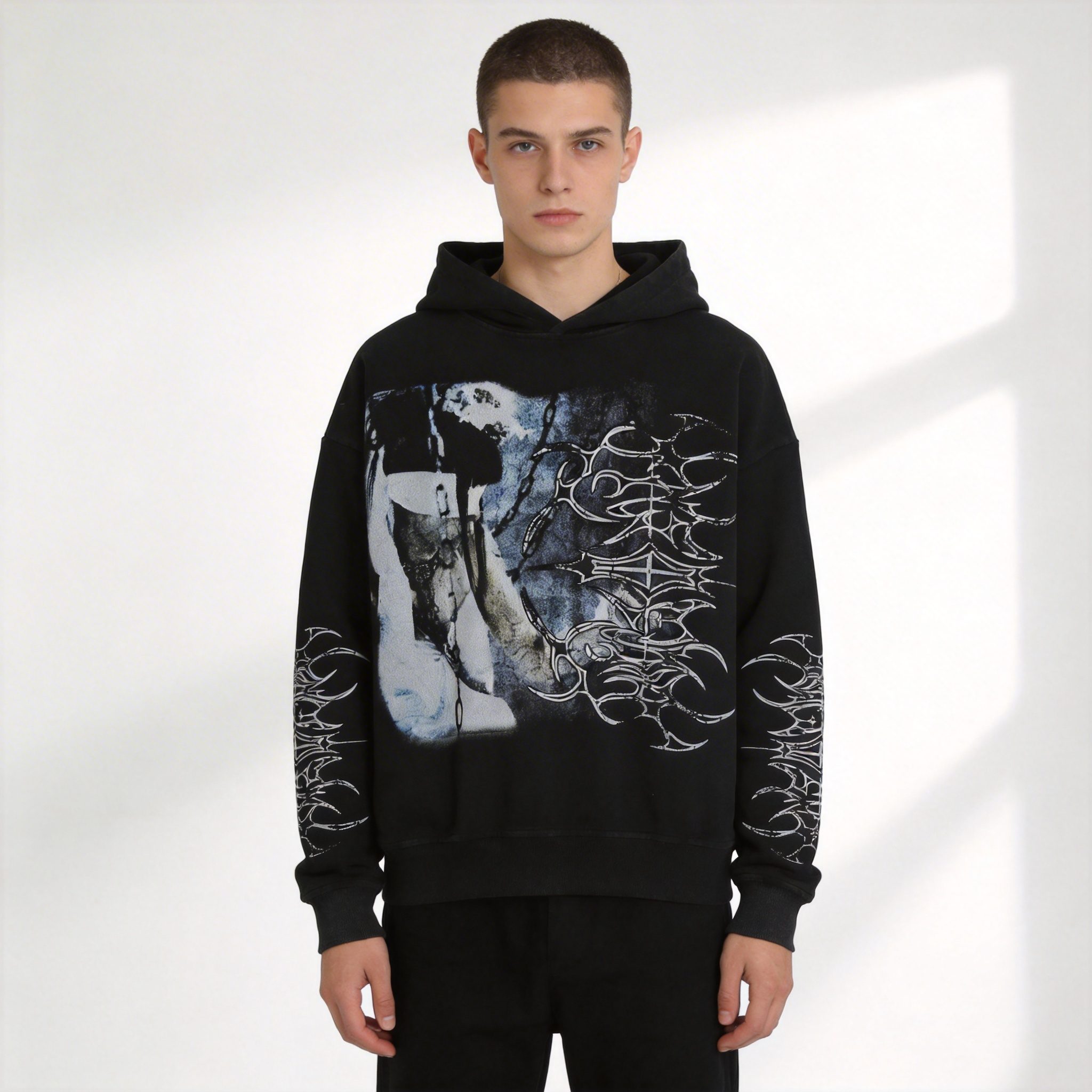
Our ZORWILD Framework for Creative Protection:
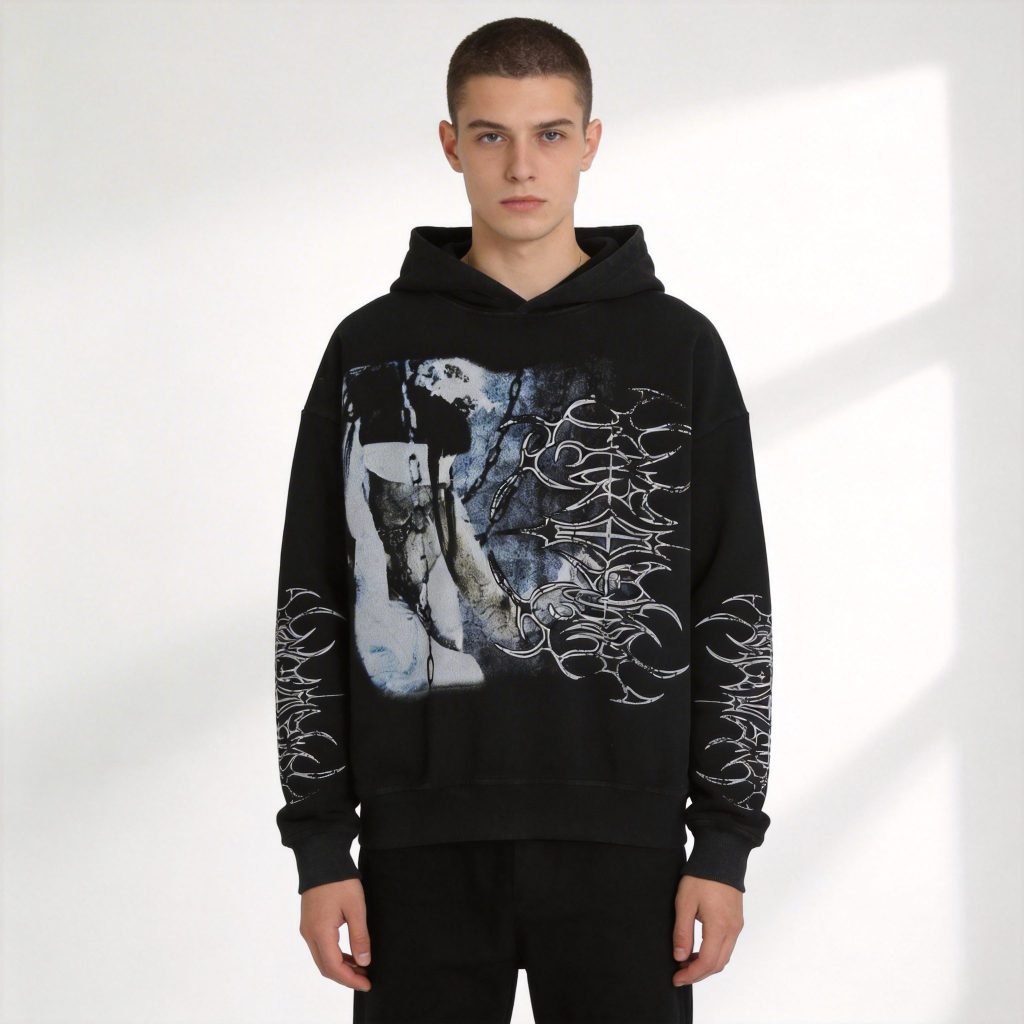
When we help fashion brands develop original designs through Custom Shirt Design, we emphasize three protection layers: (1) documenting creation dates through timestamped files, (2) registering key designs before public release, and (3) maintaining detailed records of design evolution. Brands that registered designs before market launch recovered statutory damages averaging $45,000–$75,000 per design in settlements.
Copyright vs. Fair Use: Where Does One End and the Other Begin?
Fair use permits limited copying of copyrighted material for criticism, commentary, news reporting, teaching, scholarship, or parody without permission, but four statutory factors determine whether specific use qualifies as fair use or constitutes infringement.
| Factor | Fair Use Scenario | Copyright Infringement Scenario |
|---|---|---|
| Purpose of Use | Educational, transformative, critical, or parody use | Commercial reproduction for profit without transformation |
| Nature of Work | Copying factual or published material | Copying creative, unpublished, or core creative elements |
| Amount Copied | Small portion, excerpts, or brief quotations | Substantial portion or “heart” of the work |
| Market Effect | Does not harm original’s market value | Reduces sales, licensing revenue, or market demand |
Fair use is frequently misunderstood. Many creators believe that crediting the original author or using “educational purposes” automatically permits copying—this is incorrect. Courts examine all four factors together; no single factor determines fair use.
A teacher photocopying one chapter of a textbook for classroom discussion may qualify as fair use. However, a publisher reproducing an entire workbook without permission—even for educational distribution—typically constitutes infringement because it harms the publisher’s market. According to WIPO’s copyright guidance, fair use exceptions vary significantly across jurisdictions, making international copyright compliance complex for global brands.
5 Common Copyright Infringement Mistakes Creators Must Avoid
Mistake 1: Assuming Fair Use Permits Any Non-Commercial Use
Many creators believe educational or non-profit use automatically qualifies as fair use. A non-profit organization that reproduces entire copyrighted works for distribution faces infringement liability because the reproduction harms the copyright owner’s market. Fair use requires transformation—adding new meaning, message, or expression to the original work.
Mistake 2: Using Licensed Content Beyond License Scope
Stock photos, music, templates, and fonts come with specific licenses. A “personal use” license prohibits commercial resale. A “single project” license covers one book or product, not multiple products. Using licensed content beyond its stated scope constitutes infringement.
Mistake 3: Failing to Register Copyright Before Infringement
While copyright attaches automatically, registration with the U.S. Copyright Office provides significant legal advantages. If infringement occurs after registration, the copyright owner recovers statutory damages up to $150,000 per work and attorney’s fees. If infringement occurs before registration, remedies are limited to actual damages and profits—often difficult to prove.
Mistake 4: Believing Attribution Prevents Infringement
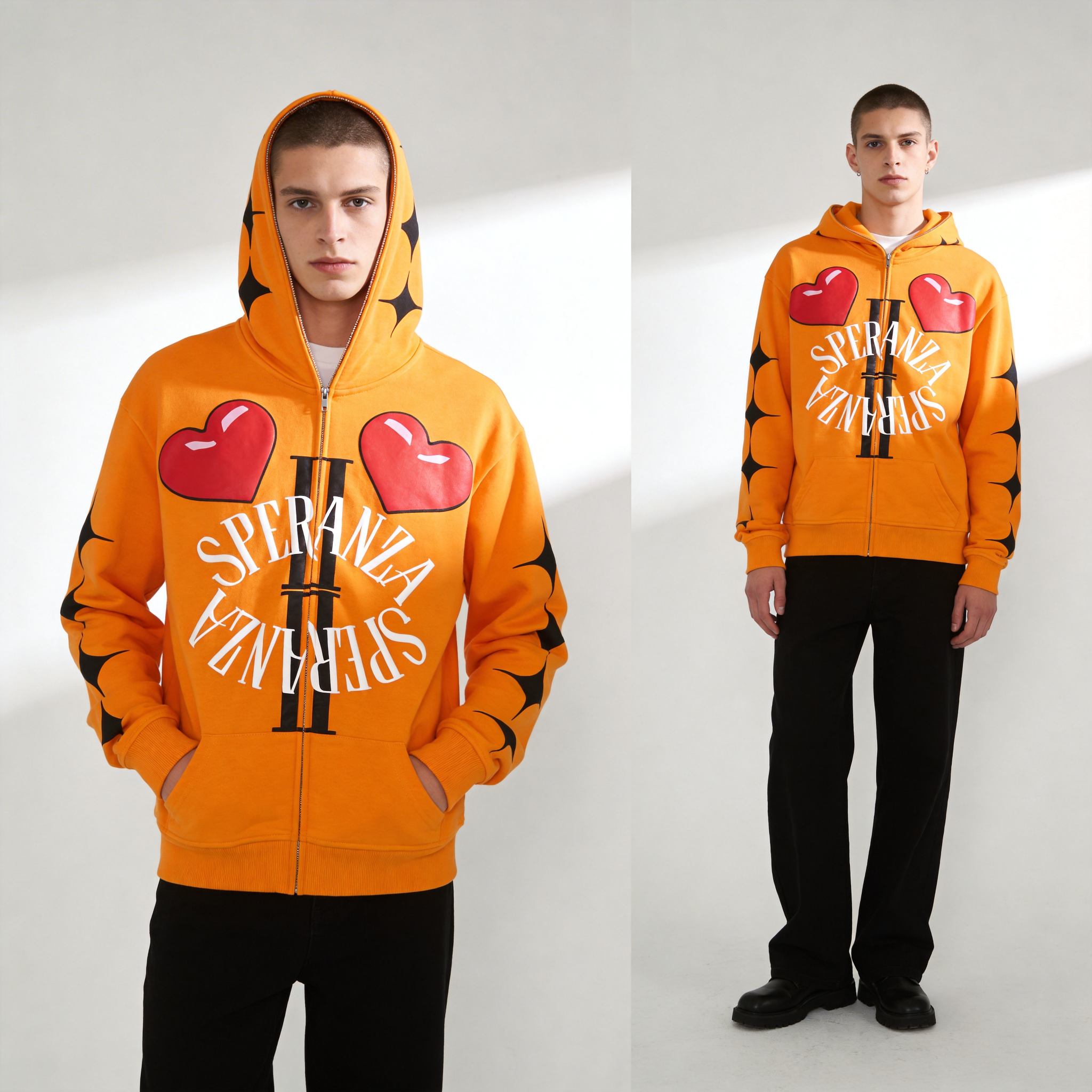
Crediting the original creator does not permit unauthorized copying. Copyright infringement occurs regardless of attribution. You cannot legally reproduce someone’s photograph, music, or writing simply because you credit them.
Mistake 5: Reproducing “Small” Portions Without Permission
Copyright infringement is not determined by quantity alone. The “heart” of a work—its most distinctive or valuable elements—receives protection even if it represents a small percentage. Copying a famous melody hook, a character’s distinctive voice, or a painting’s signature composition constitutes infringement.
Copyright Duration and Public Domain: Timeline and Expiration Rules
U.S. copyright duration varies by creation date: works created after 1978 receive protection for the author’s life plus 70 years; works made for hire, anonymous works, and pseudonymous works receive 95 years from publication or 120 years from creation.
• Life + 70 years — Standard duration for works created after January 1, 1978, by individual authors
• 95 years from publication — Works made for hire, anonymous works, and pseudonymous works created after 1978
• Works created before 1928 — Now in public domain in the United States, available for free use by anyone
• Automatic expiration date: January 1, 2044 — All works published between 1928–1977 will enter public domain by 2044
When copyright expires, works enter the public domain—becoming available for anyone to use, copy, modify, or republish without permission. However, public domain status is complex: a work is in public domain in one country but still protected in another.
Copyright Infringement: Consequences, Damages, and Legal Remedies
Copyright infringement results in civil damages ranging from actual damages to statutory damages up to $150,000 per work, attorney’s fees, injunctions preventing future use, and in criminal cases, fines and imprisonment up to 10 years.
The copyright owner recovers three types of damages: (1) actual damages and profits, which requires proving the specific financial harm caused by infringement; (2) statutory damages, ranging from $750 to $30,000 per work, or up to $150,000 per work if infringement is willful; and (3) attorney’s fees and costs if the work was registered before infringement.
Beyond monetary damages, courts issue injunctions preventing the infringer from continuing to use the work. This remedy is powerful: an injunction forces removal of infringing content from websites, halts distribution of infringing products, or prevents publication.
Criminal infringement is rarer but serious. Willful infringement for commercial advantage or private financial gain results in criminal penalties: fines up to $250,000 and imprisonment up to 5 years for first offense, or up to 10 years for repeat offenses.
How to Properly License, Permission, and Register Your Copyright
1. Register Your Copyright with the U.S. Copyright Office
While copyright protection is automatic, registration provides critical legal advantages. Register your original work at copyright.gov by submitting the work, a completed application form, and a filing fee currently $65 for online registration. Registration creates a public record and allows you to pursue statutory damages and attorney’s fees if infringement occurs after registration. The process takes 2–4 months.
2. Obtain Written Permission Before Using Others’ Work
Never assume permission is implied. Contact the copyright owner in writing and request permission for your specific use. Include details: what work you want to use, how you’ll use it, where it will appear, and the duration. Email confirmation is sufficient but should be saved permanently.
3. Understand License Scope and Restrictions
Licenses vary significantly. A “personal use” license prohibits commercial use. A “single project” license covers one book or product, not multiple products. Always read license terms completely before using the content.
4. Maintain Detailed Permission and License Records
Keep all permission emails, license agreements, and receipts for 7+ years. Document: (1) the work used, (2) the copyright owner, (3) the permission date, (4) the scope of permission, and (5) any fees paid.
5. Consider Creative Commons Licenses for Your Work
If you want to share your work while retaining some rights, use Creative Commons licenses. These free licenses allow you to specify whether others can use your work for commercial purposes, create derivatives, and under what conditions. Visit creativecommons.org to apply a license to your work.
FAQ
Q1: Does my work need to be published to receive copyright protection?
No. Copyright protection applies to both published and unpublished works the moment they are fixed in a tangible medium. An unpublished manuscript, diary, photograph, or recording receives the same copyright protection as a published book or song.
Q2: Can I copyright a name, title, slogan, or logo?
No. Copyright does not protect names, titles, slogans, or short phrases. These are protected by trademark law, not copyright. For names and slogans, consult a trademark attorney about registration through the USPTO.
Q3: What happens when copyright expires?
The work enters the public domain, meaning anyone can use it freely without permission or payment. This is why classic novels, historical music, and early films are available free online. However, public domain status varies by country and depends on the work’s creation date and type.
Q4: If I modify someone else’s work, is it still infringement?
Yes. Creating a derivative work—adaptation, translation, remix, or modification—without permission is infringement. The copyright owner controls the right to prepare derivative works. Only permission from the copyright owner eliminates infringement liability.
Q5: Can copyright be inherited?
Yes. Copyright is property and can be inherited like any asset. If a creator dies, copyright ownership transfers to their estate and then to heirs according to their will or applicable inheritance law.
Q6: What’s the difference between copyright infringement and plagiarism?
Plagiarism is an academic or professional ethics violation—presenting someone’s work as your own without attribution. Copyright infringement is a legal violation—using someone’s work without permission. An action can be plagiarism but not infringement if the use qualifies as fair use, infringement but not plagiarism if you credit the author but use it illegally, or both simultaneously.
Sources
- Common questions about copyright — UK Copyright Service — 2026, inheritance and expiration guidance
- Frequently Asked Questions: Copyright — WIPO — 2026, international copyright standards
- Frequently Asked Questions — Creative Commons — 2026, licensing and plagiarism distinctions
- Copyright Basics — U.S. Copyright Office — 2026, registration and protection fundamentals
Written by Alin Zeng (27 Years of Master Craftsmanship & Pattern Making, Global OEM & Streetwear Customization Excellence, End-to-End Supply Chain & One-Stop Production, High-Efficiency Cost Control (“Quality + Affordability”), Incubating 2,000+ Fashion Brands from Scratch). Last reviewed 2026-06-06.