TL;DR: High-quality custom embroidery requires professional digitizing, correct backing selection, precision machinery, simplified design principles, and rigorous multi-stage quality inspection.
Bottom line: For fashion brands, wholesalers, and startups seeking durable, visually striking embroidered apparel—not DIY hobbyists or one-off projects.
Last updated: 2026-06-11, based on 27 years of apparel manufacturing experience across 2,000+ fashion brand partnerships.
Key Takeaways
- Professional digitizing converts artwork into stitch files—poor digitization guarantees embroidery failure regardless of machine quality.
- Backing selection determines fabric stability; wrong backing causes puckering, distortion, and design collapse within weeks.
- Embroidery threads come in solid colors only—designs must use solid colors, bold lines (2mm+), and high contrast to remain legible.
- Multi-stage quality inspection (incoming material, in-line production, final product) separates professional providers from casual decorators.
- Experienced embroidery partners ask detailed questions about fabric type, garment category, and durability requirements before accepting orders.
Professional Digitizing & Design Preparation
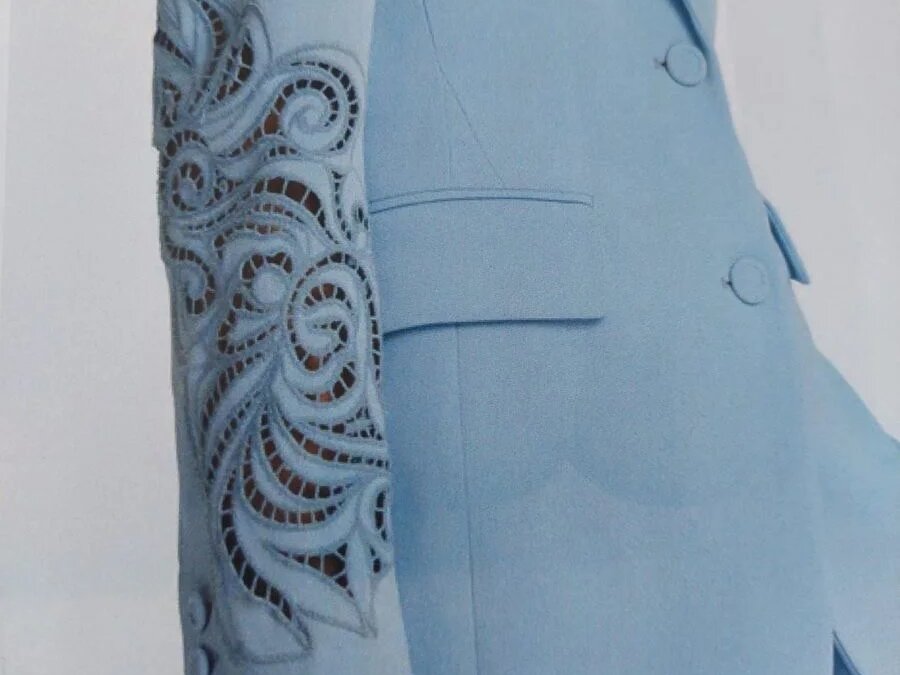
Professional digitizing translates digital artwork into machine-readable stitch files, determining whether custom embroidery achieves precision or fails catastrophically. Digitizing requires specialized software and experienced technicians who understand thread behavior, stitch density optimization, and fabric interaction dynamics.
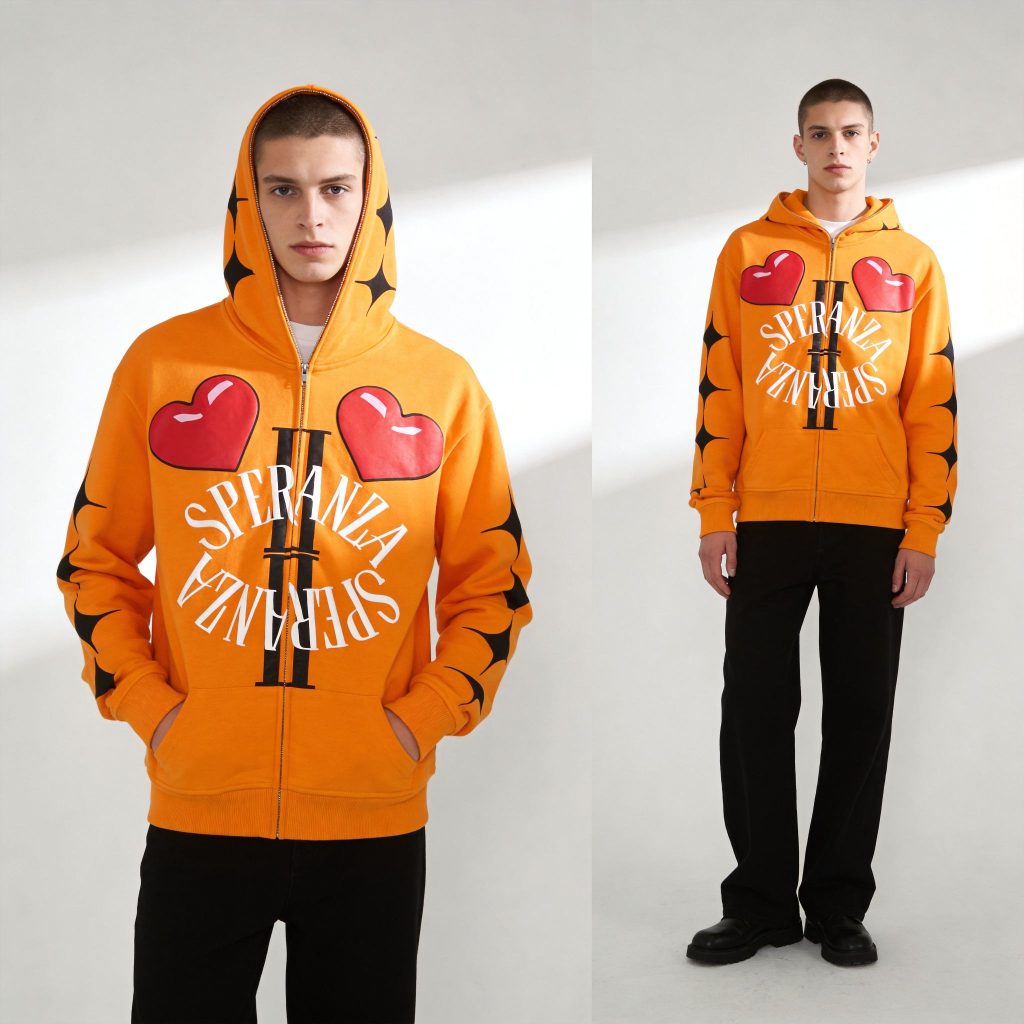
Design simplification is critical because embroidery operates under constraints that printing does not. Complex gradients, thin lines below 2mm, and halftone effects cannot translate to thread. Bold lines and solid colors produce superior embroidery that remains striking after hundreds of wash cycles. Achieving Detail in Custom Embroidery Designs emphasizes that simplicity preserves brand intent while working within thread’s physical limitations.
Artwork review catches problematic details before production begins. Small lettering below 8pt, intricate script fonts, and photorealistic elements fail when converted to stitches. Experienced digitizers identify these issues during consultation and suggest modifications that preserve design integrity. They ask about fabric type (woven vs. knit), garment category (heavyweight hoodies vs. lightweight shirts), and intended use (fashion branding vs. workwear durability).
Every project receives a three-phase review—artwork feasibility assessment, test digitization on sample fabric, and client approval before bulk production. This workflow prevents discovering design problems after cutting 500 garments. We maintain a library of thread color standards, fabric-specific stitch parameters, and garment-category templates developed across 27 years of production.
Backing Selection & Fabric Stabilization
Backing selection determines whether embroidered designs maintain structural integrity or collapse into puckered, distorted failures. Backing provides the foundation supporting stitches during machine operation, preventing fabric shifting and maintaining shape throughout production. Different fabric types require different backing weights and compositions.
Improper hooping compounds backing errors. Fabric must be stretched evenly within the hoop frame without distortion or slack. Uneven tension causes registration errors where multi-color designs misalign.
| Fabric Type | Backing Type | Purpose | Result |
|---|---|---|---|
| Lightweight cotton/blends | Tear-away or wash-away | Temporary support during stitching | Clean finish, no residue |
| Stretch fabrics | Cut-away permanent | Ongoing support for elastic materials | Prevents distortion, maintains elasticity |
| Knits/jersey | Knit-specific stabilizer | Prevents runs and puckering | Professional appearance on body-hugging garments |
Quality stabilizers prevent fabric shifting and maintain design shape throughout stitching. Back To The Basics To Create High Quality Embroidery Designs confirms that backing selection directly impacts long-term embroidery durability—designs stitched with improper backing fail within 10-20 wash cycles.
Machine Quality & Stitching Precision
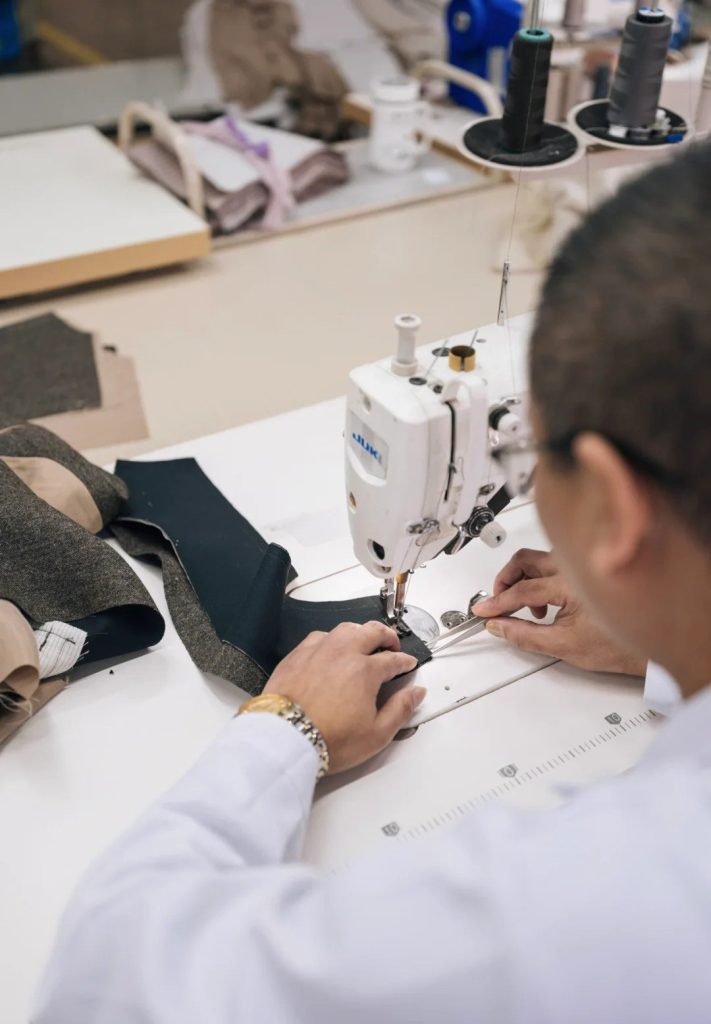
Commercial embroidery machines cost significantly more than consumer models but deliver repeatable results across thousands of garments without mechanical drift. Regular servicing by qualified technicians prevents thread breaks, needle deflection, and timing errors. Machines require professional maintenance every 3-6 months depending on production volume.
Stitch density optimization prevents puckering while maintaining durability. Excessive stitch density creates stiff, board-like embroidery that damages fabric. Insufficient density produces weak designs that fray after minimal wear.
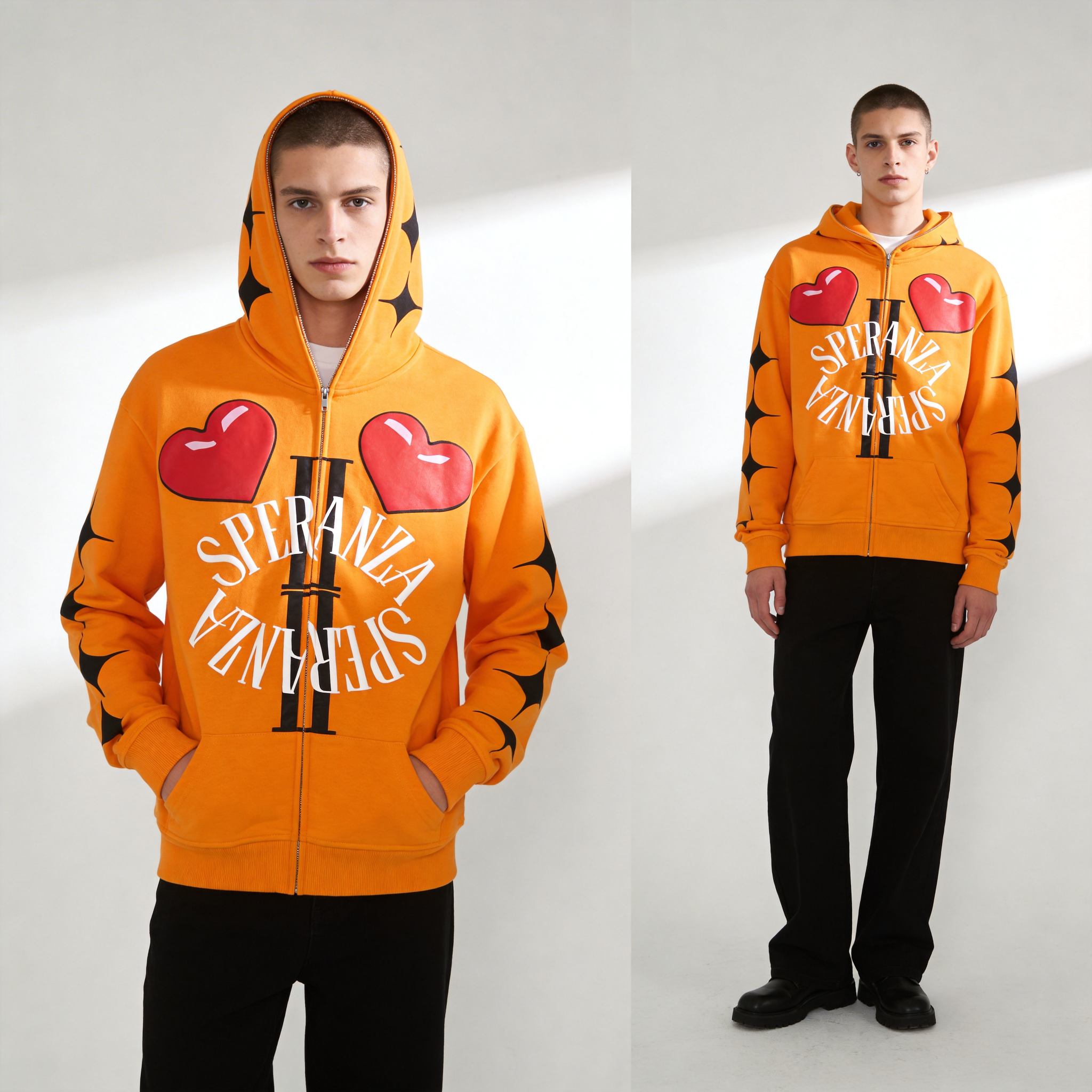
Needle selection directly affects thread quality and fabric interaction. Premium needles maintain sharp points longer, reducing fabric damage and thread fraying. Needle size must match thread weight—using 75/11 needles with heavyweight thread causes breaks; using 90/14 needles on lightweight fabric creates visible puncture holes. We replace needles every 8-10 hours of production regardless of visible wear.
Thread tension calibration ensures uniform stitching without gaps, tangles, or uneven appearance. High-quality embroidery thread resists breakage and maintains color consistency across production batches.
Design Simplification & Thread Limitations
Embroidery threads come in solid colors and cannot blend like ink—successful designs embrace simplicity, bold lines, and high color contrast. Unlike screen printing or DTG, embroidery cannot reproduce gradients, halftones, or subtle color transitions.
Small fonts and intricate details become illegible when translated to thread. Text below 8pt loses clarity; script fonts with thin strokes appear broken or jagged. 6 Top Custom Embroidery Tips recommends sans-serif fonts at 10pt minimum for optimal readability.
| Design Element | Embroidery-Friendly | Not Recommended | Reason |
|---|---|---|---|
| Lettering | Sans-serif, 10pt+ | Script fonts, <8pt | Readability and thread clarity |
| Lines | Bold (2mm+) | Thin hairlines | Thin lines get lost or appear jagged |
| Colors | Solid, high contrast | Gradients, halftones | Thread cannot blend or fade gradually |
| Shapes | Simple geometric forms | Photorealistic detail | Thread resolution limits fine detail |
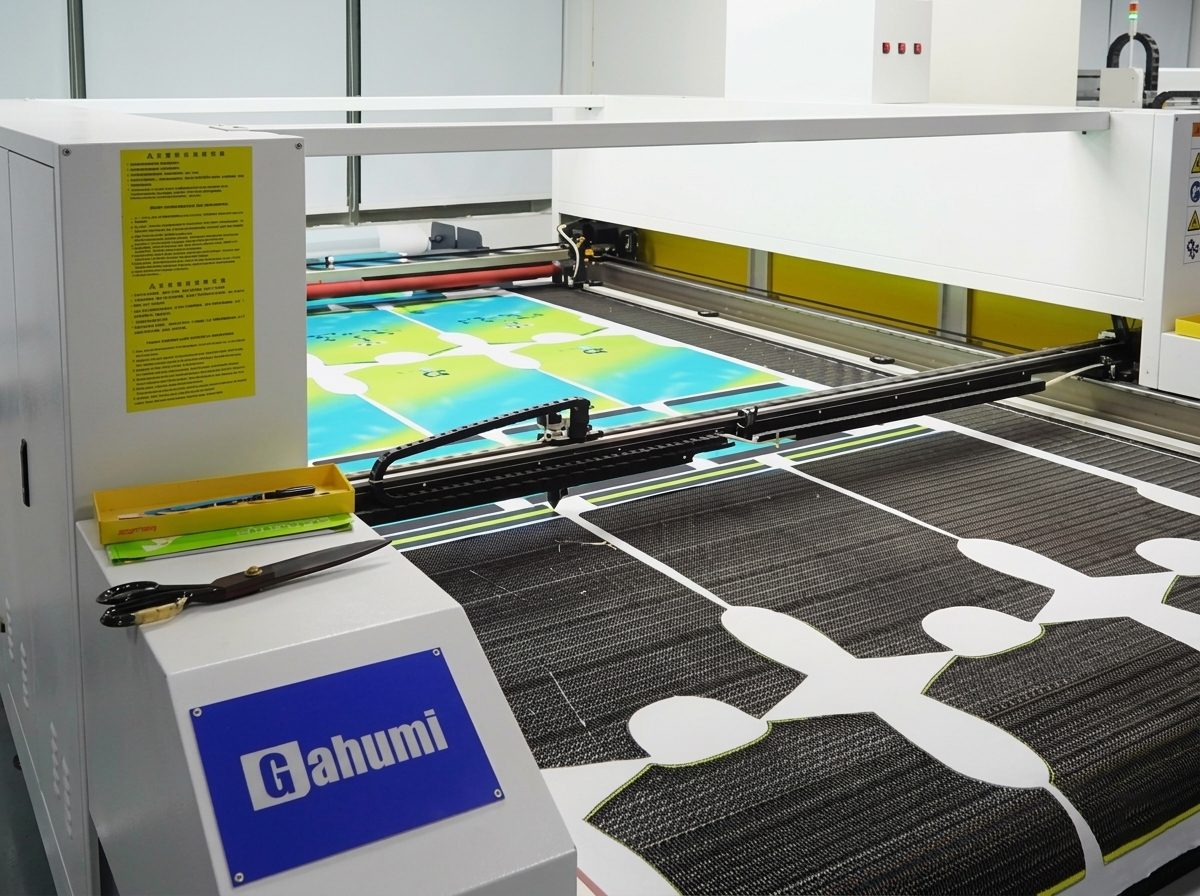
Professional embroiderers guide clients toward design modifications that preserve brand intent while ensuring technical feasibility.
Quality Inspection & Production Monitoring
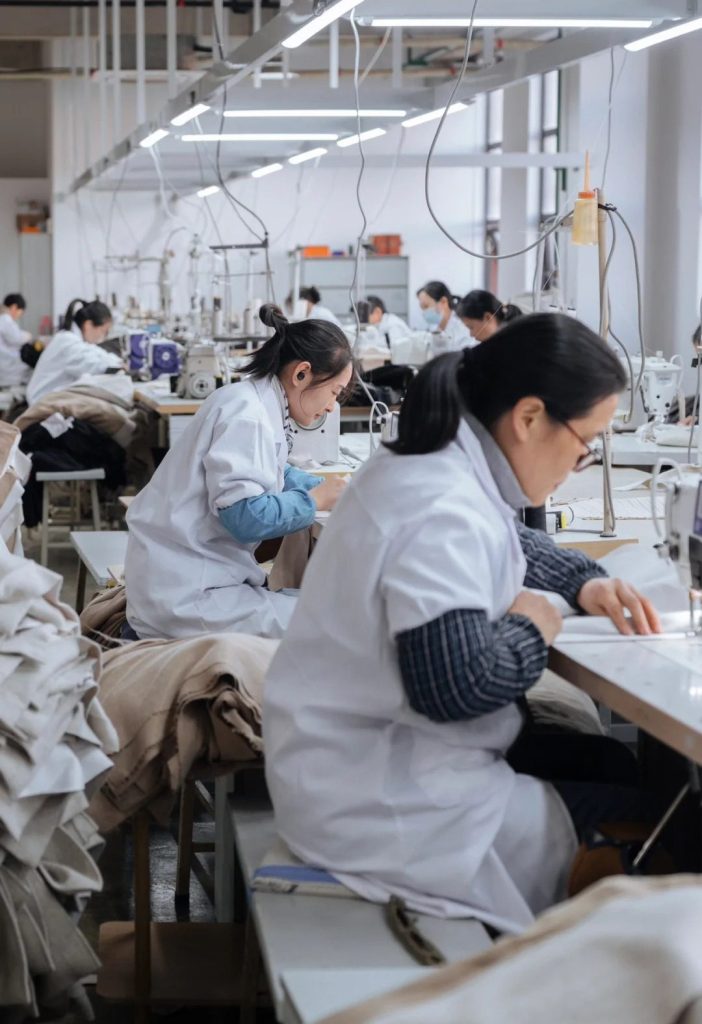
Rigorous multi-stage quality inspection—from incoming fabric to final packaging—ensures every embroidered garment meets professional standards. Raw material inspection verifies fabric quality, color consistency, and absence of defects before production begins. Thread spools are verified for color match against approved standards using Pantone reference cards.
In-line production monitoring catches stitching errors, tension problems, and design misalignment during embroidery. Supervisors monitor machines throughout production, checking stitch consistency every 50-100 garments.
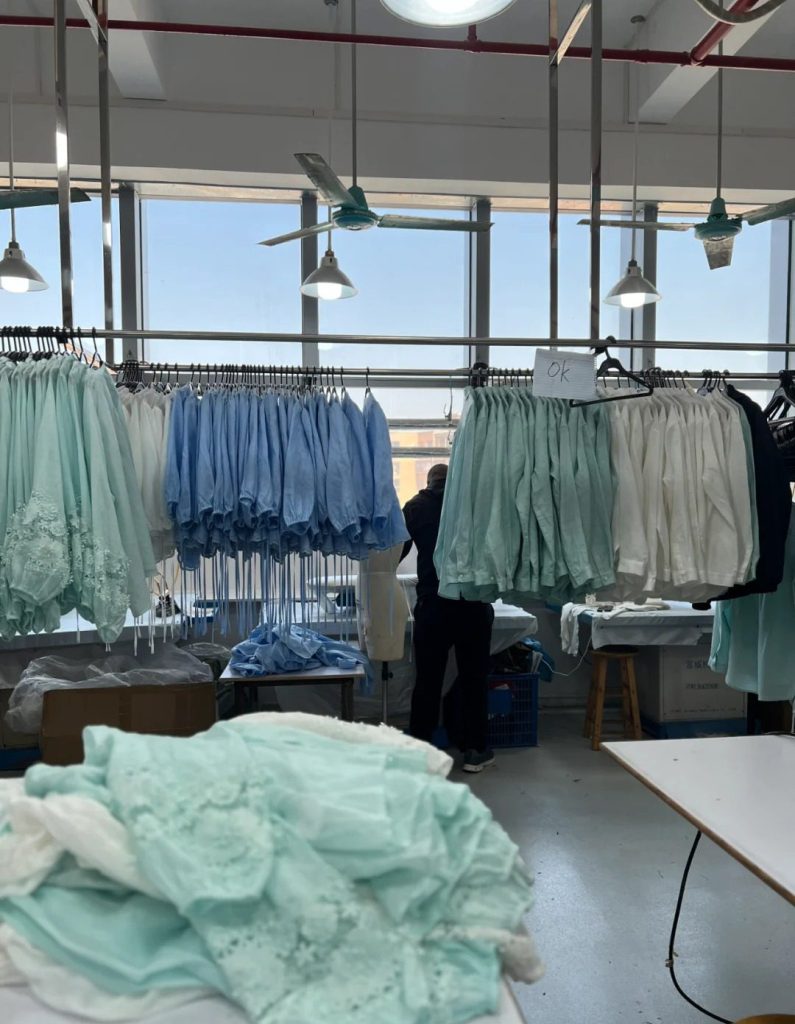
Final inspection evaluates stitch uniformity, thread coverage, color accuracy, and durability. Every completed garment receives detailed inspection: stitching uniformity across design elements, thread coverage completeness without gaps, color consistency matching approved samples, measurement accuracy for design placement, and backing removal quality.
Measurement verification confirms design placement, size, and positioning matches approved samples. Left chest logos must sit 7-9cm from shoulder seam and 10-12cm from center front—variations outside these tolerances fail inspection.
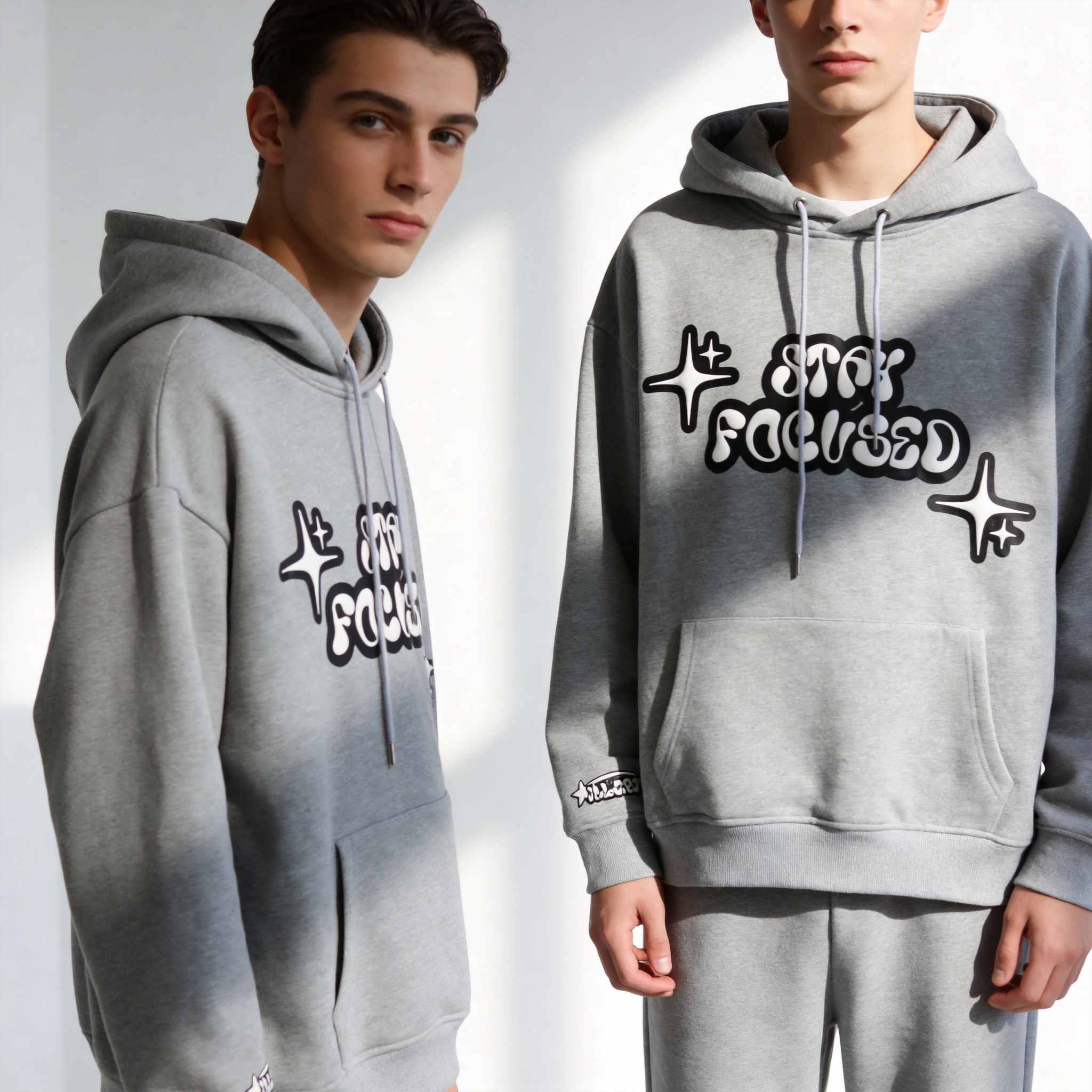
Finishing processes complete the professional appearance. Pressing removes hoop marks and sets stitches. Loose thread trimming eliminates stray fibers. Care labeling provides washing instructions that preserve embroidery quality.
Partnering with Experienced Embroidery Providers
Experienced embroidery providers invest in professional-grade machinery, skilled technicians, and quality management systems that casual decorators cannot match. Professional embroiderers ask detailed questions about your project: fabric type, garment category, design complexity, intended durability, care instructions, and production volume.
References and client testimonials verify reliability, problem-solving capability, and customer satisfaction across production runs. Long-term partnerships with quality providers reduce learning curves, improve design translation, and ensure brand consistency across multiple production batches.
Experienced providers maintain relationships with quality fabric suppliers, thread manufacturers, and backing specialists, ensuring material consistency across orders. They stock 200+ thread colors, eliminating delays for custom color matching. They invest in backup machinery preventing production halts from equipment failures.
ZORWILD has served 2,000+ fashion brands across 27 years because we approach embroidery as partnership, not transaction. Our digitizing team reviews artwork within 24 hours, proposing modifications before clients waste money on unusable designs. Our production managers maintain direct communication channels, providing real-time updates when issues arise. This operational philosophy—treating every client’s brand reputation as seriously as our own—explains why 60% of our business comes from repeat clients.
FAQ
Q1: What’s the difference between embroidery digitizing and regular graphic design?
Graphic design creates artwork for printing or display; digitizing converts that artwork into machine-readable stitch files. Digitizers must understand thread behavior, stitch density, fabric interaction, and embroidery machine capabilities.
Q2: How do I know if my design is too complex for embroidery?
Designs with thin lines below 2mm, small text below 8pt, gradients, halftones, or photorealistic detail are problematic. Bold geometric shapes, solid colors, and high contrast work best. Professional embroiderers can assess feasibility and suggest simplifications.
Q3: Why does backing matter so much?
Backing stabilizes fabric during stitching, preventing puckering, distortion, and design failure. Wrong backing causes garments to fail within 10-20 wash cycles. Stretch fabrics require permanent cut-away backing; lightweight cotton uses tear-away backing.
Q4: How can I ensure color consistency across multiple production runs?
Work with providers who maintain thread color standards, use consistent fabric batches, and keep detailed production documentation. Request color-matched thread samples before production begins.
Q5: What should I look for when choosing an embroidery provider?
Evaluate equipment quality, technician experience, portfolio diversity, quality inspection processes, communication responsiveness, and client references. Premium providers invest in professional systems—expect to pay 20-40% more than budget decorators, but receive embroidery that survives 100+ wash cycles.
Sources
- Silk Digitizing — Achieving Detail in Custom Embroidery Designs
- The Embroidery Coach — Back To The Basics To Create High Quality Embroidery Designs
- CNA Embroidery — 6 Top Custom Embroidery Tips
Written by Alin Zeng (27 Years of Master Craftsmanship & Pattern Making, Global OEM & Streetwear Customization Excellence, End-to-End Supply Chain & One-Stop Production, High-Efficiency Cost Control (“Quality + Affordability”), Incubating 2,000+ Fashion Brands from Scratch). Last reviewed 2026-06-11.
Author: ZORWILD Apparel Manufacturing
Website: https://www.zorwild.com/
Contact: [email protected] | +86 137 1325 2727
ZORWILD specializes in custom embroidery services for fashion brands, offering professional digitizing, advanced stitching capabilities, and rigorous quality control across 27+ years of apparel manufacturing experience.