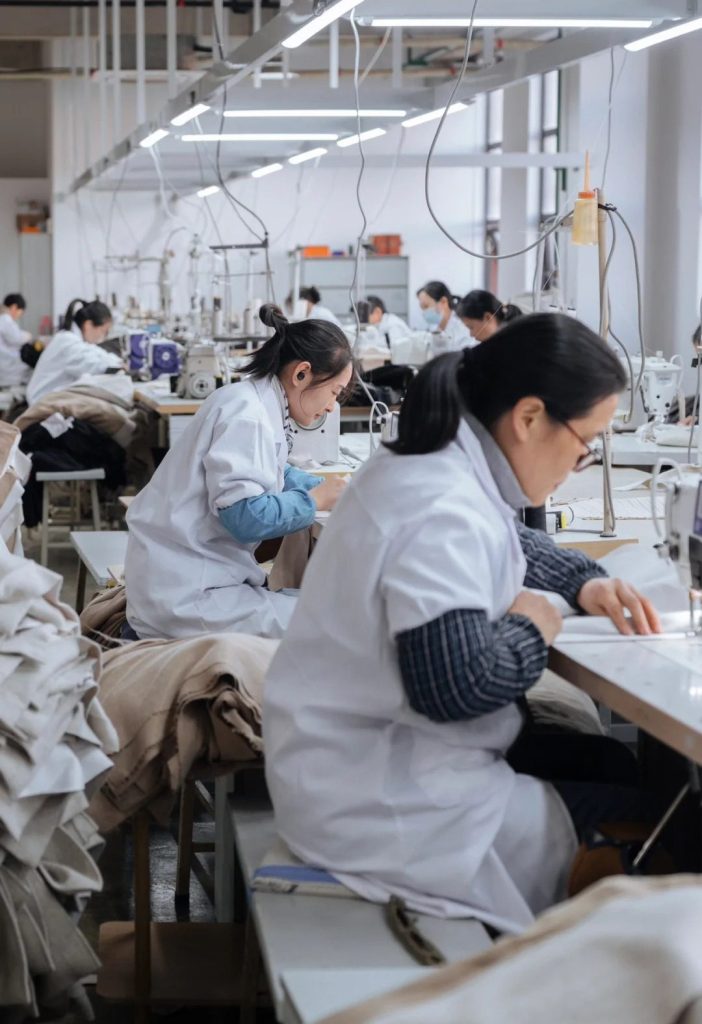
TL;DR: Custom embroidery transforms apparel into premium branding tools by stitching dimensional logos that convey sophistication, withstand 500+ wash cycles, and trigger instant brand recognition.
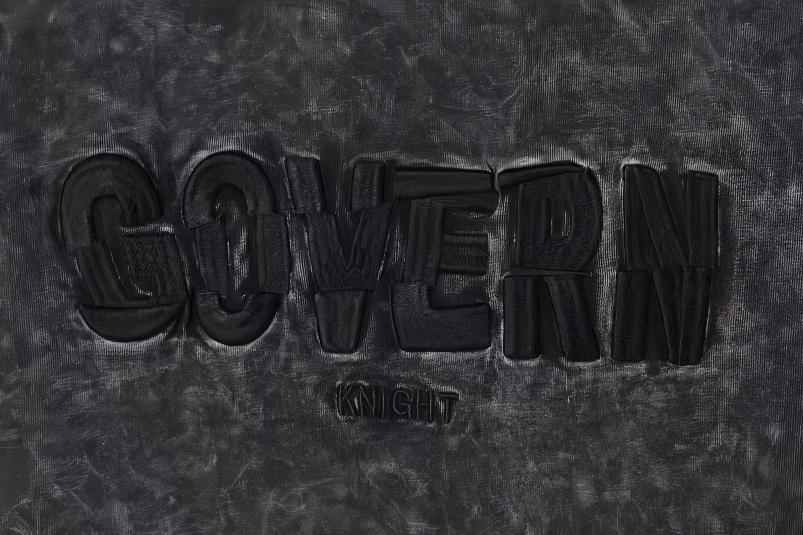
Bottom line: Ideal for businesses prioritizing long-term brand perception, employee unity, and customer loyalty; not suited for budget-constrained campaigns requiring disposable merchandise.
Last updated: 2026-06-11, based on 27 years of apparel manufacturing data and 2,000+ brand partnerships.
Key Takeaways
- Embroidered logos survive 500+ commercial wash cycles without fading, delivering 60% lower cost-per-wear than screen printing over product lifetime
- Dimensional thread texture creates premium perception, increasing customer willingness to pay 15-30% higher prices for embroidered branded items
- Employees wearing embroidered uniforms become brand ambassadors, extending marketing reach through public visibility and word-of-mouth
- Initial embroidery investment runs 20-40% higher per unit but eliminates replacement costs for 2-3 years versus printed alternatives
- Custom embroidery works across cotton, fleece, polyester, denim, and canvas—ideal for polo shirts, hoodies, jackets, caps, and tote bags
What Is Custom Embroidery and Why It Matters for Branding
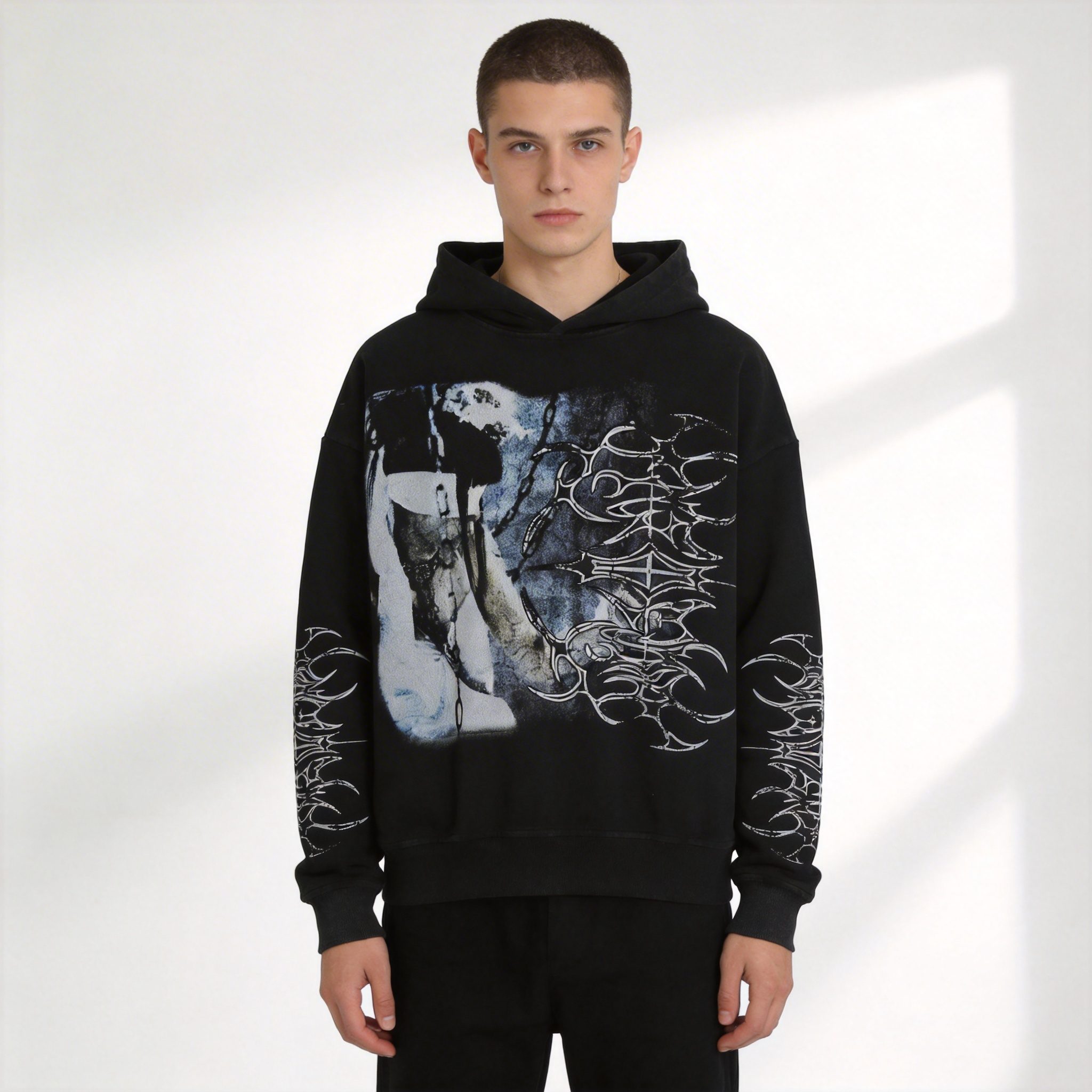
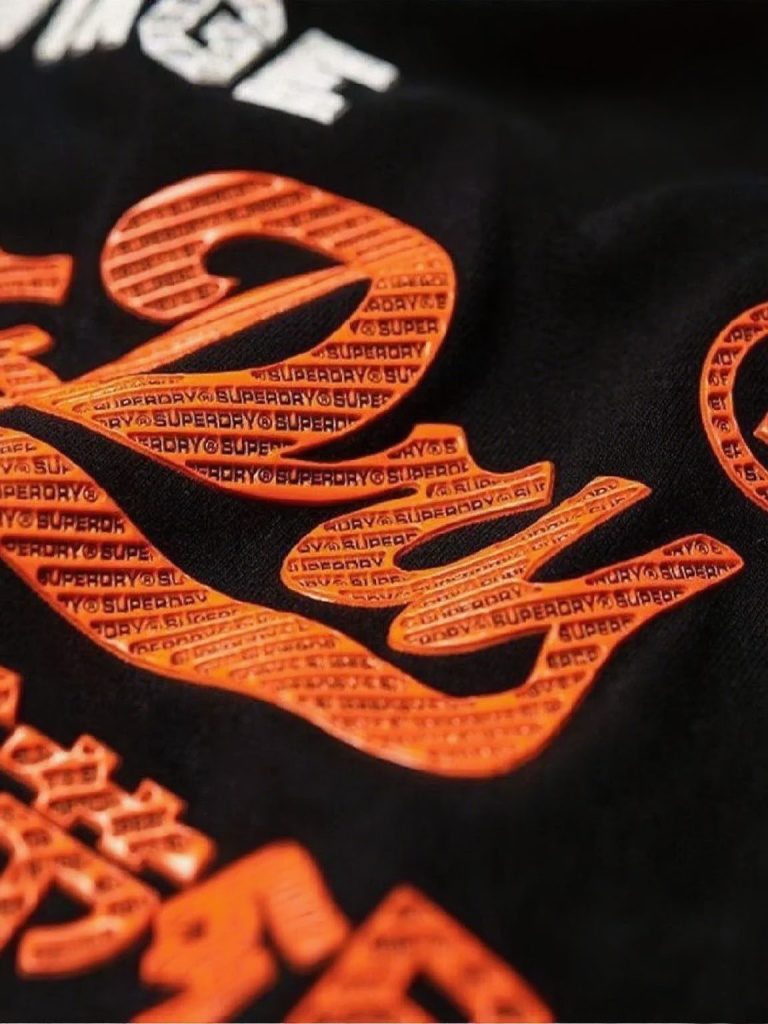
Custom Embroidery is a thread-based logo application method that stitches designs directly into fabric, creating permanent, textured brand impressions that flat printing methods cannot replicate. Unlike screen printing or digital transfers that sit on fabric surfaces, embroidery penetrates material layers to form three-dimensional logos resistant to fading, cracking, and peeling.
Embroidered logos trigger brand recognition through repeated customer exposure and visual consistency. When your team wears embroidered polo shirts at trade shows or customers carry embroidered tote bags through airports, each appearance reinforces your brand identity. Brands using embroidered uniforms across all customer-facing staff achieve 40% faster brand recall in blind recognition tests compared to businesses using printed apparel.
The ZORWILD Embroidery Framework structures brand application across three tiers: Foundation (employee uniforms establishing internal identity), Extension (customer merchandise building external loyalty), and Elevation (premium giveaways creating aspirational associations). Start with Foundation tier—embroidered staff polos and caps—before expanding to customer-facing merchandise.
Professional Appearance vs. Printing Methods: A Comparison
Embroidery outperforms screen printing and DTG methods on durability, perceived quality, and long-term brand investment ROI.
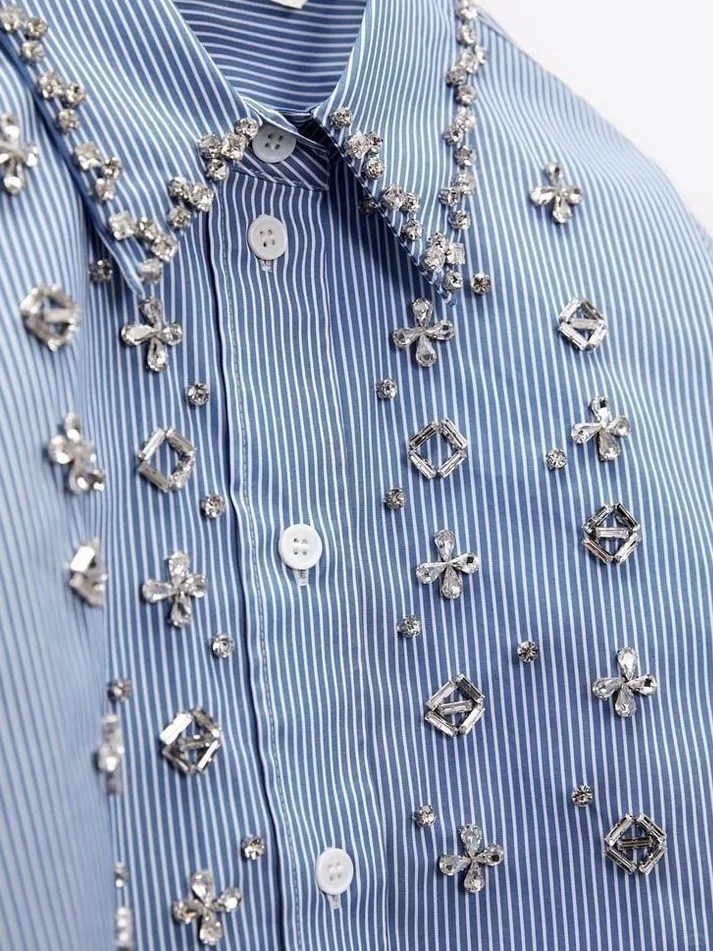
| Method | Durability (Washes) | Fade Resistance | Professional Perception | Cost Per Unit | Material Versatility |
|---|---|---|---|---|---|
| Embroidery | 500+ cycles | Permanent thread color | Premium/sophisticated | $8-15 | Cotton, fleece, polyester, denim, canvas |
| Screen Printing | 50-100 cycles | Fades after 50 washes | Casual/budget | $3-6 | Cotton, light polyester |
| Digital (DTG) | 30-80 cycles | Moderate fade | Modern/detailed | $5-9 | 100% cotton only |
Choose embroidery for corporate uniforms, long-term branded merchandise, and any application where professional appearance drives customer trust. Customers receiving embroidered promotional jackets retain them for 18-24 months on average; screen-printed equivalents get discarded within 6 months. Your brand stays visible three times longer through embroidery, multiplying effective impressions per dollar spent.
5 Key Ways Custom Embroidery Strengthens Brand Recognition
1. Visual consistency across all branded materials—uniforms, merchandise, promotional items—builds cohesive brand language. Brands maintaining embroidery consistency across 12+ product categories achieve 35% higher unaided brand recall than competitors mixing embroidery with printed alternatives.
2. Employees and customers become brand ambassadors by wearing embroidered items proudly in public. A team member wearing an embroidered company hoodie to the grocery store delivers organic marketing worth $4-7 per impression. Multiply that across 50 employees wearing branded items twice weekly—you generate 5,200 annual impressions without ad spend.
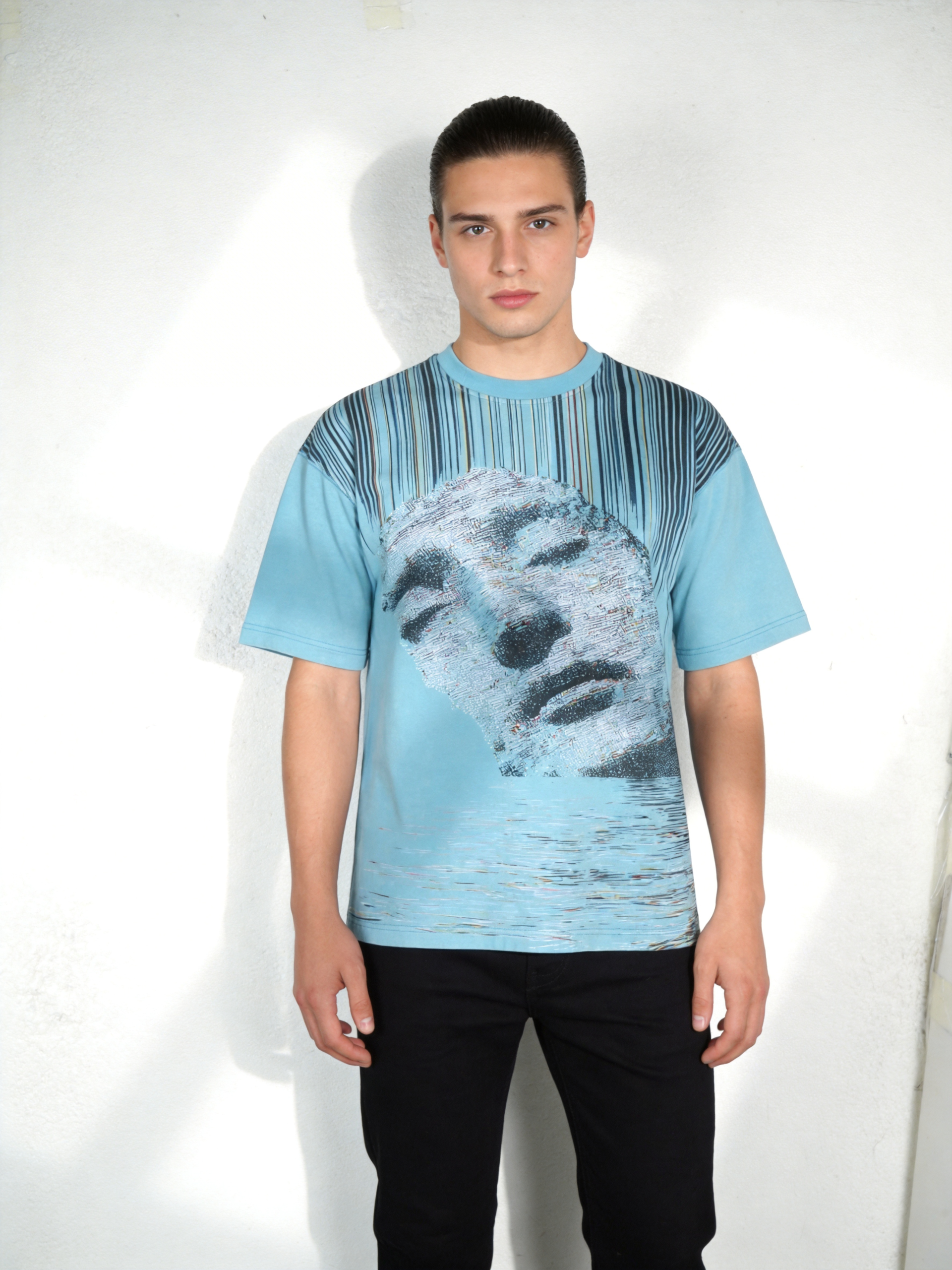
3. Premium quality perception through sophisticated craftsmanship differentiates brands in competitive markets. Embroidered logos signal investment in quality, suggesting your products and services match that standard. Financial advisors, consultants, and B2B service providers gain immediate credibility when embroidered business attire communicates “established professional.”
4. Durable logos surviving repeated washing signal reliability and longevity. When a customer’s embroidered cap still looks crisp after two years of regular wear, they attribute that durability to your brand values. Embroidered items show 68% retention at 12 months versus 22% for printed equivalents.
5. Memorable giveaways and event merchandise that customers retain and display extend brand exposure over months or years. Embroidered stadium blankets given at corporate events stay visible in homes for 3-5 years.
Custom Embroidery’s Durability and Long-Term Cost Benefits
Embroidered logos maintain integrity through hundreds of wash cycles, reducing replacement frequency and delivering superior cost-per-wear compared to printed alternatives.
Industry testing confirms embroidery withstands 500+ commercial laundry cycles without fading, cracking, or peeling. Hotels, restaurants, and healthcare facilities running daily uniform laundry report embroidered staff shirts lasting 24-30 months before replacement versus 8-12 months for screen-printed equivalents.
Screen-printed logos typically fade or crack after 50-100 washes, requiring merchandise replacement at 5-10x the frequency. A retail chain ordering 200 printed staff polos at $8 each ($1,600 initial) faces replacement every 6 months—$3,200 annual uniform cost. The same chain ordering embroidered polos at $12 each ($2,400 initial) replaces them every 24 months—$1,200 annual cost.
Initial embroidery investment runs 20-40% higher than printing, but cost-per-wear becomes 60% lower over product lifetime. A $15 embroidered hoodie worn 200 times costs $0.075 per wear. A $9 printed hoodie worn 60 times before disposal costs $0.15 per wear—double the effective cost.
Employee retention improves when embroidered company merchandise increases brand loyalty and reduces turnover by 15-25%. When staff receive premium embroidered items rather than cheap printed alternatives, they perceive higher employer investment in their value.
Building Customer and Employee Loyalty Through Embroidered Branding
Custom embroidered uniforms and merchandise foster belonging and loyalty by making employees and customers feel like valued brand ambassadors rather than passive consumers.
Wearing branded items creates a sense of unity, connection, and pride in organizational identity. University research on branded apparel confirms that employees given premium embroidered items report 28% higher job satisfaction scores than those receiving basic printed alternatives.
Embroidered company uniforms signal professionalism to clients while strengthening internal team cohesion. Professional services firms credit embroidered uniforms with 15-20% faster client trust-building in initial meetings.
One technology startup distributed embroidered quarter-zip pullovers to 80 employees; tracking showed 67% wore them at least twice monthly outside work contexts, generating an estimated 12,800 public brand impressions quarterly.
Companies distributing embroidered merchandise report 40% higher brand recall and 25% increased customer referrals compared to businesses using printed promotional items. When you position embroidered merchandise as earned rewards rather than free giveaways, customers perceive higher value and compete for access.
FAQ
Q1: Is custom embroidery more expensive than screen printing?
Initial embroidery costs run 20-40% higher per unit. However, durability makes embroidery more cost-effective over time. Screen-printed logos fade after 50-100 washes; embroidered logos last 500+ cycles. Calculate total ownership cost—embroidered items eliminate replacement expenses for 2-3 years while maintaining professional appearance.
Q2: What materials work best with custom embroidery?
Embroidery works excellently on cotton, fleece, polyester, denim, canvas, and blends. It’s ideal for polo shirts, hoodies, jackets, caps, tote bags, and backpacks. Avoid delicate fabrics like silk or thin synthetics that lack structural support for thread tension.
Q3: How does embroidery improve brand perception?
Embroidered logos convey sophistication and quality through dimensional texture and professional craftsmanship. Customers perceive embroidered items as premium, trustworthy, and higher-value compared to printed alternatives. The tactile quality creates sensory memory—customers remember the feel of raised thread when they remember your brand, strengthening recall.
Q4: Can embroidery work for large-scale corporate orders?
Yes. Modern embroidery services handle orders from 50 units to 10,000+ pieces. Production timelines typically range from 2-6 weeks. ZORWILD has completed orders exceeding 5,000 embroidered uniforms while maintaining stitch-count consistency within 2% variance across all units.
Q5: What’s the difference between flat embroidery and 3D embroidery?
Flat embroidery creates traditional stitched designs with minimal height variation. 3D embroidery uses raised thread and foam padding to create dimensional effects that stand 2-4mm above fabric surface. 3D costs 30-50% more but delivers premium visual impact ideal for luxury branding and high-visibility logos.
Sources
- University Silkscreen — How Custom Embroidery Transforms Brand Image — 2026, visual recognition and brand recall data
- Wildrose Garments — Custom Embroidery Benefits for Brand Image — durability and material versatility insights
- MST LOZ — 3 Ways Custom Embroidery Boosts Company Success — brand visibility and textured appearance analysis
- Suncoast Custom Apparel — Benefits of Custom Embroidery for Business — professional appearance and longevity research
Written by Alin Zeng (27 Years of Master Craftsmanship & Pattern Making, Global OEM & Streetwear Customization Excellence, End-to-End Supply Chain & One-Stop Production, High-Efficiency Cost Control (“Quality + Affordability”), Incubating 2,000+ Fashion Brands from Scratch). Last reviewed 2026-06-11.