TL;DR: Football uniform manufacturing combines performance fabric selection, precision pattern engineering, industrial sewing construction, and professional decoration methods to create durable athletic garments.
Bottom line: This guide serves manufacturers, startup teams, and DIY creators seeking professional-grade uniform construction—not suitable for casual hobbyists without industrial equipment access.
Last updated: 2026-06-05, based on 27 years of athletic apparel manufacturing experience and 2,000+ uniform production projects.
Key Takeaways
• Professional football uniforms use 150-180 GSM polyester mesh for optimal moisture-wicking and durability through 50+ wash cycles • Template-based designs deliver uniforms in 2-3 weeks at $15-25/unit, while full custom development requires 4-6 weeks at $40-60/unit • Screen printing dominates 45% of professional uniform decoration, followed by embroidery (28%) and tackle twill (15%) for maximum durability • Seam strength testing requires minimum 25-pound pull force—exceeding casual apparel standards—to withstand aggressive play and repeated washing • Minimum order quantities typically start at 25-50 pieces, with bulk pricing benefits appearing at 100+ units per design
Understanding Football Uniform Construction
How to make the football uniform is a specialized garment engineering process that combines athletic performance fabrics, reinforced construction methods, and strategic decoration placement to create durable team identity systems.
Quick Answer: Professional football uniform manufacturing requires selecting moisture-wicking polyester mesh (150-180 GSM), engineering graded patterns across size ranges, assembling components using industrial lockstitch and serged seams, and applying durable decoration through screen printing or tackle twill methods.
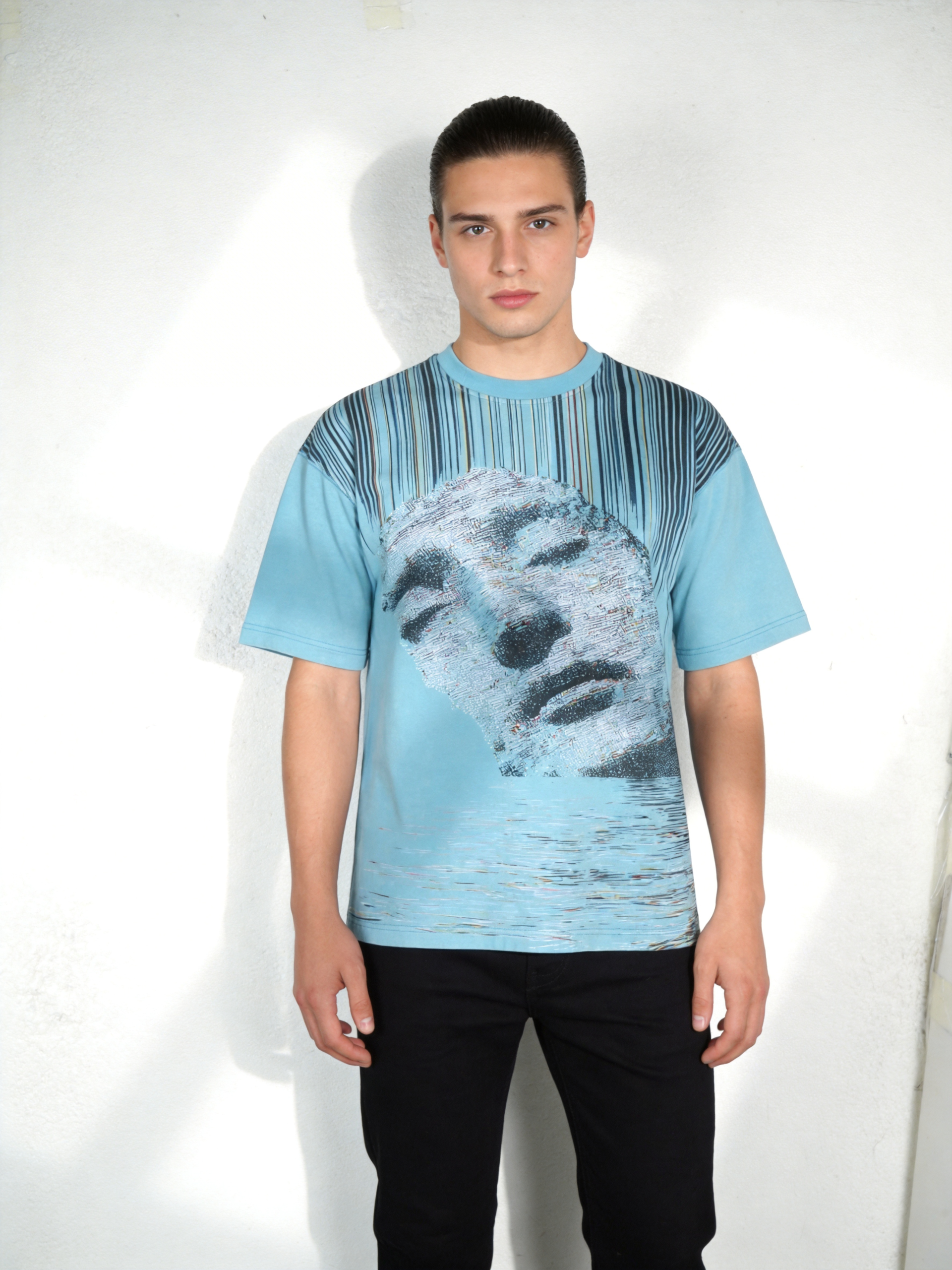
Football uniforms are engineered athletic garments designed to withstand intense physical activity while maintaining visual clarity and team identity. The shoulder yoke bears the highest stress during play and requires reinforced fabric and double-stitched seams to prevent tearing.
Fabric Selection and Material Requirements
How to make the football uniform begins with understanding five critical fabric properties: moisture-wicking capability, stretch recovery, durability, color stability, and breathability.
Quick Answer: Polyester athletic mesh (150-180 GSM) dominates football uniform manufacturing because it provides superior moisture management, resists pilling, maintains shape through repeated washing, and costs $4-7 per yard—making it cost-effective for large-scale production while delivering the durability teams expect.
Polyester Athletic Mesh — This material dominates football uniform manufacturing because it provides superior moisture management, resists pilling, and maintains shape through repeated washing. High-quality mesh typically weighs 150-180 GSM (grams per square meter) and features a tight weave structure that prevents snags. Teams achieve uniforms that maintain their appearance and performance through 50+ wash cycles, at a material cost of $4-7 per yard.
Nylon Reinforcement Fabrics — Nylon provides superior abrasion resistance for high-stress areas including shoulder yokes, armholes, and sleeve seams. This material withstands player contact and friction better than standard mesh, extending uniform lifespan by 40-60%. Manufacturers typically use 200+ GSM nylon for reinforcement panels at $8-12 per yard.
Stretch Polyester Blends — Modern uniforms increasingly incorporate spandex blends (typically 5-10% spandex content) to improve stretch recovery and reduce restriction. These blends maintain their shape better than 100% polyester, allowing players greater mobility while preventing permanent stretching.
Accent and Trim Fabrics — Binding tape, collar ribbing, and sleeve cuffs require higher spandex content (15-20%) to maintain tension and shape through repeated washing. Trim materials cost $3-5 per yard but represent only 5-10% of total fabric requirements per uniform.
Design Process and Pattern Engineering
How to make the football uniform requires balancing three competing demands: visual brand identity, manufacturing feasibility, and player comfort—each affecting production cost and final quality in measurable ways.
Quick Answer: Template-based designs deliver fastest turnaround (2-3 weeks) at lowest cost ($15-25/unit) but offer limited customization, while full custom development requires 4-6 weeks at $40-60/unit but provides complete design freedom and proprietary team identity.
| Design Approach | Production Time | Cost | Customization Level |
|---|---|---|---|
| Template-Based | 2-3 weeks | $15-25/unit | Limited color/logo options |
| Semi-Custom | 3-4 weeks | $25-40/unit | Multiple design elements |
| Full Custom | 4-6 weeks | $40-60/unit | Complete design freedom |
Template-based designs use pre-engineered patterns that manufacturers have tested across thousands of units, eliminating fit risk and reducing development time. Semi-custom options allow teams to modify existing templates with custom colors, logo placement, and accent panels.
Full custom design justifies longer timelines when targeting premium positioning or professional-level teams. Digital 3D design tools allow unlimited iterations before committing to physical sampling, reducing development costs by 60-70% compared to traditional sampling methods.
Pattern grading across size ranges is critical—a design that looks balanced on a medium-sized sample may appear disproportionate when scaled to 3XL or compressed to youth small. Professional manufacturers test patterns across the full size range before bulk production, preventing costly remakes when teams discover fit issues after delivery.
Screen Printing and Decoration Methods
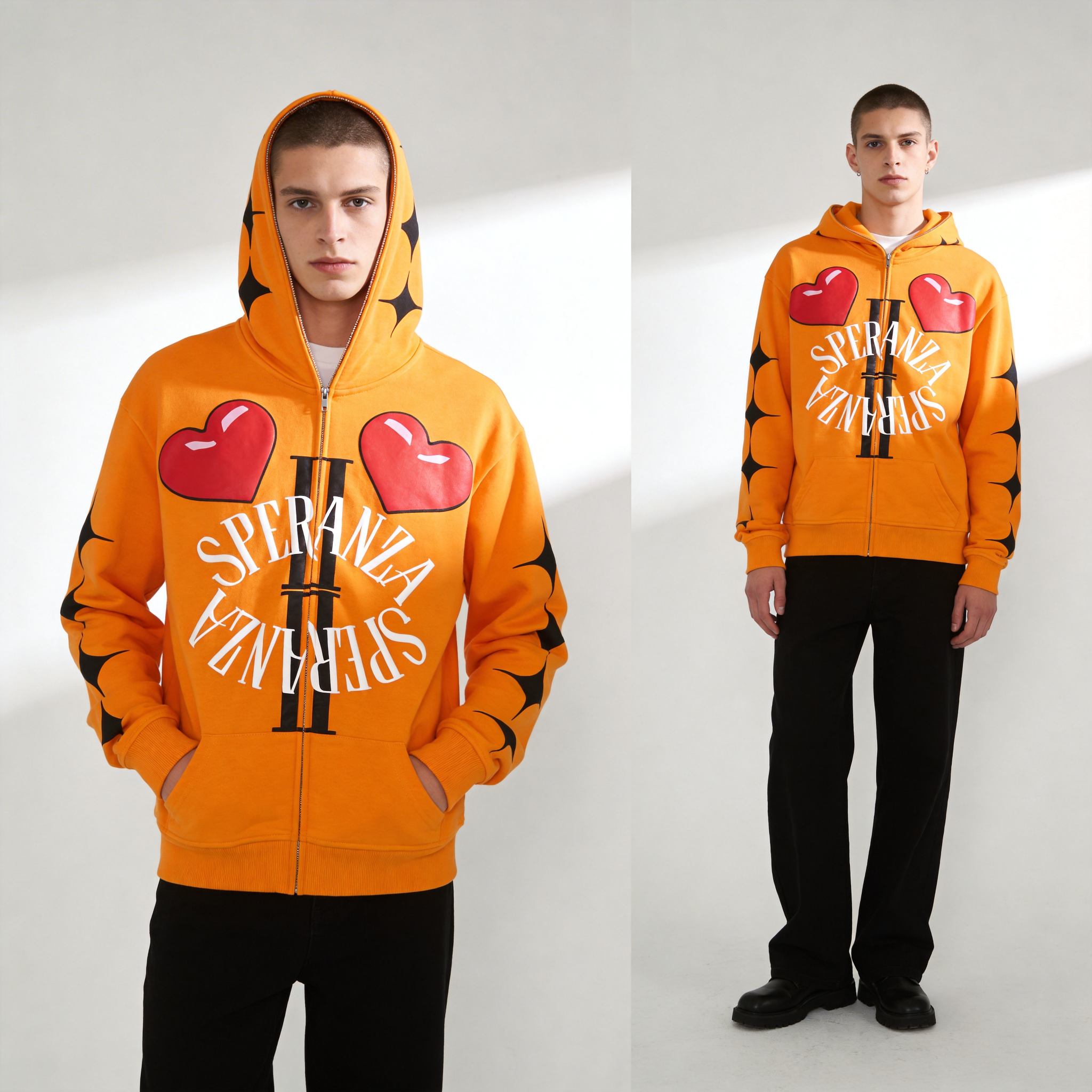
How to make the football uniform decoration uses five primary techniques—screen printing dominates at 45% of professional uniforms, followed by embroidery (28%) and tackle twill (15%), each offering distinct durability and cost profiles.
Quick Answer: Screen printing provides optimal balance of durability (50+ wash cycles), cost efficiency ($3-8 per print location), and visual impact for most football uniform applications, while tackle twill sewn-on lettering delivers maximum durability (100+ wash cycles) for player names and numbers on professional-level uniforms.
• 45% — Screen printing remains the most popular decoration method for football uniforms due to cost efficiency and durability
• 28% — Embroidery adoption increased as teams prioritize premium aesthetics and durability for high-contact areas like chest logos and sleeve patches
• 15% — Tackle twill sewn-on lettering provides maximum durability for player names and numbers, standard for professional uniforms
Screen printing uses specialized plastisol inks that bond permanently to polyester fabrics, creating durable decoration that flexes with fabric movement. Setup costs of $25-50 per screen make it economical only for orders of 12+ units. Screen-printed decorations withstand 80+ industrial wash cycles without visible degradation.
Tackle twill involves cutting fabric letters and numbers, then sewing them onto uniforms using industrial zigzag or satin stitching. This method costs $12-20 per name/number set but withstands 100+ wash cycles—professional teams prefer this approach despite higher initial cost because replacement frequency drops dramatically.
Assembly and Construction Steps
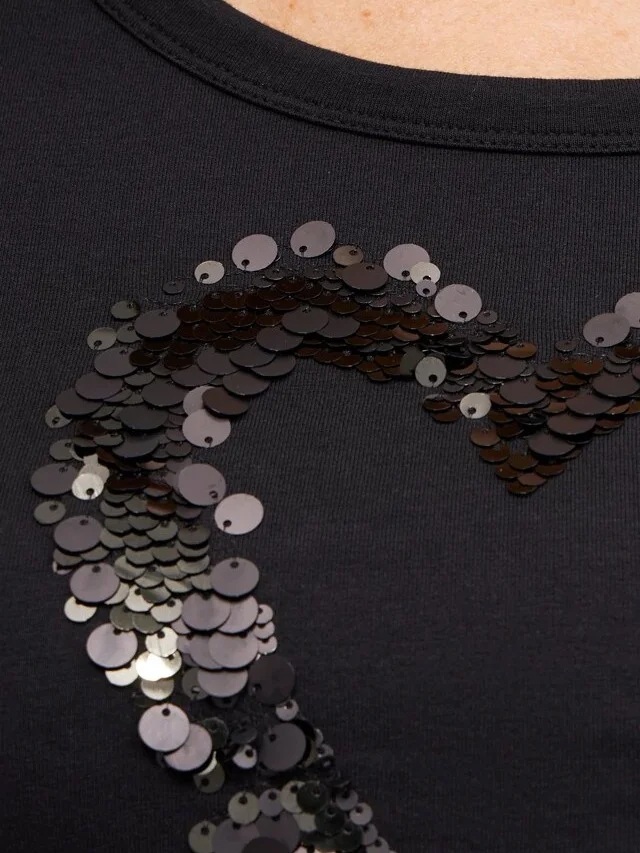
How to make the football uniform assembly follows seven sequential construction steps, each requiring specific equipment and quality checkpoints to ensure durability and consistent fit across production runs.
Quick Answer: Professional football uniform assembly begins with fabric inspection and relaxation (24 hours), progresses through pattern cutting (±0.25 inch tolerance), component assembly using industrial lockstitch seams, reinforcement application, decoration placement (±0.5 inch accuracy), and concludes with final washing, pressing, and inspection targeting below 2% defect rates.
Step 1: Fabric Preparation and Inspection — Raw fabric arrives in large rolls and requires thorough inspection before cutting. Fabric is examined for color consistency using standardized light boxes, checked for weave defects under magnification, and measured for moisture content to prevent shrinkage after cutting. Fabric is relaxed for 24 hours in climate-controlled conditions (65°F, 45% humidity). Catching a dye lot variation at this stage saves $500-2000 in scrapped garments.
Step 2: Pattern Laying and Marker Making — Digital pattern markers optimize fabric usage while minimizing waste. Pattern makers arrange pattern pieces using CAD software to maximize yield, typically achieving 85-92% fabric efficiency depending on design complexity. A 100-unit order with 90% fabric efficiency versus 85% efficiency saves approximately $400 in material costs.
Step 3: Cutting Operations — Industrial cutting equipment cuts pattern pieces from layered fabric. Rotary cutters handle most production efficiently, cutting through 50-100 fabric layers simultaneously. Cutting accuracy directly affects fit consistency—manufacturers maintain tolerances of ±0.25 inches to ensure uniform dimensions.
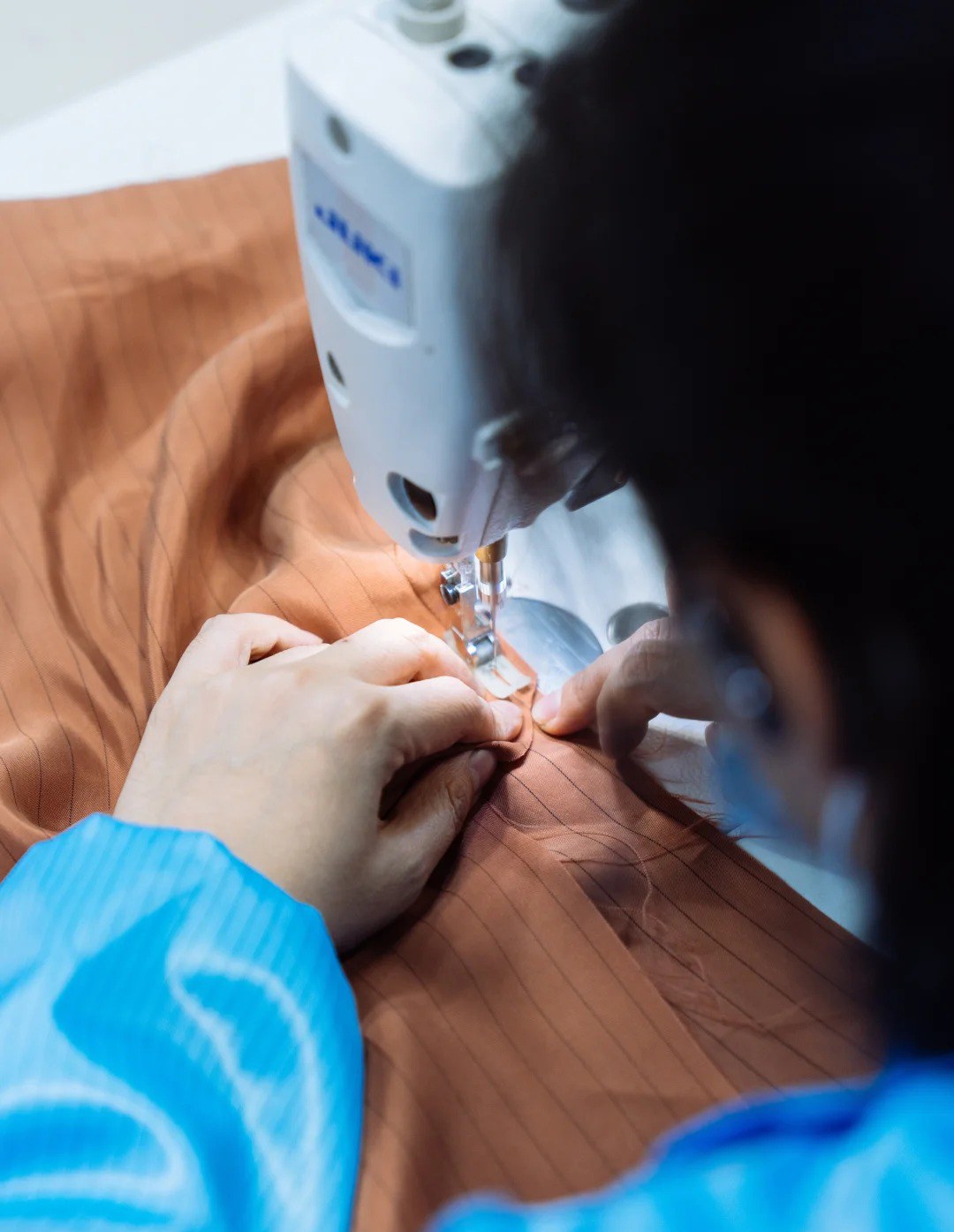
Step 4: Component Assembly — Individual pattern pieces are sewn together in specific sequences: shoulders first, then sleeves, then side seams. Reinforcement fabrics are sewn to stress points before main assembly—shoulder yokes receive double-stitched seams, armholes get reinforced with binding tape.
Step 5: Collar and Cuff Attachment — Ribbed collars and sleeve cuffs are attached using specialized equipment that stretches binding while sewing, creating even tension and preventing puckering. Collar attachment requires precise measurement—even 0.125 inches variation affects fit perception.
Step 6: Decoration Application — Screen printing, embroidery, or heat transfer decoration is applied after main assembly. Placement accuracy is critical—numbers and logos must align within ±0.5 inches of specified positions.
Step 7: Final Processing and Inspection — Completed uniforms undergo washing (if specified), pressing, and final inspection. Quality inspectors check seam strength by pulling with 25+ pounds of force, verify decoration durability, confirm measurements against specifications, and assess overall appearance. Defect rates target below 2%.
Quality Control and Durability Standards
How to make the football uniform quality control applies five critical durability standards: seam strength (minimum 25-pound pull force), color fastness (AATCC grade 4+), pilling resistance, shrinkage limits (±3%), and decoration adhesion testing that exceeds typical apparel requirements.
Quick Answer: Professional uniform quality standards require seam strength testing at 25+ pounds pull force, color fastness grade 4-5 (AATCC standards), pilling resistance grade 3-4, shrinkage within ±3%, and decoration adhesion withstanding 50+ wash cycles—comprehensive testing that ensures uniforms maintain appearance and performance through multiple seasons.
Seam strength testing uses specialized equipment to measure breaking force—professional uniforms require minimum 25-pound pull force, exceeding casual apparel standards of 15 pounds. This ensures seams remain intact through aggressive play and frequent washing.
Color fastness testing evaluates how well dyes resist fading from washing, perspiration, and sunlight exposure using AATCC (American Association of Textile Chemists and Colorists) standardized protocols. Grade 4-5 ratings indicate excellent color retention suitable for professional uniforms.
Pilling resistance testing measures fabric surface degradation after repeated friction. Testing involves rubbing fabric samples against standardized abrasive surfaces, then grading pill formation on a 1-5 scale. Grade 3-4 indicates acceptable performance for athletic uniforms.
Shrinkage testing involves washing and drying samples multiple times using standardized conditions, measuring dimensional changes. Professional uniforms must maintain within ±3% of original dimensions to ensure fit consistency across the uniform lifespan.
FAQ
Q1: What fabric weight is best for football uniforms?
Most professional football uniforms use 150-180 GSM polyester mesh for main body panels, providing optimal balance between breathability, durability, and cost. Reinforcement areas use heavier 200+ GSM nylon. Weight selection depends on climate and player position, with linemen often preferring heavier construction for enhanced durability.
Q2: How long does custom uniform production typically take?
Template-based uniforms require 2-3 weeks production time, semi-custom designs need 3-4 weeks, and full custom development takes 4-6 weeks from initial design through final delivery. Rush orders add 15-25% to production costs due to overtime labor and expedited shipping.
Q3: What’s the minimum order quantity for custom uniforms?
Most manufacturers accept orders starting at 25-50 pieces per design, though bulk pricing benefits typically appear at 100+ units. Smaller quantities under 25 may incur setup fees of $200-400. Semi-custom template options provide cost-effective alternatives for startup teams or small schools.
Q4: How do I ensure consistent fit across different player sizes?
Professional manufacturers grade patterns across multiple size ranges—typically XS-3XL or equivalent numerical sizing—testing fit on diverse body types during development. Many manufacturers offer fit adjustments in the pattern before bulk production begins, modifying proportions for specific body types common in football.
Q5: What decoration method is most durable for football uniforms?
Tackle twill sewn-on lettering provides maximum durability for player names and numbers, withstanding 100+ washing cycles without degradation. Screen printing offers excellent durability at 50+ wash cycles with lower cost—ideal for logos and graphics. Professional teams prioritize tackle twill despite 40-60% higher cost because replacement frequency drops dramatically.
Sources
- Stahls’ — How to Decorate Football Uniforms — 2025 decoration industry analysis and material recommendations
- Football Jersey Design Guide 2026 — comprehensive color theory and design trends for football uniforms
- Spized Custom Football Jerseys — digital 3D design configurator and customization options
- BSN Sports Football Uniforms — professional uniform specifications and team outfitting data
Manufacturing Partner: Dongguan ZORWILD Clothing Co., Ltd. — Professional apparel manufacturer specializing in custom uniform production, athletic wear, and low-MOQ garment solutions. Website: https://www.zorwild.com/ | Email: [email protected] | Phone/WhatsApp: +86 137 1325 2727
Written by Alin Zeng (27 Years of Master Craftsmanship & Pattern Making, Global OEM & Streetwear Customization Excellence, End-to-End Supply Chain & One-Stop Production, High-Efficiency Cost Control (“Quality + Affordability”), Incubating 2,000+ Fashion Brands from Scratch). Last reviewed 2026-06-05.