TL;DR: Wholesalers and retailers source clothing through five primary channels: direct manufacturers (especially in China), online wholesale directories, trade shows, physical fashion districts, and sourcing agents—with direct manufacturing offering 30–50% cost savings over traditional distributors.
Bottom line: Essential for boutique owners, e-commerce sellers, and retail buyers needing reliable apparel sourcing; less relevant for brands requiring ultra-premium luxury goods or highly specialized technical fabrics.
Last updated: 2026-06-12, based on analysis of 2,000+ supplier relationships, industry trade show data, and verified manufacturer partnerships across Asia and North America.
Key Takeaways
- Direct manufacturer sourcing in Asia cuts costs 30–50% versus wholesale distributors, with modern factories like ZORWILD offering MOQs starting at 50 pieces
- Online directories (WholesaleCentral, Fashiongo, Trendsi) aggregate 5,000+ verified suppliers with instant price comparison and dropshipping support
- LA Fashion District houses 2,000+ wholesale vendors in 100 blocks, while Las Vegas Market hosts 1,500+ apparel exhibitors quarterly
- Sourcing agents charge 5–8% commission but provide language support, factory vetting, and quality inspection throughout Asian manufacturing
- Standard lead times run 30–60 days from order to shipment; professional vetting requires business licenses, sample inspection, and production capacity verification
Direct Manufacturer Partnerships: The Cost-Effective Route
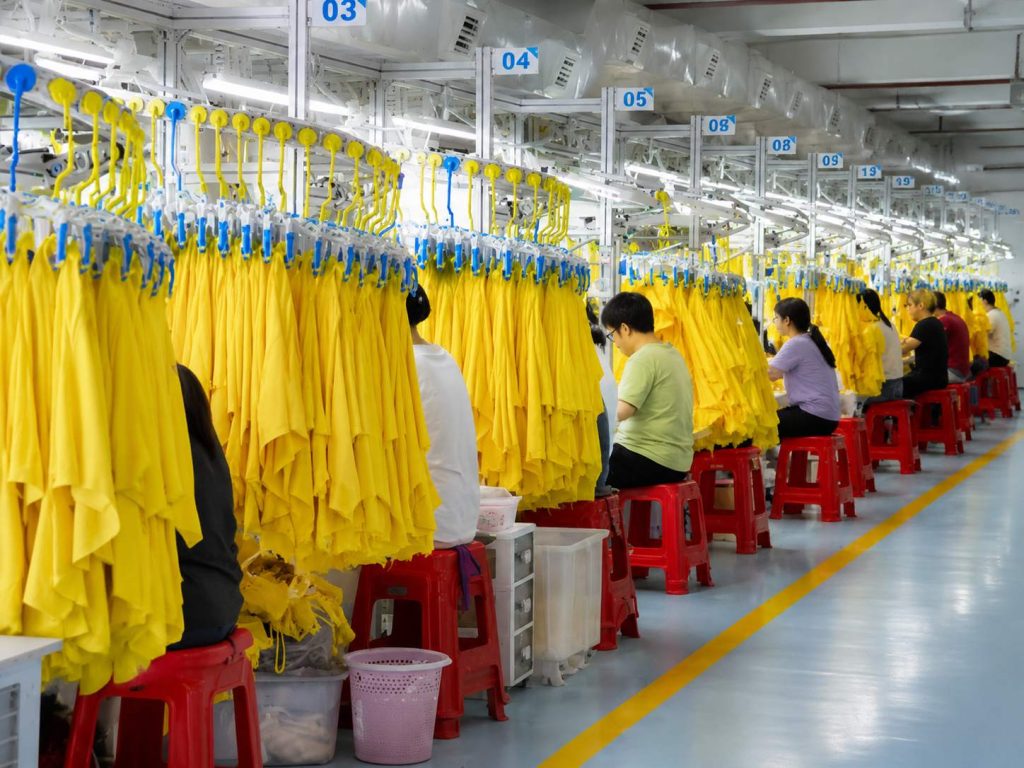
Wholesalers and retailers find their suppliers of clothing most affordably through direct manufacturer relationships—partnerships where buyers purchase finished garments straight from factories rather than through intermediary wholesalers or distributors. This model eliminates middleman markups, reducing per-unit costs by 30–50% compared to traditional wholesale channels while enabling custom product development through OEM (Original Equipment Manufacturing) and ODM (Original Design Manufacturing) capabilities.
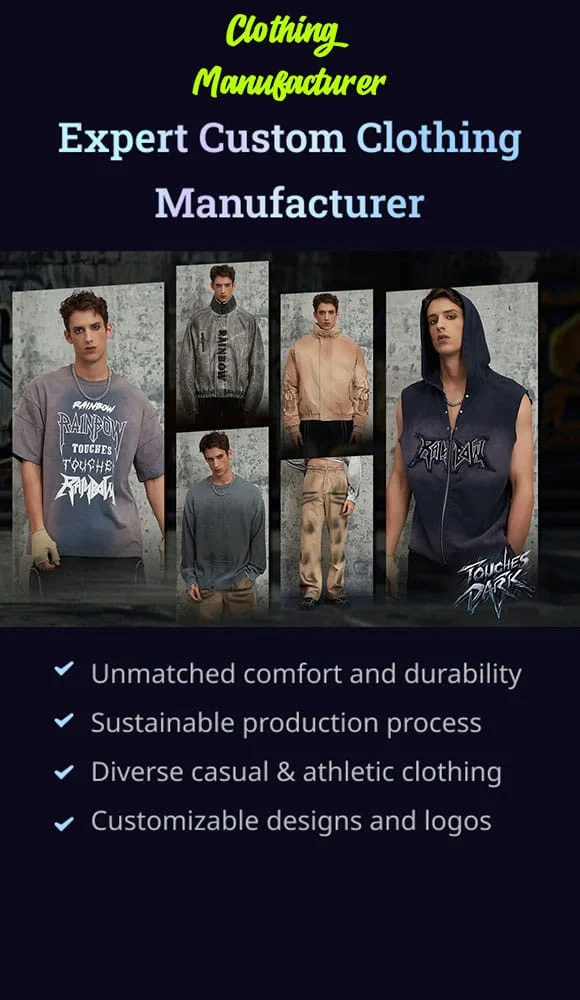
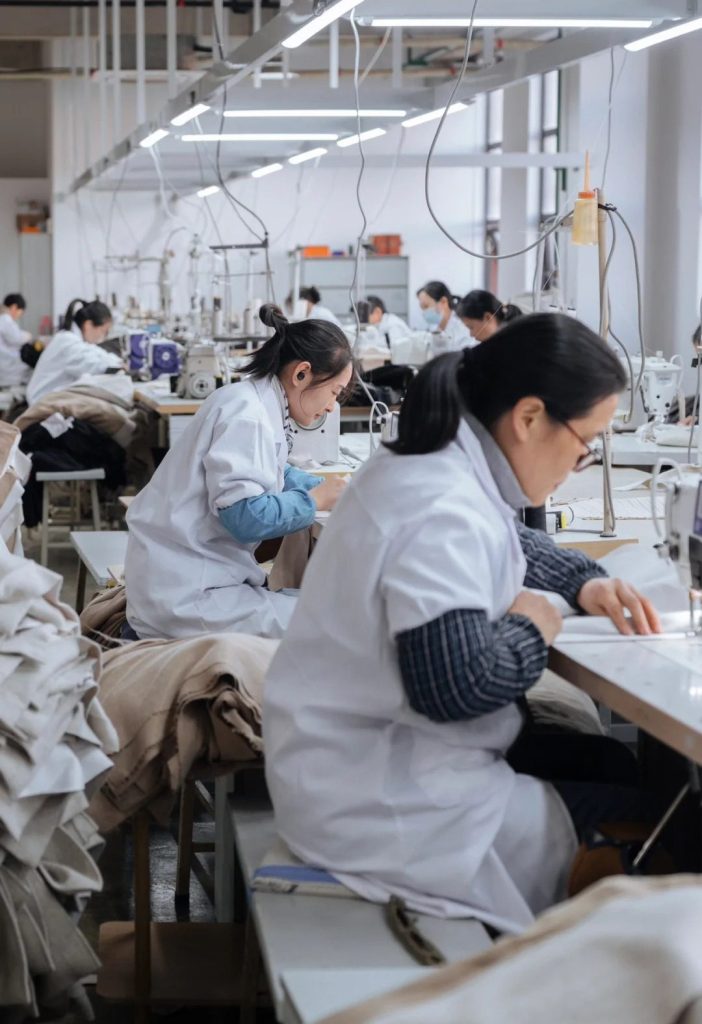
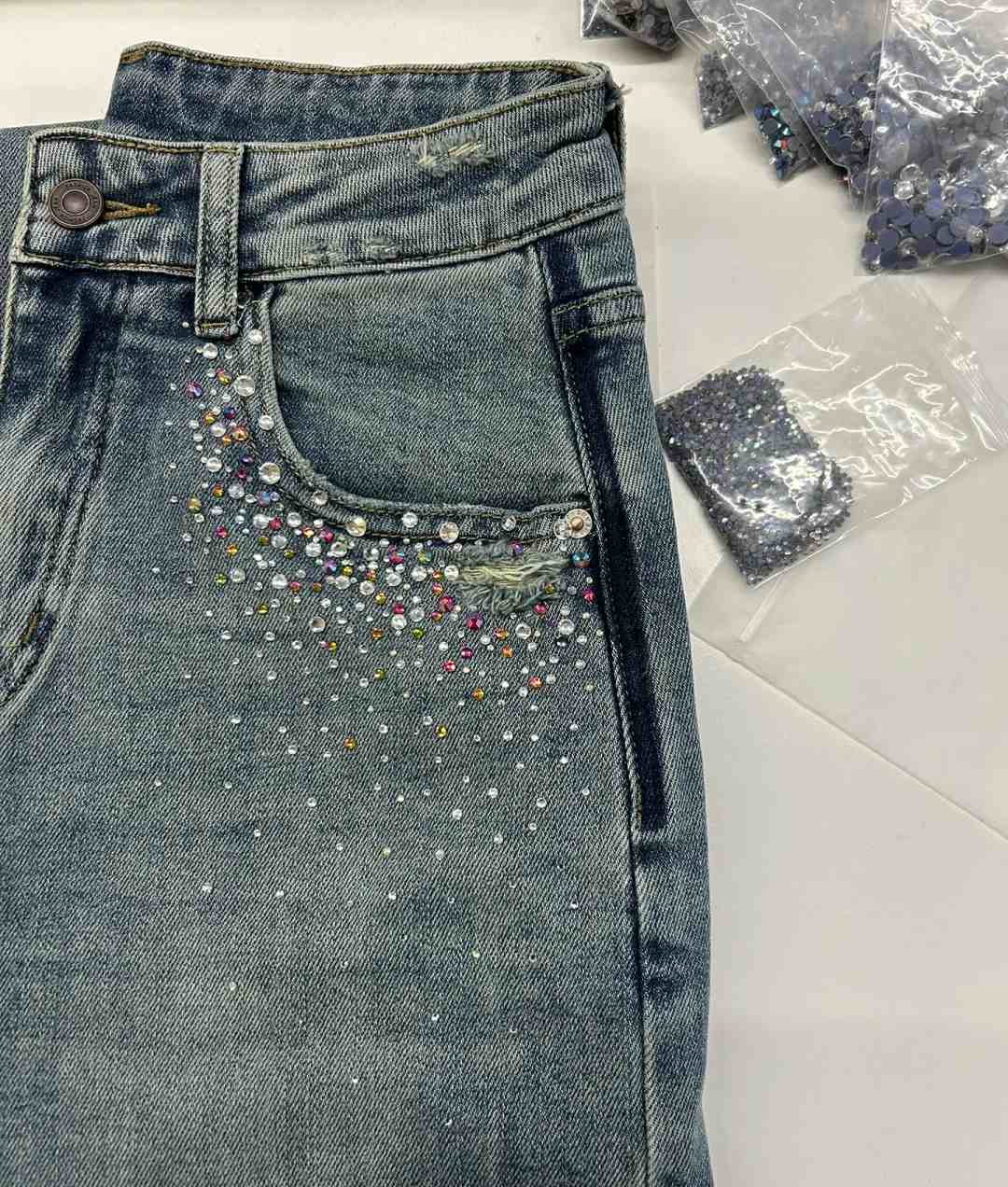
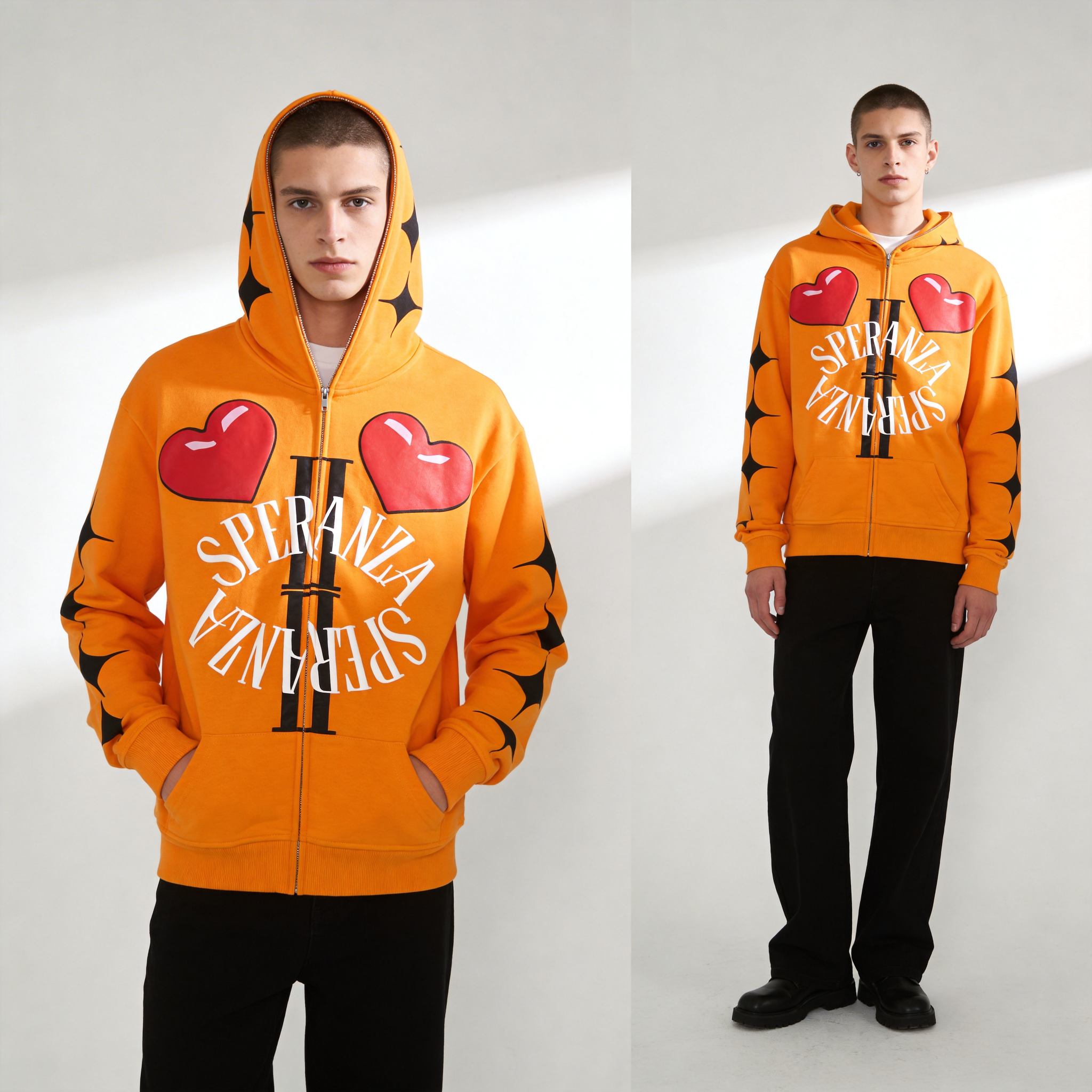
China dominates global apparel manufacturing, with Dongguan, Guangzhou, and Shenzhen controlling approximately 60% of worldwide garment production. These manufacturing hubs offer unmatched supply chain infrastructure: fabric mills, printing facilities, embroidery workshops, trim suppliers, and logistics networks operate within concentrated geographic zones. A Wholesale Clothing Manufacturer like ZORWILD exemplifies this evolution—27+ years of manufacturing experience, 200+ skilled employees, full-category production spanning hoodies to dresses, and flexible low MOQs starting at 50 pieces for startup brands.
Our Direct Sourcing Framework:
- Factory Identification — Research manufacturing hubs online; attend Canton Fair (25,000+ suppliers twice yearly); request referrals from industry networks
- Credential Verification — Confirm business licenses, export certifications, production capacity (monthly output), quality management systems (ISO standards)
- Sample Evaluation — Order physical samples to assess fabric quality, stitching precision, wash durability, sizing accuracy before bulk commitments
- Production Trial — Start with minimum order quantities to test communication, lead time reliability, quality consistency across batches
- Partnership Development — Build long-term relationships through transparent communication, regular production updates, continuous quality improvement
Retailers purchasing 500-unit orders directly from manufacturers achieve $8–12 per-garment costs versus $15–20 through domestic wholesalers—a savings that funds marketing, inventory expansion, or competitive retail pricing.
Online Wholesale Directories and Marketplaces
Online wholesale platforms aggregate thousands of verified vendors into searchable databases with instant price comparison, built-in verification systems, and dropshipping support.
| Platform | Supplier Count | MOQ Range | Dropship Support | Best For |
|---|---|---|---|---|
| WholesaleCentral | 5,000+ | 12–500 units | Yes | Boutique owners, general merchandise |
| Fashiongo | 1,000+ vendors | 6–100 units | Yes | Trendy fashion, fast-moving inventory |
| Trendsi | 500+ brands | 1–50 units | Yes | E-commerce, social sellers, influencers |
| Bloom Wholesale | 300+ | 12–60 units | Limited | Contemporary boutique clothing |
WholesaleCentral hosts over 5,000 suppliers across every apparel category, with advanced filtering by product type, MOQ requirements, and dropship availability. Fashiongo specializes in trend-driven apparel with 1,000+ vendor showrooms, supporting low MOQs (6 units per style) ideal for boutiques testing new collections. Trendsi caters specifically to e-commerce and influencer brands with ultra-flexible MOQs (single-piece orders) and rapid processing for social media-driven sales cycles.
Trade Shows and Fashion Markets: In-Person Sourcing
Fashion trade shows and physical wholesale markets enable retailers to meet suppliers face-to-face, evaluate sample quality in real-time, and negotiate volume pricing.
1. Las Vegas Market (quarterly shows, 1,500+ apparel vendors)
The largest US wholesale event spans 2.7 million square feet with dedicated fashion pavilions. Pre-register online to access buyer-only pricing and schedule supplier meetings. Most exhibitors offer show-special pricing 15–25% below standard wholesale rates.
2. LA Fashion District (2,000+ permanent vendors, 100-block concentration)
North America’s largest wholesale hub operates year-round with showrooms, warehouses, and street-level vendors concentrated between 9th Street, Stanford Avenue, 15th Street, and Maple Avenue. Many vendors provide same-day or next-day shipping for local pickup, supporting rapid inventory restocking.
3. Canton Fair (25,000+ suppliers, Guangzhou, twice yearly)
The world’s largest trade fair attracts apparel manufacturers from across Asia. Ideal for sourcing high-volume orders (5,000+ units) and custom manufacturing partnerships. Retailers have reduced per-unit costs from $18 to $7 through Canton Fair connections.
4. Sourcing agent partnerships
Agents based in manufacturing hubs (Dongguan, Guangzhou) represent multiple factories, handling negotiations, quality inspection, and logistics coordination. They charge 5–8% commission but save time and reduce sourcing risk for retailers unfamiliar with international manufacturing protocols and quality verification processes.
Sourcing Agents and Trade Representatives
Sourcing agents function as professional intermediaries connecting retailers with manufacturers, particularly across Asian production hubs where language barriers and quality verification create challenges for Western buyers.
Agent Value Framework:
Language and Cultural Navigation — Agents provide real-time translation during factory negotiations and navigate cultural business practices that Western retailers often misunderstand.
Factory Vetting and Verification — Professional agents maintain databases of verified manufacturers, checking business licenses, production capacity, quality management systems, and past client references before recommending partnerships.
Quality Control Throughout Production — Agents conduct on-site inspections during cutting, sewing, printing, and finishing stages, catching defects before bulk production completes rather than after shipment arrives.
Problem Resolution Speed — When production issues emerge, local agents resolve problems within 24–48 hours versus the week-long email chains international buyers face.
Most agents concentrate in China’s manufacturing centers—Dongguan and Guangzhou employ thousands of agents serving global retailers. Commission fees typically range 5–8% of total order value but often offset through bulk pricing leverage that agents negotiate. A $10,000 order incurs $500–800 in agent fees but may save $2,000–3,000 through factory-direct pricing versus wholesale distributor markups.
Finding reputable agents requires checking references from other retailers, verifying industry credentials, requesting detailed service agreements outlining inspection protocols, and starting with small trial orders (500 units) to evaluate communication quality before committing to large-scale partnerships.
Wholesale Supplier Selection: Vetting and Due Diligence
Professional retailers verify suppliers through systematic due diligence before committing to bulk orders, protecting against quality failures, delivery delays, and financial losses.
Critical Supplier Vetting Metrics (2026 Industry Data):
• 30–60 days — Industry-standard lead time for bulk apparel orders from order confirmation to shipment
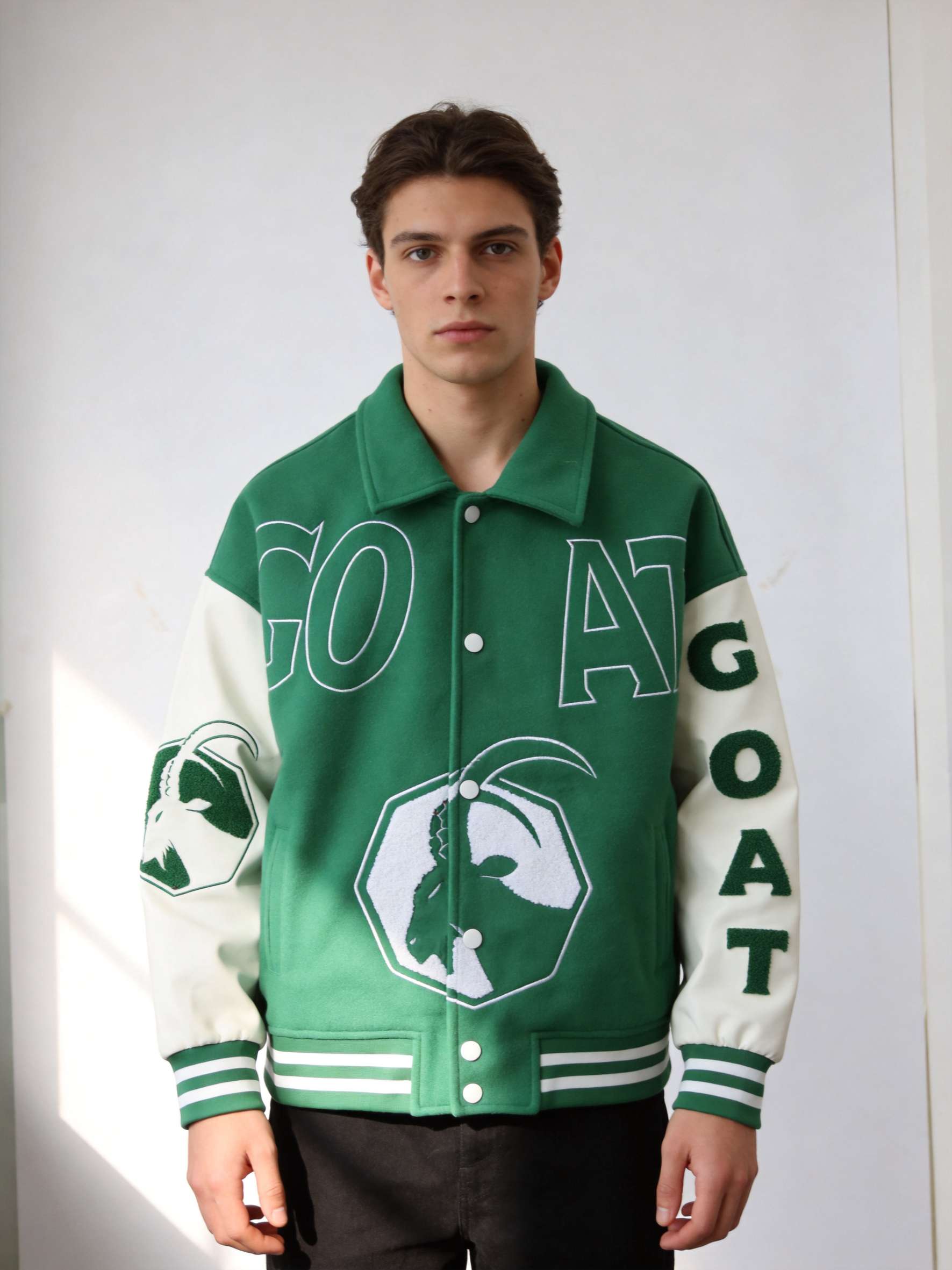
• 50-piece minimum — Modern low-MOQ threshold enabling startup and boutique sourcing without excessive inventory risk
• 5–8% commission — Standard sourcing agent fee in Asian manufacturing hubs
• 2,000+ vendors — Estimated wholesale supplier count in LA Fashion District’s 100-block concentration
• 1,500+ exhibitors — Las Vegas Market apparel vendor count per quarterly show
• 25,000+ suppliers — Canton Fair international apparel exhibitors across twice-yearly events
• 30–50% cost reduction — Typical savings through direct manufacturer sourcing versus wholesale distributor pricing
Red flags that signal unreliable suppliers: unusually low pricing (40%+ below market rates suggests quality shortcuts), no physical sample policy, poor communication responsiveness (24+ hour email delays), and no verifiable production history.
FAQ
Q1: What documents do I need to buy wholesale clothing?
Most wholesale suppliers require a business license, Federal Tax ID (EIN), and resale certificate. Some request business bank account statements and proof of business location. International manufacturers may require additional export compliance documentation.
Q2: What’s the difference between MOQ and minimum order value?
MOQ (Minimum Order Quantity) specifies the minimum number of units per style—for example, 50 hoodies in one design. Minimum order value represents the total dollar amount required across all items, such as $2,500 minimum regardless of product mix.
Q3: How do I verify a supplier’s legitimacy before ordering?
Request physical samples to evaluate quality. Verify business registration through government databases. Check client references and online reviews. Review certifications (ISO quality standards, export licenses). Conduct video calls with supplier representatives to assess communication quality and facility legitimacy.
Q4: Can I negotiate pricing with wholesale suppliers?
Yes, especially for larger orders or long-term commitments. Negotiate based on volume (higher quantities unlock lower per-unit costs), payment terms, and multi-season commitments. Professional suppliers provide tiered pricing structures—500 units at $12 each, 1,000 units at $10 each.
Q5: What’s the typical lead time for wholesale clothing orders?
Standard lead time runs 30–60 days from order confirmation to shipment, including fabric sourcing (7–10 days), production (15–25 days), quality inspection (3–5 days), and packaging (2–3 days). Rush orders typically incur 10–20% premium fees.
Sources
WholesaleCentral — Top 10 Wholesale Clothing Suppliers — Leading wholesale directory connecting retailers with 5,000+ suppliers; comprehensive filtering by product category, MOQ, and dropship availability
The Boutique Hub — Find a Clothing Supplier for Your Boutique — Boutique-focused supplier selection guide; vetting criteria and relationship-building strategies for independent retailers
BrandsGateway — 50 Best Wholesale Clothing Vendors in USA — Comprehensive US wholesale vendor directory; includes MOQ ranges, specialties, and supplier comparison frameworks
ZORWILD — Professional OEM/ODM manufacturer in Dongguan, China; 27+ years experience; specializes in low-MOQ production (50 pieces minimum) and full-category apparel manufacturing
Written by Alin Zeng (27 Years of Master Craftsmanship & Pattern Making, Global OEM & Streetwear Customization Excellence, End-to-End Supply Chain & One-Stop Production, High-Efficiency Cost Control (“Quality + Affordability”), Incubating 2,000+ Fashion Brands from Scratch). Last reviewed 2026-06-12.