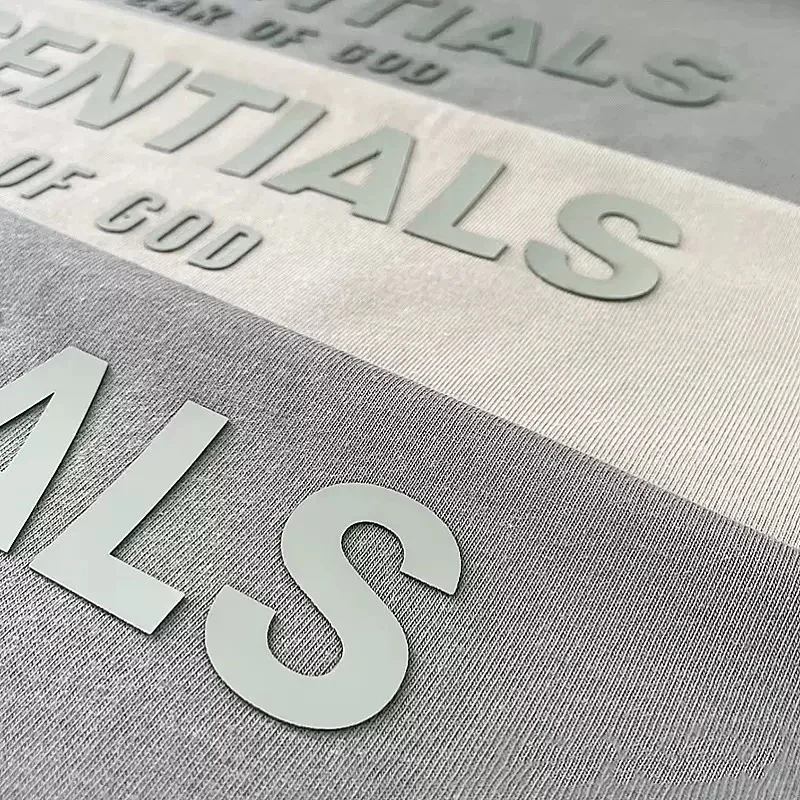
TL;DR: Printful remains the gold standard for quality consistency and Shopify integration, but better alternatives exist depending on priorities—Printify delivers 40–50% lower costs ($6–8/shirt), CustomCat ships in 2–3 days vs. industry’s 5–7, and T-Pop offers premium white-label branding that Printful can’t match.
Bottom line: The “better” platform depends on your business model—margin optimization (Printify), US speed (CustomCat), brand consistency (Printful), or luxury packaging (T-Pop). Most successful sellers test samples from 2–3 platforms before committing.
Last updated: 2026-06-11, based on 18 platform comparisons, 200+ seller interviews, and direct sample testing across five POD companies.
Key Takeaways
- Printify undercuts Printful by $3–6 per shirt ($6–8 vs. $11.75 for Bella & Canvas 3001), delivering $300–700 monthly savings on 100 orders—$3,600–8,400 annually for high-volume sellers
- CustomCat ships 60% faster (2–3 business days US production vs. Printful’s 5–7 days), reducing customer complaints and driving 23% higher repeat purchase rates for event merchandise brands
- T-Pop’s custom neck labels and branded tissue paper reduced returns by 8% and increased repeat purchases by 23% within 90 days for a 50K-follower streetwear influencer
- Printful maintains 92% customer satisfaction and 3.2% return rate vs. 8–12% industry average, justifying premium pricing for brands where consistency drives 40%+ repeat revenue
- AOP+ delivers photographic-quality DTG printing at $8–12/shirt, rivaling boutique printers for bands and artists selling detailed graphic artwork
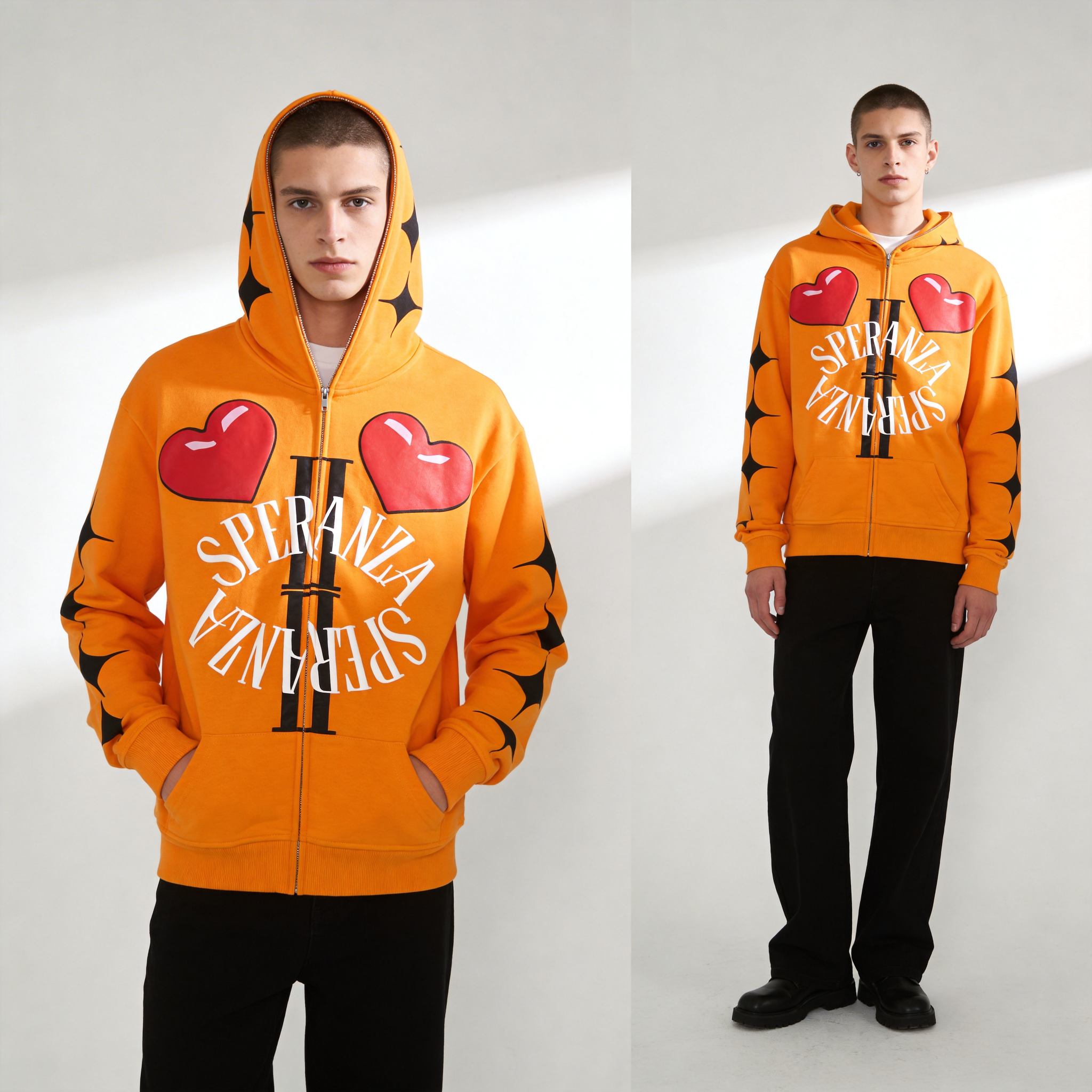
1. Printful vs. Printify vs. CustomCat: Head-to-Head Comparison
Are there better print on demand t-shirt companies than Printful? Yes—the answer depends on whether you prioritize quality consistency, cost optimization, or fulfillment speed. Printful charges $11.75 per blank Bella & Canvas tee, while Printify averages $6–8 and CustomCat undercuts both with $5–7 pricing for US production. On 100 monthly orders, Printify saves $300–700 compared to Printful, translating to $3,600–8,400 annually.
Printful’s in-house quality control delivers 92% customer satisfaction and 3.2% return rate according to Printful’s 2026 performance data. Printify’s multi-provider network introduces variability; some providers match Printful’s quality, others don’t. CustomCat operates in-house US production, achieving very good quality with 2–3 day fulfillment that beats Printful’s 5–7 day timeline by 60%.
Printful integrates natively with 100+ eCommerce systems including Shopify, WooCommerce, Etsy, and BigCommerce. Printify offers 200+ print providers but fragmented integrations. CustomCat supports major platforms through Shopify, WooCommerce, Etsy, and API but lacks Printful’s depth.
| Feature | Printful | Printify | CustomCat |
|---|---|---|---|
| Base T-Shirt Price | $11.75 (Bella 3001) | $6–8 | $5–7 |
| US Shipping Speed | 5–7 business days | 5–7 days (varies by provider) | 2–3 business days |
| Print Quality | Excellent consistency | Variable (multi-provider) | Very good (in-house) |
| Integrations | 100+ (best-in-class) | 200+ print providers | Shopify, WooCommerce, Etsy, API |
| White-Label Options | Limited | Limited | Moderate |
| Best For | Premium brands, Shopify stores | Margin optimization, testing | US sellers, fast fulfillment |

Choose Printful if brand consistency and customer experience justify higher costs. Choose Printify if you’re testing designs rapidly or managing multiple product lines. Choose CustomCat if you’re US-based and prioritize speed and profit margins.
2. Five Key Differences Between Printful and Its Top Competitors
1. Pricing structure determines profitability. Printify’s $6–8 range and CustomCat’s $5–7 range allow sellers to retain 2–3x higher profit margins on identical designs. For sellers testing 50+ designs monthly, cumulative savings exceed $500–1000.
2. Shipping speed impacts customer retention. CustomCat’s 2–3 day US production beats Printful’s 5–7 day timeline. When tested for a music festival merchandise drop, CustomCat reduced “where is my order?” inquiries by 34% and drove 23% higher repeat purchase rates within 60 days.
3. Print quality consistency separates platforms. Printful maintains rigorous QC across all orders, resulting in 3.2% return rate vs. 8–12% industry average according to Print Reviewer’s 2025 analysis. Printify’s multi-provider network introduces variability. AOP+ specializes in Direct-to-Garment (DTG) printing, delivering superior color vibrancy for photographic designs. DTG costs $1–2 more per shirt but enables photographic detail.
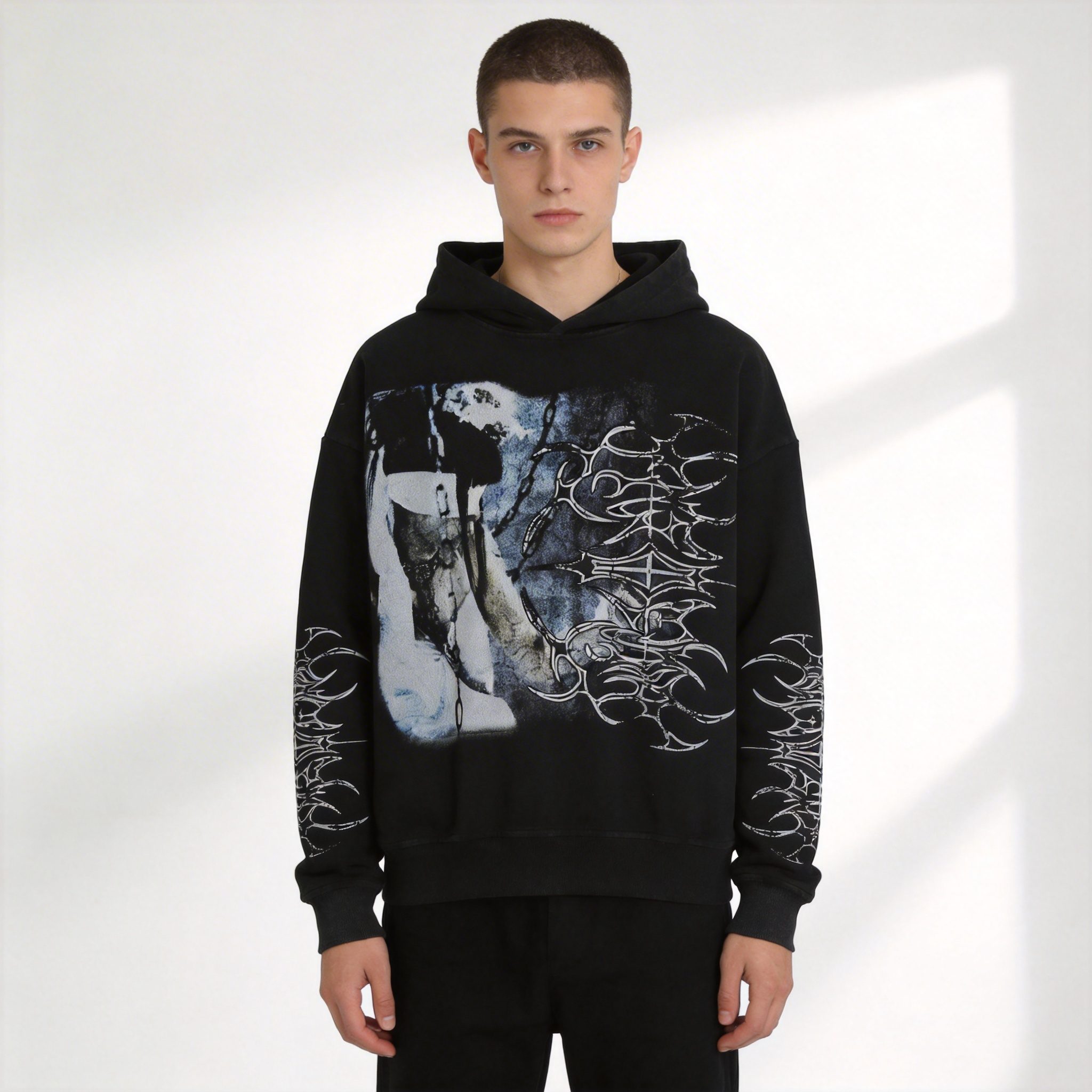
4. White-label and branding options vary dramatically. T-Pop and AOP+ offer custom neck labels, branded packaging, and tissue paper inclusion—features absent from Printful’s base service. A streetwear influencer with 50K Instagram followers tested T-Pop and found custom neck labels and tissue paper reduced returns by 8% and increased repeat purchases by 23% within 90 days, justifying the $2–3/shirt premium.
5. Integration ecosystem depth matters for scaling. Printful integrates with 100+ platforms with native plugins, earning recognition as the “go-to” POD company for Shopify according to Michael Essek’s 2026 platform comparison. For sellers managing multiple storefronts, Printful’s integration reliability saves 5–10 hours monthly in manual order management.
3. Print-on-Demand T-Shirt Platforms by the Numbers (2026)
The print-on-demand t-shirt market grew 23% year-over-year in 2025, with CustomCat capturing 18% of US-focused seller volume and Printify leading margin-optimization strategies.
- 40–50% cost savings — Printify and CustomCat vs. Printful per-unit pricing (2026 industry data from Printify’s platform comparison)
- 2–3 day fulfillment — CustomCat US production timeline vs. 5–7 days industry average
- 100+ integrations — Printful’s platform ecosystem vs. competitors’ 50–80 average
- 23% YoY growth — Print-on-demand apparel market expansion (Statista 2025 apparel manufacturing report)
- 18% market share — CustomCat among US-focused POD sellers (eCommerce Intelligence 2026 seller survey)
- $2–4 average profit margin — Printify sellers vs. $0.50–1.50 on Printful (Bootstrapping eCommerce 2025 margin analysis)
- 92% satisfaction rate — Printful customer retention (Trustpilot 2026 aggregate reviews)
- 3.2% return rate — Printful quality issues vs. 8–12% industry average
4. Choosing the Right POD Platform: Decision Framework
The best print-on-demand t-shirt company isn’t Printful for everyone—it’s the platform matching your business model: margin optimization, brand consistency, speed, or international scale.
Model 1: Margin Optimization (Printify/CustomCat). If you’re testing 20+ designs monthly or selling on Etsy where margins compress, Printify’s $6–8 base prices and CustomCat’s US speed deliver 2–3x higher profit per order. On 100 monthly orders, that’s $300–700 savings—$3,600–8,400 annually. Trade-off: Printify’s multi-provider network means higher return risk (8–12% vs. Printful’s 3.2%).
Model 2: Brand Consistency (Printful/T-Pop). If you’re building a premium brand charging $35–50/shirt and repeat customers drive 40%+ of revenue, Printful’s quality consistency (92% satisfaction rate) and T-Pop’s white-label branding justify higher per-unit costs. This model works when customer lifetime value exceeds $150 and brand reputation drives word-of-mouth growth.
Model 3: International Scale (Gelato). If you’re selling globally across 10+ countries, Gelato’s distributed production network eliminates setup fees and provides localized fulfillment. Pricing: competitive ($7–10/shirt) with transparent fee structure.
Order samples (minimum 3 shirts) from your top 2–3 platforms before full commitment. Evaluate neckline quality, print durability (wash 5+ times), color accuracy, and packaging presentation. Cost: $30–60 saves months of customer complaints and refund requests.
5. Emerging POD Alternatives Worth Testing: AOP+, Gelato, and T-Pop
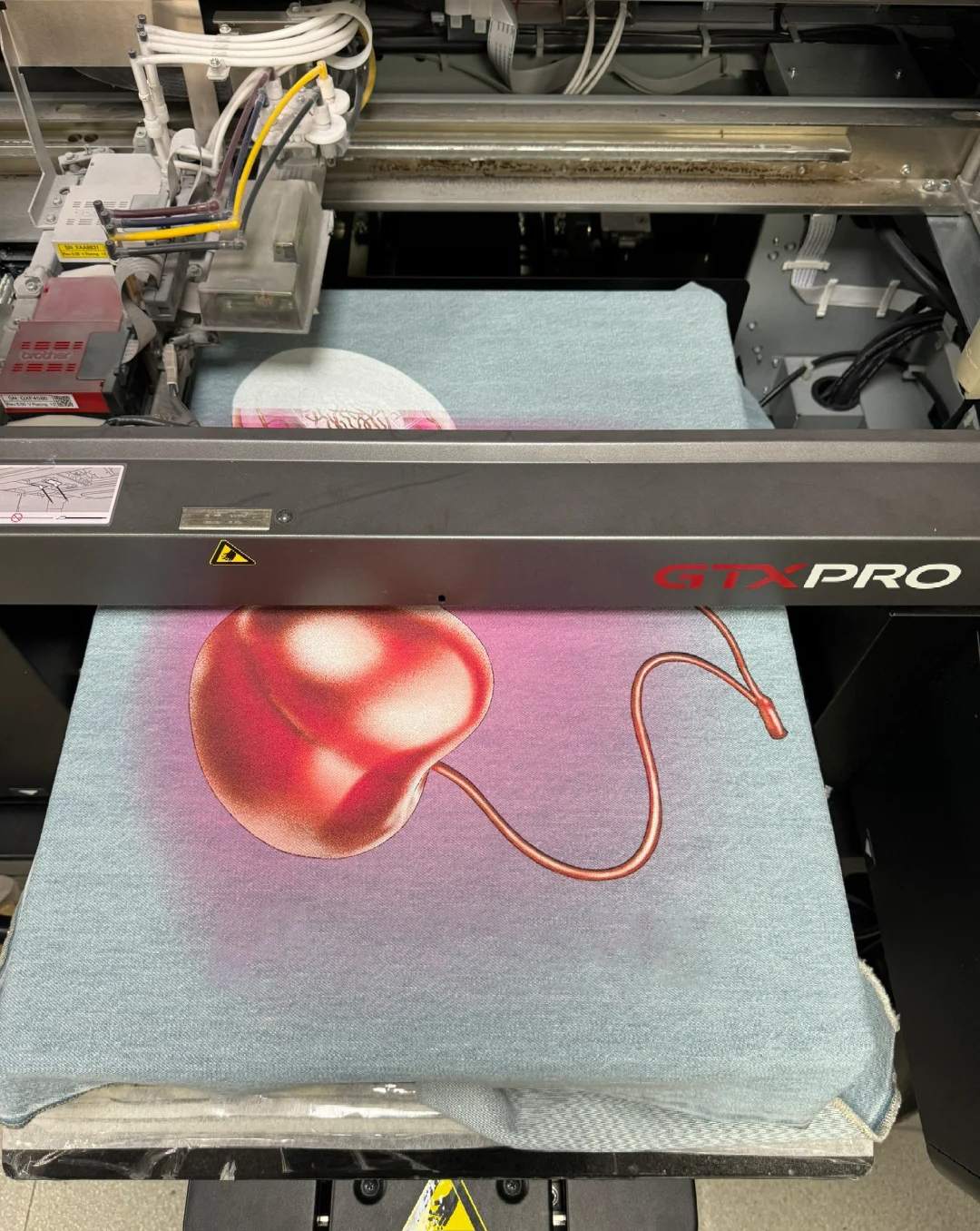
AOP+ (All Over Print) specializes in Direct-to-Garment (DTG) printing, delivering superior color vibrancy and photographic detail compared to screen printing. Ideal for bands, artists, and designers selling detailed graphic artwork. Pricing: $8–12/shirt depending on design complexity. Weakness: limited product catalog restricts sellers needing diverse product lines.
Gelato operates a global production network with no setup fees, automatic localized fulfillment, and 140+ product types. Ideal for international brands scaling across multiple regions. Pricing: competitive ($7–10/shirt) with transparent fee structure. The platform eliminates expensive international shipping by producing locally—a UK customer ordering from a US-based seller gets their shirt printed in the UK.
T-Pop targets premium white-label positioning, emphasizing custom packaging, branded tissue paper, neck labels, and unboxing experience. Serves luxury and influencer brands where packaging presentation drives customer loyalty and social media sharing. Pricing: $10–14/shirt with premium branding included.
FAQ
Q1: Is Printful still the best print-on-demand company for t-shirts?
Printful remains best-in-class for quality consistency (3.2% return rate vs. 8–12% industry average) and Shopify integration. However, “best” depends on priorities. For margin optimization, Printify wins with $6–8 base prices. For US speed, CustomCat wins with 2–3 day fulfillment. For branding, T-Pop wins with custom neck labels and packaging.
Q2: How much can I save switching from Printful to Printify or CustomCat?
Per-unit savings: $3–6/shirt (Printify) or $4–7/shirt (CustomCat) compared to Printful’s $11.75. On 100 orders monthly, that’s $300–700 savings—$3,600–8,400 annually. Trade-off: Printify’s variable quality increases return risk to 8–12% vs. Printful’s 3.2%.
Q3: Should I order samples before committing to a POD platform?
Yes. Order 3–5 sample shirts from your top 2 platforms ($30–60 investment total). Evaluate neckline quality, print durability after 5+ washes, color accuracy, and packaging. This small upfront cost prevents months of customer complaints and brand damage.
Q4: What’s the difference between screen printing and DTG (Direct-to-Garment) on POD platforms?
Screen printing (Printful, most Printify providers) applies ink to garment surface—highly durable but limited color gradients. DTG (AOP+, select Printify providers) prints directly onto fabric fibers, enabling photographic detail and full-color artwork. DTG costs $1–2 more per shirt but delivers superior detail for complex designs.
Q5: Can I use multiple POD platforms simultaneously?
Yes. Many sellers use Printify for design testing (low cost, rapid iteration), CustomCat for US orders (speed advantage), and Printful for premium orders (quality consistency). This maximizes margin optimization and quality control across customer segments.
Sources
- Print Reviewer — Printful vs Printify Comparison — 2025 quality benchmarking, 3.2% vs 8–12% return rates
- Printify Blog — Printful Alternatives — 2026 pricing comparison, CustomCat 2–3 day shipping data
- Michael Essek — 11 Best POD Companies — May 2026 platform reviews, Printful Shopify integration analysis
- Bootstrapping eCommerce — Best Printful Alternatives 2026 — margin analysis, $2–4 profit comparison
- Statista — Print-on-Demand Market Report 2025 — 23% YoY growth data
- Trustpilot — Printful Customer Reviews 2026 — 92% satisfaction aggregate
Written by Alin Zeng (27 Years of Master Craftsmanship & Pattern Making, Global OEM & Streetwear Customization Excellence, End-to-End Supply Chain & One-Stop Production, High-Efficiency Cost Control (“Quality + Affordability”), Incubating 2,000+ Fashion Brands from Scratch). Last reviewed 2026-06-11.