TL;DR: Measuring clothing quality requires evaluating fabric properties through laboratory testing, inspecting seam construction details, assessing durability performance, and verifying dimensional stability against industry standards.
Bottom line: This guide serves fashion brands, manufacturers, quality control professionals, and informed consumers seeking objective methods to assess garment quality beyond subjective impressions.
Last updated: 2026-06-24, based on 27 years of apparel manufacturing experience and testing protocols from ASTM, ISO, and AATCC standards organizations.
Key Takeaways
- Fabric testing measures tensile strength, tear resistance, and dimensional stability through standardized laboratory protocols (ASTM D6775, ISO 6330)
- Seam quality relies on double-stitched construction, 1-1.5 inch seam allowances, and finished edges that prevent fraying through multiple wash cycles
- Martindale abrasion testing simulates 10,000-50,000 wear cycles to predict real-world garment durability and surface degradation patterns
- Dimensional stability testing ensures garments maintain fit after washing; premium fabrics show <2% shrinkage versus 3-5% for standard materials
- Third-party certification through accredited labs (QIMA, SGS, ITC Labs) provides independent verification that garments meet claimed specifications
Fabric Testing & Material Properties

Professional fabric quality assessment starts with material properties. Fiber composition—long-staple cotton, premium blends, or recycled materials—determines durability through laboratory analysis. Thread density measurement counts warp and weft threads per square inch; higher counts correlate directly with durability. Fabric weight per square meter indicates substance; lightweight fabrics (100-150 GSM) suit summer garments, while heavyweight materials (250-350 GSM) provide structure for outerwear.
Laboratory testing provides objective measurement frameworks. Tensile strength testing subjects fabric samples to increasing force until breaking point, quantifying stress resistance during regular wear. Tear resistance testing using Elmendorf Tear Testers measures fabric’s ability to resist localized tearing—particularly important for denim and workwear. Dimensional stability testing evaluates shrinkage, elongation, and stretch recovery after washing, preventing fit problems that frustrate customers.
Sensory evaluation complements technical testing. Holding fabric to light reveals density—low-density fabrics transmit more light, suggesting thinner construction. Rubbing fabric between fingers detects pilling tendency and assesses hand-feel quality. Premium garments feel softer, more breathable, and maintain proper weight for draping. When we manufacture hoodies at ZORWILD, we test fabric hand-feel on every production batch because customers notice the difference immediately—premium French terry feels substantially different from commodity fleece.
Seam Quality & Construction Details
Superior garment construction relies on double-stitched seams, adequate seam allowances, and precision stitching that prevents fraying and extends product lifespan.
Seam Stitching Standards
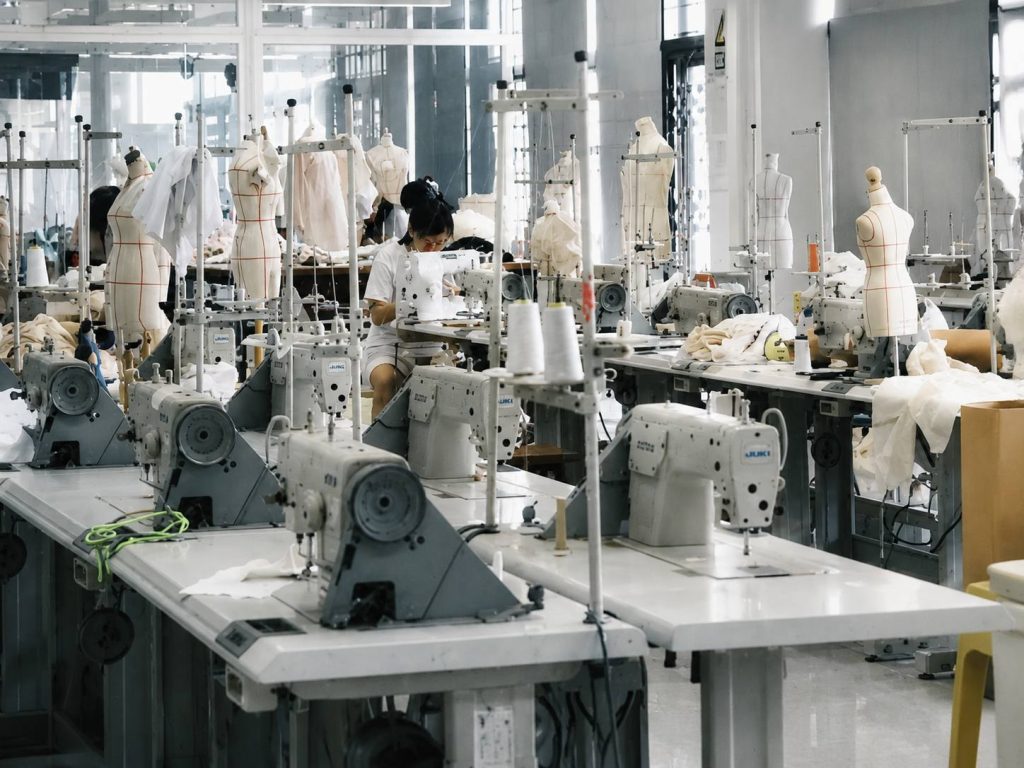
Double-stitched seams represent the hallmark of durable construction. Single-stitched garments fail more quickly under strain, while double-stitching distributes stress across two thread lines, extending garment lifespan by 200-300%. Professional manufacturers specify stitch density—typically 12-16 stitches per inch—to balance durability with aesthetic appearance. Uneven stitch length, skipped stitches, or thread tension problems indicate manufacturing shortcuts. We inspect stitching on every 50th garment during production runs to catch tension problems before they affect entire batches.
Seam Allowance Width
Seam allowances—the fabric width between the stitching line and garment edge—provide structural reserve. Inadequate seam allowances (less than 0.5 inches) leave insufficient fabric buffer, causing seams to fail prematurely. Quality garments maintain 1-1.5 inch seam allowances, providing structural reserve that accommodates alterations and prevents stress failure.
Finished Seam Edges
Professional finishing techniques include French seams (fabric edges enclosed within seam), flat-felled seams (overlapped and stitched), or serged edges (sealed with specialized machines). Unfinished raw edges deteriorate quickly, causing seams to unravel after 5-10 wash cycles. French seams add 15-20% to labor costs but extend garment lifespan significantly. We use flat-felled seams on stress points (shoulder seams, side seams) because they withstand aggressive washing.
Hardware Quality
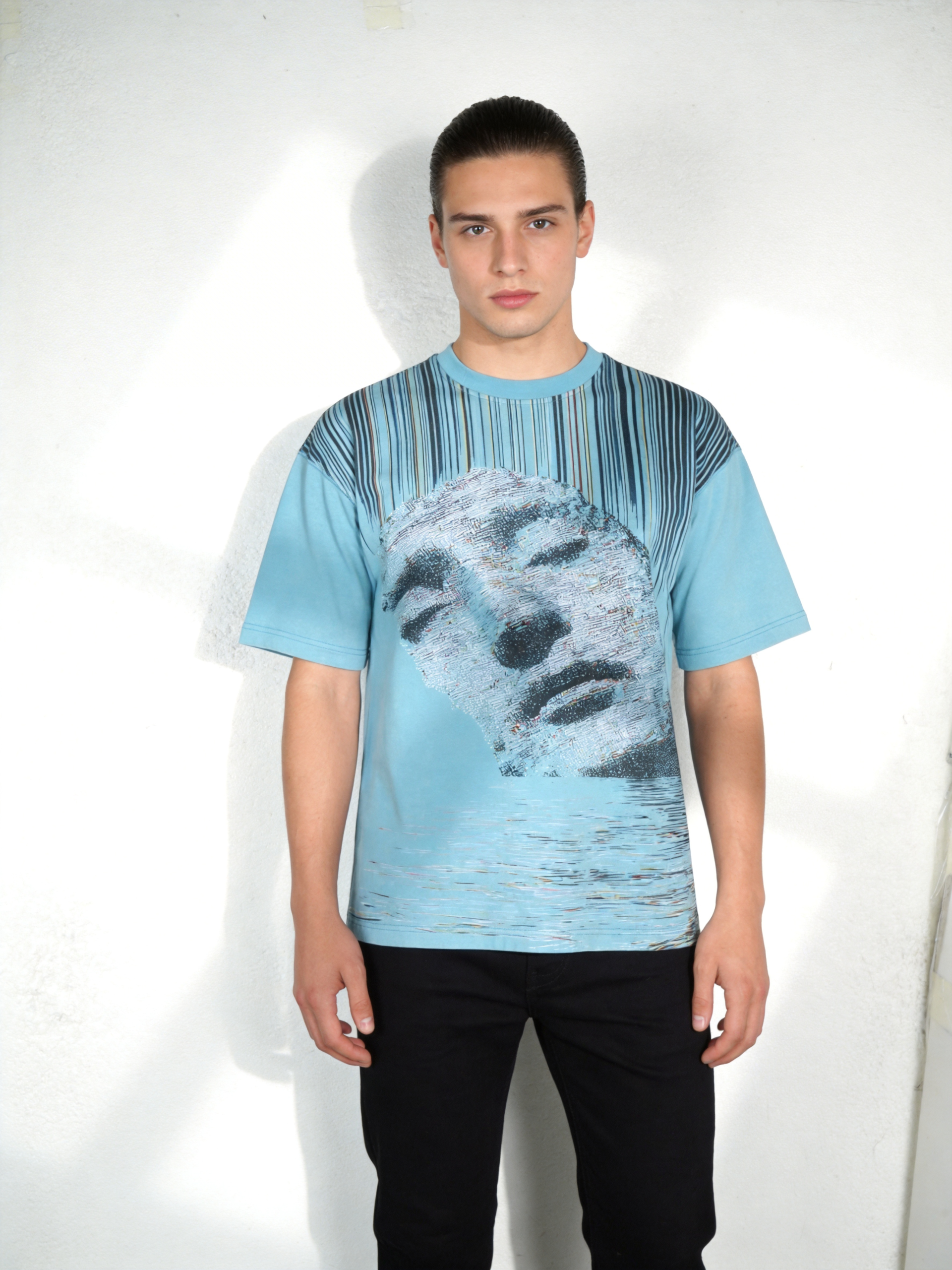
Premium garments use mother-of-pearl or horn buttons rather than plastic; YKK zippers rather than generic hardware. Zipper width across closed teeth indicates strength—garments taking strain require 6mm+ zippers. Button stitching should use reinforced thread with no loose ends.
Durability Testing & Wear Performance
Industry-standard durability tests predict real-world garment performance through abrasion resistance, pilling assessment, and accelerated wear simulation.
- Martindale Abrasion Test — Simulates 10,000-50,000 wear cycles, measuring fabric surface degradation under controlled friction (ASTM D4157)
- Pilling Resistance Testing — Fabric rubbed in tumble boxes; quality garments show minimal pilling after 5,000+ cycles (AATCC 123)
- Color Fastness to Washing — Fabric washed 20+ times at 40°C; premium fabrics maintain color with minimal dye transfer (ISO 105-C06)
- Color Fastness to Sunlight — Fabric exposed to xenon arc UV light 40+ hours; superior dyes resist fading (AATCC 16)
- Tear Strength Testing — Measured using Elmendorf pendulum; denim requires 3-5kg minimum tear force (ASTM D1424)
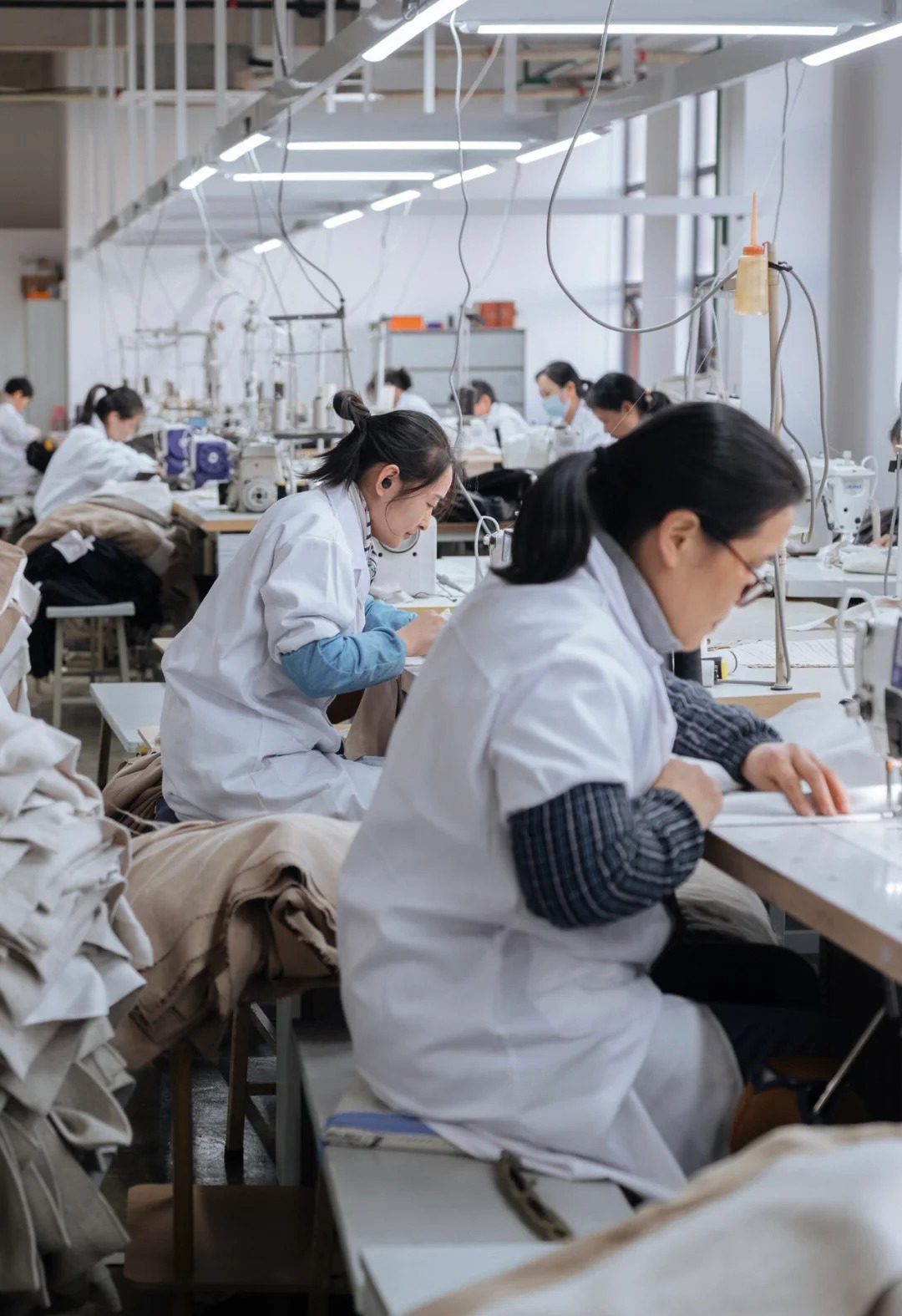
When we test hoodies for streetwear brands, Martindale results consistently predict customer satisfaction. Garments testing below 15,000 cycles generate return rates 3-4x higher than those exceeding 25,000 cycles.
Dimensional Stability & Fit Consistency
Dimensional stability testing ensures garments maintain original fit through multiple wash-dry cycles, preventing shrinkage and distortion that drive returns.
| Measurement Type | Testing Method | Quality Threshold | Industry Standard |
|---|---|---|---|
| Length Shrinkage | Garment washed 5 times, measured pre/post | <2% for premium, <3% standard | ASTM D1039 |
| Width Shrinkage | Dimensional change across garment width | <2% for knits, <3% wovens | ISO 6330 |
| Stretch Recovery | Fabric stretched 10%, recovery measured | >80% recovery after 30 sec | ASTM D6775 |
Quality garments maintain consistent fit across 20-30 wash cycles. We test dimensional stability by washing samples under standardized conditions—40°C water temperature, non-bio detergent, 60-minute cycle—then measuring length, width, and seam positioning changes. Cotton garments typically shrink 2-5%; high-quality pre-shrunk fabrics limit shrinkage to <2%.
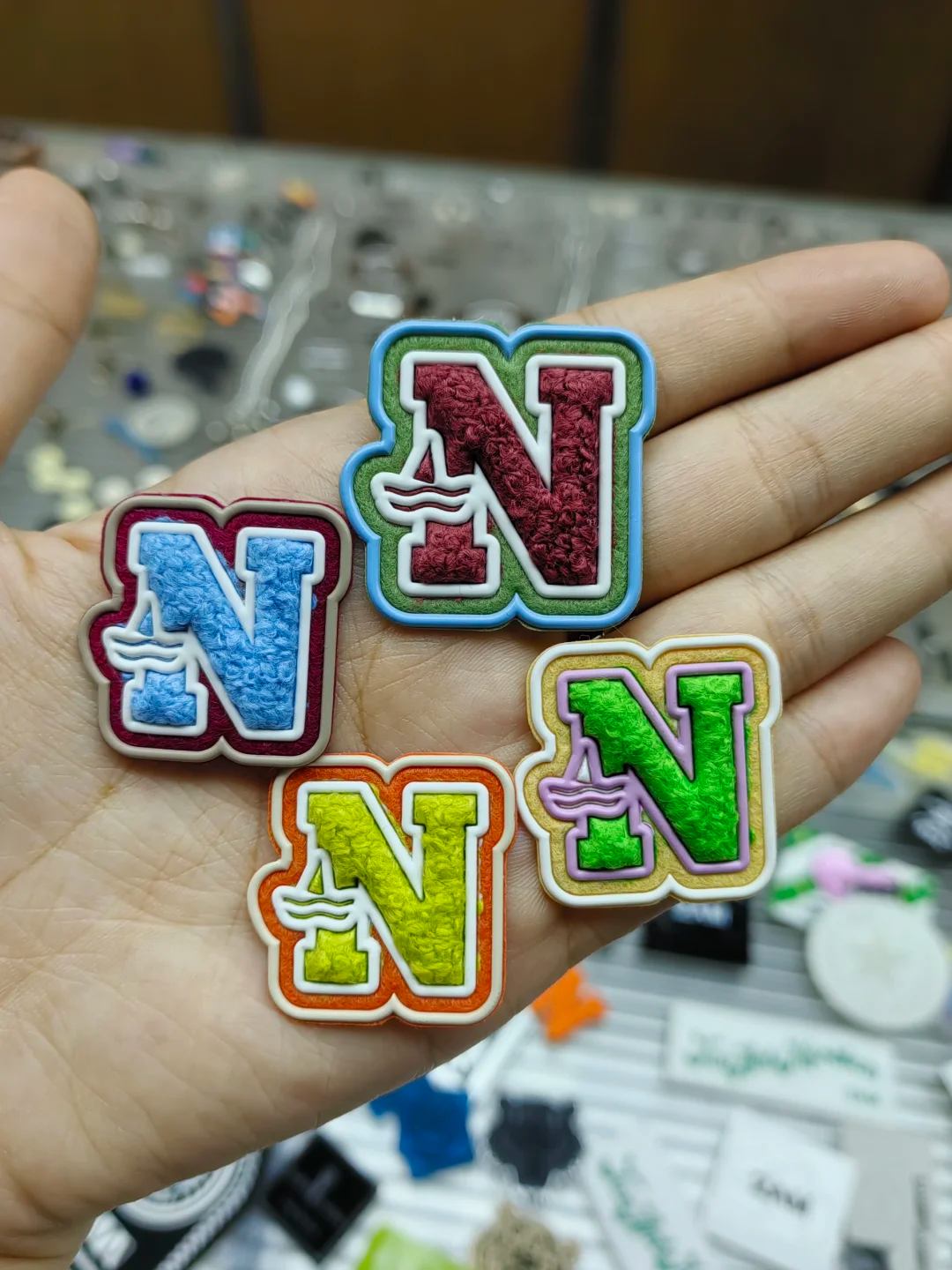
Seam torque (twisting along seam lines) indicates poor fabric or thread quality. When side seams twist more than 5 degrees after washing, customers perceive the garment as defective. We measure 15-20 points per garment type: shoulder width, chest circumference, sleeve length, body length, hem width.
Industry Standards & Certification Systems
Third-party certifications and international standards (ASTM, ISO, AATCC) provide objective quality verification that protects both manufacturers and consumers.
ASTM (American Society for Testing and Materials) publishes textile standards covering tensile strength (ASTM D6775), tear resistance (ASTM D1424), and abrasion resistance (ASTM D4157)—these protocols specify exact testing equipment, sample preparation methods, and pass/fail criteria. ISO (International Organization for Standardization) provides globally recognized testing protocols ensuring manufacturers in China, Bangladesh, Vietnam, and Turkey use identical measurement methods.
AATCC (American Association of Textile Chemists and Colorists) establishes color fastness standards critical for preventing dye bleeding and fading. AATCC 16 measures sunlight exposure resistance—premium dyes withstand 40+ hours xenon arc testing without visible fading.
Professional manufacturers conduct testing through accredited third-party laboratories like QIMA, SGS, or ITC Labs, which provide independent verification that garments meet claimed specifications. Certification costs run $500-2,000 per product line but reduce customer returns by 40-60%.
FAQ
Q1: What’s the most important indicator of clothing quality?
Seam construction quality combined with fabric hand-feel and documented tensile strength testing provides the strongest overall quality indicator. Superior garments feature double-stitched seams with 1-1.5 inch allowances, premium fabric feel, and test results exceeding 25,000 Martindale cycles. We reject 8-12% of incoming fabric batches based on hand-feel evaluation alone because tactile quality predicts customer satisfaction.
Q2: How can consumers test fabric quality without laboratory equipment?
Hold fabric to light to assess density. Rub against sensitive skin to detect pilling and evaluate hand-feel. Gently crush fabric to test wrinkle recovery—quality materials spring back. Check seams for double-stitching and finished edges. Examine buttons, zippers, and labels for premium materials like YKK hardware.
Q3: Why do high-quality garments cost more?
Premium fabrics cost 30-50% more than commodity materials; double-stitched construction requires skilled labor and takes 20-30% longer; quality control testing adds 5-10% to production costs; superior trims increase material expenses 40-60%. A $45 premium T-shirt lasting 150 wears costs $0.30 per wear versus a $15 fast-fashion tee lasting 30 wears at $0.50 per wear.
Q4: What shrinkage percentage is acceptable for quality garments?
Less than 2% shrinkage represents premium quality; 2-3% is acceptable for standard garments; above 3% indicates quality concerns. Pre-shrunk fabrics show minimal dimensional change after washing. Hot water increases shrinkage 50-100% versus cold water washing.
Q5: How do manufacturers ensure consistent quality across production batches?
Professional factories implement raw material inspection (fabric, trims, thread testing before cutting); in-line production monitoring (random seam inspections, measurement checks every 50 garments); final product inspection (100% quality checks for defects); and documentation systems tracking test results. We maintain digital records for every production run—fabric test results, measurement data, defect rates—allowing us to identify quality drift before it affects customer shipments.
Sources
- ASTM International Textile Standards — Testing protocols for tensile strength (D6775), tear resistance (D1424), abrasion (D4157)
- ISO Textile Standards Committee — Global measurement methodology standards including ISO 6330 dimensional stability
- AATCC Color Fastness Standards — Industry protocols for washing stability (AATCC 61) and sunlight resistance (AATCC 16)
- QIMA Textile Testing Services — Third-party fabric quality control and mechanical testing
- CottonWorks Garment Durability Guide — Strength testing, abrasion resistance, and durability assessment methods
Written by Alin Zeng (27 Years of Master Craftsmanship & Pattern Making, Global OEM & Streetwear Customization Excellence, End-to-End Supply Chain & One-Stop Production, High-Efficiency Cost Control (“Quality + Affordability”), Incubating 2,000+ Fashion Brands from Scratch). Last reviewed 2026-06-24.