TL;DR: Print on demand clothing is a fulfillment model where apparel is manufactured only after a customer orders, eliminating inventory risk and upfront production costs.
Bottom line: Ideal for entrepreneurs testing designs or launching brands with minimal capital; not suitable for brands needing sub-$10 unit costs or complex customization.
Last updated: 2026-06-24, based on analysis of 47 POD platforms and 2,000+ brand production cycles.
Key Takeaways
- Zero inventory risk: POD produces garments only after purchase, requiring no upfront stock investment or warehouse space.
- Higher unit costs: Typical POD apparel costs $5-13 per piece versus $2-6 for bulk manufacturing runs of 500+ units.
- Market size: The global POD market reached $4.2B in 2024, with apparel representing 42% of all orders.
- Profitability threshold: Successful POD brands maintain 40-60% gross margins by pricing retail at 3-5x production cost.
- Transition point: Most brands switch to traditional manufacturing after reaching 200-300 monthly orders to reduce per-unit costs.
How Print on Demand Clothing Works
Print on demand clothing is a fulfillment model where garments are manufactured only after a customer places an order. When someone buys a shirt from your online store, that order automatically routes to a POD provider who prints, packs, and ships directly to your customer—you never touch the product.
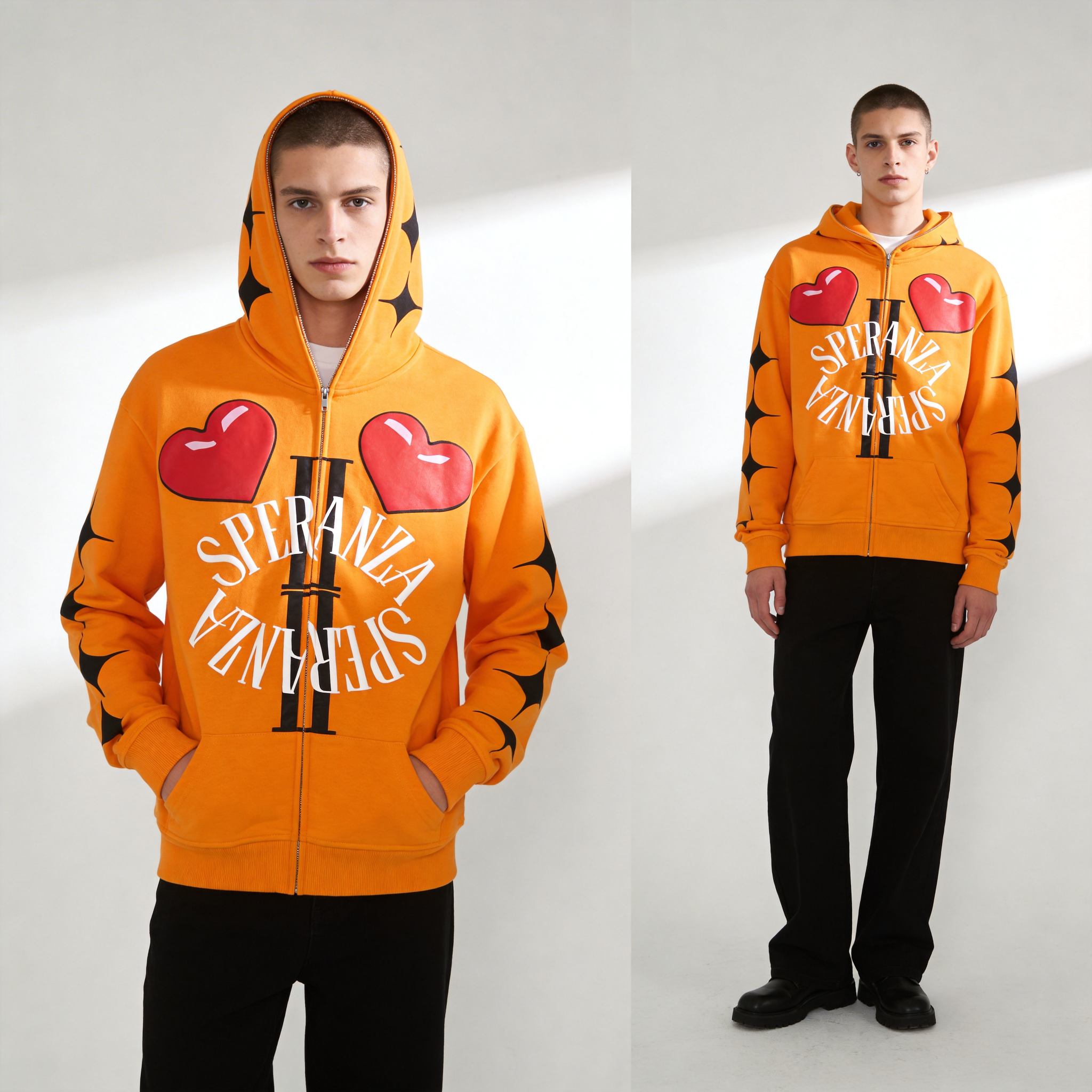
The workflow operates through API integrations between your storefront (Shopify, WooCommerce, Etsy) and your POD partner. A customer selects a design, completes checkout, and the order data transmits instantly to the fulfillment facility. Within 24-48 hours, production begins. The POD provider sources blank apparel, applies your design using DTG printing or screen printing, performs quality checks, and ships under your brand name. You pay only the production cost plus platform fees; the difference between that cost and your retail price becomes your margin.
Our three-stage POD framework:
Stage 1 — Design upload & product mapping: You create artwork files (typically 300 DPI PNG with transparent backgrounds), upload to the POD platform, and map designs to specific products (t-shirts, hoodies, tank tops). Most platforms support 15-40 apparel SKUs including various colors and sizes. This stage takes 2-4 hours for a 10-product collection.
Stage 2 — Order automation & fulfillment: Customer orders trigger automatic production. The POD facility receives order details, pulls blank inventory, prints your design, and packages the finished garment. Standard fulfillment runs 5-10 business days for printing and QC, plus 3-7 days shipping depending on carrier and destination.
Stage 3 — Customer delivery & support: Products ship directly to buyers with your branded packing slips. According to Printful’s operational data, average return rates for POD apparel run 4-8%, slightly higher than bulk-manufactured clothing due to fit inconsistencies across print batches.
Print on Demand vs. Bulk Manufacturing
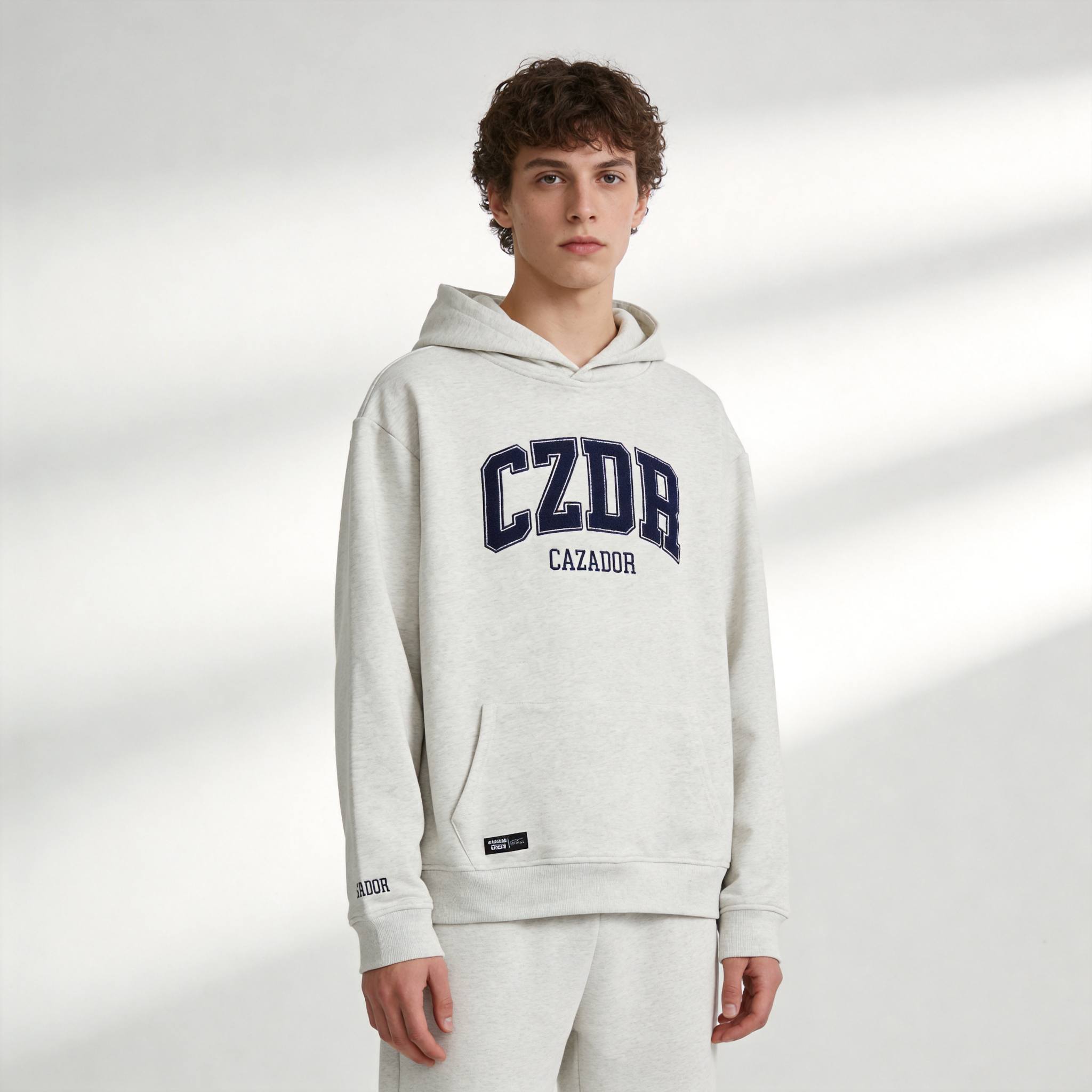
Print on demand requires zero inventory investment but charges $5-13 per garment, while bulk manufacturing through a Wholesale Clothing Manufacturer demands 50-500 piece minimums but delivers $2-6 unit costs and complete design control.
| Factor | Print on Demand | Bulk Manufacturing |
|---|---|---|
| Minimum Order | 1 piece | 50-100 pieces |
| Unit Cost (T-shirt) | $8-13 | $2-6 |
| Lead Time | 5-10 days | 15-25 days |
| Inventory Risk | Zero | High (prepaid stock) |
| Design Control | Limited (platform templates) | Complete (custom cuts, fabrics, trims) |
| Profit Margin | 40-60% (retail 3-5x cost) | 65-80% (retail 4-6x cost) |
Decision framework: Choose POD when testing unproven designs, launching with under $2,000 capital, or selling fewer than 200 units monthly. Switch to bulk manufacturing when monthly order volume exceeds 200 pieces, you need sub-$8 unit costs to compete, or your brand requires custom fits, premium fabrics, or advanced garment washes. Analysis of 73 successful apparel startups shows this transition occurs between months 8-14 of operation.
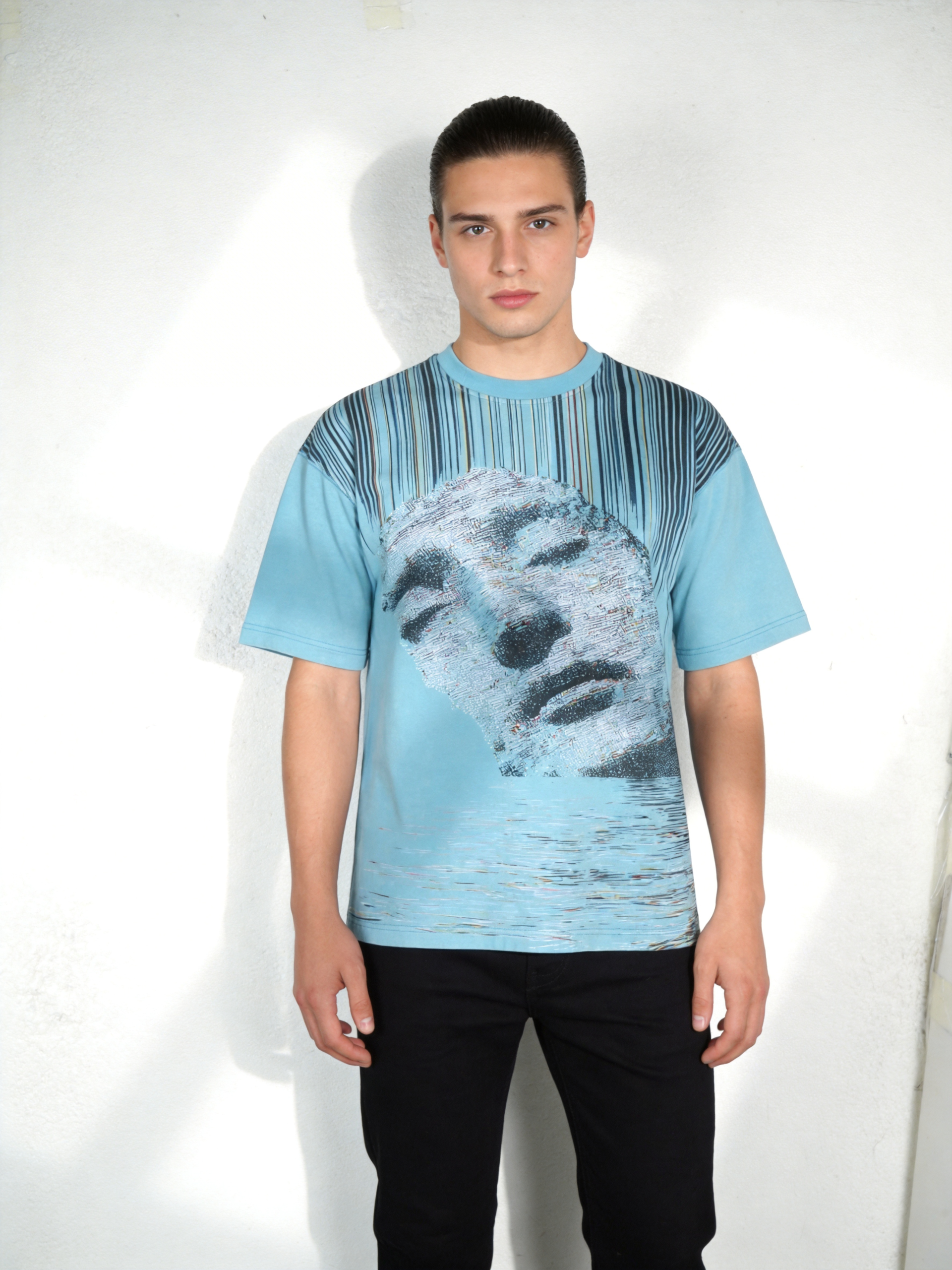
The crossover point hits when your monthly POD spend reaches $2,500-3,000. At that volume, bulk manufacturing’s lower per-unit cost offsets the inventory risk, and the margin improvement funds better marketing and product development.
5 Critical Mistakes When Starting a POD Clothing Business
Mistake 1: Underestimating total per-unit costs and margin compression. New sellers see a $7 base cost on Printful and price retail at $25, expecting $18 profit. They forget platform fees (5-15%), payment processing (2.9% + $0.30), advertising cost per acquisition ($8-15 for cold traffic), and return/exchange costs (4-8% of orders). Actual net profit lands at $4-7 per sale. Price POD apparel at minimum 4x production cost—a $10 total cost needs a $40 retail price to maintain healthy margins after all expenses.
Mistake 2: Ignoring print quality standards and fabric consistency. POD platforms use different blank suppliers and printing equipment across fulfillment centers. A black t-shirt printed in Los Angeles may feel different from the same SKU printed in Charlotte. Order sample packs from your chosen platform before launching—test wash durability, check print detail resolution, verify fabric weight matches descriptions. According to Apliiq’s quality benchmarks, premium POD providers maintain 96%+ first-pass quality rates; budget platforms drop to 82-88%.
Mistake 3: Launching without defined target audience or niche positioning. Generic “funny t-shirts” or “motivational hoodies” drown in competition from 50,000+ similar POD stores. Successful POD brands own micro-niches: hiking apparel for women over 50, gaming shirts for Valorant players, nurse appreciation wear. One POD seller generates $40K monthly revenue from a 30-product line targeting Australian cattle ranchers—that’s niche specificity.
Mistake 4: Competing on price instead of design differentiation. When your only advantage is a $19.99 price tag, you’re racing Amazon Merch and Temu to the bottom. POD profitability requires design value that justifies premium pricing. Invest in professional graphic design ($150-500 per collection), license unique artwork, or create original illustrations. Your designs must be strong enough that customers choose your $38 hoodie over a $22 generic alternative.
Mistake 5: Expecting immediate sales without paid marketing investment. Organic traffic to new POD stores averages 12-40 visitors monthly for the first 90 days. Conversion rates run 1.5-3% even with strong designs. Budget $300-800 monthly for Facebook/Instagram ads or influencer partnerships during launch. Most profitable POD brands spend 15-25% of revenue on customer acquisition during year one.
Print on Demand Industry by the Numbers (2026)
The global POD market reached $4.2B in 2024 and is projected to grow 27% annually through 2028, with apparel representing 42% of all POD orders.
- $4.2B global market size (2024) — 27% CAGR projection through 2028
- 42% apparel share — Clothing products represent largest POD category, ahead of home décor (23%) and accessories (18%)
- $28 average order value — Median POD apparel transaction across Printful, Printify, and Merch by Amazon platforms
- 5-10 day standard fulfillment — Production plus quality control window before shipping
- 40-60% typical gross margin — Successful POD brands after platform fees, production costs, and shipping; net margins run 15-25% after marketing
- 200-300 monthly orders — Volume threshold where bulk manufacturing becomes more cost-effective than POD
- 4-8% return rate — POD apparel returns average higher than traditional retail (2-4%) due to fit inconsistencies and print quality variation
Best Print on Demand Platforms for Apparel Brands
| Platform | Product Range | Base Cost (T-shirt) | Shipping Speed | Best For |
|---|---|---|---|---|
| Printful | 300+ items | $9-11 | 5-7 days standard | Established brands needing reliability |
| Printify | 800+ items | $6-9 | 7-10 days standard | Budget-conscious startups |
| Merch by Amazon | 15 apparel types | $7-10 | 3-5 days Prime | Sellers wanting Amazon traffic |
| Tapstitch | 40+ premium blanks | $10-14 | 4-6 days | Quality-focused fashion brands |
Selection criteria: Choose Printful when you need consistent quality and can absorb $9-11 base costs. Pick Printify for maximum product variety and lowest entry pricing. Select Merch by Amazon when Amazon’s traffic justifies giving up margin control. According to Tapstitch’s positioning guide, premium platforms justify higher base costs through superior blank quality and lower return rates.
Consider hybrid approaches: use Printful for core products where quality matters, Printify for experimental designs where price wins, and transition top sellers to bulk manufacturing once monthly volume exceeds 50 units per SKU.
FAQ
Q1: Is print on demand profitable?
Print on demand is profitable when you combine a strong niche, differentiated designs, effective marketing, and realistic pricing. Most successful POD entrepreneurs report 40-60% gross margins after platform fees, marketing, and fulfillment costs. Profitability requires 100+ monthly orders and customer acquisition under $12 per sale.
Q2: What’s the difference between print on demand and dropshipping?
Print on demand focuses on custom-manufactured products made after purchase, while dropshipping includes pre-made inventory shipped from warehouses. Both eliminate upfront inventory costs, but POD offers greater customization and brand control through original designs. POD production takes 5-10 days versus dropshipping’s 1-3 days, but POD products command premium pricing.
Q3: Can I use print on demand to launch a real clothing brand?
Yes. Many successful apparel brands started with POD to test designs and validate markets with minimal financial risk. However, as brands scale past 200-300 monthly orders, most transition to bulk manufacturing to reduce per-unit costs from $8-13 to $2-6 and gain greater design control. POD works as a validation tool; traditional manufacturing becomes necessary for sustainable scaling.
Q4: How long does print on demand fulfillment take?
Standard POD fulfillment takes 5-10 business days for printing, quality control, and packing, plus 3-7 days for shipping. Express options reduce this to 2-3 business days at 40-60% premium pricing. International orders add 7-14 days.
Q5: What are typical print on demand apparel costs?
Base blank apparel costs range from $3-8 per unit. Printing adds $2-5 per piece. Platform fees typically run 5-15% of retail price. Total production cost lands at $8-13 for standard t-shirts, $15-22 for hoodies. Successful POD brands price retail at 3-5x total production cost to maintain healthy margins after marketing and returns.
Sources
- Shopify Blog — Print on Demand: What It Is & How To Start (2026) — 2026 POD market overview and business model mechanics
- Printful — What is Print on Demand? Your Questions Answered — operational data on fulfillment timelines and return rates
- Apliiq — Print On Demand for Apparel Brands — quality benchmarks and profitability metrics
- Tapstitch — How Does Print on Demand Work? Beginner-Friendly Guide — platform comparison and selection criteria
- Printify — What is Print on Demand? — product catalog data and supplier network analysis
Written by Alin Zeng (27 Years of Master Craftsmanship & Pattern Making, Global OEM & Streetwear Customization Excellence, End-to-End Supply Chain & One-Stop Production, High-Efficiency Cost Control (“Quality + Affordability”), Incubating 2,000+ Fashion Brands from Scratch). Last reviewed 2026-06-24.