TL;DR: Patternless sewing uses body measurements, freehand cutting, and improvisation to create garments without commercial patterns—ideal for beginners, independent designers, and sewers seeking creative freedom.
Bottom line: Beginners start with simple cami tops or aprons using measurement drafting; advanced sewers combine draping and pattern hacking for custom silhouettes. Not suited for sewers who prefer rigid instructions or standardized sizing.
Last updated: 2026-06-12, based on 27 years of garment manufacturing experience and 2,000+ fashion brand collaborations.
Key Takeaways
- Measuring and drafting creates custom-fitted garments using body measurements—bust, waist, hip, shoulder width—eliminating commercial pattern dependency for cami tops, simple shirts, and fitted basics.
- Freehand cutting traces existing well-fitting garments onto fabric, replicating successful fit without pattern sheets—beginners complete first projects in 2-3 hours versus 6-8 hours with commercial patterns.
- Pattern hacking modifies commercial patterns through neckline changes, sleeve variations, or design lines—transforming one base pattern into 5-10 unique designs.
- Draping arranges fabric directly on dress forms to create three-dimensional silhouettes, then translates shapes into flat pattern pieces—the foundation of couture garment development.
- Hand-sewing fundamentals (running stitch, backstitch, whip stitch) enable garment construction without machines—suitable for repairs, small projects, and meditative sewing experiences.
1. Measuring, Drafting & Custom Body-Fitted Garments
What are some sewing techniques that do not require a pattern? Measuring and drafting is a foundational patternless technique that uses precise body measurements to create custom garment blocks, eliminating commercial pattern dependency while ensuring perfect fit for individual body proportions.
Custom garment drafting begins with accurate measurement-taking using a tailor’s tape measure. Essential measurements include bust circumference, waist circumference, hip circumference, shoulder width, sleeve length, bodice length, and inseam length. Measurements should be taken while wearing undergarments similar to the finished garment’s intended fit.
Once measurements are documented, sewers draft basic garment blocks—the foundational shapes that form garment templates. A basic bodice block requires bust measurement, waist measurement, shoulder width, and armhole depth. Simple mathematical divisions (typically bust measurement divided by four for front and back panels) create proportional pattern pieces. This custom drafting ensures garments fit individual body types rather than standardized sizing.
| Measurement Type | Application | Typical Garment Categories |
|---|---|---|
| Bust + Waist + Shoulder | Bodice blocks for fitted tops | Cami tops, blouses, fitted shirts |
| Hip + Inseam + Rise | Lower body blocks | Pants, shorts, skirts |
| Sleeve Length + Armhole Depth | Sleeve templates | Long sleeves, three-quarter sleeves, cap sleeves |
Cami tops exemplify beginner-friendly drafted garments. Sewers measure bust circumference, desired length, and strap width, then cut rectangular fabric pieces with appropriate seam allowances. Hand-stitching or machine-sewing simple seams creates fitted tops without pattern sheets.
2. Freehand Cutting & Reference Garment Tracing
Freehand cutting uses existing garments as three-dimensional templates, eliminating the need for commercial patterns. This technique suits sewers who already own garments with perfect fit and desired silhouettes—a favorite t-shirt, comfortable button-up shirt, or preferred dress becomes the blueprint for new creations.
The process begins with selecting a well-fitting reference garment in the desired style category. The garment is laid flat on fabric (or pattern paper), then carefully traced around edges using tailor’s chalk, fabric markers, or pins. Tracing captures neckline curves, armhole shapes, sleeve proportions, and hemlines exactly as they exist in the reference garment.
Sewers can trace multiple reference garments, combining preferred elements—a t-shirt’s neckline with a dress’s sleeve length, for example. According to Makyla Creates’ beginner sewing guide, this hands-on learning accelerates skill development while building confidence in garment creation—most beginners complete their first traced project within one afternoon versus multiple days with commercial patterns.
3. Pattern Hacking & Design Modifications
Pattern hacking represents an intermediate patternless technique where sewers begin with comfortable commercial patterns, then systematically modify specific design elements. This approach builds confidence gradually while developing pattern-reading skills and design intuition.
Neckline modifications offer the simplest pattern hack entry point. Sewers alter crew necklines to v-necks, scoop necks, or boat necks by redrawing neckline curves on existing pattern pieces. This single modification completely transforms garment appearance and style versatility.
Sleeve modifications create dramatic design changes. Converting long sleeves to short sleeves, three-quarter sleeves, or cap sleeves involves straightforward pattern piece adjustments. Sewers can also modify sleeve width for oversized or fitted aesthetics.
Common Pattern Hacking Modifications:
- Neckline alterations — Redraw neckline curves to create v-necks, scoop necks, boat necks, or square necklines.
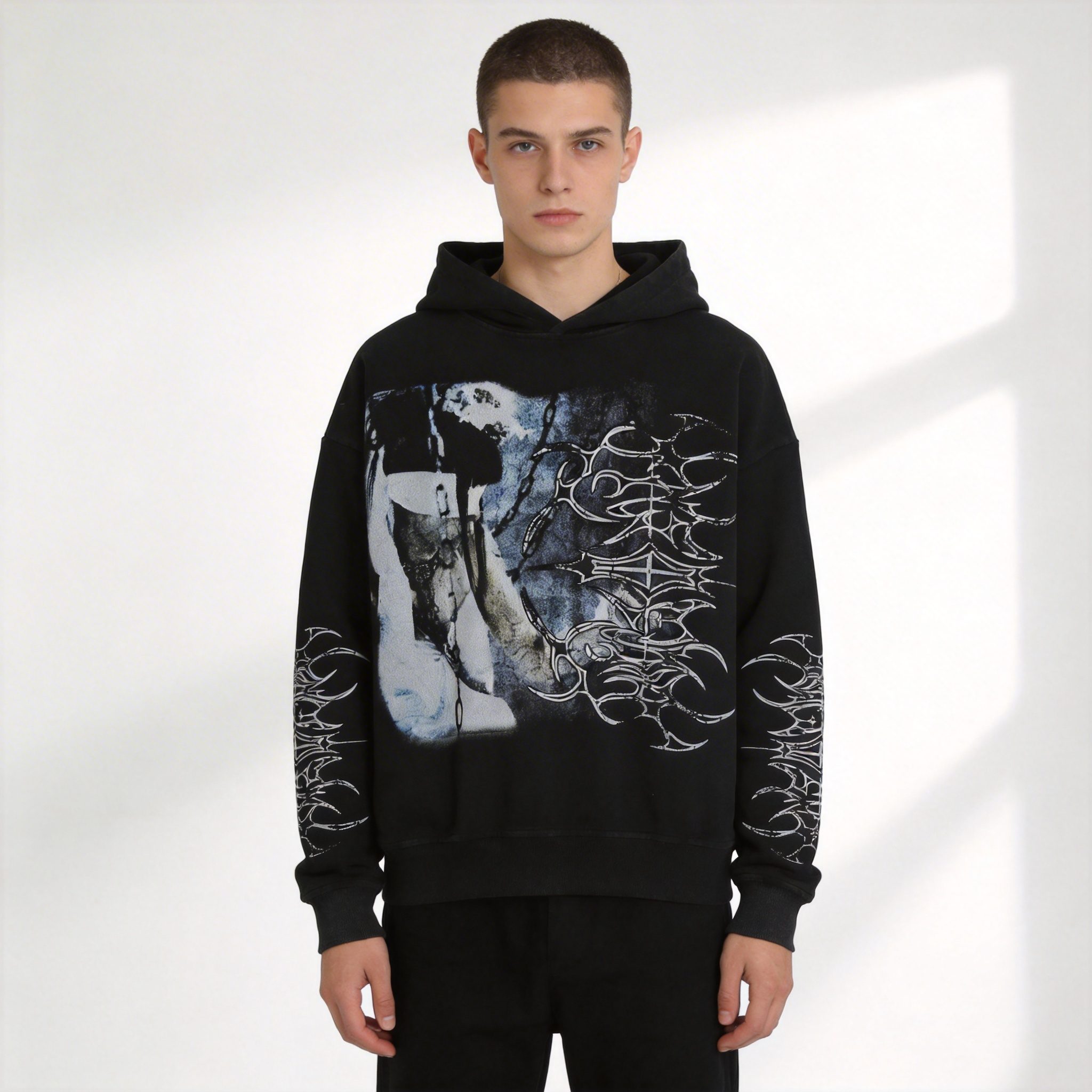
Sleeve style changes — Shorten long sleeves to short or three-quarter length. Widen or narrow sleeve patterns for oversized or fitted silhouettes.
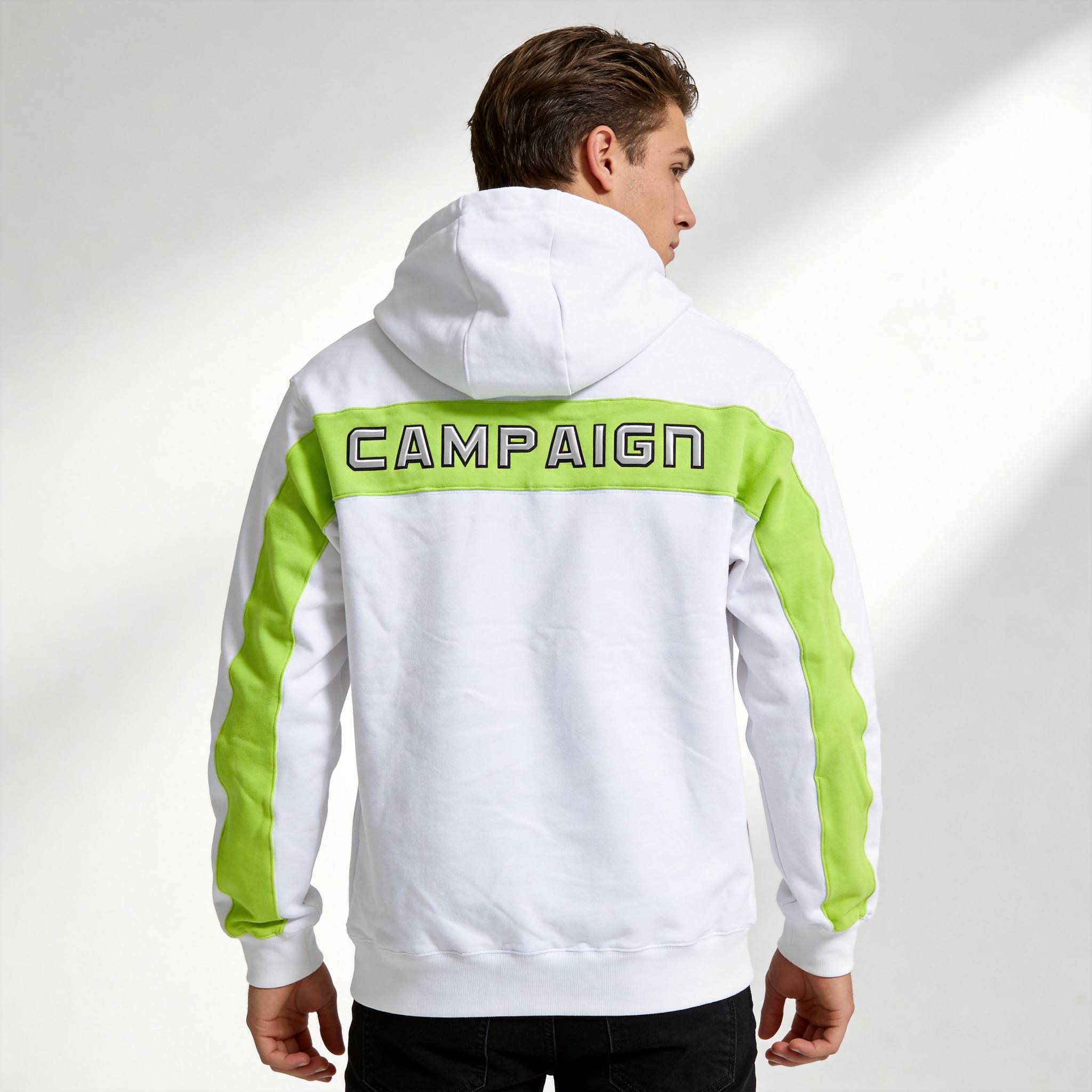
Design line additions — Sketch horizontal, diagonal, or curved lines on pattern pieces to create color-blocking seams.
4. Free Motion Stitching & Creative Quilted Designs
Free motion stitching enables sewers to move fabric freely under sewing machine needles, creating designs without predetermined stitch paths. This technique requires lowering feed dogs (or disabling them), using a free motion presser foot, and manually controlling fabric direction.
Feed dogs—the metal teeth beneath presser feet that advance fabric automatically—must be lowered or covered. This transfers fabric movement control entirely to the sewer’s hands. A free motion presser foot (sometimes called a darning foot) maintains consistent needle pressure while allowing fabric manipulation.
Initial exercises involve stitching simple lines, curves, and geometric shapes on practice fabric before attempting complex designs. Free motion quilting creates artistic effects on quilts, garments, and home décor items. Sewers stitch spontaneous designs—flowing lines, abstract patterns, or representational imagery—directly onto fabric without preliminary marking.
5. Draping & Three-Dimensional Garment Construction
Draping represents an advanced patternless technique where sewers arrange fabric directly on dress forms or mannequins to develop custom garments. This method translates three-dimensional design concepts into wearable clothing without commercial patterns—fashion designers worldwide use draping to create couture garments and innovative silhouettes.
Draping begins with a properly fitted dress form—a three-dimensional mannequin representing standard body proportions. Muslin (inexpensive cotton fabric) serves as the draping medium, allowing experimentation without wasting expensive fashion fabrics. Sewers pin muslin directly onto dress forms, manipulating fabric to create desired necklines, armholes, silhouettes, and design details.
As fabric is pinned and arranged, the three-dimensional silhouette emerges organically. Sewers visualize how fabric drapes, where wrinkles form, and how silhouettes interact with body movement. Once satisfied with the draped silhouette, sewers carefully remove pins and flatten the draped muslin onto flat surfaces. The resulting muslin pieces become pattern templates for future garment reproduction.
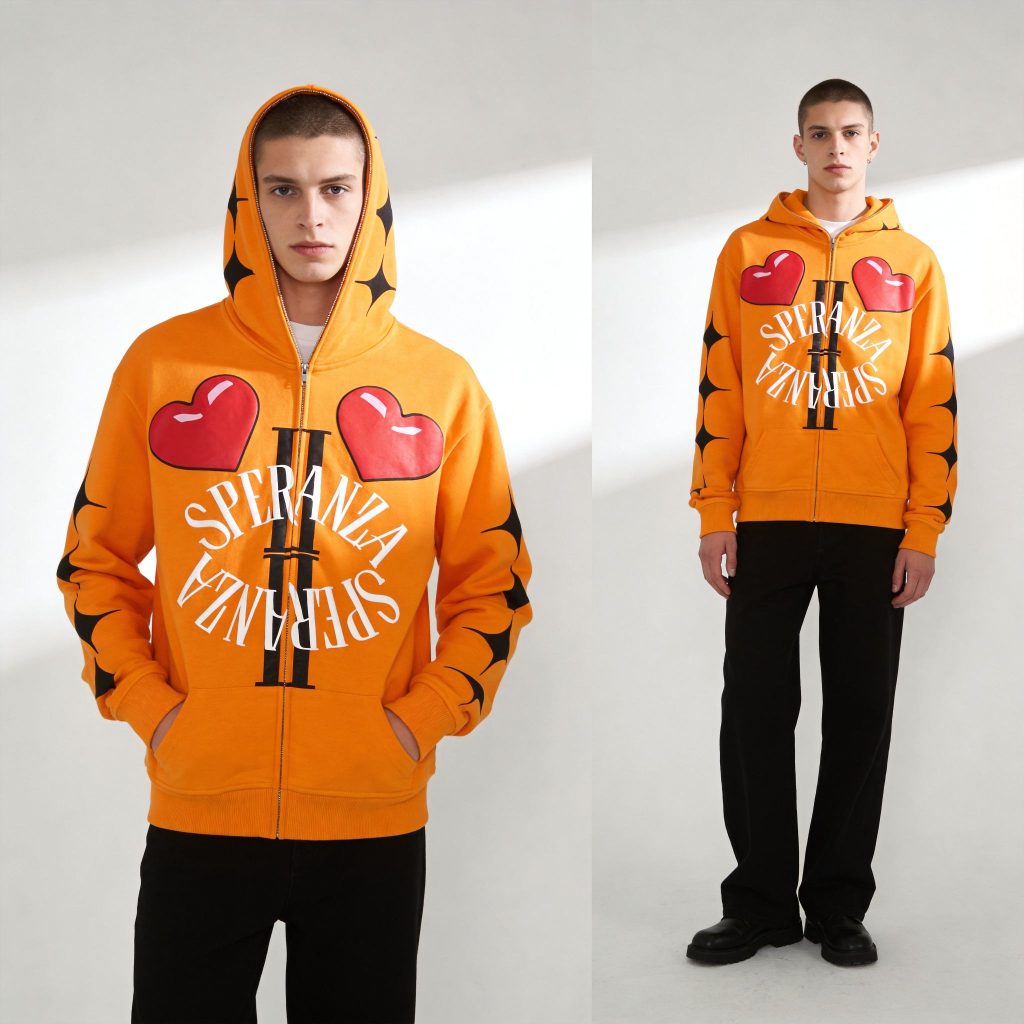
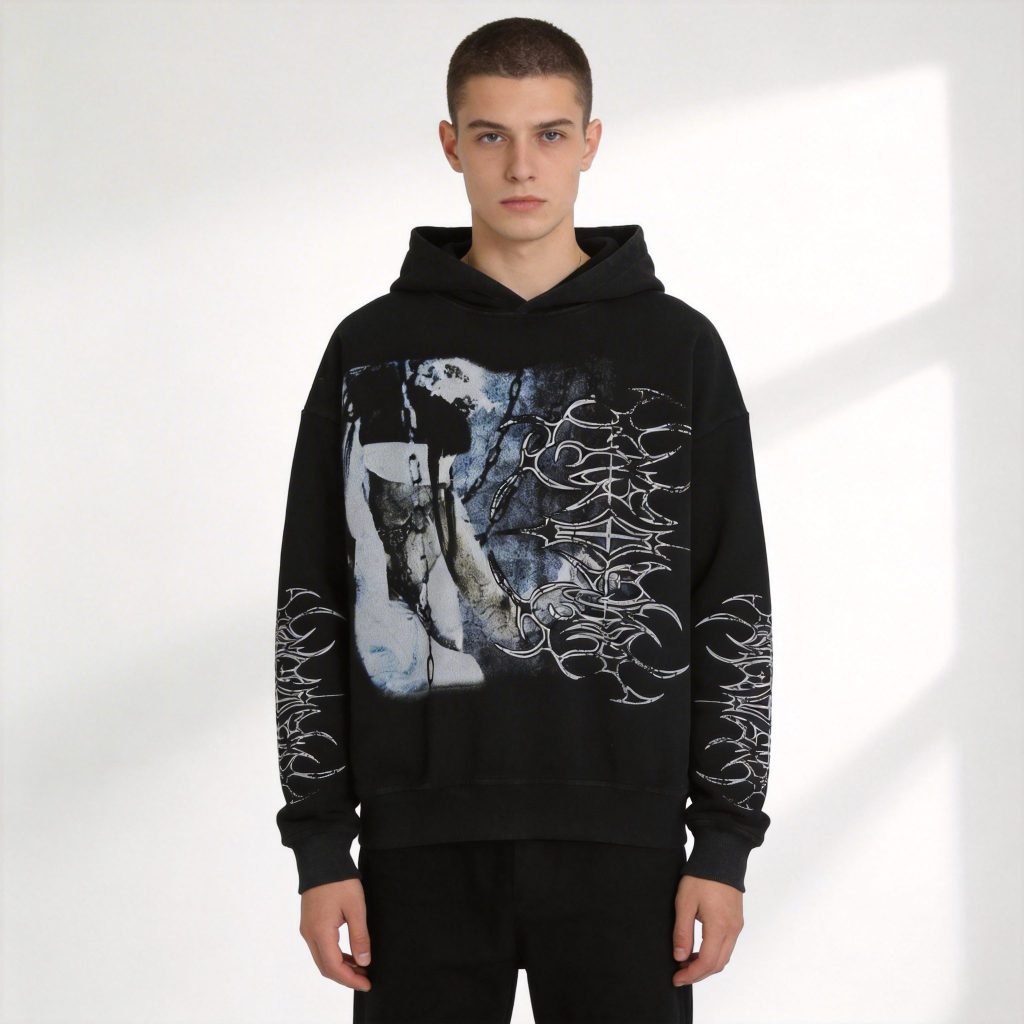
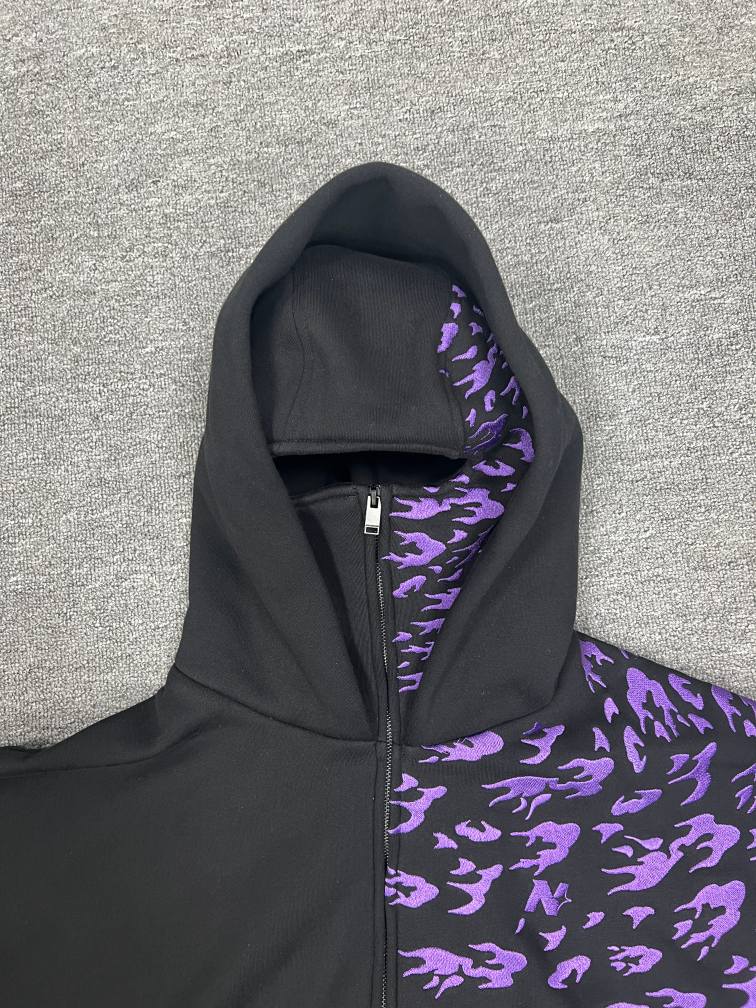
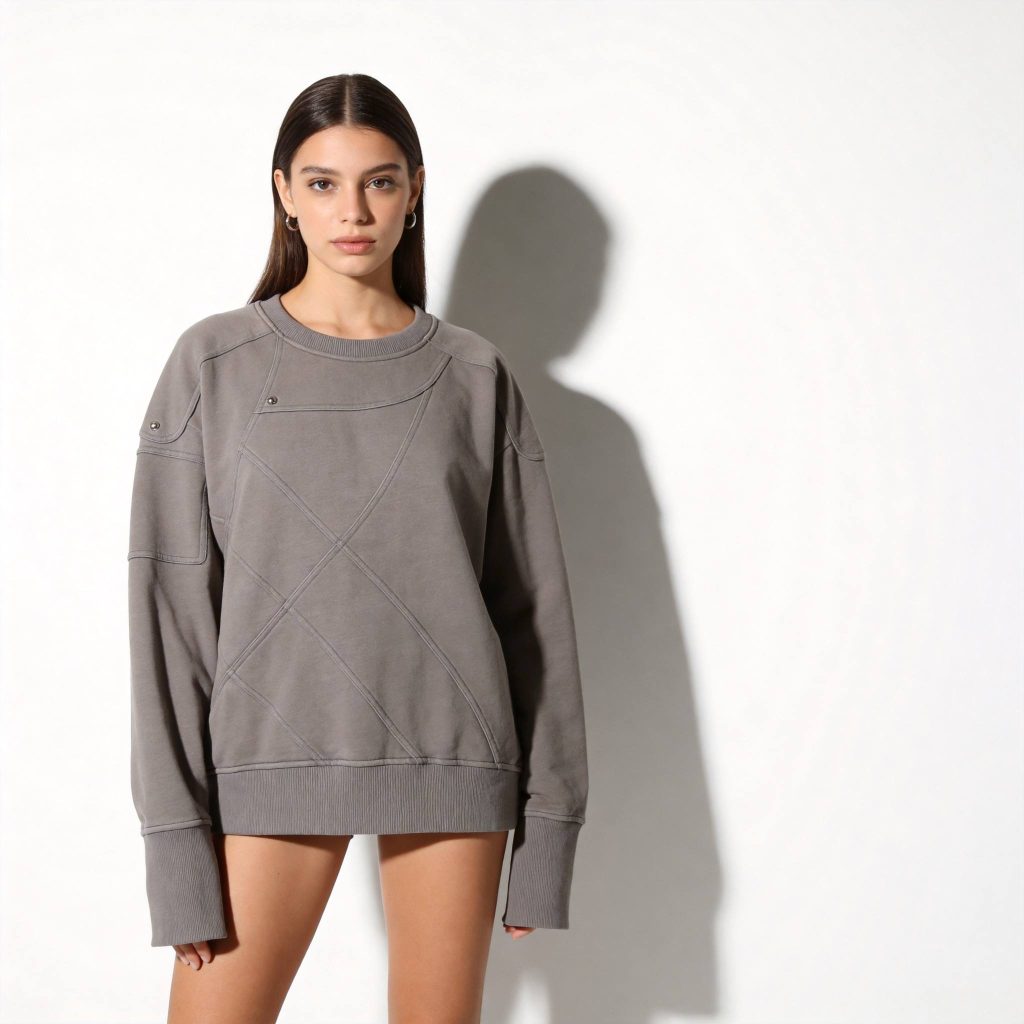
At ZORWILD, we use draping extensively when developing custom streetwear silhouettes for fashion brands—oversized hoodies with exaggerated proportions, asymmetrical dresses with sculptural elements, and jackets with innovative construction details all begin as draped prototypes on dress forms.
6. Improvisation Quilting & Spontaneous Piecing
Improvisation quilting creates finished quilts without commercial patterns by spontaneously piecing fabric scraps and designing layouts during construction. This technique embraces creative freedom, spontaneity, and celebrates imperfection as a design feature.
Wonky piecing deliberately creates irregular, asymmetrical blocks that traditional quilting avoids. Rather than perfectly straight seams and geometric precision, wonky piecing celebrates slightly curved seams, unexpected angles, and organic shapes. Sewers cut fabric strips at varying widths, piece them without measuring, and create beautifully imperfect blocks.
Improvisation quilting maximizes scrap fabric usage, reducing waste while creating unique designs. For fashion brands producing small-batch collections, improv techniques transform production remnants into marketable accessories, bags, or home goods—extending fabric value while supporting sustainable manufacturing practices.
7. Hand-Sewing Fundamentals & Basic Stitches
Hand-sewing fundamentals enable garment construction without electric sewing machines using basic stitches and needle control. This technique suits small projects, repairs, finishing details, and sewers preferring tactile, meditative sewing experiences.
Essential hand-sewing stitches include the running stitch (basic forward stitching for seams), backstitch (reinforced stitching for durability), and whip stitch (invisible finishing for hems and closures). Each stitch serves specific construction purposes. Running stitches work well for simple seams on lightweight fabrics, while backstitches provide strength for stress-bearing seams like shoulder seams or side seams.
Starting stitches without knots creates cleaner, more professional results—a technique involving taking several small stitches in the same location to anchor thread securely. Hand-sewing suits cami tops, simple bags, pillowcases, and garment repairs. While slower than machine-sewing, hand-stitching produces meditative, intentional construction experiences.
FAQ
Q1: Can complete beginners sew garments without patterns?
Yes, beginners should start with simple projects like cami tops, aprons, or pillowcases using body measurement or reference garment methods. Most beginners complete their first patternless project within 3-5 hours.
Q2: What tools do patternless sewers absolutely need?
Essential tools include a tailor’s tape measure, sharp fabric scissors or rotary cutters, quality thread, hand-sewing needles, pins or clips, tailor’s chalk or fabric markers, and a reference garment or dress form. Total investment: approximately $40-60.
Q3: How do patternless techniques reduce fabric waste?
Patternless sewing maximizes fabric usage by eliminating excess pattern margins and accommodating scrap fabrics creatively. Manufacturers report 15-20% fabric waste reduction using custom drafting versus commercial patterns.
Q4: Which patternless technique suits advanced sewers seeking creative freedom?
Advanced sewers typically combine multiple techniques—draping for silhouette development, pattern hacking for design innovation, and free motion stitching for artistic embellishment. At ZORWILD, 60% of independent designers incorporate at least two patternless techniques in their signature collections.
Q5: Are patternless garments suitable for fashion brand production?
Yes, patternless techniques support independent designers, startup brands, and small-batch production. Patternless prototyping reduces initial sample costs by 30-40% compared to professional pattern-making services.
Sources
- Makyla Creates — 16 Easy Sewing Projects for Absolute Beginners
- House of Dezign — Sewing Tips Without a Machine
- On the Trail Creations — Free Motion Stitching Tips
- Elizabeth Made This — 7 Ways to Sew Without Patterns
Written by Alin Zeng (27 Years of Master Craftsmanship & Pattern Making, Global OEM & Streetwear Customization Excellence, End-to-End Supply Chain & One-Stop Production, High-Efficiency Cost Control, Incubating 2,000+ Fashion Brands from Scratch). Last reviewed 2026-06-12.
For custom garment production using innovative patternless techniques, contact ZORWILD at [email protected] or +86 137 1325 2727.