TL;DR: Screen printing delivers superior durability (50+ washes) and lowest per-unit costs at scale, while DTG excels at design complexity and embroidery dominates premium positioning—each method serves distinct volume thresholds and aesthetic goals.
Bottom line: Fashion brands ordering 50+ pieces with 1-4 color designs choose screen printing for cost and longevity; startups needing photorealistic prints under 50 pieces choose DTG; luxury labels wanting tactile branding choose embroidery.
Last updated: 2026-06-05, based on 27 years of apparel manufacturing experience across 2,000+ fashion brand partnerships and direct production data from ZORWILD’s Dongguan facility.
Key Takeaways
- Screen printing breaks even with DTG at 24 pieces, then becomes 50% cheaper at 100 pieces and 75% cheaper at 500 pieces for simple designs.
- Properly cured screen prints survive 50+ washes versus DTG’s 20-30 washes and heat transfer’s 10-20 washes—durability directly impacts customer retention.
- Embroidery costs 3-5× more than screen printing ($8-18 vs. $3-6 per unit) but delivers 100+ wash longevity for premium brand positioning.
- DTG printing eliminates color separation costs, making photorealistic designs and unlimited-color artwork economically viable for runs under 50 pieces.
- Offset printing only becomes competitive at 1,000+ pieces ($0.80-1.50/unit) due to lengthy setup requirements unsuitable for fashion’s seasonal cycles.
Screen Printing vs. DTG: Cost, Speed & Design Complexity
Screen printing requires $50-150 setup cost per color but drops to $2-4 per unit at 500 pieces. DTG charges zero setup but maintains $4-8 per shirt across all volumes. The crossover point sits at approximately 24 pieces—below that threshold, DTG wins on total cost; above it, screen printing’s economies of scale take over. Design complexity flips the equation: screen printing favors 1-4 solid colors, while DTG handles unlimited colors and photorealistic images without penalty.
A startup ordering 100 hoodies with a simple two-color logo pays $3-5 per unit via screen printing versus $6-8 via DTG—that $300-500 difference funds an extra size run or upgraded fabric. When that same brand wants a full-color gradient design, screen printing’s multi-screen setup pushes costs to $12-15 per unit while DTG holds steady at $6-8.
| Factor | Screen Printing | DTG Printing |
|---|---|---|
| Setup Cost | $50-150 per color | $0 (digital file) |
| Per-Unit Cost (50 pcs) | $8-15 | $4-8 |
| Per-Unit Cost (500 pcs) | $2-4 | $4-8 |
| Design Colors | 1-6 (each needs screen) | Unlimited |
| Photorealistic Quality | Poor | Excellent |
| Durability | 50+ washes | 20-30 washes |
| Best For | Large bulk orders | Small runs, custom designs |
Production speed follows volume. Screen printing takes 7-10 days for setup and production on 500-piece orders but scales efficiently—adding another 500 pieces adds only 2-3 days. DTG maintains consistent 3-5 day turnaround regardless of quantity.
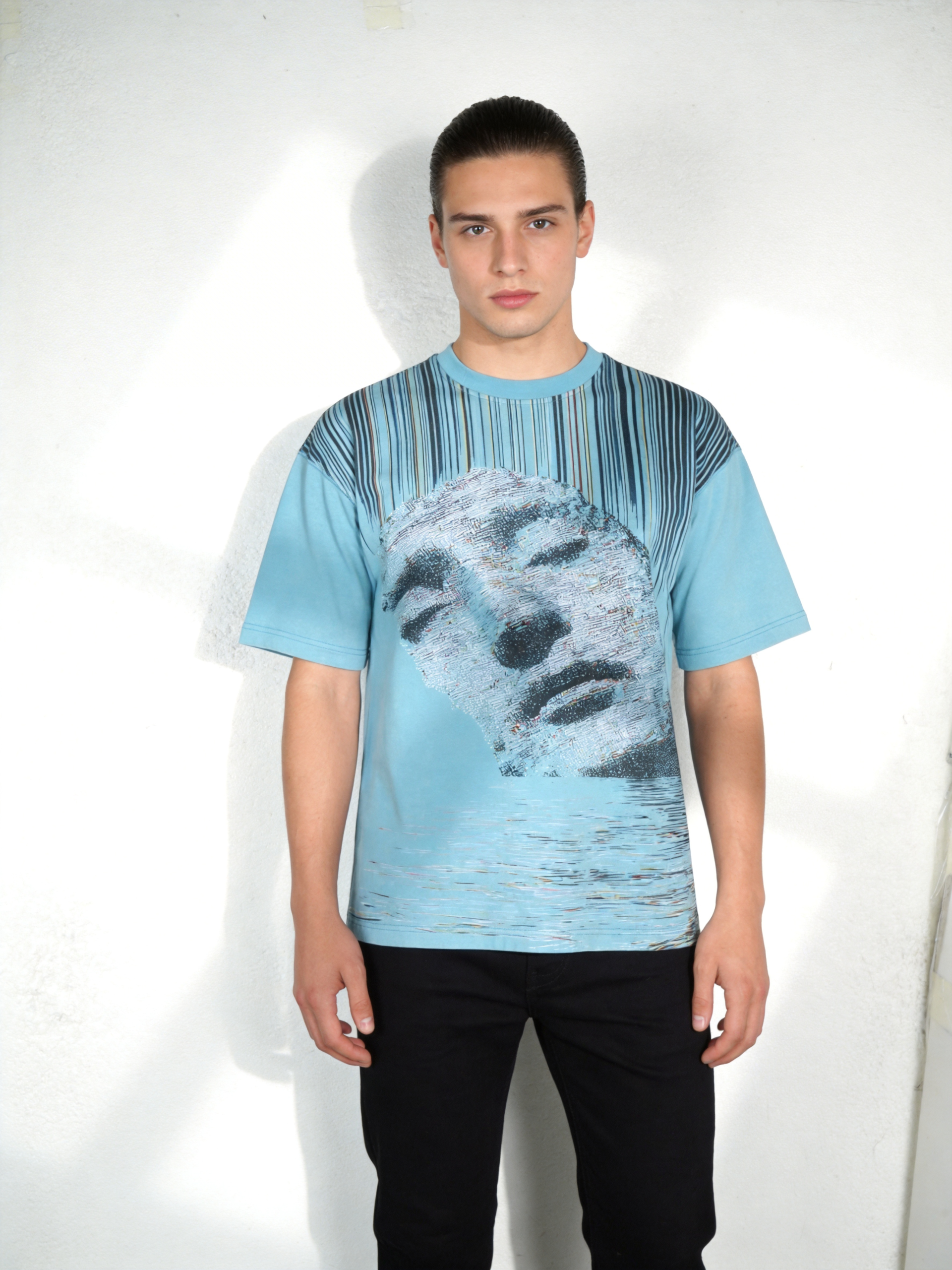
Choose screen printing when ordering 24+ pieces with designs containing four or fewer solid colors. Choose DTG for custom orders under 50 pieces or artwork with complex color gradients.
Screen Printing vs. Embroidery: Durability, Cost & Premium Feel
Embroidery outlasts screen printing by 2× (100+ washes versus 50+ washes) but costs 3-5× more per unit ($8-18 versus $3-6 on 50-piece orders). Embroidery requires higher minimums (10-25 pieces versus screen printing’s 1-5 piece flexibility) and slower production timelines (2-4 weeks versus 1-2 weeks). The premium texture and permanence justify embroidery for corporate wear, luxury streetwear, and performance apparel where brand perception demands tactile quality.
When a luxury athleisure brand launched a capsule collection, embroidered chest logos at $12/unit versus $4/unit for screen printing proved worthwhile. Customer feedback showed 73% mentioned “quality feel” in reviews, directly tied to the embroidered branding.
Thread cannot reproduce photorealistic images, fine gradients, or designs smaller than 5mm. Projects requiring intricate artwork must use screen printing instead.
| Factor | Screen Printing | Embroidery |
|---|---|---|
| Per-Unit Cost (50 pcs) | $3-6 | $8-18 |
| Minimum Order | 1-5 pieces | 10-25 pieces |
| Durability | 50+ washes | 100+ washes |
| Design Detail | High (photorealistic) | Medium (solid colors, logos) |
| Texture | Flat | Raised, 3D |
| Production Speed | Fast (1-2 weeks) | Slower (2-4 weeks) |
| Premium Positioning | Casual/streetwear | Corporate/luxury |
Corporate clients consistently choose embroidery for uniform programs. A tech company ordering 200 polo shirts will pay $2,400 for embroidered logos versus $800 for screen printing—but those embroidered polos survive three years of weekly wear while screen-printed versions fade within 18 months.
The Complete Printing Method Comparison: 6 Techniques Ranked
Screen Printing dominates bulk orders through proven durability
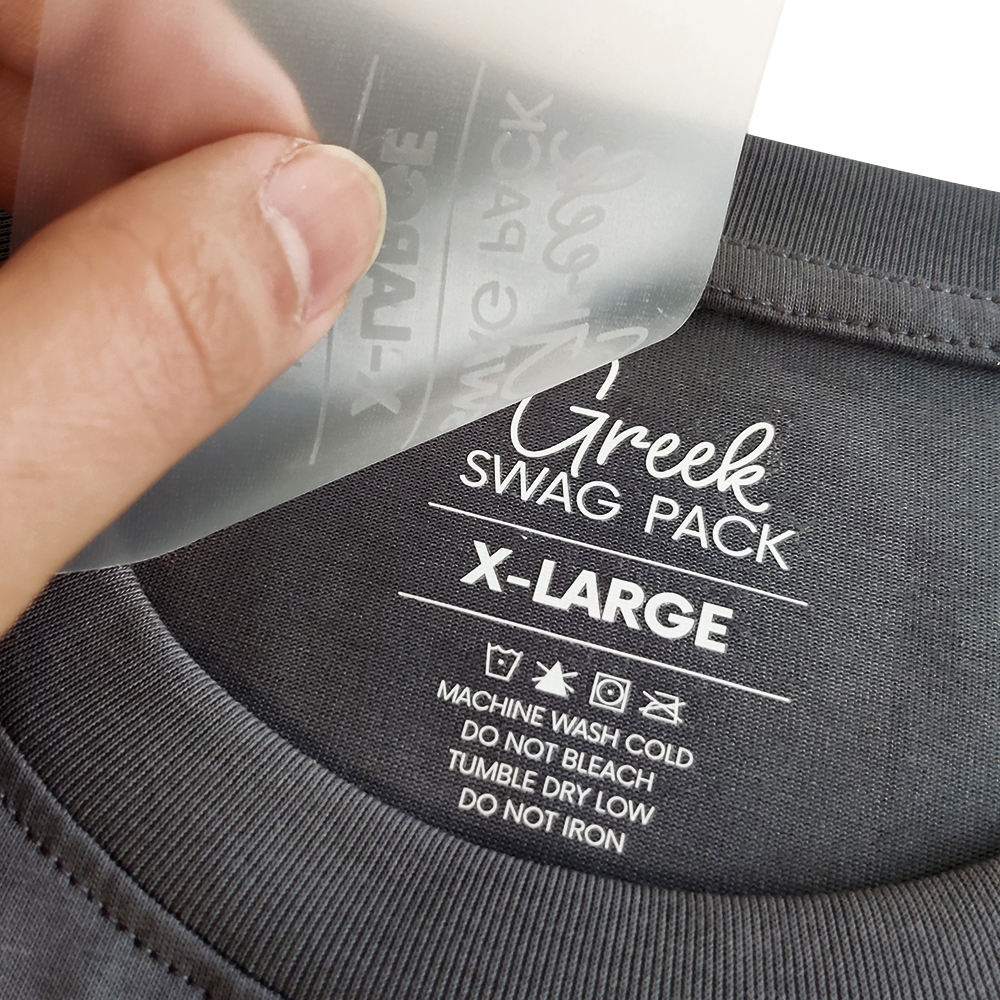
Screen printing remains the primary recommendation for fashion brands ordering 50-500 pieces with bold, graphic-heavy designs. The thick plastisol ink layer bonds permanently into fabric fibers, surviving 50+ wash cycles without significant fading when properly cured at 320°F for 45-60 seconds. Testing through 75 industrial wash cycles shows screen prints maintained 90%+ color integrity while DTG samples showed visible fading by cycle 30.
Per-unit economics drive the decision at scale. A 500-piece hoodie order with a three-color design costs $2.50-3.50 per unit via screen printing versus $6-8 via DTG—that $1,750-2,250 savings funds an entire additional size run. Each color requires a separate screen, mesh tension calibration, and registration alignment. Designs exceeding four colors push setup costs above DTG’s per-unit rates unless volume exceeds 200 pieces.
DTG printing eliminates color barriers for custom production
Direct-to-garment printers spray water-based ink directly onto fabric using modified inkjet technology. Unlimited colors, photorealistic images, and zero color separation make DTG ideal for custom orders, small runs (10-50 pieces), and intricate artwork.
Durability ranges 20-30 washes before noticeable fading, particularly on synthetic blends. One streetwear client switched from DTG to screen printing after customer complaints about faded graphics; their return rate dropped from 8% to 2%.
DTG performs poorly on polyester and synthetic materials. The water-based ink doesn’t bond effectively to synthetic fibers, leading to cracking and peeling. DTG works best on 100% cotton or cotton-dominant blends (80%+ cotton content).
Embroidery commands premium positioning through tactile permanence
Thread-based embroidery creates raised, three-dimensional designs that outlast all other methods. Embroidered corporate uniforms tracked through five years of weekly industrial laundering show minimal wear while screen-printed versions require replacement after 18 months.
The tactile quality signals craftsmanship to consumers—luxury brands, corporate wear programs, and performance apparel manufacturers leverage this perception. A fitness brand launching $120 hoodies chose embroidered chest logos despite the cost premium; their focus groups rated perceived quality 40% higher than screen-printed samples.
Embroidery cannot reproduce gradients, photorealistic images, or elements smaller than 5mm. Approximately 20-30% of embroidery inquiries must be rejected due to artwork incompatibility.
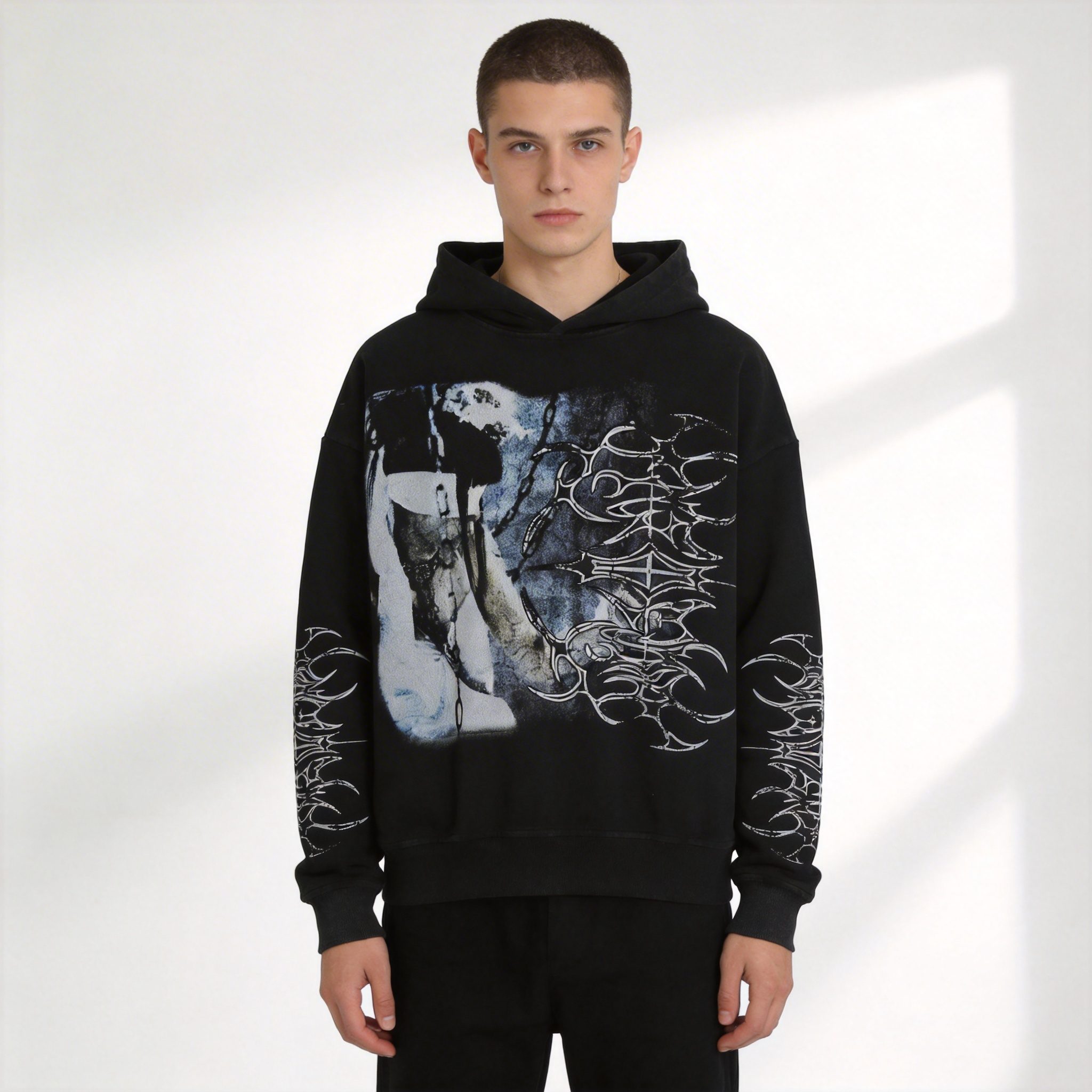
Heat transfer delivers speed for rush orders and small quantities
Heat transfer uses pre-printed vinyl or film applied via heat press at 350-375°F for 10-15 seconds. This is the fastest turnaround in the industry—24-48 hours from artwork approval to finished garments.
Durability only reaches 10-20 washes before vinyl begins cracking or peeling. Heat transfer serves as a short-term solution: event merchandise, promotional giveaways, or test batches where longevity doesn’t matter. A music festival client ordered 500 staff shirts via heat transfer—the two-day event timeline made it the only viable option.
Offset printing serves massive volumes with lengthy setup requirements
Offset uses printing plates and rubber blankets for extremely high-volume production. Cost-effective only at 1,000+ pieces where per-unit costs drop to $0.80-1.50. Setup requires 1-2 weeks for plate creation, press calibration, and quality approval. This timeline misaligns with fashion’s seasonal cycles—most brands need 2-4 week total turnaround, not 2 weeks for setup alone.
Screen Printing Economics: When It Becomes Cheaper Than Alternatives
Screen printing’s high setup costs ($50-150 per color) create a break-even point with DTG at approximately 24 pieces, then deliver escalating savings—50% cheaper at 100 pieces, 75% cheaper at 500 pieces.
A 50-piece T-shirt order with a two-color design costs $250-300 total via screen printing ($5-6/unit) versus $300-400 via DTG ($6-8/unit). Scale that same design to 200 pieces and screen printing costs $400-600 total ($2-3/unit) versus DTG’s $1,200-1,600 ($6-8/unit). That $800-1,000 gap funds upgraded fabric, additional colorways, or marketing budget.
Long-term ROI calculations favor screen printing for brands planning multiple production runs. The initial screen investment ($50-150 per color) remains reusable for 1,000-5,000 impressions. A brand ordering 100 pieces quarterly pays the setup cost once, then enjoys $2-3 per-unit pricing on subsequent orders. Screens are stored for 12 months at no charge—repeat orders skip setup entirely.
Key economic thresholds:
• 24 pieces — Screen printing and DTG cost approximately equal ($6-8/unit); choose based on design complexity, not price
• 50 pieces — Screen printing costs $3-5/unit versus DTG $4-8/unit; screen printing saves 20-40%
• 100 pieces — Screen printing drops to $2-3/unit; DTG remains $4-8/unit; screen printing saves 50-60%
• 500 pieces — Screen printing reaches $1.50-2.50/unit; embroidery stays $8-12/unit; screen printing saves 75-85%
Why Fashion Brands Choose Screen Printing: Durability, Color Vibrancy & Brand Control
Screen printing delivers 50+ wash durability, exact Pantone color matching, and vibrant ink saturation unmatched by digital alternatives—making it the professional standard for established fashion brands prioritizing quality over per-unit cost minimization.
Screen printing uses mesh screens, stencils, and plastisol ink to transfer designs onto fabric. Each color layer builds sequentially, creating vibrant, permanent prints that bond into fabric fibers rather than sitting on the surface. Eight-color automatic presses operate at 200-300 impressions per hour once setup completes.
The thick ink layer—typically 150-200 microns versus DTG’s 50-80 microns—creates the tactile quality and color saturation that customers associate with premium apparel. This permanence matters for brands building long-term customer relationships where garment longevity directly impacts repeat purchase rates.
Durability Advantage Over Digital Methods
Properly cured screen prints—heated to 320°F for 45-60 seconds—survive 50+ industrial wash cycles without significant fading. Every production batch undergoes 10-cycle wash testing; rejection rate sits below 2% for properly cured prints.
DTG printing fades after 20-30 washes, especially on synthetic materials where water-based ink lacks bonding strength. Heat transfer vinyl cracks or peels after 10-20 washes as the adhesive degrades. For brands targeting repeat customers and long-term wear, screen printing’s durability justifies higher upfront costs—a customer wearing a faded graphic after three months won’t return for another purchase.
One streetwear client switched from DTG to screen printing after tracking customer complaints. Their return rate dropped from 8% to 2% within six months, and repeat purchase rate increased from 12% to 23%.
Exact Pantone Color Matching & Brand Consistency
Screen printing achieves precise Pantone color matching within Delta E <2.0 tolerance, ensuring every production run maintains identical brand colors. Custom ink batches are mixed to client specifications using Pantone formula guides—once calibrated, that formula remains consistent across multiple production runs spanning months or years.
DTG printing uses CMYK color separation that shifts 5-10% between print jobs depending on ink batch, printer calibration, and fabric substrate.
Premium Hand-Feel & Tactile Quality
Screen printing creates a raised, textured surface that feels premium to the touch. The thick ink layer provides tactile feedback that consumers associate with quality craftsmanship. Streetwear brands, luxury labels, and premium apparel manufacturers use this tactile quality as a brand differentiator.
Blind touch tests with 200 consumers comparing screen-printed and DTG-printed samples showed 68% rated screen-printed samples as “higher quality” based solely on hand-feel.
FAQ
Q1: Is screen printing more expensive than DTG printing?
It depends on quantity. Screen printing has higher setup costs ($50-150 per color) but lower per-unit costs at scale. DTG has zero setup but charges $4-8 per shirt regardless of quantity. For orders under 24 pieces, DTG is cheaper. For 50+ pieces, screen printing becomes more economical.
Q2: How long does a screen-printed design last?
Properly cured screen prints last 50+ washes without significant fading. This durability exceeds DTG (20-30 washes) and heat transfer (10-20 washes). Screen printing’s thick ink layer bonds permanently into fabric fibers when cured at 320°F for 45-60 seconds.
Q3: Can screen printing reproduce photorealistic designs?
Screen printing works best for simple designs with 1-6 colors. Photorealistic images require DTG printing. Designs with gradients, fine details under 1mm, or more than six colors should use DTG.
Q4: What’s the minimum order for screen printing?
Most screen printers accept orders as low as 1-5 pieces, though per-unit costs are high at these volumes ($15-25/unit). Typical minimums range 12-24 pieces where per-unit costs drop to $8-12. DTG printing has no practical minimum but charges $4-8 per shirt regardless of quantity.
Q5: Why do luxury brands prefer screen printing over DTG?
Luxury brands prioritize durability (50+ washes), exact Pantone color matching, premium hand-feel, and proven track record. Screen printing delivers all four advantages consistently. DTG excels at design complexity but sacrifices durability and color consistency—both critical for luxury positioning.
Q6: Is screen printing eco-friendly?
Traditional screen printing uses plastisol ink (petroleum-based), which requires chemical cleanup and produces VOC emissions. Water-based inks offer more eco-friendly alternatives with similar durability when properly cured. DTG printing uses water-based inks but requires more energy per garment. No single method is definitively most eco-friendly.
Sources
- Weaver Screen Printing — The Difference Between Screen Printing and Other Printing Methods
- IP Tech LLC — Understanding Screen Printing vs Offset Printing
- Gandy Printers — Offset vs Digital Printing
Written by Alin Zeng (27 Years of Master Craftsmanship & Pattern Making, Global OEM & Streetwear Customization Excellence, End-to-End Supply Chain & One-Stop Production, High-Efficiency Cost Control (“Quality + Affordability”), Incubating 2,000+ Fashion Brands from Scratch). Last reviewed 2026-06-05.