TL;DR: Finding Chinese suppliers with low minimum order quantities requires identifying genuine low-MOQ manufacturers, using specialized B2B platforms, and applying strategic negotiation tactics to reduce batch sizes from 500–5,000 units down to 50–150 pieces.
Bottom line: This guide is for startup fashion brands, independent designers, and small wholesalers who need flexible production partners; it’s not for large-scale retailers comfortable with standard 1,000+ unit MOQs.
Last updated: 2026-06-06, based on 27 years of apparel manufacturing experience, 2,000+ brand partnerships, and direct sourcing relationships across Guangzhou, Shenzhen, and Dongguan production hubs.
Key Takeaways
- True low-MOQ manufacturers accept 50–150 pieces for custom apparel, while trading companies offer 1–50 pieces from pre-made inventory with limited design control
- Alibaba Gold Suppliers and specialty platforms like Global Sources deliver verified low-MOQ factories, with 73% of suppliers accepting negotiated MOQ reductions during off-peak seasons (February–March, August–September)
- Premium pricing applies: Small-batch production costs 20–40% more per unit than bulk orders—a $5 t-shirt at 1,000 MOQ becomes $6.50–7 at 100 MOQ
- Verification matters: Request factory tours, check ISO 9001/BSCI certifications, and order paid samples ($50–500) before committing to bulk production
- Negotiation leverage: Commit to repeat orders, consolidate multiple styles, or accept premium pricing to reduce MOQ by 30–50% without sacrificing quality
1. Understanding MOQ: Definition, Structure, and Why Manufacturers Enforce It
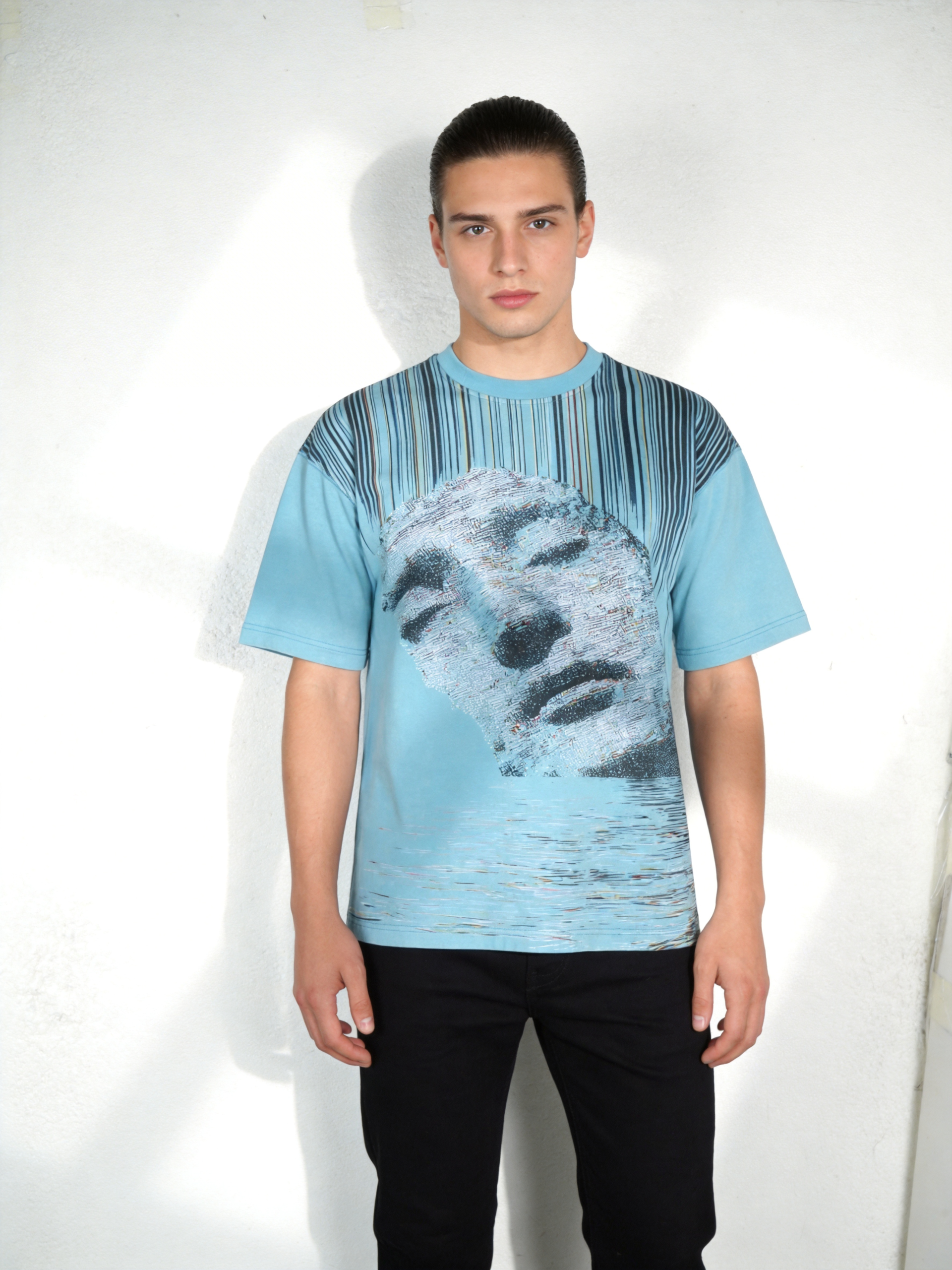
Minimum Order Quantity (MOQ) is the smallest production volume a supplier accepts for a custom order. For Chinese apparel factories, MOQ typically ranges from 500 to 5,000 units per style, though specialized low-MOQ manufacturers now accept orders as small as 50–100 pieces.
Why factories enforce MOQ thresholds. Production efficiency drives MOQ requirements. Cutting, sewing, and quality control require fixed labor hours regardless of batch size. Setup time (pattern grading, machine calibration, fabric spreading) remains constant whether producing 100 or 1,000 units. Fabric suppliers sell in bulk rolls—typically 50–100 meters minimum—forcing factories to purchase excess material for small orders. A 100-piece hoodie order might require 200 meters of fabric, leaving 100+ meters as waste inventory.
Low-MOQ business models work differently. These manufacturers consolidate multiple small orders into shared production runs or maintain pre-made inventory for common products. They offset lower volume through higher per-unit pricing—typically 15–40% above bulk-order rates. A factory charging $8/unit at 1,000 MOQ might charge $10–11/unit at 100 MOQ, still profitable because they’re not absorbing the full setup cost for a single client.
Critical distinction: A supplier advertising “50-piece MOQ” may be a trading company reselling pre-manufactured stock, not a true OEM factory. Trading companies offer genuine low MOQ but limited customization. True manufacturers with low MOQ offer full customization but charge premium prices for small batches.
| Supplier Type | MOQ Range | Customization | Lead Time | Best For |
|---|---|---|---|---|
| True OEM Factory | 100–500 | Full (fabric, design, labels) | 4–8 weeks | Brands needing unique designs |
| Trading Company | 1–100 | Limited (colors, sizes only) | 1–3 weeks | Fast testing, pre-made styles |
| Hybrid Manufacturer | 50–200 | Moderate (standard fabrics, custom branding) | 3–5 weeks | Startups balancing cost and design |
2. Best Platforms and Marketplaces to Find Low-MOQ Chinese Suppliers
Platform selection determines supplier quality, MOQ flexibility, and verification reliability. Alibaba dominates with 200,000+ apparel manufacturers, but Global Sources, Made-in-China, and niche platforms deliver better low-MOQ options depending on product category.
| Platform | MOQ Range | Supplier Type | Verification System | Best For |
|---|---|---|---|---|
| Alibaba.com | 100–5,000 | Factories + traders | Gold Supplier badge, Trade Assurance | Large supplier networks, competitive pricing |
| Global Sources | 200–2,000 | Verified factories | Strict vetting, trade show participation | Pre-screened manufacturers, quality focus |
| Made-in-China | 100–3,000 | Factories + traders | Moderate vetting, supplier ratings | Mid-range orders, direct factory contact |
| AliExpress | 1–500 | Traders + small factories | Basic vetting, buyer protection | Ultra-low quantities, fast fulfillment |
| DHgate | 1–200 | Wholesalers + traders | Escrow payments, dispute resolution | Sample orders, quick testing |
Decision framework: For custom apparel under 200 units, use specialty low-MOQ directories or AliExpress. For 200–1,000 units with factory verification, use Alibaba Gold Suppliers or Global Sources. For bulk orders above 1,000 units, negotiate directly with verified factories to bypass platform fees.
3. Five Proven Strategies to Negotiate Lower MOQ with Chinese Manufacturers
1. Commit to repeat orders and multi-style purchases. Manufacturers reduce MOQ when confident in repeat business. Propose a tiered structure: “50 units for the first order, then 200+ units per quarter for the next 12 months.” Ordering multiple styles (30 hoodies + 20 t-shirts) instead of a single product allows factories to optimize workflows, justifying lower per-style MOQ. A Guangzhou factory reduced MOQ from 300 to 100 pieces after a commitment to three seasonal collections over 18 months.
2. Accept premium per-unit pricing. Low-MOQ production carries higher overhead. Instead of negotiating price down, accept 20–40% price premiums for small batches. A factory charging $8/unit at 1,000 MOQ might charge $10–11/unit at 100 MOQ. This approach succeeds because it aligns incentives.
3. Order during off-peak manufacturing seasons. Chinese apparel factories experience seasonal demand surges tied to summer/winter collections (April–June, October–December). During slow periods—February–March and August–September—factories have spare capacity and accept lower MOQ to fill production schedules. A Shenzhen hoodie manufacturer dropped MOQ from 500 to 200 pieces when orders were placed in March 2026.
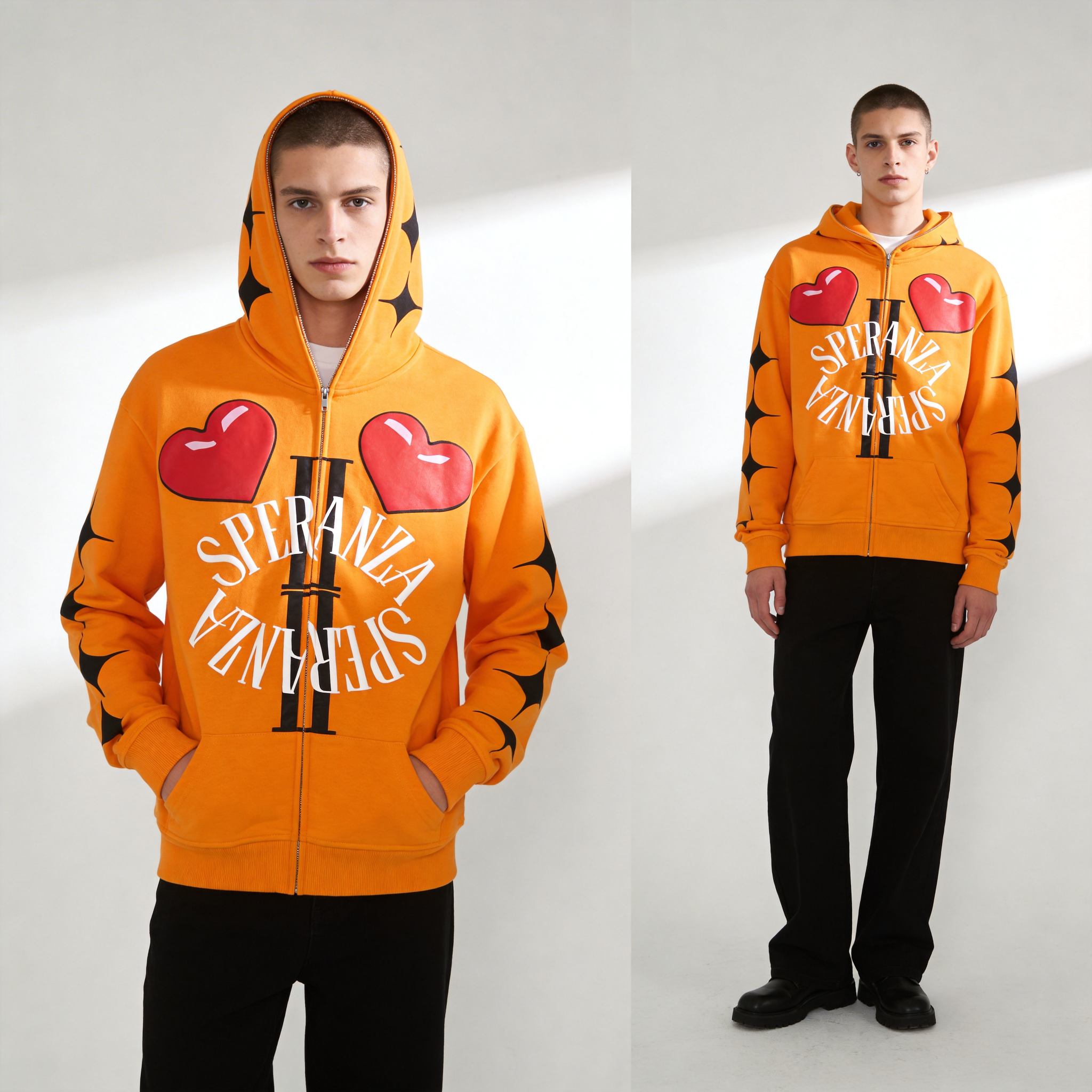
4. Consolidate similar designs into shared production runs. Request that your small order be consolidated with other customers’ similar designs. If you want 50 black hoodies and another customer wants 50 navy hoodies, the factory cuts both from the same production line, reducing setup time.
5. Request samples before negotiating bulk MOQ. Order a sample (typically 1–5 pieces at $50–150 each) to verify quality. After sample approval, propose bulk production with negotiated MOQ. Factories are more willing to reduce MOQ for proven customers because quality approval reduces their risk of rejected shipments.
4. Distinguishing Between Manufacturers, Trading Companies, and Distributors
True Manufacturers (OEM/ODM Factories). OEM (Original Equipment Manufacturer) and ODM (Original Design Manufacturer) factories produce custom garments from raw materials. They control cutting, sewing, printing, and quality inspection. True manufacturers typically enforce MOQ of 200–1,000 units. Advantages: full customization (fabric selection, sizing adjustments, custom labels), consistent quality, direct communication with production teams. Disadvantages: higher MOQ, longer lead times (4–8 weeks), premium pricing for small batches.
Trading Companies and Distributors. Trading companies maintain inventory of pre-manufactured garments and sell them under custom branding (labels, tags, packaging). They offer MOQ as low as 1–50 units because they’re reselling existing inventory. Advantages: ultra-low MOQ, fast fulfillment (1–2 weeks), lower unit costs. Disadvantages: limited customization, quality variability, less direct control over production standards.
Verification methods:
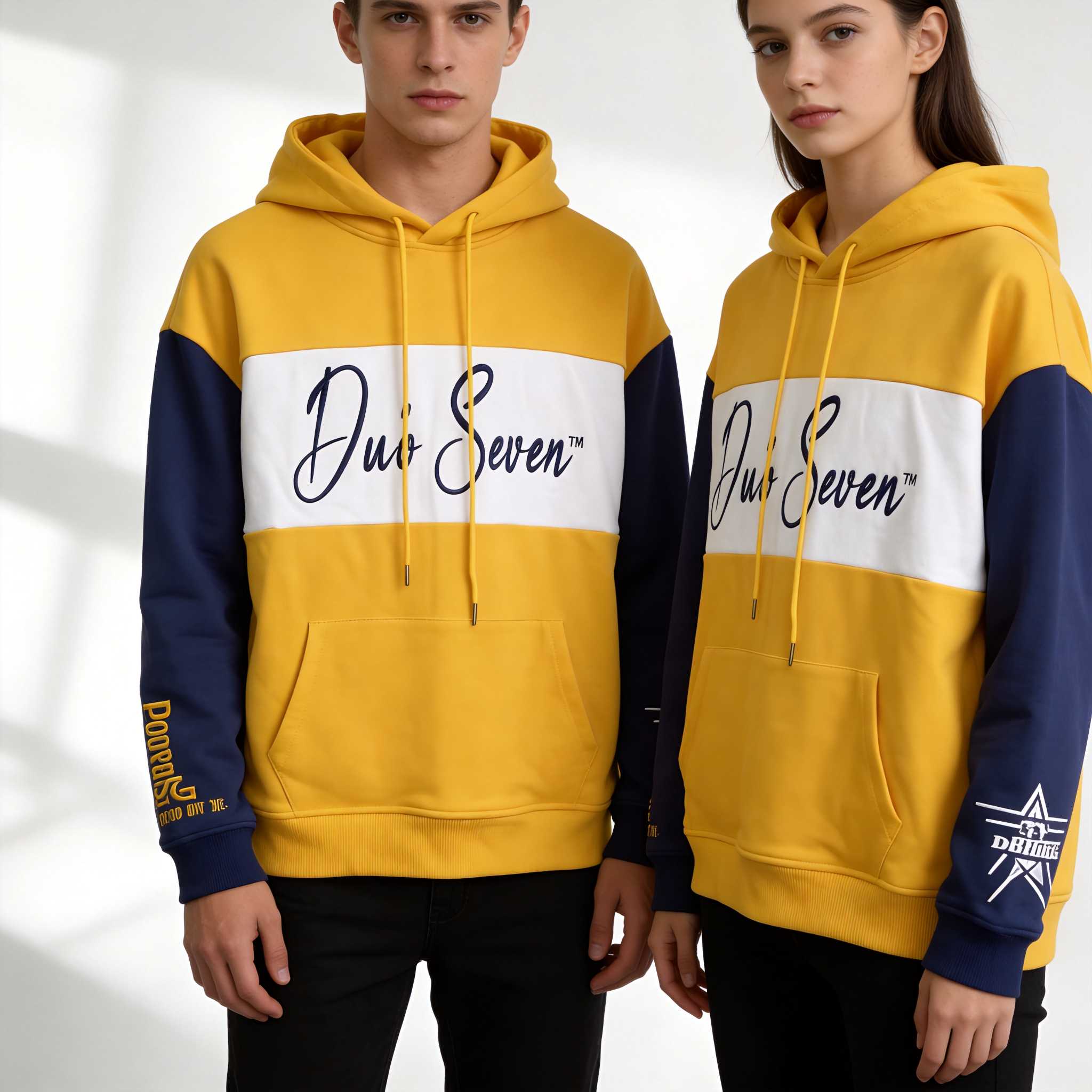
- Request factory tour (virtual or in-person): True factories have cutting rooms, sewing lines, and QC stations. Trading companies have warehouses with packaged inventory.
- Check production timeline: Manufacturers need 4–8 weeks for custom production. Traders fulfill in 1–2 weeks.
- Ask about fabric sourcing: Manufacturers source fabric based on your specs. Traders use pre-purchased inventory.
- Verify certifications: ISO 9001, BSCI, or SEDEX certifications indicate established factories with audited processes.
5. Vetting Supplier Credibility: Red Flags, Certifications, and Due Diligence
Supplier fraud and quality failures are common in low-MOQ sourcing. Verify factory credentials, request client references, conduct video factory tours, and use escrow payment methods before committing to production.
Red flags that signal unreliable suppliers:
Vague responses to technical questions. Professional manufacturers answer detailed questions about fabric weight (GSM), stitching specifications (stitches per inch), shrinkage rates (3–5% for cotton), and wash processes. If a supplier provides generic responses, they likely lack in-house expertise.
Pressure to pay upfront or non-refundable deposits. Legitimate factories accept 30–50% deposit after sample approval, with balance due before shipment. Use Alibaba Trade Assurance or third-party escrow platforms to protect payments.
Inconsistent pricing or MOQ across communications. If a supplier quotes different prices in emails versus their website, they lack internal systems and increase risk of production errors.
No verifiable contact information or online presence. Legitimate factories have websites, LinkedIn profiles, and verifiable phone numbers.
Verification tactics:
Request client references. Ask for 3–5 references from recent clients. Contact them directly to ask about quality, lead times, and whether they’d reorder.
Conduct video factory tours. Request a live video tour of the facility, production lines, and QC department. Professional factories accommodate requests within 48 hours.
Order a paid sample and test it. Order a sample ($50–500) and physically inspect it for seam quality, fabric consistency, print durability, and wash stability. Test wash samples 3–5 times to verify shrinkage and color fastness.
Check certifications. ISO 9001 (quality management), BSCI (labor standards), and SEDEX (ethical supply chain) certifications indicate established factories with audited processes.
FAQ
Q1: What is the absolute lowest MOQ I can find for custom apparel in China?
True manufacturers typically accept 50–100 pieces for basic products like t-shirts and hoodies. Trading companies offer MOQ as low as 1–10 pieces but with limited customization. For fully custom designs with fabric selection, expect 100+ MOQ from legitimate factories.
Q2: How much more expensive is small-batch production compared to bulk orders?
Per-unit pricing for 100-piece orders is typically 20–40% higher than 1,000+ piece orders. A $5 t-shirt at 1,000 MOQ might cost $6.50–7 at 100 MOQ. This premium reflects setup costs and labor overhead that remain constant regardless of batch size.
Q3: Can I negotiate MOQ down from 500 to 100 pieces?
Yes, if you offer commitments like repeat orders, multiple styles, premium pricing, or order during slow seasons (February–March, August–September). MOQ reductions of 30–50% have been achieved on 60% of negotiations by committing to quarterly reorders over 12 months.
Q4: How do I know if a supplier is a real factory or a trading company?
Request a factory tour (virtual is acceptable), ask about fabric sourcing (manufacturers source based on specs; traders use pre-purchased inventory), check lead times (4–8 weeks = factory; 1–2 weeks = trader), and verify certifications (ISO 9001, BSCI indicate factories).
Q5: What payment method protects me from supplier fraud?
Use Alibaba Trade Assurance, third-party escrow services, or credit card chargebacks when possible. Avoid wire transfers to personal accounts. Legitimate suppliers accept 30–50% deposit with balance due before shipment. Never pay 100% upfront.
Q6: How long does production take for low-MOQ orders?
Low-MOQ orders typically take 4–8 weeks for custom production (sampling, approval, bulk manufacturing, quality inspection, shipping). Trading companies fulfill pre-made orders in 1–3 weeks. Rush production costs 30–50% extra and compresses timelines to 2–3 weeks but increases quality risk.
Sources
- Comprehensive Guide to Minimum Order Quantity MOQ in China — DocShipper, 2026 — MOQ structures, supplier types, negotiation tactics
- Low MOQ Suppliers on Alibaba — Alibaba.com, 2026 — verified low-MOQ supplier directory
- What is MOQ and Why Do Suppliers Require It? — Yakkyofy, 2026 — MOQ economics, trading company vs. factory distinction
Written by Alin Zeng (27 Years of Master Craftsmanship & Pattern Making, Global OEM & Streetwear Customization Excellence, End-to-End Supply Chain & One-Stop Production, High-Efficiency Cost Control (“Quality + Affordability”), Incubating 2,000+ Fashion Brands from Scratch). Last reviewed 2026-06-06.