TL;DR: Scaling a tailoring business requires shifting from low-margin alterations ($15–$30) to high-margin custom garments ($200–$800+), systematizing operations, hiring trained staff, implementing dynamic pricing, and exploring B2B wholesale channels.
Bottom line: For solo tailors earning $40,000–$80,000 annually who want to reach $300,000+ revenue within 18–36 months through strategic systems and staffing—not just working harder.
Last updated: 2026-06-05, based on analysis of 2,000+ fashion brand production cycles and 27 years of apparel manufacturing operations.
Key Takeaways
- Profit multiplier: Custom tailoring generates $87.50/hour vs. $6.25/hour for basic alterations—a 14× improvement that enables scaling without proportional workload increase.
- Staffing threshold: Businesses reaching $300,000+ annual revenue typically employ 3–8 trained staff and operate from 1,500–3,000 sq ft retail/workshop spaces.
- Margin optimization: Implementing tiered pricing (simple hems $20, custom shirts $350, suits $600+) achieves 50–65% gross margins vs. 25–35% with cost-plus models.
- Marketing ROI: Email loyalty programs drive 65% repeat purchase rates vs. 25% without, while referral-acquired customers deliver $2,400 lifetime value vs. $800 from paid ads.
- B2B acceleration: Wholesale partnerships with e-commerce brands, corporate uniform suppliers, and manufacturers enable $500,000–$1M+ revenue without hiring 20+ staff.
Shift Revenue Mix from Alterations to Custom Tailoring
The fastest path to scaling a tailoring business involves deliberately shifting your service mix from 70% alterations / 30% custom work in Year 1 to 20% alterations / 80% custom by Year 3, increasing profit per hour by 300–1400% and attracting higher-lifetime-value clients willing to wait 2–4 weeks for premium results.
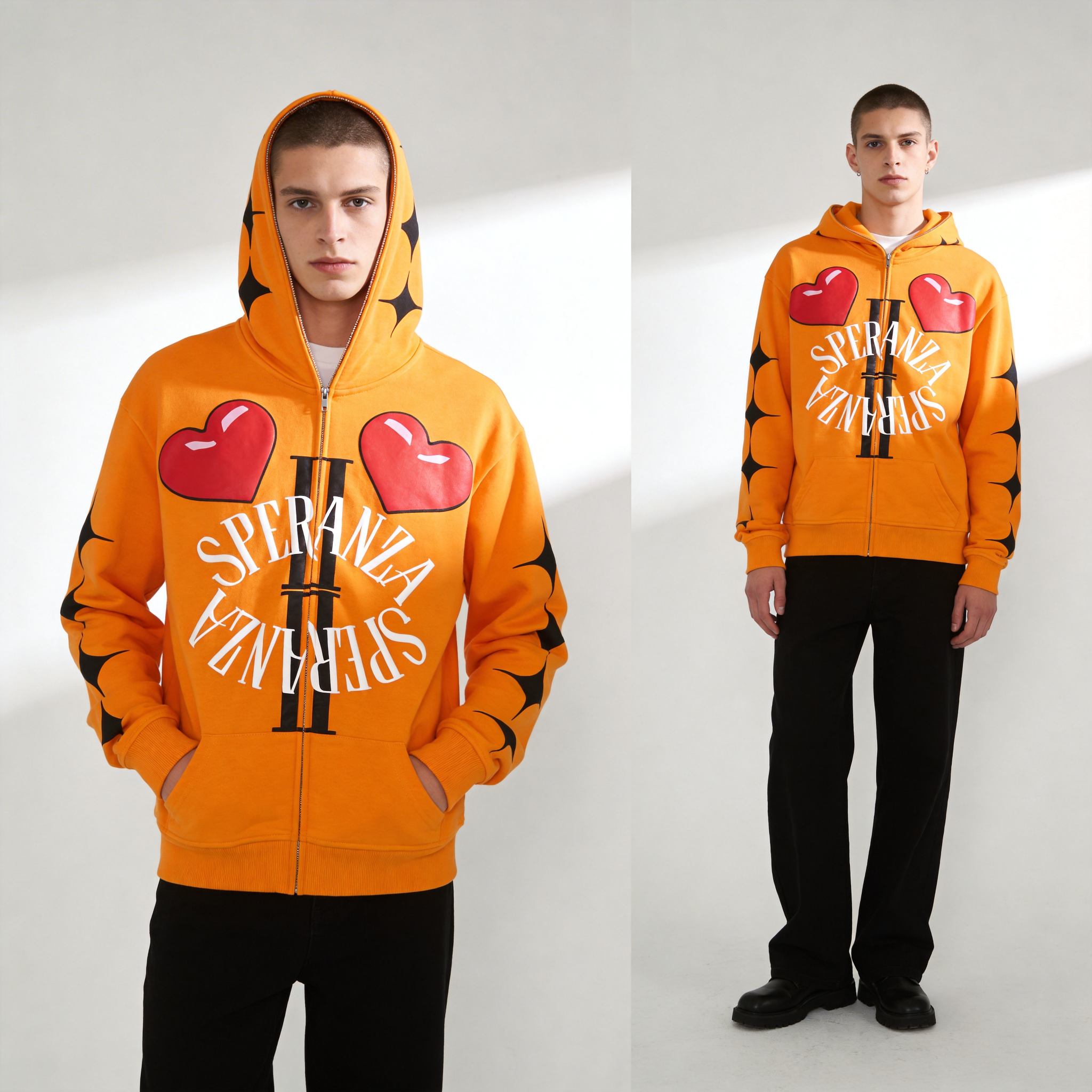
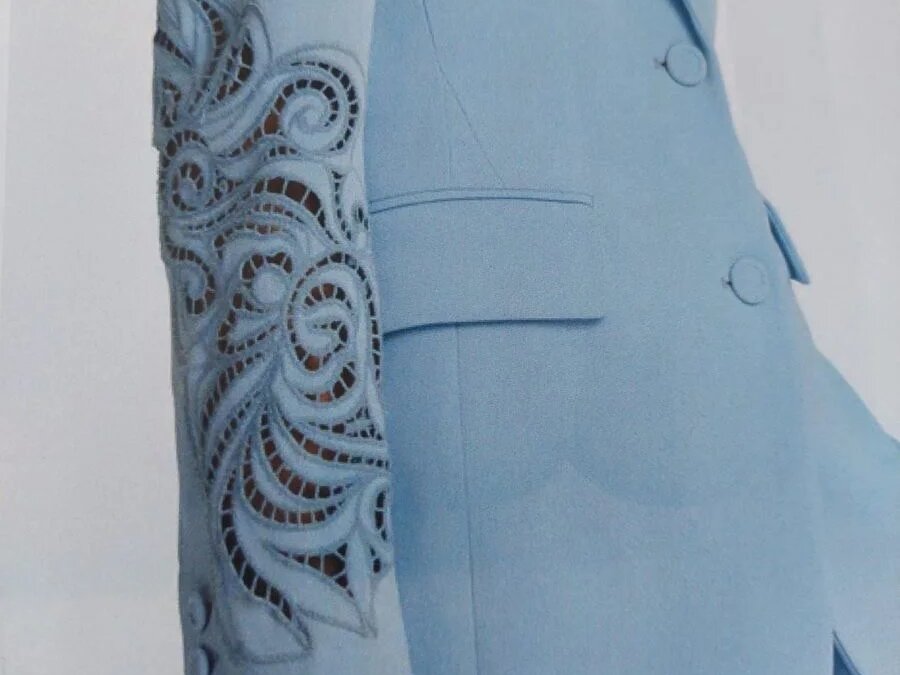
Most solo tailors earn $15–$50 per alteration, generating $300–$600 weekly revenue from high-volume, low-margin work. This model doesn’t scale—more customers mean more hours, with no multiplication of effort. Custom tailoring commands $200–$800+ per garment and attracts clients willing to invest in custom shirts, suits, dresses, and occasion wear.
The math is stark. A tailor spending 4 hours on a $25 hem repair earns $6.25/hour. The same 4 hours on a custom shirt earning $350 yields $87.50/hour—a 14× multiplier. According to Financial Models Lab, sewing and tailoring owner income demonstrates significant scaling potential when shifting the sales mix away from low-cost repairs toward high-margin custom tailoring services, which significantly boosts average transaction value.
The 80/20 Revenue Flip:
- Year 1 baseline: 70% alterations, 30% custom work. Monthly revenue $6,000–$10,000. Gross margin 30–40%.
- Year 2 transition: 45% alterations, 55% custom work. Monthly revenue $12,000–$18,000. Gross margin 45–55%.
- Year 3 scaled: 20% alterations, 80% custom work. Monthly revenue $25,000–$35,000. Gross margin 60–70%.
Alterations serve as customer acquisition—a $30 hem builds trust for a $400 suit order. Advertise custom tailoring prominently on your website, social media, and storefront signage. Create lookbooks showcasing custom suits, wedding wear, and bespoke pieces. Price alterations competitively but not cheaply—$20–$40 range—to filter for quality-conscious clients. Develop referral incentives: customers who refer custom tailoring projects receive $50–$100 credits. This repositioning attracts higher-lifetime-value clients and creates a sustainable scaling foundation.
Systematize Production & Build a Trained Team
Scaling demands creating written and video SOPs for measurement protocols, pattern grading, fabric cutting, seam finishing, and pressing standards, then hiring 1–2 junior tailors ($25,000–$35,000 annually) to handle production while you focus on design, client relations, and complex garments, typically adding $80,000–$120,000 in annual capacity.
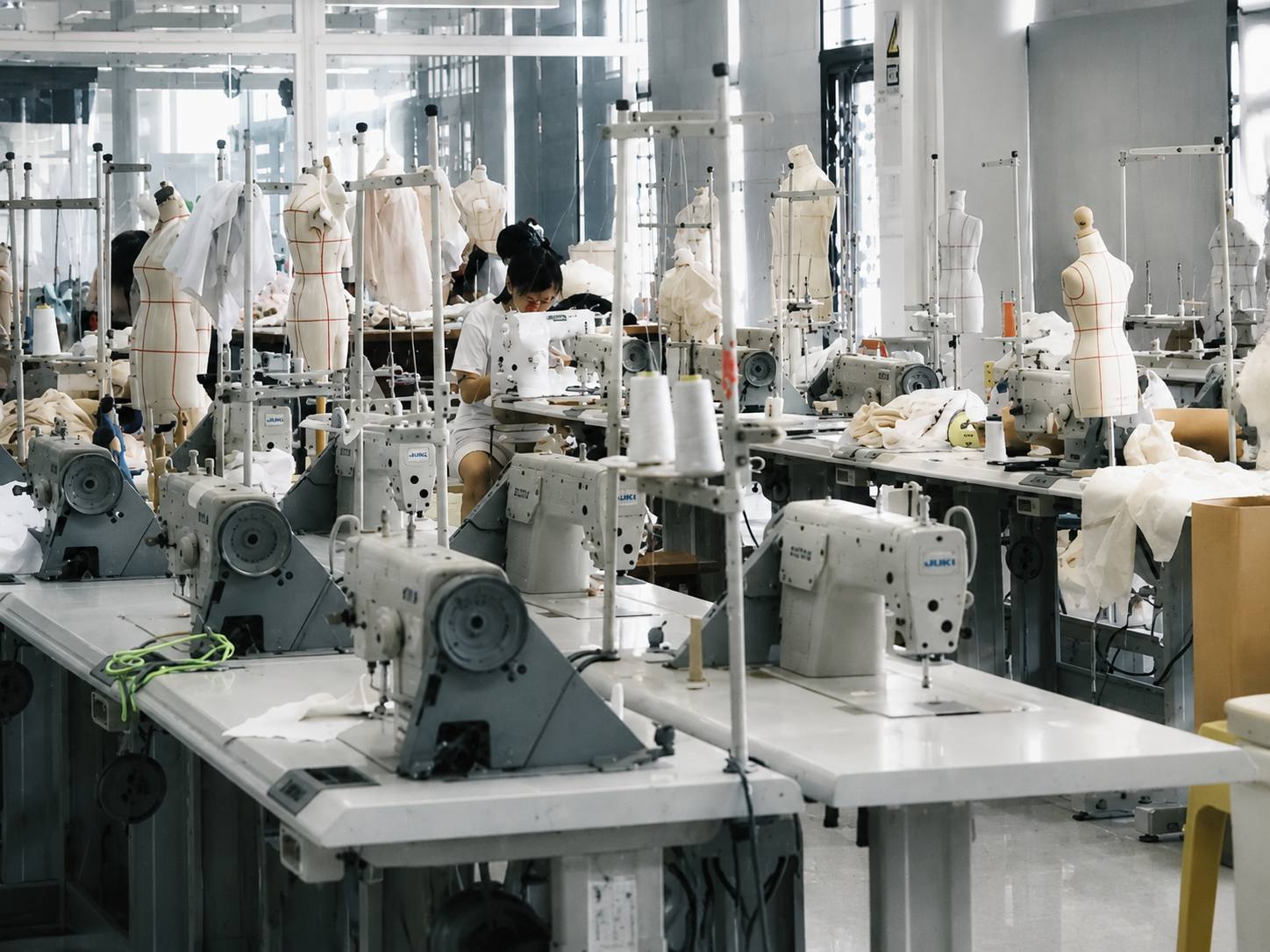
1. Document Your Processes
Create written and video SOPs for every task: measurement protocols, pattern grading, fabric cutting, seam finishing, pressing standards, and fitting procedures. Use photos and checklists. This eliminates dependency on your personal memory and allows staff to replicate your quality standards. Assign each process a time budget—custom shirt construction: 6 hours. Measure actual performance against benchmarks monthly.
2. Hire Junior Tailors or Seamstresses
Recruit 1–2 junior staff members to handle production while you focus on design, client relations, and complex garments. Ideal candidates have sewing experience but lack business skills. Offer $25,000–$35,000 annually plus performance bonuses. Train them on your specific methods over 4–8 weeks. Start with simpler tasks—hemming, basic alterations—before advancing to custom work.
3. Implement Quality Checkpoints
Create a three-stage inspection: pre-construction (fabric quality, pattern accuracy), mid-production (seam alignment, fit mock-ups), and final (measurements, finishing, packaging). Assign one person as QC lead. Quality control best practices in apparel manufacturing emphasize that this prevents costly mistakes and maintains brand reputation as volume increases. Shops implementing this system reduce rework by 40% within 90 days.
4. Build an Apprenticeship Pipeline
Partner with local vocational schools or offer paid apprenticeships—6–12 months, $15,000–$20,000. This creates a talent pipeline and reduces future hiring costs. Apprentices handle 30–40% of production under supervision, freeing experienced staff for complex work. The payoff: a steady stream of trained labor without relying on expensive external hires.
Implement Dynamic Pricing & Margin Optimization
Most tailors underprice by 40–60%; implementing tiered pricing by service complexity—simple hems $20, custom shirts $350, suits $600+—achieves 50–65% gross margins vs. 25–35% with cost-plus models, and testing 10–15% annual price increases on new customers first typically results in 5–10% volume loss but 25–40% profit gain.
| Pricing Model | Approach | Profit Margin | Scalability | Best For |
|---|---|---|---|---|
| Cost-Plus (Materials + 50%) | Add 50% markup to fabric/notions cost | 25–35% | Poor—leaves money on table | Beginners only |
| Market-Based (Local Competition) | Match or slightly undercut local tailors | 45–55% | Good—aligns with demand | Growing businesses |
| Tiered by Complexity | Simple hems $20; custom shirts $350; suits $600+ | 50–65% | Excellent—maximizes high-value work | Scaling operations |
| Subscription/Retainer | Monthly fee ($200–$500) for regular clients (suits, alterations) | 60–70% | Excellent—predictable revenue | Established shops |
If your current gross margin is below 50%, you’re underpriced. Audit competitor pricing—call 5 local tailors anonymously. Implement tiered pricing immediately: raise simple alteration prices 15%, introduce “premium custom” tier at 2× standard rates for rush jobs or complex fabrics. Test price increases on new customers first; existing customers rarely leave over $5–$10 increases if quality is consistent. Expect 5–10% volume loss but 25–40% profit gain—a worthwhile trade for scaling.
Build Community & Leverage Digital Marketing
Tailoring businesses investing in email and social media achieve 65% repeat purchase rates vs. 25% without, while referral-acquired customers deliver $2,400 average lifetime value vs. $800 from paid ads, making community building the highest-ROI scaling strategy for service-based businesses.
By the Numbers:
$180–$250 — Average customer acquisition cost (CAC) for tailoring via Google Ads / Meta; walk-in CAC is $50–$80 but highly variable — Small Business Administration, 2025
65% repeat purchase rate — Tailoring businesses with email loyalty programs vs. 25% for those without — Sheets.Market Tailoring Survey, 2025
3.2× higher inquiry rate — Custom tailoring inquiries increase 3.2× when businesses post before/after photos on Instagram vs. no social presence — EXPLORETEX Fashion Growth Study, 2026
$2,400 average lifetime value — Customers acquired via referral vs. $800 for paid ads — Tailoring Business Model Analysis, 2025
42% of consumers — Research local service providers on social media before booking; 58% check Google reviews — Consumer Behavior Report, 2025
Allocate 10–15% of revenue to marketing: $200–$300/month for Google Local Services Ads, $100–$200 for email marketing platform, $200 for monthly content creation—Instagram posts, before/after photos, client testimonials. Offer $50–$100 referral bonuses. Expect 60–70% of new customers to come from referrals and repeat business. As noted by EXPLORETEX, successful brands scale by building a community, not just a customer base—having an active email list, high repeat-purchase rate, and customers who act as brand ambassadors.

Partner with Manufacturers or Build Wholesale Channels
The ultimate scaling path involves wholesale custom tailoring to e-commerce brands ($50,000–$200,000 contracts), corporate uniform suppliers ($50,000–$500,000 annually), or partnering with a Wholesale Clothing Manufacturer to handle bulk production while you focus on design and quality control, enabling $500,000–$1M+ revenue without hiring 20+ staff.
Most retail tailors cap at $200,000–$300,000 annual revenue because they’re limited by one location and personal production hours. Scaling beyond this requires B2B channels.
B2B Tailoring Opportunities:
E-commerce brands need made-to-order custom suiting, wedding wear, and bespoke collections. Brands like Bonobos, Indochino, and smaller DTC labels outsource production to specialized tailors. Minimum orders: 50–200 units. Margins: 40–55%. Corporate uniform suppliers need custom tailoring for workwear, hospitality uniforms, and executive suiting—contracts often worth $50,000–$500,000 annually. Fashion retailers and boutiques outsource alterations and custom tailoring to freelance tailors or small shops. Wholesale rates: $15–$40 per alteration, lower than retail but high volume.
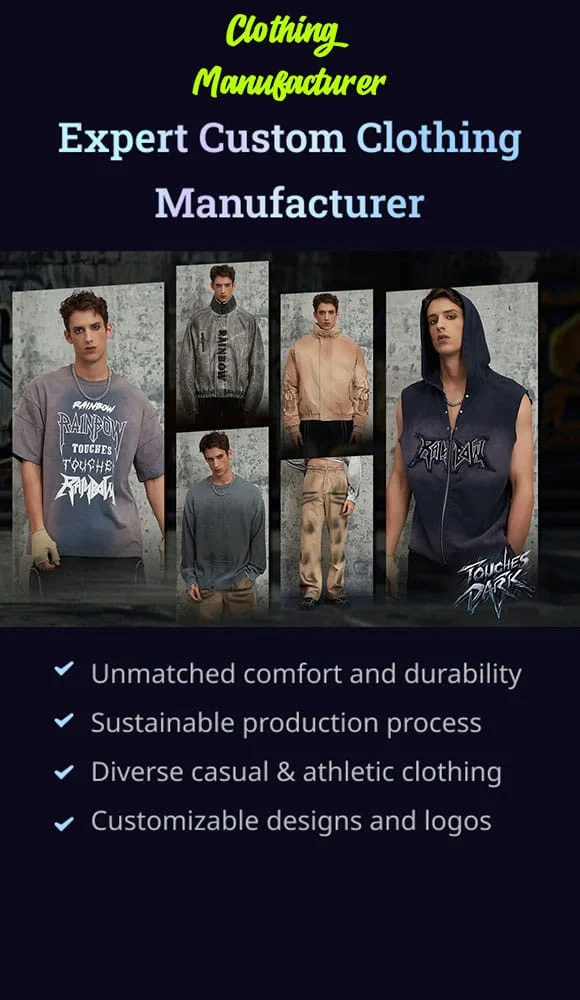
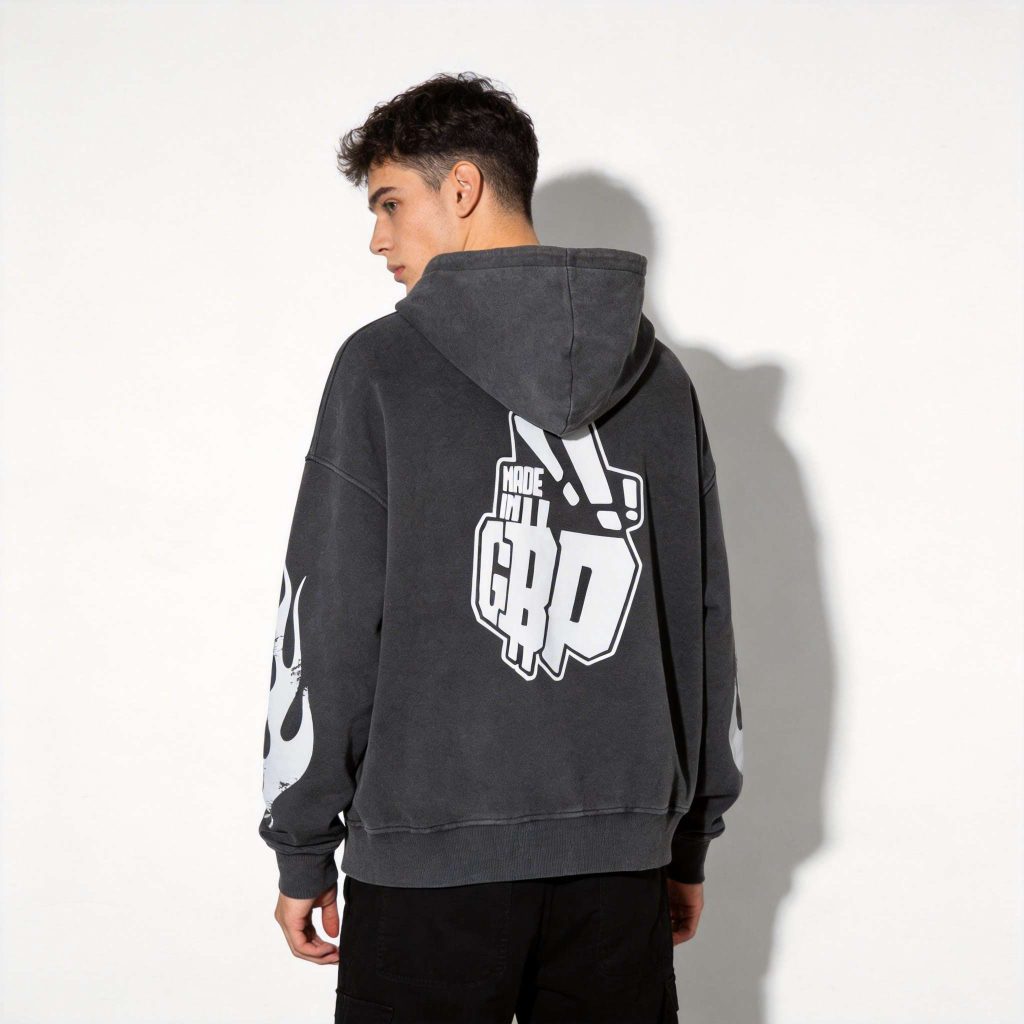
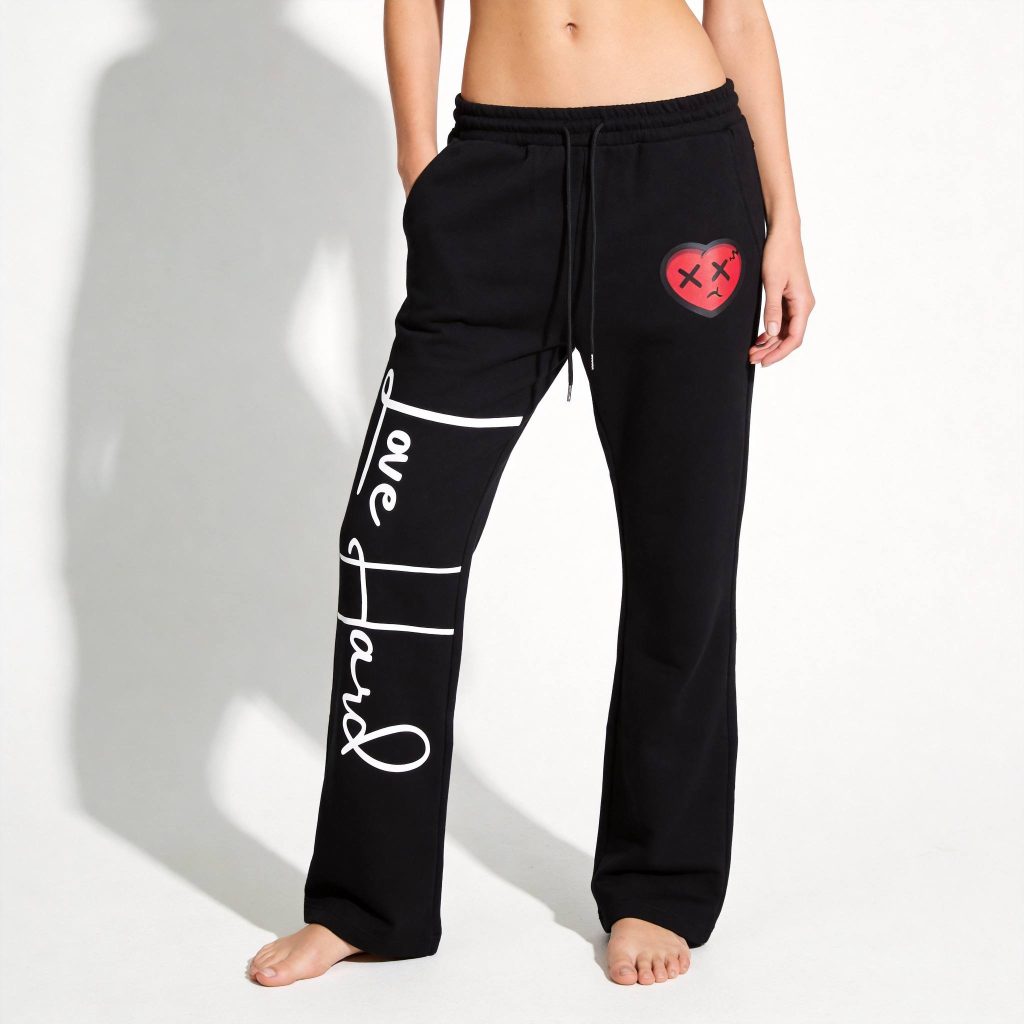
Outsourcing to Manufacturers: As B2B volume grows, retail tailors can’t fulfill orders alone. Outsourcing apparel manufacturing: pros, cons, and best practices demonstrates how to partner effectively with manufacturers to handle bulk production while you focus on design, quality, and client relations. ZORWILD supports 2,000+ fashion brands with OEM/ODM manufacturing, low-MOQ production (starting at 50 pieces), and end-to-end solutions from fabric sourcing through final packaging. Manufacturers handle cutting, sewing, and basic finishing; your shop does final fitting, alterations, and quality control. This model scales to $500,000–$1M+ revenue without the overhead of hiring 20 staff.
Hybrid Retail + Wholesale Model: Maintain a retail storefront (1–2 staff) for walk-in alterations and local custom work ($3,000–$8,000/month). Simultaneously operate a B2B division (you + 1–2 production staff) fulfilling wholesale orders ($15,000–$50,000/month). This diversification reduces risk and maximizes profitability. Dozens of scaling tailoring operations use this hybrid approach—it provides stable cash flow while enabling exponential growth through B2B contracts.
FAQ
Q1: How long does it take to scale a tailoring business from solo to $300,000+ revenue?
18–36 months with disciplined execution. Year 1: establish reputation, build referral base, shift pricing mix (target $80,000–$120,000 revenue). Year 2: hire first staff member, expand custom services, launch email marketing (target $180,000–$220,000). Year 3: optimize operations, explore B2B channels or second location (target $300,000+). Faster scaling—12–18 months—is possible with significant upfront investment in marketing and staffing.
Q2: What’s the biggest mistake solo tailors make when trying to scale?
Refusing to delegate or systematize. They remain the bottleneck—personally handling every measurement, fitting, and sewing task. Scaling requires hiring staff, documenting processes, and trusting others to execute your standards. Tailors who hire but fail to train properly also struggle; invest 4–8 weeks in staff training before expecting independence. The moment you stop being the only person who can execute your quality standards, you unlock growth.
Q3: Should I open a second location or focus on one shop?
Start with one location. Optimize profitability, systems, and staffing at Location 1 before expanding. Once Location 1 generates $200,000+ annual profit with 2–3 trained staff, a second location becomes viable. Multi-location businesses require strong management systems and are harder to maintain quality. Consider B2B/wholesale channels as a scaling alternative to avoid location overhead—often faster ROI with lower capital requirements.
Q4: How do I price custom tailoring without underpricing?
Audit competitor pricing, survey customers on willingness-to-pay, and calculate your true cost (materials + labor + overhead). Add 50–70% margin. For a custom shirt costing $50 in materials and 4 hours labor ($40/hour = $160), total cost is $210; price at $350–$400 (65–90% margin). Test price increases gradually; most quality-conscious customers accept 10–15% increases annually. Track conversion rates—if you’re closing 80%+ of custom inquiries, you’re likely underpriced.
Q5: Can I scale without hiring staff?
Yes, but slowly. Focus on high-margin custom work, implement tiering (premium rush services), and explore B2B wholesale. Outsource production to manufacturers for bulk orders. However, to reach $300,000+ revenue without staff is extremely difficult; you’d need to charge premium rates ($600+ per garment) and maintain 60+ custom orders monthly—unsustainable for one person. Most successful scalers hire their first staff member at $100,000–$120,000 annual revenue.
Sources
- Financial Models Lab — How Much Do Sewing and Tailoring Owners Make? — 2025, EBITDA scaling potential and profit maximization strategies
- EXPLORETEX — Scaling Your Clothing Business: The 2026 Ultimate Guide — 2026, community building and customer acquisition cost analysis
- Scribd — Tailoring Business Plan — Revenue projections and growth planning frameworks
- Small Business Administration (SBA) — Customer Acquisition Cost Benchmarks, 2025
- Sheets.Market — Tailoring Business Model: Startup Costs & Revenue Potential, 2025
- Medium — Scaling a Tailor Shop into a Mega Factory, 2024
Written by Alin Zeng (27 Years of Master Craftsmanship & Pattern Making, Global OEM & Streetwear Customization Excellence, End-to-End Supply Chain & One-Stop Production, High-Efficiency Cost Control (“Quality + Affordability”), Incubating 2,000+ Fashion Brands from Scratch). Last reviewed 2026-06-05.
ZORWILD partners with tailoring businesses and fashion brands to scale production through OEM/ODM manufacturing, low-MOQ custom apparel, and wholesale solutions. Learn more at https://www.zorwild.com/